
You can buy a pair of Chelsea boots for $269, or roughly ten times as much. Which is good value, which is a waste of money, and which is the right pair for you?
To find out, we tested 18 pairs over two years. The lineup spans eight countries and every major construction method, and each pair was judged on the same five counts.
Watch the full test to see how each one scored and who it is for, or read on for the lineup and what to look for before you buy.

Short on time?
The Highlight Reel
We condensed the full review, which runs over an hour, into a 20-minute highlight reel. It features less detail and attentive comparison than the original, but still captures Raphael’s most critical take on every Chelsea boot brand he tested.

How We Tested 18 Chelsea Boots
What Went Into the Test
Over two years, each pair went through accelerated wear, including walking in a 40-pound weighted vest, exposure to the elements, and ordinary daily use. Every boot was judged on five counts: materials, construction, style and last, fit, and comfort, with a clear read on who it is for. The lineup runs from $269 to about $2,400 and from simple Blake stitching to hand welting and a Norwegian welt, and it skews elegant and dressy rather than rugged work boots.
“When I say testing, I mean it. I did accelerated user testing with a 40-pound weighted vest.”
Sven Raphael Schneider, CEO & Founder, Gentleman's Gazette

Why This Video Is Worth Watching
Chelsea boots look similar on a product page and wear completely differently in person. Our test shows what actually separates a $269 pair from a $975 one, where extra money buys real quality and where it does not, and how construction, leather, and fit hold up after two years of real wear. The video scores all 18 and ends by naming an overall winner, Raphael’s own favorite, the best pair for walking, the best waterproof option, and the best value.
New to shoe construction?
How Each Pair Was Scored
Every boot earned one overall score out of 10, built from two rounds of testing and a final question.
- Off the Foot, Out of the Box. First impression, the quality of the leather, heel, insole, and sole, whether it is cut from one piece or many, the workmanship, the elegance of the last, and whether the product listing matched what actually arrived.
- On the Foot, After Wear. How easily they pull on, comfort over a long day, how the fit and last hold the foot, and wear observations like whether a boot drags your socks down or rubs through them.
- Who is it For. The buyer each pair actually suits, where price, style, and fit all come together.
Those combine into the score out of 10, and the final graph, that you see in the video.
Every Pair We Tested
We rated all 18 pairs on the five counts above and named who each is for. Those scores and verdicts are in the video.
| Boot | Price (as of Oct 2026) | Made in | Construction & leather |
|---|---|---|---|
| Beckett Simonon Preston | $269 | Colombia | Blake stitch, full-grain calf |
| Beckett Simonon Bolton | $269 | Colombia | Blake stitch, more almond-toe last |
| Meermin 514015 | $280 | China | Goodyear welt, whole cut, waxy calf |
| Meermin 51485 | $280 | China | Goodyear welt, whole cut, latex sole |
| Edward James, by Carlos Santos | €424 | Portugal | Goodyear welt, rough-out suede |
| Edward James Arthur | ~$352 | England | Goodyear welt, Panama grain |
| Bridlen | ~$353 | India | Goodyear welt, CF Stead suede |
| Koio Trento | $365 | Italy | Blake stitch, Italian suede |
| Ace Marks Troy | $369 | Italy | Blake stitch, calf with patina |
| Grant Stone | $435 | China | Goodyear welt, Horween Chrome Excel |
| Loake 1880 | ~$445 | England | Goodyear welt, suede |
| TLB Mallorca 296 Artista | $545 | Spain | Goodyear welt, Vibram sole |
| J.FitzPatrick Ali | $675 | Spain | Goodyear welt, French crust calf |
| Carmina | $710 | Spain | Goodyear welt, woven leather |
| Yearn BTS 211 | $745 | China | Hand welted, French box calf |
| Ichigo Ichie | ~$785 | Vietnam | Hand welted, Horween hatch grain |
| J.FitzPatrick Highland | $975 | Spain | Goodyear welt, custom patina |
| Bespoke, Vienna last, sewn in Romania | ~$2,400 | Austria / Romania | Hand Norwegian welt, stingray |
Which Boots Are Essential First?
Highlights from this Video

“Chrome Excel is chrome tanned for softness, then veg tanned for durability, which gives it that pull-up effect.”
5:47
Why the leather on the spec sheet tells you more about a boot than the price does.

“The heel is hand-built, pitched, and angled, which is not something you normally see on a factory shoe.”
12:00
The kind of hand finishing that usually shows up only on shoes costing far more.

“They call this the most comfortable Chelsea boot they’ve ever made, and I know why. Everything here is made to be soft and comfy.”
23:10
The pair built entirely around comfort, and what that soft-everything approach can cost you later.

“Even though it looks cool, the honeycomb elastic chafes on my ankles and causes blisters.”
33:12
The good-looking design detail that turned one promising boot into a no-go.

“I always gravitate toward a boot that fits really well over one that doesn’t.”
47:52
Why fit, more than brand or price, decides which pair you will actually wear.
Ask the Expert
Goodyear welt, Blake stitch, or hand welted; what is the difference?
Blake stitching sews the upper straight to the sole, which is lighter and more flexible but harder to resole. A Goodyear welt adds a welt between upper and sole, making the boot sturdier, more water-resistant, and easy to resole. Hand welting does the same by hand, for more money and finer results.
How should a Chelsea boot fit?
Snug through the heel and instep, with very little heel slip. Because there are no laces, the elastic and the last do all the holding, so a loose heel cannot be fixed later and will wear the boot out faster.
Which leather holds up best?
It depends on the look you want. Chrome Excel and other pull-up leathers age into a rugged patina, French crust and box calf stay sleek and dressy, and suede is lighter and more casual. All can be excellent when the tannery is good, which is why the test weighs materials as much as price.
Are expensive Chelsea boots worth it?
Not automatically. The test found genuinely strong pairs well under $500 and a few flaws on pricier ones, so value does not track neatly with price. Which pairs land where is covered in the video.
Can you dress up Chelsea boots?
Up to a point. They work well with odd jackets, chinos, and denim, and a sleek black pair can handle a business suit, but they are too casual for formalwear like a tuxedo. See the boots styles and mistakes guide.
What to Watch Next

How to Combine Shoes & Boots with Suits
Outfit pairings that make your footwear work harder.
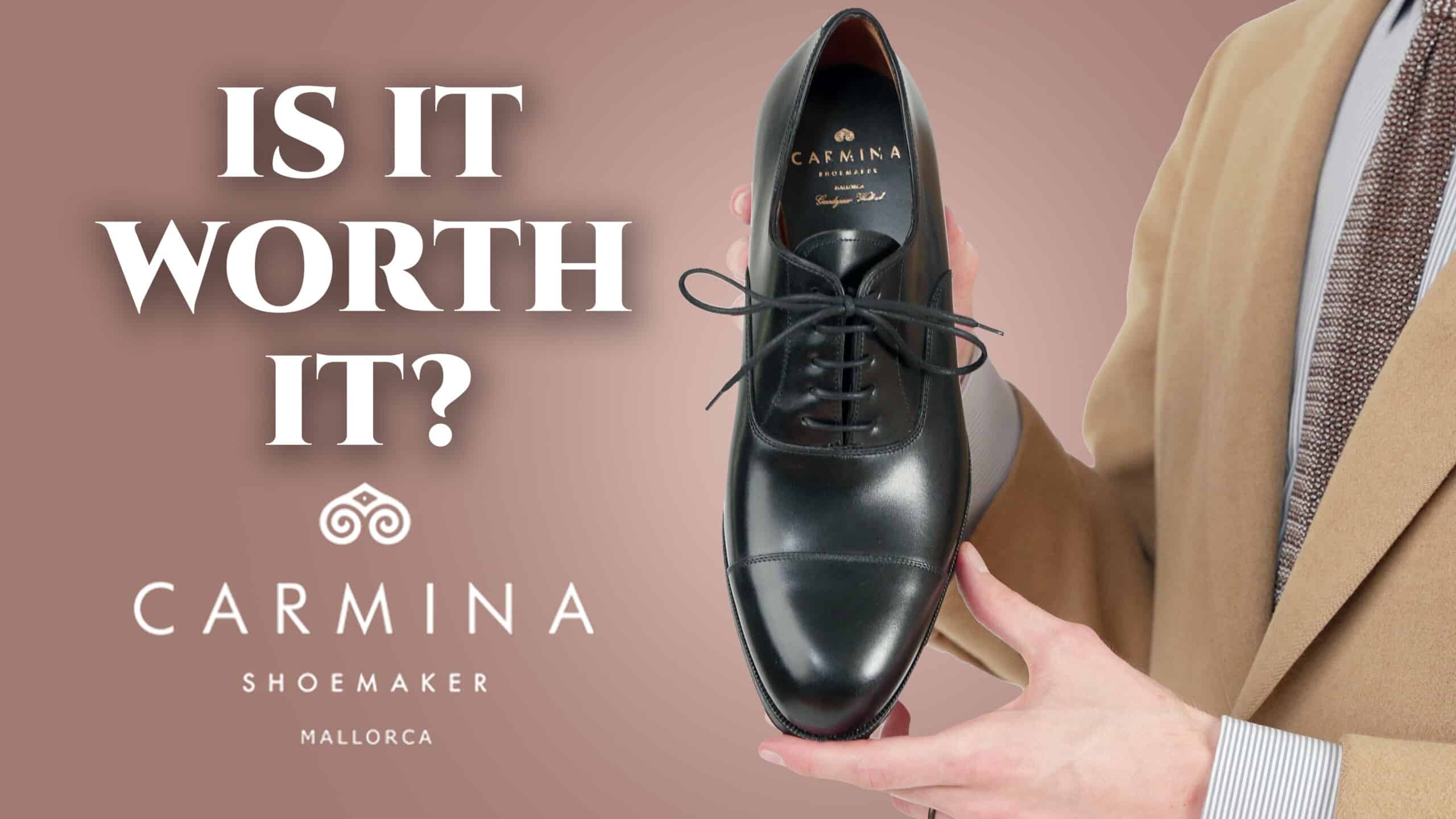
Carmina: Is It Worth It?
A closer look at one of the brands in this test.

Ranking RTW Shoe Brands, $200 to $500
47 brands, the best and the worst.
#19: R.M.Williams
gents in the Antipodes have worn these boots that remain a cultural institution after almost a century.
Really useful to see the price spread tested on the same criteria instead of just ranked by cost. The point about fit mattering more than brand or price rings true — a boot you actually wear beats a beautiful pair that pinches. I also appreciated the honesty about details like the honeycomb elastic causing blisters; that kind of long-term wear note is exactly what is missing from most roundups.
Glad to hear you found it useful. Which Chelsea Boots were you most drawn to after the review?
The point about fit mattering more than brand or price really stayed with me. A boot that fits well through the heel and instep gets worn far more often than a pricier pair that pinches. I also liked seeing comfort and construction judged separately, since a good-looking pair is not much use if it hurts after a long day.
Yes, if they don’t fit, you won’t get joy and use out of them.
This is a really useful test because Chelsea boots all look similar in product photos, yet they wear so differently in real life, and a two-year comparison is exactly the kind of evidence that helps a buyer decide. I appreciated that the scoring separated first impressions from long-term wear, since leather quality, heel construction, and sole choice only reveal themselves after many walks. The point about fit mattering more than brand or price also rang true for me: a boot that slips at the heel or pinches across the instep will stay in the closet no matter how good it looks, while a comfortable pair gets worn every week. I found the construction discussion especially helpful. Goodyear welting, Blake stitching, and hand welting are often mentioned as if they were simply better or worse, but the real question is how each method affects weight, flexibility, resoling, and weather resistance. For autumn and winter, I also think about the leather itself: a pull-up leather that develops patina can look better with age, while suede needs more care in wet weather but gives a softer, more casual finish. The price spread in this test was eye-opening, because it showed strong options well below the top price and also showed that paying more does not automatically remove flaws. When I think about building a practical cold-weather outfit, I start with dependable fall wardrobe staples that can be worn with odd jackets, chinos, and denim, and a well-chosen Chelsea boot fits that role perfectly. Overall, this is a thoughtful, honest review that focuses on wearability rather than hype, and it has given me a much clearer sense of what to look for, what to avoid, and which trade-offs are worth accepting when choosing my next pair.