In an era of globalized supply chains and “fast fashion,” the label “Made in USA” has become increasingly elusive. While iconic American brands like Brooks Brothers and Ralph Lauren defined the 20th-century sartorial landscape, many have shifted their manufacturing overseas to remain competitive.
But is it still possible for the modern gentleman to construct a complete, high-quality, ready-to-wear outfit using only American labor? I set out on a digital shopping trip to find out.

The Rules: What Counts as “Made in USA”?
To keep things clear and realistic, we followed two strict criteria:
- Ready-to-Wear Only: Everything must be purchasable immediately; no custom or bespoke elements
- Manufactured in the USA: Cut and sewn domestically (even if materials are imported)
Does the “Made In” Label Matter?
The Outfit Breakdown
Foundation: Shoes & Socks
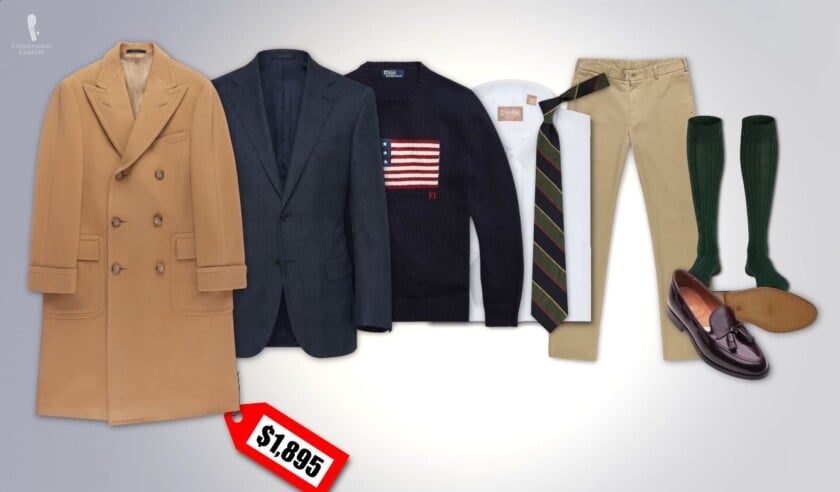
Alden 563 Tassel Moccasin: $967
Alden remains one of the strongest pillars of American shoemaking. The tassel loafer in Color 8 shell cordovan is a classic, equally at home with tailoring or more relaxed combinations.
Boardroom Socks: $19.50
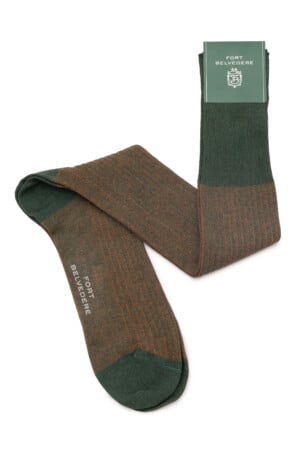
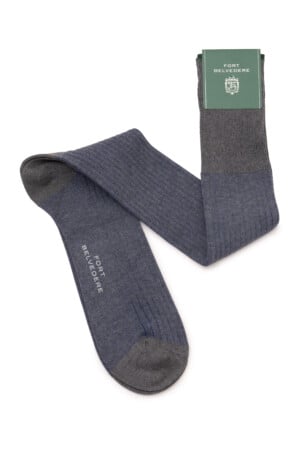
Over-the-calf socks are essential for proper dress. Boardroom Socks offers dependable American-made options, with colors like forest green but their socks a heavily blended with artificial fibers: 74% Cotton / 23% Nylon / 3% Spandex . Because of that, you are much more prone to sweating and overheating.
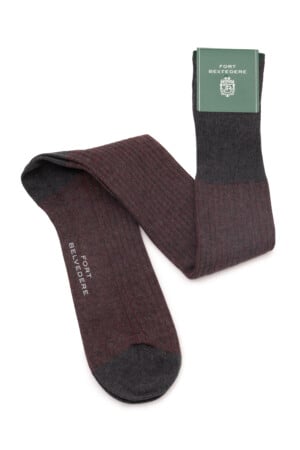
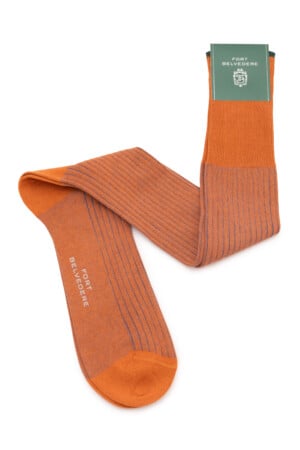
At Fort Belvedere, we’re using 100% cotton yarns for our socks. Because of that, they will wear a cooler too, which means less sweating. We also offer a lightweight sock option for the summer as well as a medium-weight option, and we’re currently working on a heavyweight option as well.
If you’re looking for a wider range of refined colors and consistent quality, Fort Belvedere’s midweight cotton socks offer a reliable alternative for building a classic wardrobe.
Mid-Section: Shirt & Trousers
Gitman Brothers Gold OCBD: $235
The Oxford Cloth Button Down is a cornerstone of American style. Gitman Brothers continues to produce some of the best, with a soft collar roll that defines the Ivy look.
Bill’s Khakis Original Twill: $195
Inspired by WWII military chinos, Bill’s Khakis deliver durability and a higher rise rarely found today. A natural pairing with both knitwear and tailoring.
10 Secrets to Effortless Style
Layering: Knitwear & Tailoring
Ralph Lauren Flag Sweater: $398
A recognizable icon. The navy crew neck works especially well over a shirt and tie, offering both warmth and visual interest.
Joseph Abboud Plaid Sport Coat: $460
Produced in the New Bedford factory, one of the last major tailoring facilities in the U.S. A plaid jacket adds versatility and avoids the rigidity of a full suit.
J. Press Rep Stripe Tie: $165
A true Ivy staple. J. Press continues to produce classic rep stripe ties that reflect decades of collegiate style tradition.
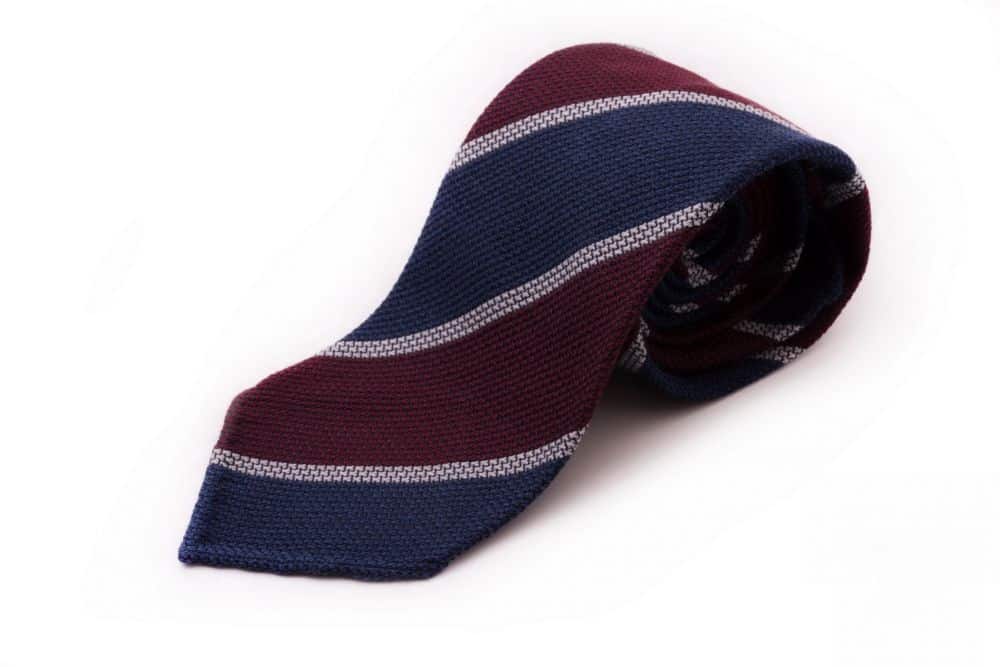
Blue & Burgundy Striped Cashmere Wool Grenadine Tie

Dark Red & Blue Striped Shantung Silk Tie
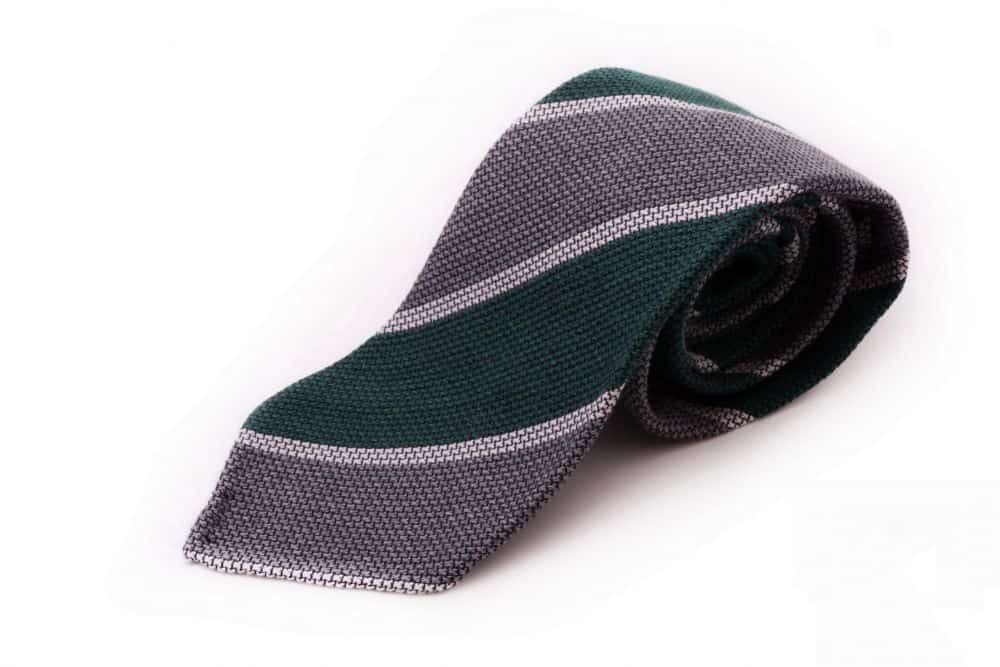
Dark Green & Gray Cashmere Wool Grenadine Tie
Outerwear & Finishing Touches
J. Press Camel Hair Polo Coat: $1,895
A defining piece of American outerwear. The polo coat combines warmth, structure, and heritage, making it the standout investment in the outfit.
Stetson Whippet Fedora: $265
Stetson’s dress hats remain rooted in classic design. The Whippet offers a refined silhouette that complements tailored clothing.
What Does It Cost to Dress American Today?
Total: $4,619.50
Building a fully American-made outfit is possible, but it comes at a price.
We’re curious to learn: Would you pay this total to support “Made in USA” craftsmanship, or do you find the “heritage premium” too steep for your wardrobe?
Frequently Asked Questions
Is the “Made in USA” premium worth it?
Building a 100% Made-in-USA outfit is still possible, but it takes more research, more effort, and a larger budget than buying globally sourced clothing. For some men, that premium is worth paying to support domestic manufacturing and heritage craftsmanship. For others, a mix of American-made and imported pieces may be the more practical choice.
Is it really possible to build a complete Made-in-USA outfit today?
Yes, but it is far more difficult than it once was. Some categories, such as dress shoes, shirts, chinos, and certain accessories, are still available from American manufacturers. Others are much harder to source and usually come at a premium.
Does “Made in USA” always mean better quality?
Not automatically. A domestic manufacturing label can be a good sign, but quality still depends on fabric, construction, fit, and finishing. A well-made imported garment can still outperform a poorly made domestic one.
Why is American-made menswear so expensive?
American-made clothing typically costs more because labor, production, and compliance costs are higher in the United States. Many of these garments are also produced in smaller quantities, which raises prices further compared to mass-market imports.
Why are heritage American brands no longer fully made in the USA?
Many heritage brands moved production overseas to reduce costs and stay competitive in a market shaped by fast fashion and global manufacturing. In many cases, only select lines or premium products remain American-made.
Is an all-American-made wardrobe necessary to dress well?
No. A stylish, well-built wardrobe does not depend entirely on one country of origin. What matters most is quality, fit, longevity, and how thoughtfully the pieces work together.
Is American-made clothing a good investment?
It can be, especially when the garment offers durable construction, timeless style, and long-term wear. Higher upfront cost may be justified if the piece lasts for years and remains relevant in a classic wardrobe.
What to Watch Next
12 Expensive Products That Are Worth Their Price
The End of Quality Menswear?
Why Iconic Brands are Dying
Is “Affordable Luxury” Just Marketing Hype?