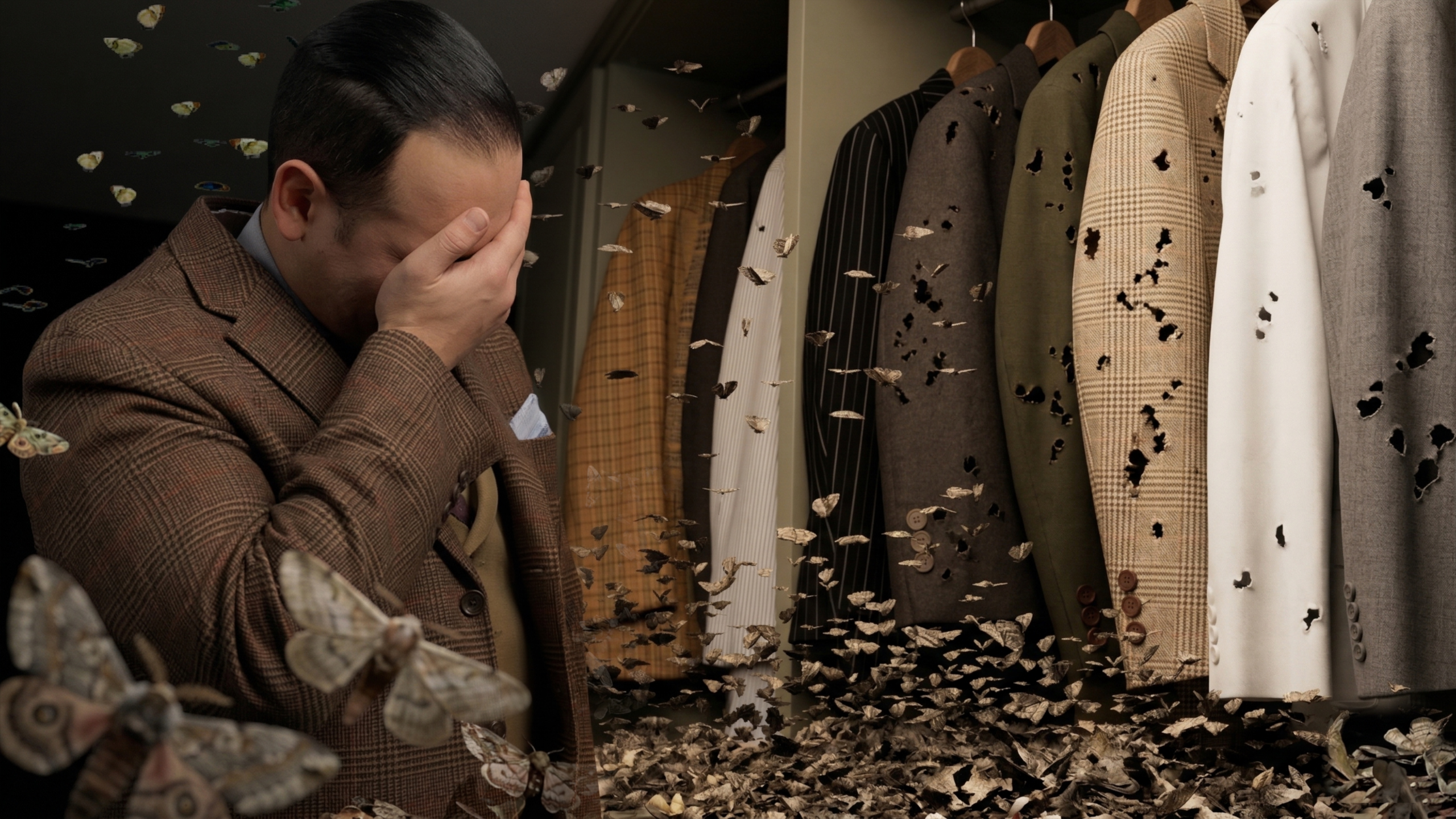
Destructive. Invasive. They spread like a disease. Simply put, they are an absolute disaster for your wardrobe. What am I talking about? Clothes moths.
I remember the start of it like it was yesterday. My wife, Teresa, and I were snuggling up on the couch watching TV when, all of a sudden, I saw this white larva crawling on the fabric. I pointed it out to her, and at first, we were in partial denial. I thought, “Oh, maybe it’s just in this one room.”
But that night, while sitting in bed, I saw another moth fly around, and that’s when I realized that we had a full-blown clothes moth infestation.
Emergency Protocol: The 24-Hour Moth Response Plan
If you’ve just spotted a larva or a hole in your favorite sweater, do not panic—but do act immediately. Follow these steps to stop the spread within the first 24 hours.
Step 1: Isolate Infested Garments
Immediately remove any garment showing signs of damage. Place it in a sealed plastic bag (IKEA bags are perfect) to prevent larvae from migrating to other clothes. Keep these bags separate from your “clean” closet.
Step 2: Vacuum Every Crevice and Baseboard
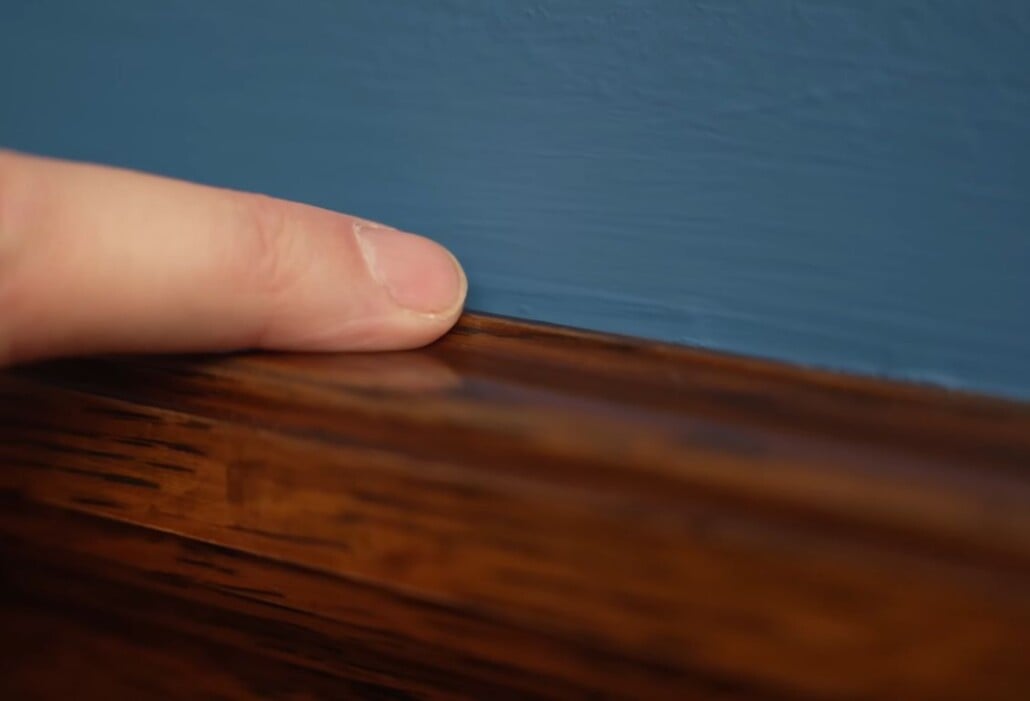
Moths love the dust in your baseboards and carpet edges. Vacuum your entire closet floor, focusing specifically on the cracks where the floor meets the wall. Crucial: Empty the vacuum canister or bag outside your house immediately after to prevent escapees.
Step 3: Map the Infestation with Glue Traps
Place pheromone glue traps in various rooms. These won’t kill the infestation, but they act as a tracking system. They tell you exactly which rooms are active, so you know where to focus your cleaning and wasp deployment.
Step 4: Order Parasitic Wasps Immediately
Order your Trichogramma (parasitic) wasps immediately. Because they are live organisms, there is usually a lead time for shipping. The sooner you order, the sooner you stop the egg-laying cycle.
Step 5: Vigorously Brush “Clean” Clothing Outside
For garments that look clean but were stored near infested items, take them outside and give them a vigorous brushing. This physically destroys and dislodges microscopic eggs and larvae that are too small to see with the naked eye.
Step 6: Inspect Non-Clothing Wool Sources
Moths don’t just eat sweaters. Check your wool rugs, the undersides of upholstered chairs, and even the felt inside your piano. If it has animal fiber and is in a dark spot, check it for “rice-like” eggs.
What Are the First Signs of Clothes Moths?
Discovering the Damage
The morning after spotting that first moth, I immediately went over to my closet to check my wool and cashmere sweaters. At first glance at my regular rotation, I couldn’t see anything. But then I started looking at the garments stored lower down—the ones I use less frequently.
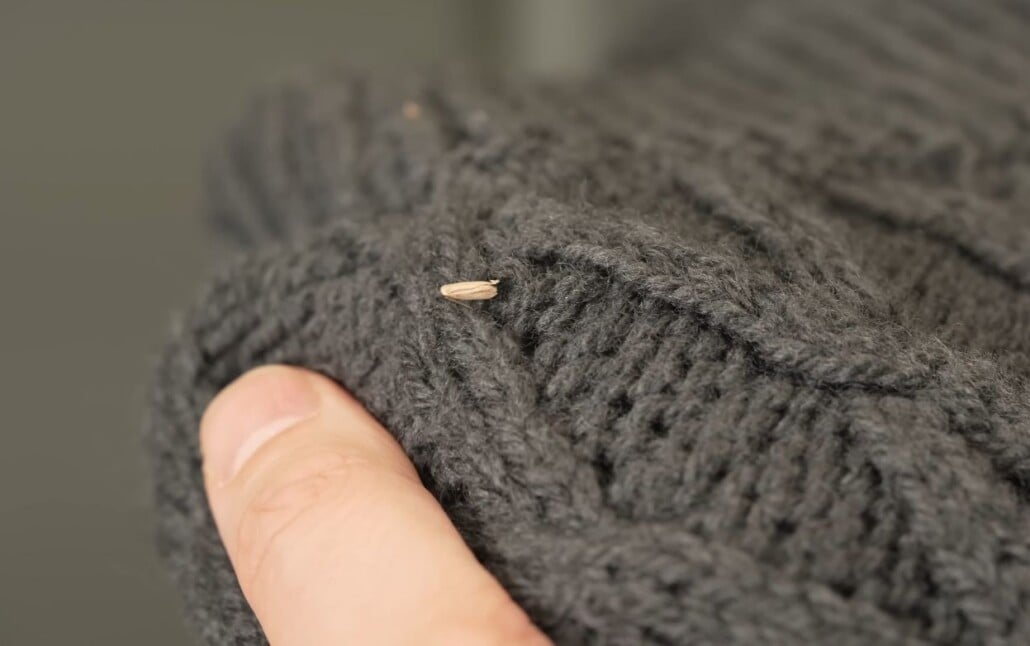
Sure enough, the signs were all there. I saw the tiny white moth eggs. I saw actual larvae still moving in the fibers of the sweaters. I saw the leftover residue of the cocoons, and, worst of all, I saw the holes.
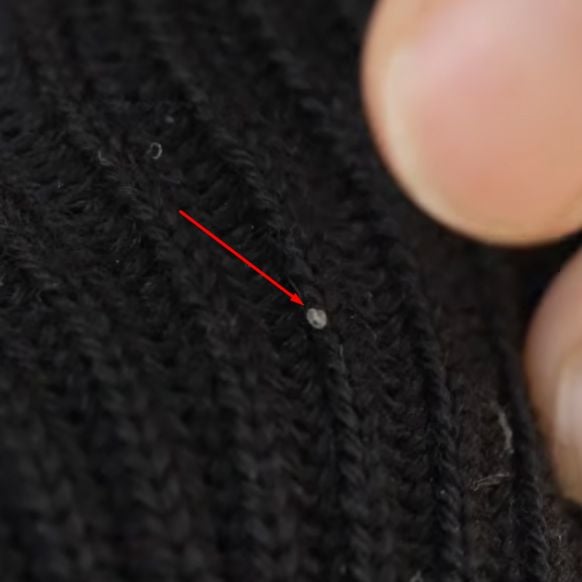
Moth Eggs
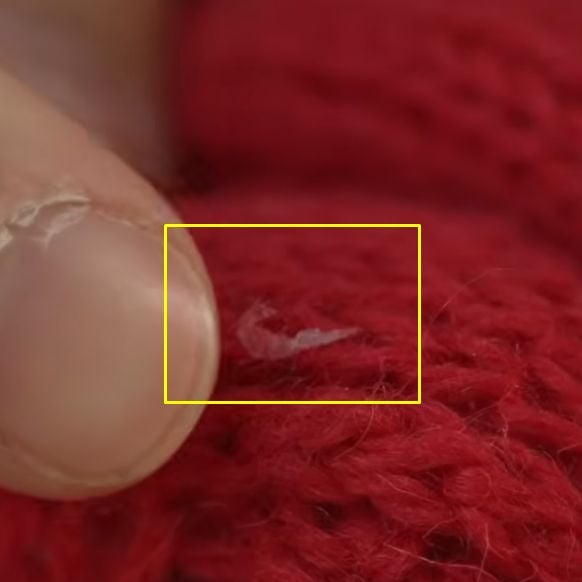
Cocoon residue
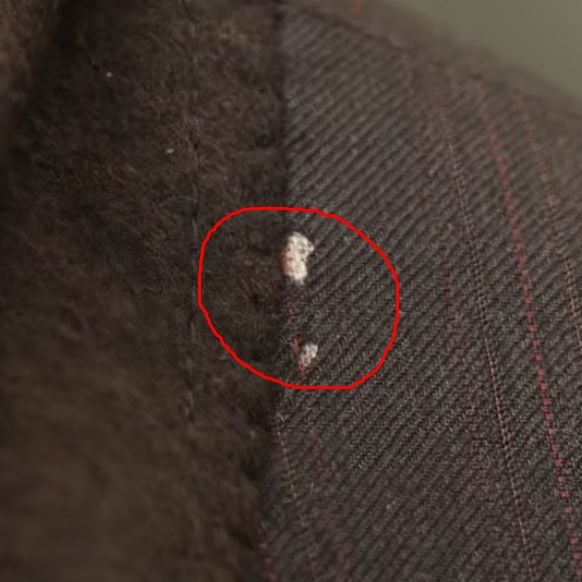
Holes
If you look closely at infested garments, you’ll often see a powdery white substance or webbing. That means a larva was in there, ate the fibers, and moved on. When you brush that residue away, you are left looking at the permanent damage they leave behind.
“The black moth night had come into the sky with his golden-spotted wings all spread.”
Warwick Deeping, Uther and Igraine

Where Do Clothes Moths Hide?
By the time you see a moth flying around a room, it’s already too late. They have been living in your clothes for weeks. Moths abhor the light; they like to hide in dark, undisturbed places where they can quietly feast on animal fibers.
🤔 Wait—Aren’t moths attracted to light?
It is a common mistake to lump clothes moths in with the ones you see bumping against your porch light. Most moths are phototactic, meaning they are drawn to light. However, clothes moths are lucifugous (light-fleeing). This means they actively avoid light and will scurry into a dark fold of fabric or a deep crevice as soon as a closet door is opened. If you see a moth flying boldly around a bright lamp, it’s likely a harmless pantry moth or an outdoor species—not the one eating your cashmere (Mallis, 2011; Potter, 2018).
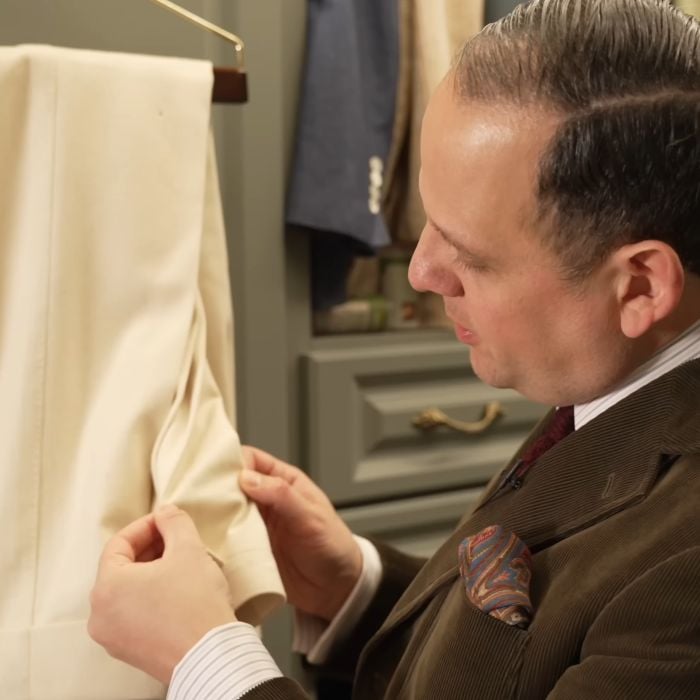
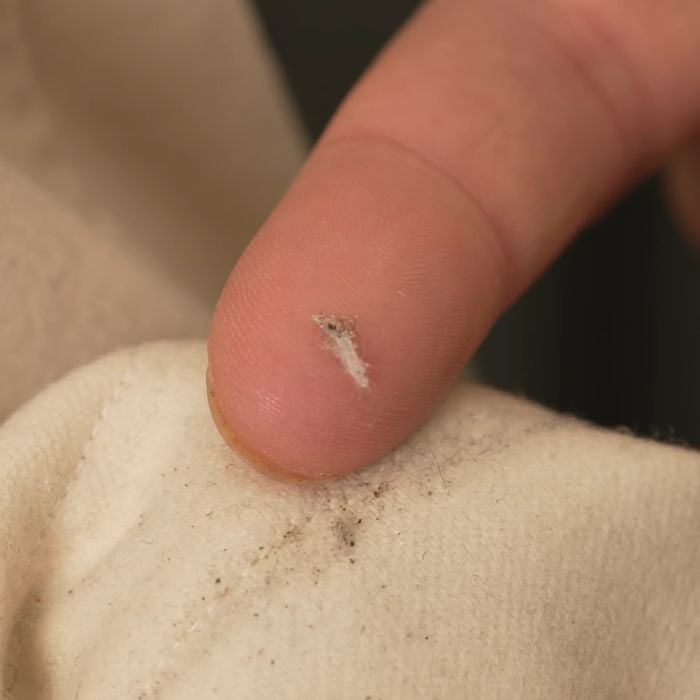
When inspecting your wardrobe, you have to look beyond the main panels of the fabric. I found holes hidden underneath collars where they wouldn’t easily be visible. Another place moths absolutely love to hide is the inside of pant cuffs.
Why? Because all sorts of human dust and skin cells accumulate in there, creating a perfect environment. The same is true for the dark, folded fabric in between the vents of a suit jacket.
The Unexpected Places Moths Breed in Your House
If you believe the moth problem is confined strictly to your closet, I have some sobering news. These pests are opportunistic scavengers that hunt for keratin, the protein found in nearly all animal-based fibers. To a hungry larva, there is absolutely no distinction between a bespoke cashmere overcoat, a Persian wool rug, or a piece of taxidermy in your study.
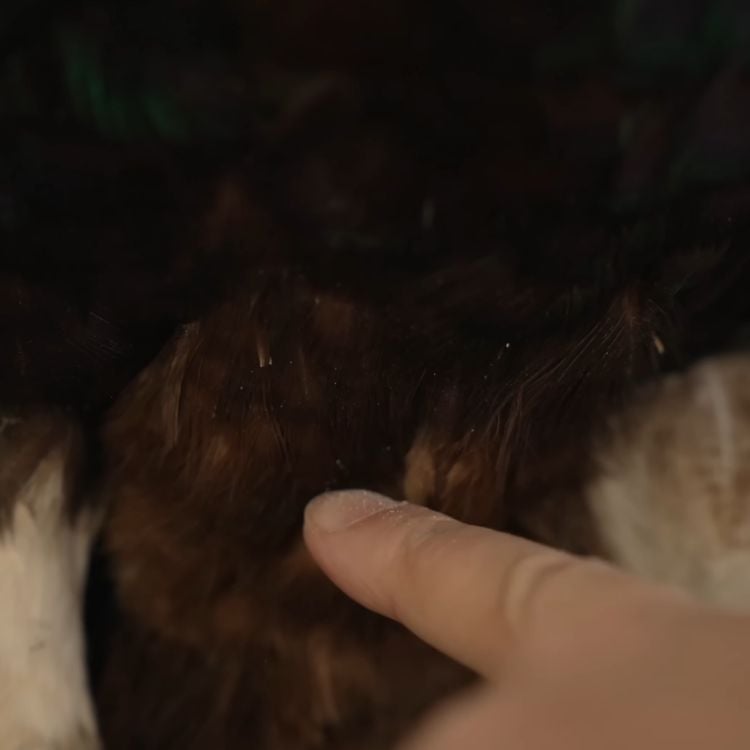
This biological drive means they don’t just stay where you hang your suits; they migrate to wherever the food source is most abundant. Once I started looking closely around the house, I saw those little white moth eggs everywhere. It made me realize just how vulnerable a home is.

Moths will breed in:
- Bedding: Down pillows and wool blankets.
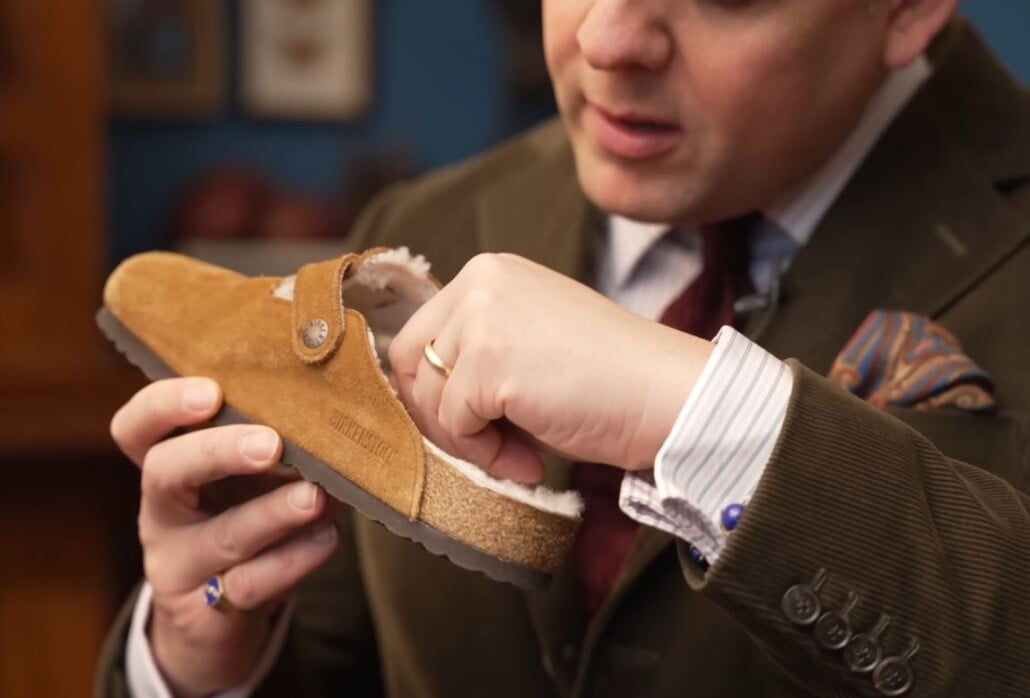
- Footwear: Shearling-lined slippers are a prime target because they offer a combination of animal hair and human dust.
- Headwear: Nice hats made from wool, rabbit hair, or actual beaver felt.
- Home Decor: Wool rugs and taxidermy mounts.
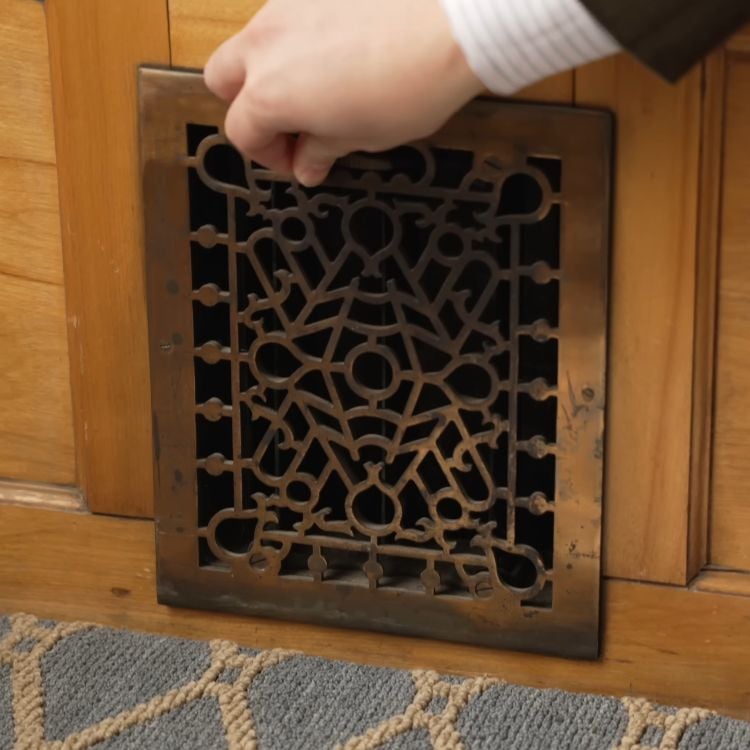
- The Unseen Extremes: They can even hide in the felt hammers of your piano, in the deep crevices behind your baseboards, and deep inside dusty HVAC ductwork.
It was incredibly overwhelming to realize that my entire house—not just my wardrobe—was under attack.
Why Most Clothes Moth Remedies Fall Short
I had never really had to deal with clothes moths before in my life, so I honestly had no idea what to do. Naturally, I turned to the internet. If you search for how to get rid of clothes moths, you are immediately bombarded with a laundry list of DIY solutions and quick fixes.
In “Stage One” of my battle, I tried just about every home remedy Google suggested. Here is why almost all of them failed.
Home Remedies: Vodka Sprays and Steamers
My first line of defense was a vodka spray bottle. I always keep a large bottle of cheap vodka on hand specifically for spot-treating clothes. I took my garments—including a special piece my mom knitted for my dad in the 1980s—laid them on the floor, and sprayed them down. I heavily sprayed the inside and outside, hoping the alcohol would kill the larvae on contact.
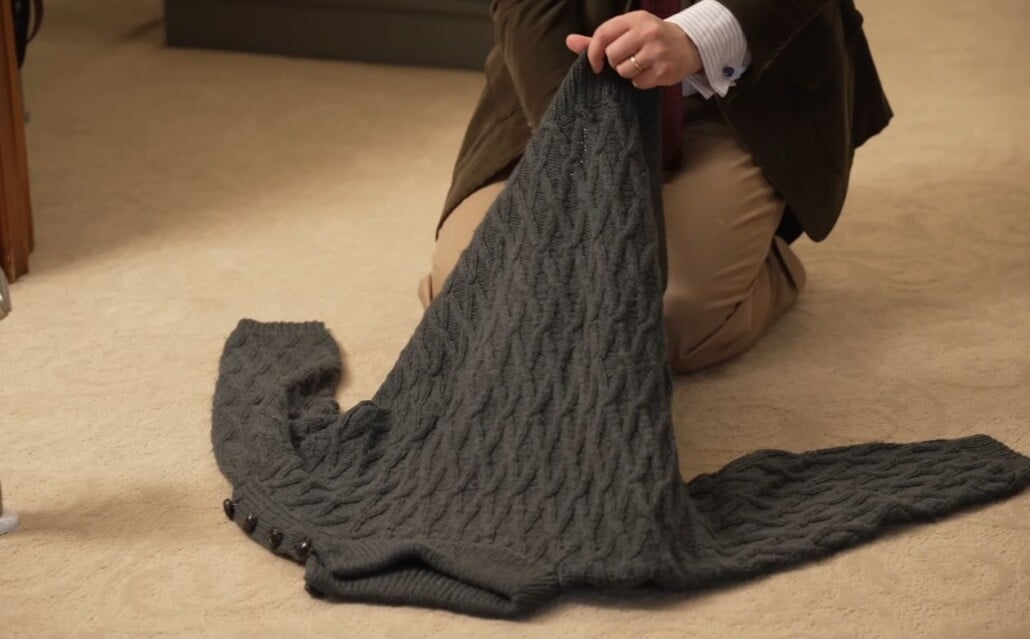
Once I ran out of vodka, I switched tactics and pulled out my clothes steamer (Buy here). I figured the intense hot steam would surely kill those little larvae. But after a while, reality set in.
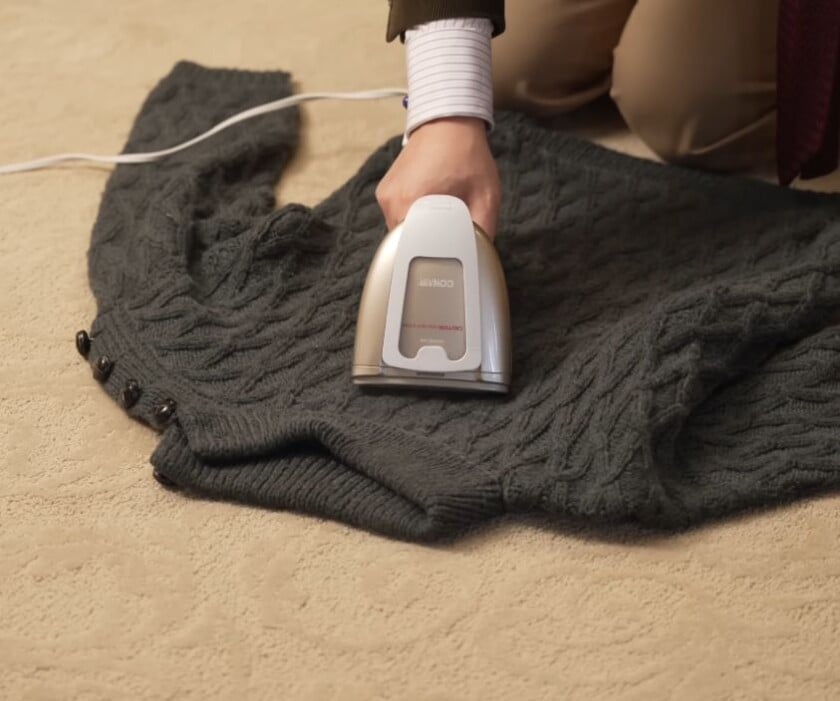
Steaming every single garment takes a massive amount of time, and worse, I had no way of knowing if the steam was truly penetrating the deep crevices and thick fibers to kill all the eggs. It was a band-aid solution.
We Reviewed $500+ of Steamers
Does Cedar Wood Actually Keep Moths Away?
As I kept reading articles on my phone, the most common advice was to use cedar blocks or lavender sachets. The claim is that the strong smell of the oils will keep moths away from your closet.
But here is the problem with cedar: even if we assume the moths truly hate the smell and avoid your closet, it doesn’t kill them. They will simply migrate to other parts of your house. They will go live on your living room rug, your upholstered furniture, or your baseboards.
Cedar is absolutely not an effective way to fight an active infestation. Forget about it.
💡 GG Expert Tip
If you use cedar or mothballs in a standard closet, they are essentially useless. These methods rely on the concentration of vapors. In a closet that is opened daily, the vapors escape, leaving the concentration too low to be lethal to larvae.
The Freezing Method
After realizing that sprays and cedar blocks were a waste of time, I came across the idea of freezing them to death. Since we live in Minnesota, where it gets incredibly cold in the winter, we actually started by just putting our infested taxidermy outside in the freezing temperatures to kill the larvae that were eating the feathers.
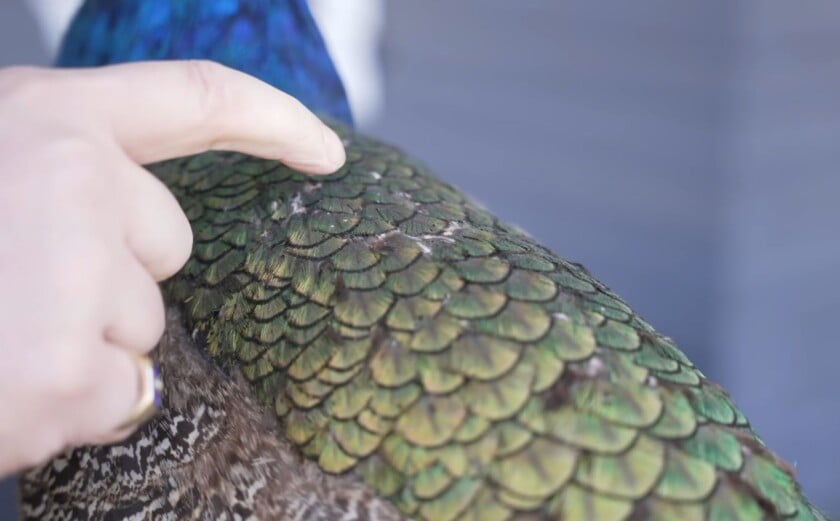
But for my wardrobe, I needed a more controlled, permanent solution.
The Reality of Freezing Your Wardrobe
The very next day, I went out and bought a dedicated chest freezer for $800 specifically to fight the clothes moths. The concept is sound: extreme cold will kill the eggs and larvae if exposed long enough.
I meticulously cleaned my entire closet, vacuuming every nook and cranny. Then, I began stuffing my clothes into large blue IKEA bags to load into the freezer. I had to go through everything, including my tie collection. At first glance, my silk ties looked to be in great condition, but I noticed holes in some of the wool ties.
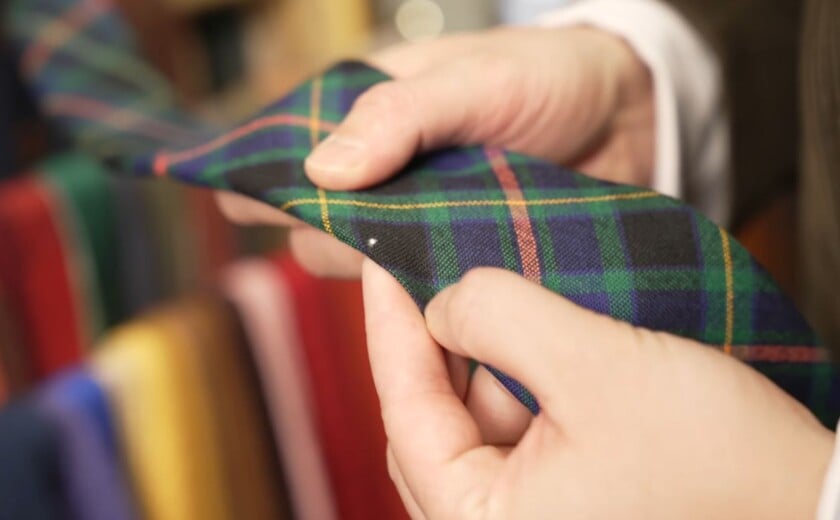
Since almost all high-quality silk ties are constructed with a wool interlining, I couldn’t take any chances. I knew the moths were likely inside the ties where I couldn’t see them. My entire wardrobe had to go into the deep freeze.
The Problem with Scale and Time
Here is where the freezing method completely falls apart when you are dealing with a severe, whole-house infestation: scale and time.
Even though I bought a large, expensive freezer, it could only hold about four stuffed IKEA bags at a time. That wasn’t even close to enough space for my entire wardrobe. To truly ensure every single larva and egg was dead, I had to leave each batch of clothes in the freezer for a full week.
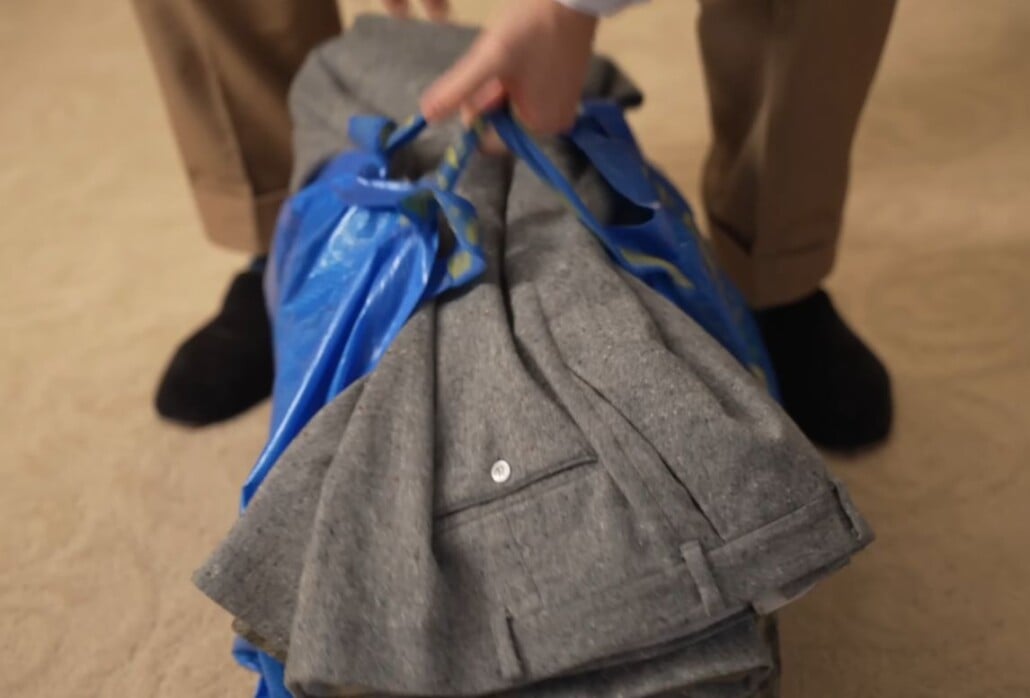

As I was hauling bags of clothes in and out over the course of several weeks, a grim realization set in. While four bags of sweaters were freezing, the moths had free rein to procreate everywhere else. While I was busy rotating ties and jackets, they were still actively living in the deep crevices of our nice upholstered furniture, laying more eggs.
The freezer was a great tool for saving individual garments, but I quickly realized I could never beat a house-wide infestation with just a freezer. I needed a way to hunt them down wherever they were hiding.
The Truth About Clothes Moth Traps
Like many people, I eventually bought glue traps on Amazon. I completely trusted their marketing pitch: “No more moths! Best suit for all pantry moths!” I put these sticky traps all over the house and checked on them about once a month.
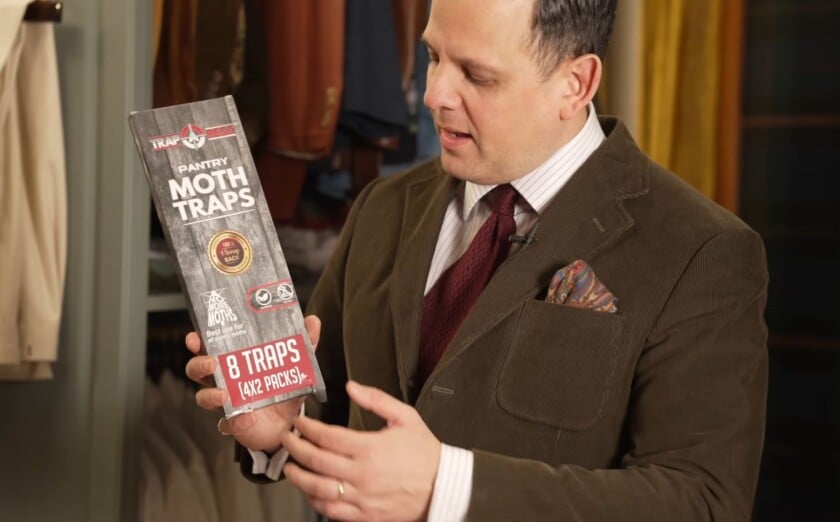
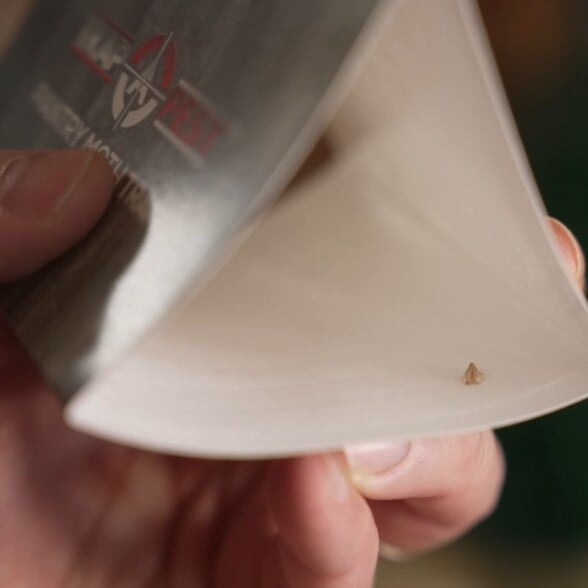
At first, I thought they were working because I was catching moths, but there were always more flying around. That is when I learned the great deception of moth traps: they only catch the males.
By the time you see a male moth flying around and getting stuck in a trap, it’s already too late. He has already mated, and thousands of eggs have already been laid in your cashmere. At this stage, they are just procreating in the dark, and the traps are doing nothing to stop the next generation of larvae from eating your clothes.
The Great Pheromone Trap Delusion
TARGETING THE WRONG LIFE STAGE
In reality, adult clothes moths have atrophied mouthparts and do not feed; they exist solely to mate and lay eggs (Mallis, 2011). This biological fact is why targeting the adults with traps is only a partial solution.
These pheromone traps are great tools for identifying that you have a moth problem, but they absolutely suck at eradicating it.
The House Heating Strategy
Desperate times call for desperate measures. I started thinking, “What if I wait until summer?” My crazy plan was to build a little enclosure around my home thermostat, put ice on the inside to trick it, wait for a 90-degree day in Minnesota, and crank the heat all the way up. The goal was to heat the entire house above 130°F to literally bake every single moth, egg, and larva to death.
Fortunately, I did a bit more research before trying this. It turns out that heating your house to those extremes causes massive structural issues. Things expand rapidly, and your wallpaper will start peeling right off the walls. Needless to say, I had to scrap that option.
35 Life Hacks for the Modern Gentleman
The Ultimate Clothes Moth Killer: Parasitic Wasps
I was at my wits’ end. But during a visit to the bespoke tailor Knize in Vienna, I was given a piece of advice that changed everything: use parasitic wasps.
At first, the idea sounded terrifying. When you hear the word “wasp,” you immediately picture those big, aggressive yellow jackets flying around and stinging people.
But upon doing more research, I discovered that this is a completely different type of insect. This was the ultimate, biological solution I had been searching for.
What Are Trichogramma Wasps?
The solution almost sounds a bit like science fiction. Trichogramma wasps, commonly known as parasitic wasps, are tiny, itty-bitty little things that are incredibly hard to spot with the naked eye. They are practically microscopic and do not sting humans or pets.
In fact, you won’t even notice them in your home. Their entire existence and life cycle are dedicated to one single biological purpose: finding a clothes moth egg, penetrating it, and killing the larva inside.
How Biological Control Eradicates Moth Larvae
Unlike sprays or cedar that only deter moths, these microscopic wasps actively hunt them down. No matter where in your house those moth eggs are hidden—whether deep inside the ductwork, behind baseboards, or in the crevices of your piano—the wasps will find them.
Once a wasp locates a moth egg, it lays its own egg inside of it. This process effectively kills the moth larva before it ever gets the chance to hatch and eat your cashmere. And the best part? There is absolutely zero cleanup required.
Because they are so tiny, their lifespans are short, and when they die, they basically just turn into dust. You simply clean them up whenever you do your normal, routine house vacuuming and dusting.
How to Apply Wasp Strips in Your House
I found a really great supplier called Arbico Organics (I’m not affiliated with them; I’m just a very satisfied regular customer). The wasps are shipped to you in a tiny little bottle or envelope, and they come on simple paper strips or tabs.
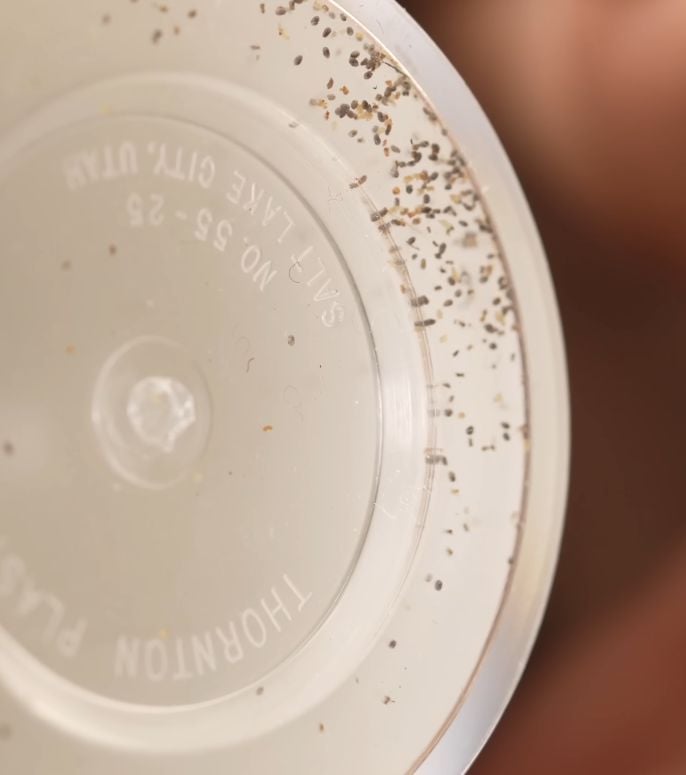
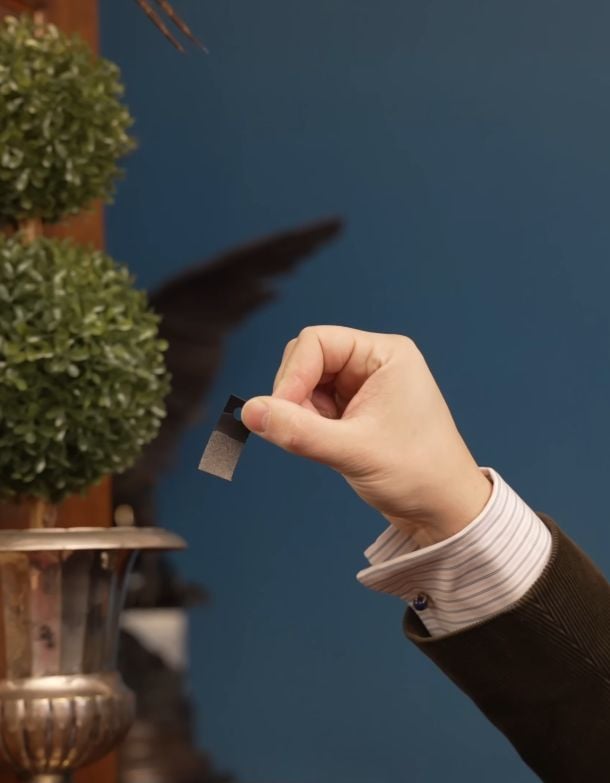
Deploying them is incredibly easy. You just place the strips in the areas where you have seen moth activity. For me, that meant putting strips all over my closet, near my taxidermy pieces, and around upholstered furniture.
According to Arbico Organics, one little tab contains about 10,000 wasp eggs and should cover about 3,000 square feet of space. I decided to take no chances. I bought six tabs—which comes out to 60,000 eggs—giving me enough coverage for 18,000 square feet.
💡 GG Expert Tip
If you have a piano in a room with moth activity, call a technician immediately. Moths love the high-quality wool felt on piano hammers. A single infestation can result in a $2,000+ repair bill—far more expensive than a few suits.
I figured it was far better to have too many wasps than too few, especially when the cost of replacing my bespoke suits and cashmere sweaters is infinitely higher than the cost of the tabs.
Long-Term Prevention: Keeping Clothes Moths Out Forever
As incredible as the parasitic wasps are, deploying them just once is not a magic bullet. Moths have different incubation periods, and depending on how large your house is and where the nests are hidden, the wasps need time to work through the entire life cycle of the infestation.
Because moth eggs hatch in stages, you need a sustained attack. At the beginning of your treatment, you have to place new strips of wasp eggs on an ongoing basis—typically every week, every 10 days, or every two weeks.
Think of the wasps as your tactical strike team—they clear the immediate threat from within. However, to ensure the ‘nightmare’ never returns, you need to transition from an active battle to a permanent defense. You need to fortify the perimeter.
How to Prevent Re-Infestation
The parasitic wasps will clear your home, but moths are opportunistic. They can hitch a ride on your overcoat after a dinner party or fly in through an open window. To ensure you never have to deal with another infestation, you must change how you maintain your wardrobe daily.
Brush Your Clothes After Every Single Wear
Most people don’t realize that moth eggs are actually quite fragile. They are loosely attached to the fibers of your wool and cashmere, rather than being “glued” on. One of the simplest and most effective ways to prevent a new infestation is to physically dislodge them before they can settle.

Before you hang a suit back in your closet after a day of wear, give it a vigorous brushing. This doesn’t just remove dust and hair—it physically destroys and removes any microscopic eggs that may have been “hitched” onto you while you were out in the world.
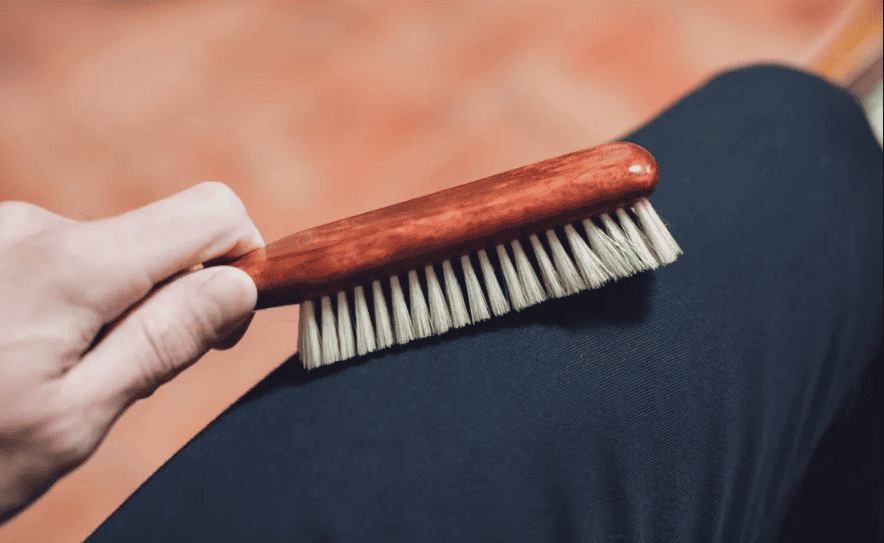
🛒 Shop the Solution
Clothes Brush
A high-quality clothes brush is your first line of defense. This brush is designed to be tough on eggs and dust while remaining gentle on delicate 120s wool and cashmere.
Swap Out Dry Cleaner Plastic for Breathable Garment Bags
If you are storing seasonal items like heavy overcoats or winter suits, you need a physical barrier. However, many men make the mistake of leaving their clothes in the thin plastic bags provided by the dry cleaner. Never do this. Plastic traps moisture and can cause fibers to degrade, smell, or yellow over time.
Instead, use high-quality, breathable garment bags. These allow the fabric to “breathe” while creating a physical mesh barrier that is too tight for a female moth to penetrate. If she can’t reach the fabric, she can’t lay her eggs.
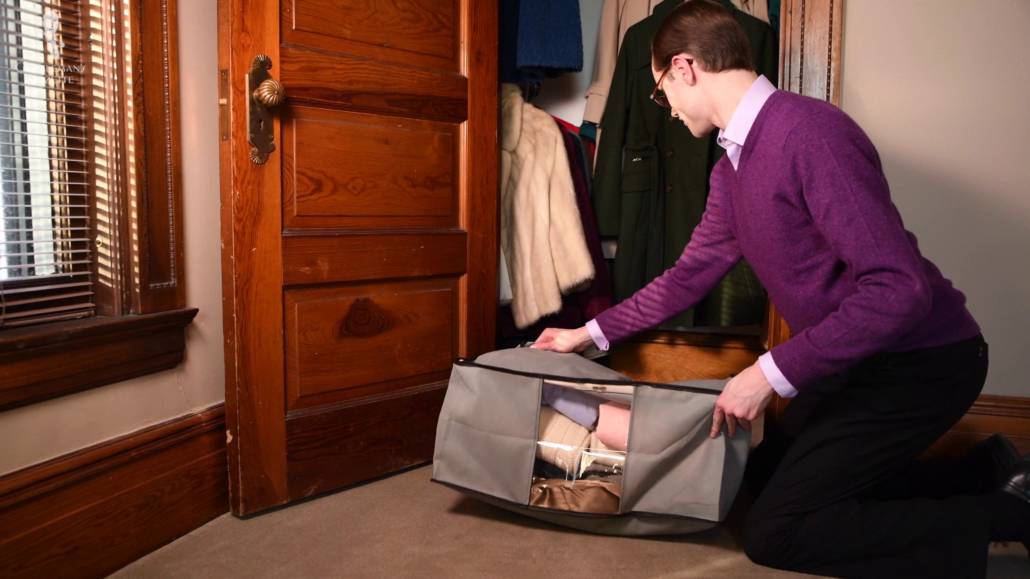
🛒 Shop the Solution
Breathable Cotton Garment Bags
Protect your investment with breathable cotton garment bags. They provide the ultimate protective seal for your bespoke pieces without the risks of plastic or cheap synthetics.
IMPORTANT NOTE:
All images featured in our “Shop the Solution” sections are proprietary assets from the Gentleman’s Gazette content library. We did not use third-party product page images there.
The “Netflix Subscription” Approach to Moth Prevention
Eventually, you will stop seeing the white larvae, the webbing, and the flying males. But listen: just because you won the battle doesn’t mean you have won the war. Moths can easily be reintroduced to your home through an open window, a secondhand rug, or a thrifted sweater.
Because of that harsh reality, I’ve decided to make biological control a permanent part of my home maintenance. Going forward, once a month, I have a new batch of these little parasitic wasps delivered right to my door just to make sure my house remains completely moth-free.

When you break down the math, it is a no-brainer. At a cost of less than a standard Netflix subscription per month, it gives me incredible peace of mind knowing that these destructive little buggers will never be able to eat through my clothes again.
It is a small price to pay to protect a wardrobe you’ve spent a lifetime building.
Protect Your Investment
Building a wardrobe full of bespoke suits, vintage tweeds, and luxurious cashmere takes years of patience and a significant financial investment. Do not let it all be reduced to a feast for invasive insects.
While the internet is full of quick-fix home remedies, the reality is that fighting a clothes moth infestation requires a strategic, scientific approach. Skip the tedious vodka sprays, the ineffective cedar blocks, and the deceptive glue traps. If you want to truly eradicate the problem and protect your garments, you have to break the life cycle at the source.
It takes a little consistency, but the payoff is a pristine collection that will last for generations.
Frequently Asked Questions
Where do clothes moths come from?
Clothes moths are usually drawn to dark, quiet areas where natural fibers, lint, dust, and organic debris accumulate. That can include closets, drawers, storage boxes, rugs, upholstery, slippers, taxidermy, felt hats, and other overlooked parts of the house. Once they are established, they are rarely confined to one shelf or one garment.
What are the most common clothes moth species?
The two most commonly discussed fabric-damaging species are the webbing clothes moth (Tineola bisselliella) and the case-bearing clothes moth (Tinea pellionella). Both are known for attacking natural fibers and causing the sort of wardrobe damage associated with clothes moth infestations.
What do clothes moth larvae actually eat?
It is the larvae, not the adult moths, that do the real damage. They feed on keratin-rich animal fibers and related organic material, which is why they are so destructive to wool, cashmere, felt, fur, feathers, and even items like shearling-lined slippers or taxidermy. Dust and human debris can make these environments even more attractive.
Do I need to wash all my clothes if I have moths?
Ideally, yes—or at least treat them. While you don’t necessarily need to put every single item through a heavy wash cycle, any garment containing animal fibers (wool, silk, cashmere) that was stored in the “Hot Zone” needs to be addressed. This is because clothes moth eggs and early-stage larvae are microscopic; you won’t see them until the hole appears.
Effective treatments include dry cleaning, laundering in water at least 120°F (49°C) for 20 to 30 minutes, or the freezing method we discussed earlier. Physical removal via vigorous brushing is also highly effective for items that cannot be washed.
Are mothballs safe or toxic?
Mothballs are registered pesticides and should be treated with extreme caution. Most contain either naphthalene or paradichlorobenzene, both of which are chemicals that turn from a solid into a toxic gas. To be effective, they must be used in airtight containers where the gas can reach a high enough concentration to kill larvae.
However, in a standard closet, these vapors often escape, meaning they are neither effective at killing moths nor safe for humans to breathe. The smell is notoriously difficult to remove from natural fibers and can cause respiratory irritation or more serious health issues with prolonged exposure.
For a modern gentleman, the risks to your health and the scent of your tailoring far outweigh the benefits.
Do cedar blocks or cedar hangers really work?
Cedar may help as a mild deterrent in some situations, but it is not enough to stop an established clothes moth infestation. Even if moths dislike the smell, that does not address the eggs and larvae already hidden elsewhere in the house. At best, cedar can play a supporting role. It should not be treated as a complete solution.
Can freezing clothes kill moths?
Yes, freezing can help kill clothes moth eggs and larvae on individual garments when done properly. It can be a very useful supporting measure for sweaters, jackets, and other valuable pieces. The limitation is that it only treats what goes into the freezer. If moths are breeding elsewhere in the house, freezing alone will not solve the wider infestation.
What is the best way to get rid of clothes moths permanently?
The most effective long-term solution is to combine cleaning and garment treatment with a method that destroys moth eggs at the source, such as parasitic wasps.
Are clothes moths dangerous to humans or pets?
No. Clothes moths (Tineola bisselliella) do not bite, sting, or carry diseases that affect humans or pets. They are entirely harmless to your health. The only thing they are dangerous to is your wallet and your wardrobe, as they exclusively feed on keratin—the protein found in animal-based fibers like wool, cashmere, silk, fur, and feathers.
References
Mallis, A. (2011). Handbook of pest control: The behavior, life history, and control of household pests (10th ed.). Mallis Handbook Company. https://books.google.com.ph/books/about/Handbook_of_Pest_Control.html?id=iHMRSgAACAAJ&redir_esc=y
O’Connor-Marer, P. J. (2006). Residential, Industrial, and Institutional Pest Control. University of California Agriculture and Natural Resources.
Potter, M. F. (2018). Clothes moths. University of Kentucky Entomology. https://entomology.mgcafe.uky.edu/ef609
University of California Statewide IPM Program (UC IPM). (2021). Pest Notes: Clothes Moths. Publication 7435. https://ipm.ucanr.edu/PMG/PESTNOTES/pn7435.html
What to Watch Next

(Fedoras, Top Hats, & More)
How to Clean and Store Men’s Hats

Which is Best for You?
We Tested $500+ of Garment Steamers

How to Remove Stains from Any Garment
I wish I knew this years go. I’ve been careless with my clothes, and lost a lot of sweaters and jackets over the years. Even when I got careful and stored items in sealed containers with mothballs, I still found some holes. And you have to deal with that mothball smell.
Regular checking too, is important. I read that moths like skin cells, certain kinds of dirt and dried food and liquids. I now wash and clean my items more often and that has cut down on the holes. Your post prompted me to order a clothes brush, something I should have done long ago. Thanks GG!
Very true, regular clothes maintenance and checking is useful. Given Raphael’s journey, we’re confident we’ve found the best solution to totally get rid of clothes moths!
I found this great fun to watch. Who knew that moths eat pianos?
Good to know the solution is not polyester.
Spraying vodka – no way.
And as a thrifty Yorkshireman, my moths are usually confined to my wallet.
PB
Very helpful video—thank you! Greetings from Greece!
Can you share the exact wasp larvae you bought? I cannot figure out which species/delivery type to choose. Thank you!
Hi John – From what I’ve heard of Raphael’s experience, Arbico Organics have a very good customer service team who will be able to best advise the right wasps for you to order.
Thank you Raphael for this well-documented offering to those of us engaged in the battle against clothes moths. I can add only two things: first, we are buying a ZapBug clothing heater box, as recommended on clothes horse and helpful gent Kirby Allison’s website. Heats contents to 130 degreesF. Second, we suspect ongoing egg laying in our bedroom wall-to-wall carpet so are moving out for two months. Meaning every item is treated, moved out. Empty bureaus, vac out shoes, remove curtains, bed, the works. Then treat carpet edges with alcohol solution and seal door frames with plastic and a ZipWall door. It’s exhausting but we’re lucky to have adult kids rooms to live in.