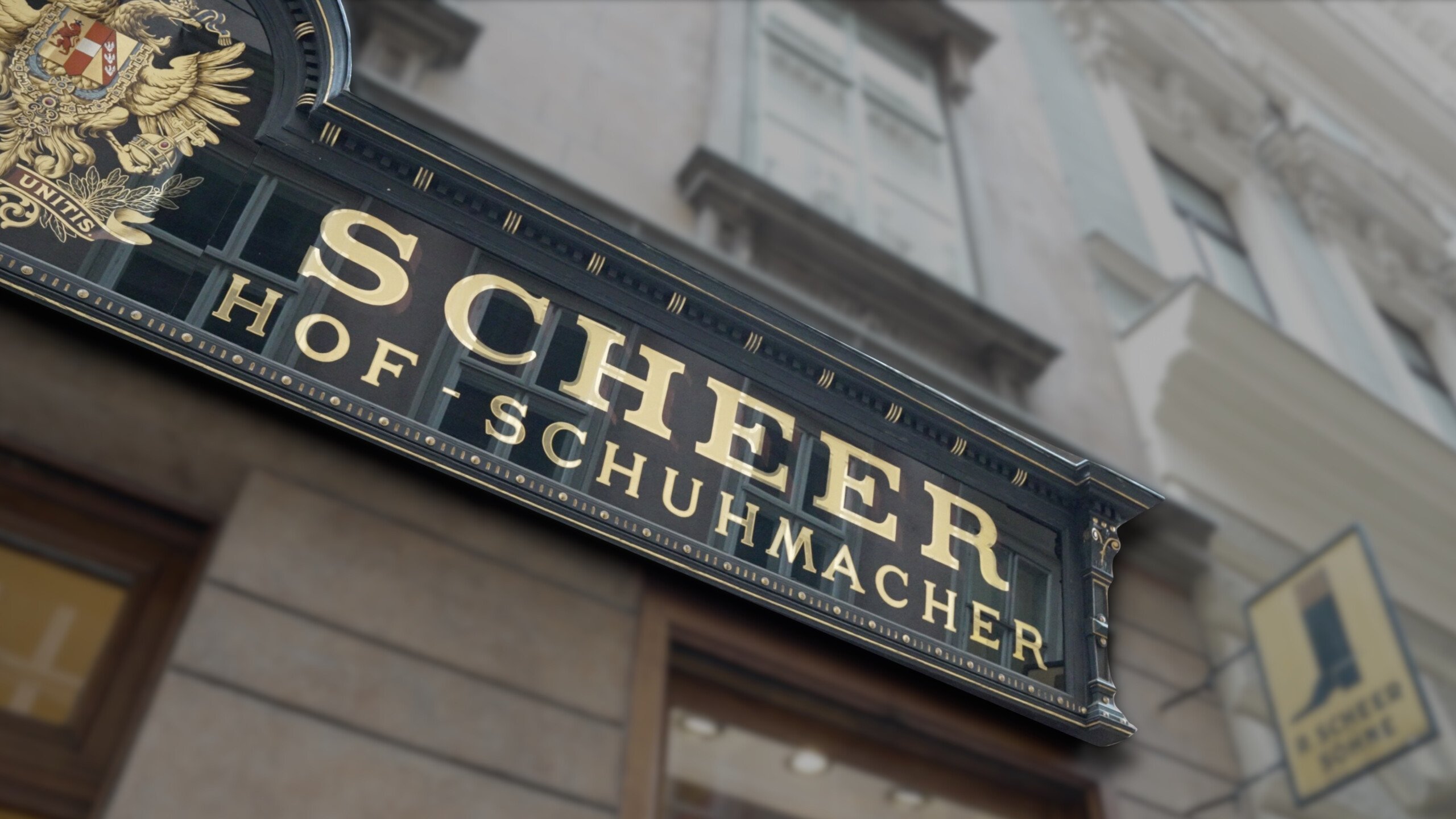
In 1816, a shoemaker’s job wasn’t just to cover feet, it was to protect the image of the Empire. Markus Scheer, a 7th-generation master shoemaker, reveals how his ancestors used optical illusions for an Emperor. In this exclusive interview, we explore the 11,000-square-foot atelier that creates some of the most exclusive shoes in the world.

“You are the customer, we are the producer. That’s why there is no logo on the outside.”
Markus Scheer (7th Generation Master)
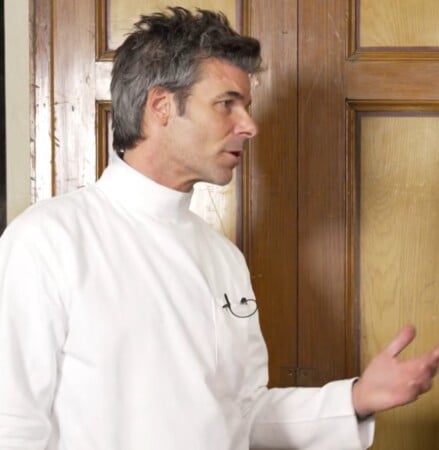
Inside the World’s Most Exclusive Shoemaker
Touring the Scheer & Söhne Atelier
Sven Raphael Schneider travels to Vienna to visit the legendary atelier of Rudolf Scheer & Söhne, a former Imperial and Royal Court Purveyor. He sits down with Markus Scheer, the 7th-generation owner, to tour the expansive workshop, which spans three floors and includes a hidden underground museum filled with over 200 years of history.
Experience 200 years of craftsmanship up close.
Why Bespoke Shoemaking is an Art Form
This video reveals the extreme lengths true artisans go to for perfection, from re-engineering sewing machines to stitch “bone-hard” stingray leather to operating in strict “concentration blocks” to maintain focus. You will learn why Scheer refuses to use logos and how they used optical illusions to “cheat” the fit of the Emperor’s shoes, ensuring the monarch always appeared powerful and dignified.
“[It’s] just beautiful that you kept all of this. You have this rich archive and customers can come here and soak it up and think about what they want for their journey with you.”
Sven Raphael Schneider, CEO & Founder of Gentleman's Gazette
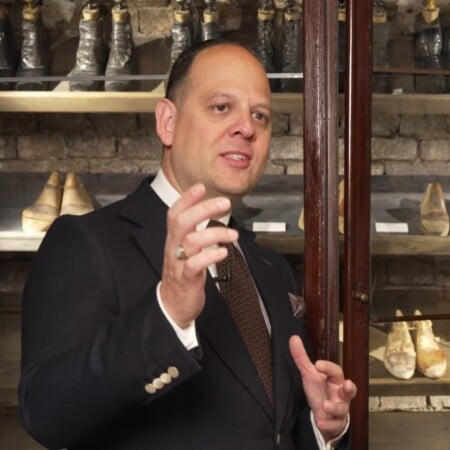
Highlights of the Video
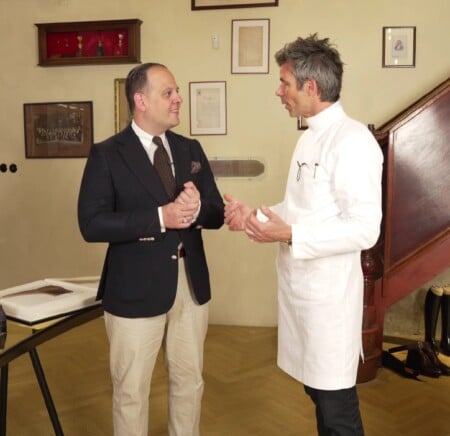
“You can make him slower by building the right shoes”
Markus reveals exactly how the shoemaker “cheated” for the monarchy.
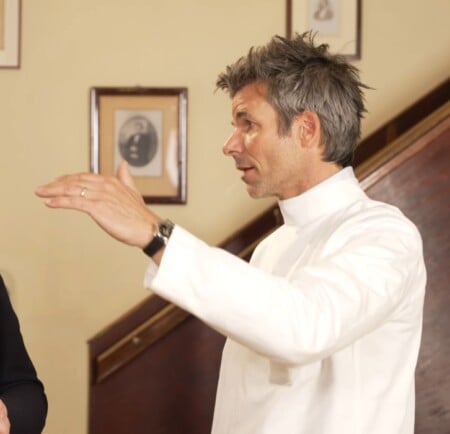
“The highest instep is reserved for the emperor and that's the rule”
In the days of the Austrian Empire, shoe design was dictated by rank.
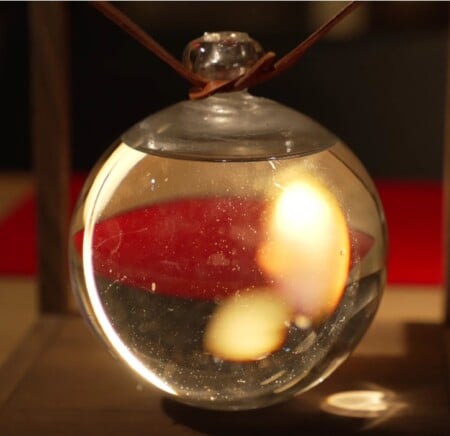
“I always tell when we bring young people down here, we say "It's career on the light.”…
He explains the workshop hierarchy was defined by this tool. What could possible it be?
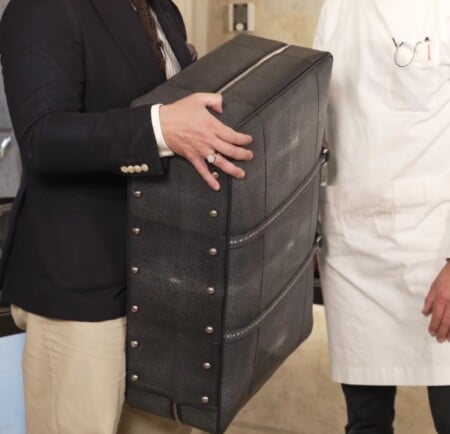
“Needle breaks immediately.”
Markus shows a bespoke suitcase made of stingray skin, a calcium-rich material that is “almost like bone”.
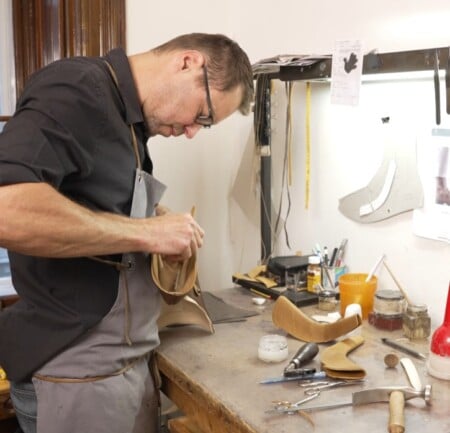
“It's a philosophy we had over 200 years to have these concentration blocks”
To maintain perfection in a modern world, the workshop operates on a strict schedule.
Ask the Expert
Why are there no logos on Scheer shoes?
In an era of brand obsession, Markus Scheer explains that a true bespoke product is about the client, not the maker. “You are the customer, we are the producer,” he says. For 200 years, the house has refused to stamp a logo on the exterior of their shoes, believing that the quality of the fit should be the only signature needed.
What is the “Wellness Service”?
Scheer rejects the modern “throwaway culture.” Instead of replacing old items, they offer a “Wellness Service” for any leather good—whether it’s a Scheer shoe or a grandfather’s vintage briefcase. Markus views leather as a material with an “aura” that must be preserved, repaired, and nourished rather than discarded.
Why do you still use antique sewing machines?
The atelier relies on vintage Singer sewing machines not out of nostalgia, but necessity. Markus explains that these mechanical tools allow for a specific “rhythm” that modern electric machines cannot replicate. “If something is interrupted in the system… the rhythm gets apart,” he says, noting that the best products are born from a perfect, uninterrupted rhythm.
“It’s a philosophy we had over 200 years to have these concentration blocks…especially modern life with modern people.”
Markus Scheer (7th Generation Master)
What to Watch Next
Unicum Wien: Bespoke Upcycling in Vienna
See how vintage gymnastics mats, parachutes, and naval searchlights are transformed into luxury bags and functional art in this unique Viennese workshop tour.
Ludwig Reiter Factory Tour
Take a full tour inside Austria’s only remaining Goodyear-welted shoe factory to see the complete 200-step production process.
Estoras Fragrance & The Esterházy Legacy
Prince Paul-Anton Esterházy reveals the story of his grandfather’s 1926 expedition across the Sahara and how it inspired the creation of a modern perfume house.