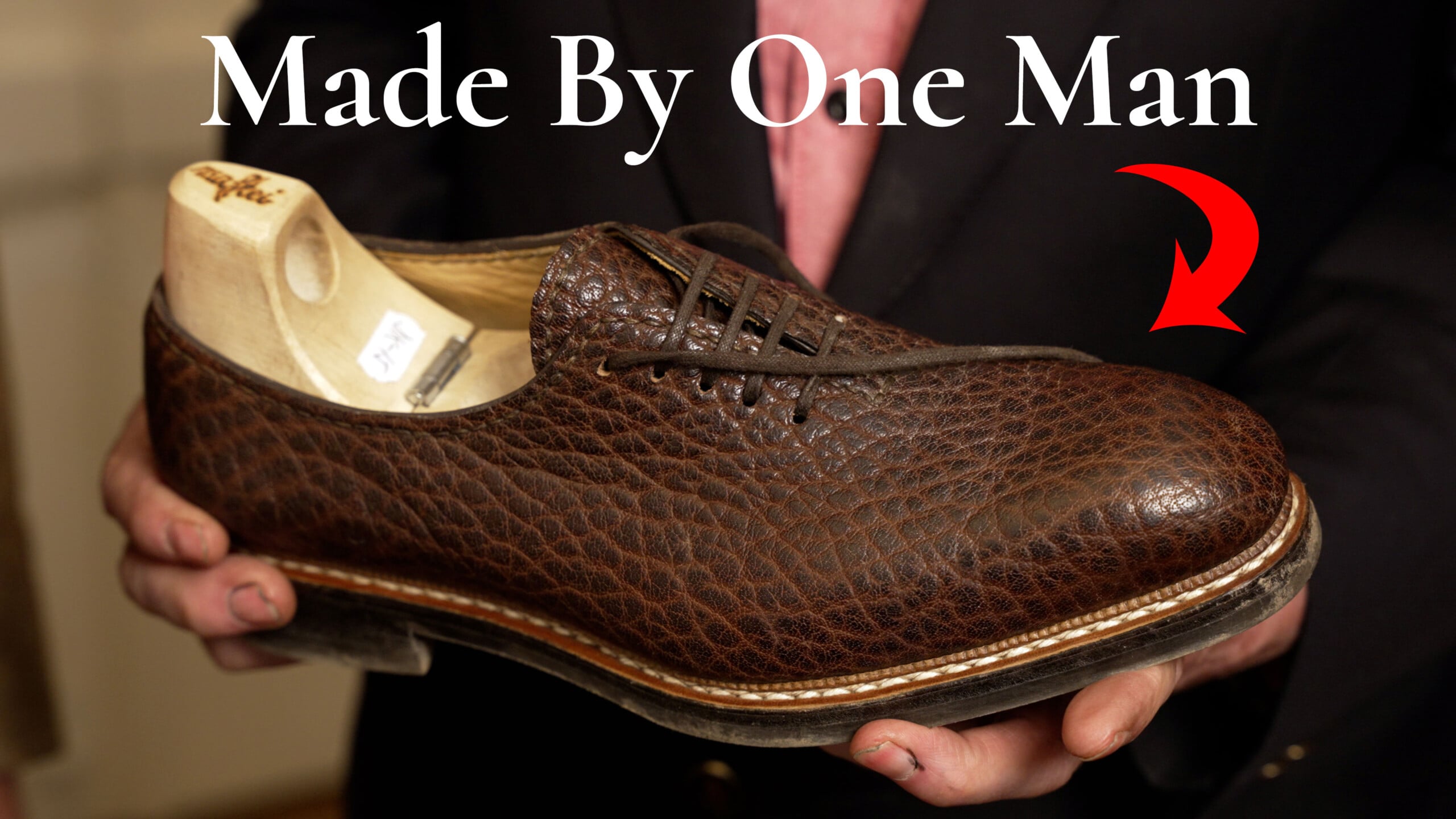
Raphael journeys to Vienna to commission a pair of shoes from Alexandru Maftei, the master of the “wood-pegged” waist and one of Europe’s most prolific bespoke legends.
51 Minutes of Bespoke Craftsmanship
While the conversation in this guide is in German to capture the authentic spirit of the atelier, this video provides the essential English translation and technical breakdown for our global audience.

“Yes, at Scheer it was very good, a very good job, very calm… but I wanted to do something else.”
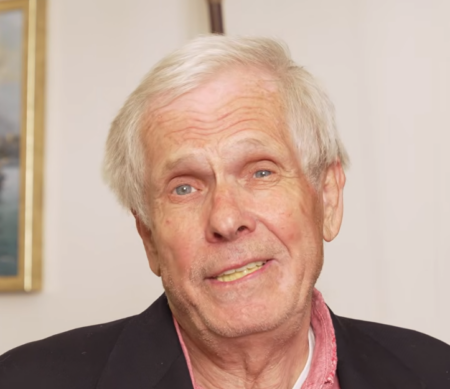
Alexandru Maftei, MAFTEI VIENNA
Maftei Bespoke Shoemaking: Frequently Asked Questions
Who is Alexandru Maftei?
Alexandru Maftei is a legendary Viennese master shoemaker known for operating one of the largest and most respected bespoke shoe ateliers in Europe. Originally from Romania, the Maftei family has preserved traditional Austro-Hungarian shoemaking techniques for generations, blending artistic flair with architectural precision.
What makes Maftei bespoke shoes unique?
The hallmark of a Maftei shoe is the wood-pegged waist. Unlike modern machine-made shoes, Maftei uses tiny wooden pegs to secure the sole at the waist. This allows for an incredibly narrow, elegant “fiddleback” silhouette that is physically impossible to achieve with standard Goodyear welting.
How long does the bespoke process take?
For a first-time client, the process usually takes 6 to 9 months. This includes the initial measurement, the carving of your custom lasts, a “trial shoe” fitting to ensure perfect comfort, and the final hand-finishing of the leather. Subsequent pairs are typically faster once your personal last is on file in the Vienna atelier.
Can I commission Maftei shoes if I don’t live in Vienna?
Yes. Alexandru and his son Lucian Maftei frequently conduct “trunk shows” in major cities across Europe and occasionally in the United States. During these events, you can be professionally measured and choose your styles in person without traveling to their main atelier in Vienna.
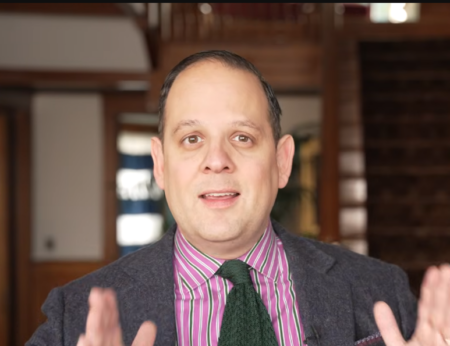
“But it is very rare today that you, your son, your brother, and your nephew are all bespoke shoemakers.”
Sven Raphael Schneider, Owner and CEO of Gentleman's Gazette
Follow MAFTEI on Instagram
More from Our Vienna Series
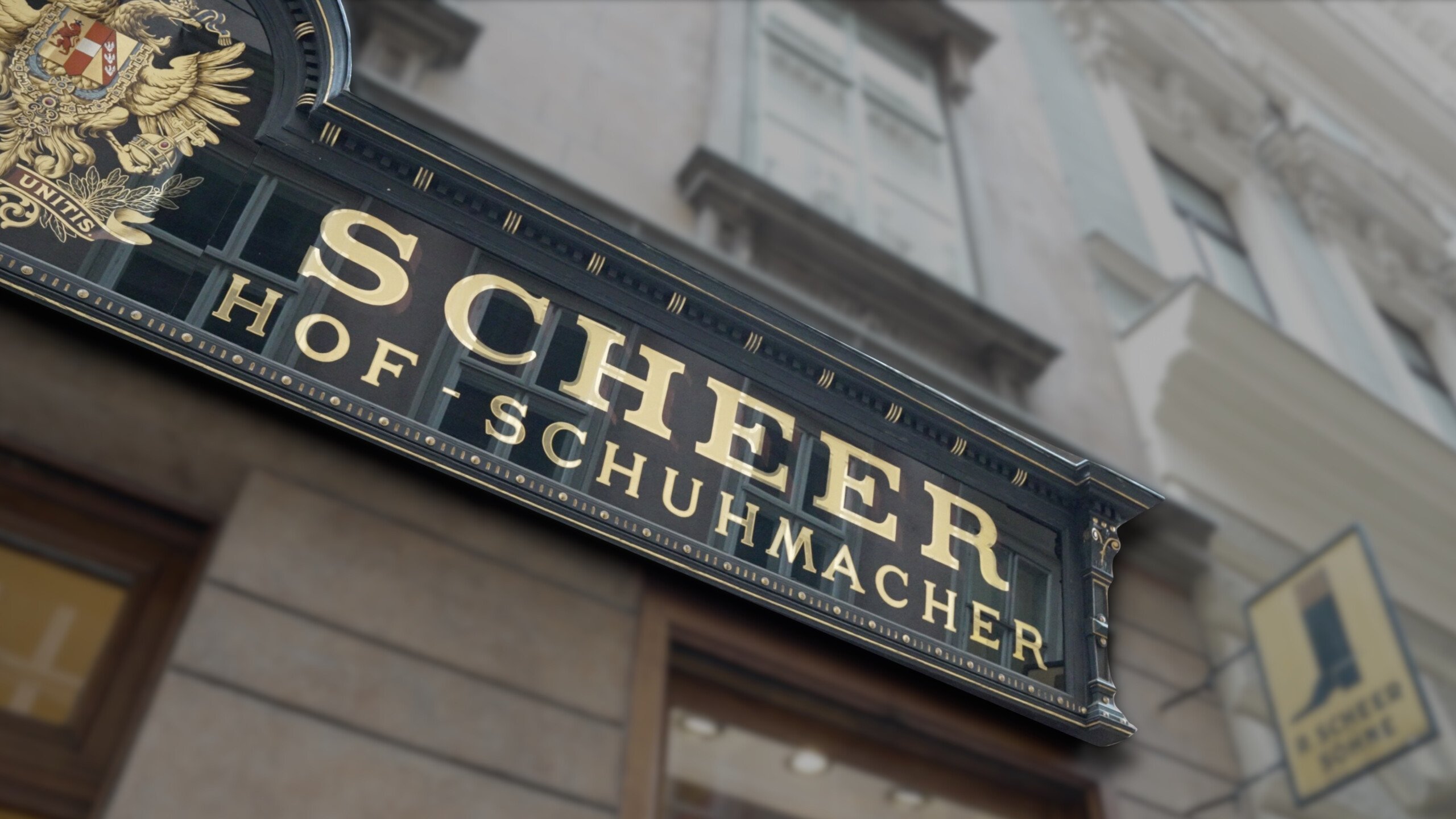
200 Years Of Bespoke History
Inside Rudolf Scheer & Söhne
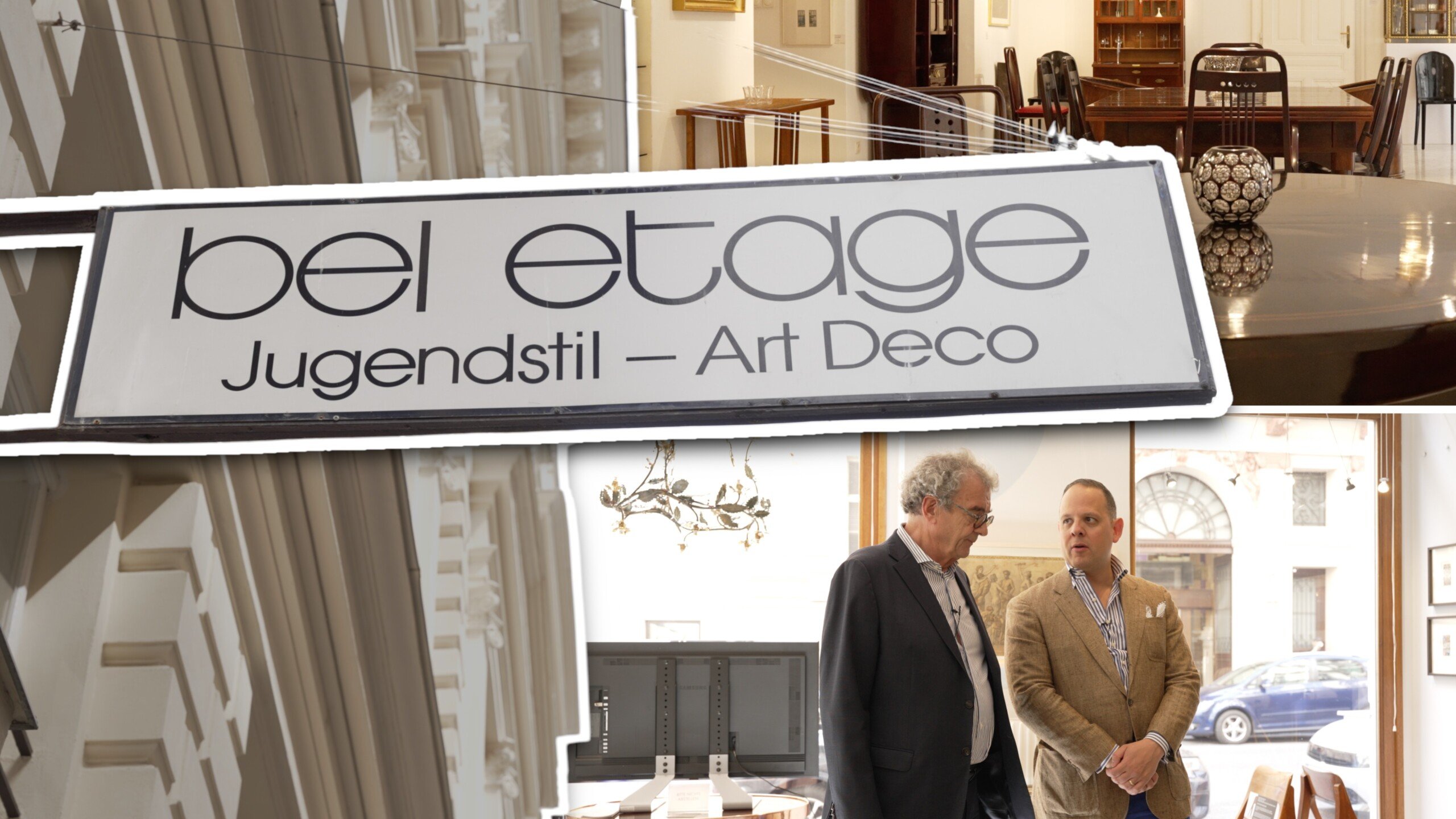
Bel Etage Vienna
A Collector’s Paradise for Art Nouveau & Art Deco
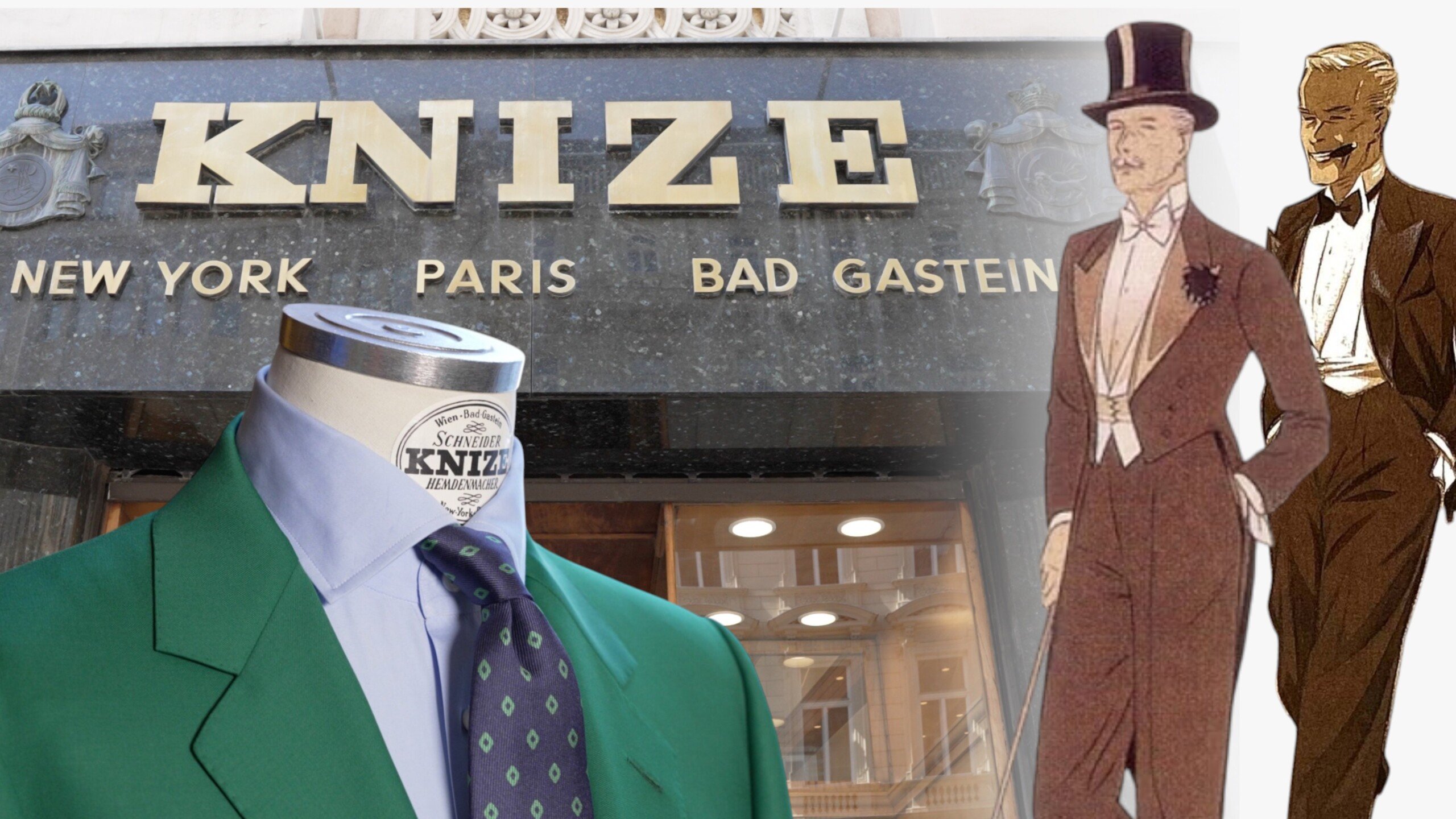
Kniže & Co
A First-Hand Look at Vienna’s Most Storied Tailor
Wonderful/toll! Was interesting to hear occasional English terms with the German, and the Bavarian “GruB Gott” mixed with the Austrian “Gruetzi”. (sind Sie Bayerner?) Vielleicht werde ich eines tages so etwas kaufen koennen…
Bert, here’s my Austrian attempt at sorting the greetings for you:
“Gruezi” is fully Swiss German, no doubt, not used anywhere in Austria or Germany.
“Grüß Gott” is not strictly Bavarian, but generally used south of the “Weißwurst Equator” i.e. Southern Germany to a degree but much more popular in Austria, particularly in the countryside.
You might also hear a “Grüß Sie” (which I guess was what you mistook for the “Gruetzi” you write about. This is a modern, less religious variation of “Grüß Gott” and is becoming more popular in cities.
In Vienna (where I’m from) we are still upholding the traditional “Servus” in less formal settings, a latin greeting we still share with some former Austro-Hungarian territories – I’ve heard it in Cracow, Prague and Budapest -, but funny enough very rarely in other parts of Austria or Germany.