
Pilling is an unfortunate reality for even the finest knitwear. These small, unsightly bobbles that are essentially “tumbleweeds” of loose fibers occur naturally through friction and wear. However, a pilled sweater is not a ruined one.
- The Gold Standard: The Electric Fabric Shaver
- The Best Budget Alternative: The Nail File
- Grooming Tools: Razors and Electric Shavers
- The Mediocre Performers
- Pilling Removal Methods to Avoid
- Summary Table: Pilling Removal Methods Ranked
- The Golden Rule of Knitwear Maintenance
- Frequently Asked Questions
- What to Watch Next
To find the most effective restoration method, we tested nine common household and specialized tools on a 100% wool sweater. Here is the definitive ranking based on cost, efficiency, and safety.

The Gold Standard: The Electric Fabric Shaver
If you are serious about maintaining a dapper wardrobe, the electric fabric shaver (or de-fuzzer) is an essential investment.
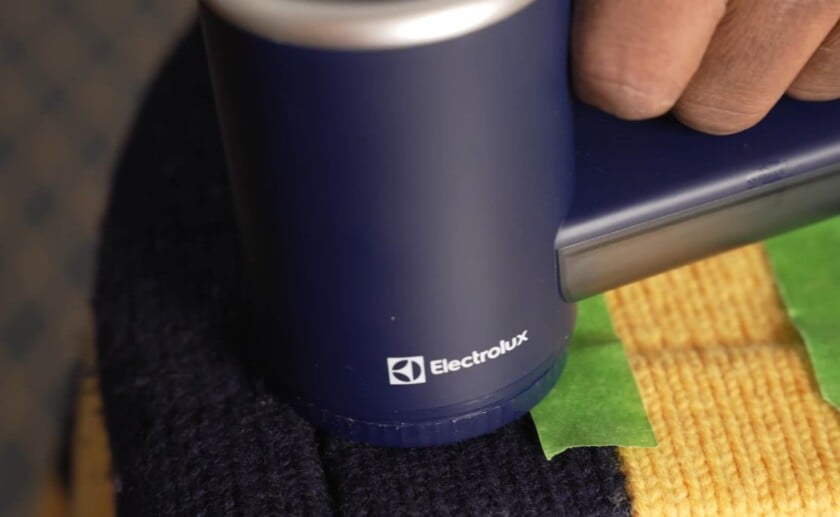
It is arguably the most efficient and safest way to return your knitwear to its former glory.
- Why it works: The rotating blades are protected by a guard, allowing you to glide over the fabric with slight pressure without the risk of cutting the structural fibers.
- Result: A nearly immediate, professional-grade difference.
- Verdict: 10/10
- Buy it here
The Best Budget Alternative: The Nail File
Surprisingly, a simple emery board or nail file outperformed many specialized tools.
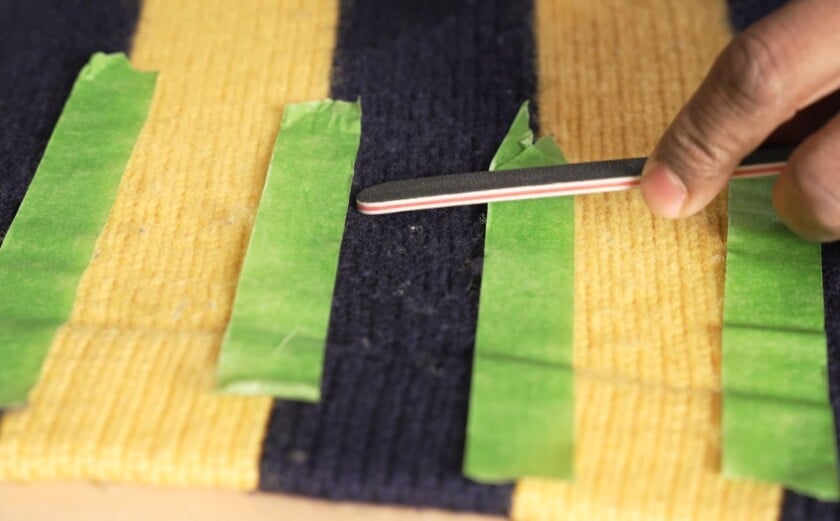
- Why it works: The abrasive surface catches the pills and pulls them away cleanly when used in a gentle, sweeping motion.
- Pros: Extremely inexpensive, easy to control, and highly effective for localized pilling.
- Verdict: 10/10
- Buy it here
Build a Sustainable Wardrobe
Grooming Tools: Razors and Electric Shavers
If you don’t have specialized equipment, your grooming kit can serve as a temporary substitute, though caution is required.
- Philips S9000 Prestige Electric Facial Shaver: Surprisingly efficient and quick. However, be wary of fiber buildup inside the mechanism. (8/10)
- Disposable Razor: Very effective at “shaving” away loose fibers. The risk, however, is high; one wrong move can result in a permanent hole in your garment. Use only with a very steady hand. (8/10)
The Mediocre Performers
These tools are safe but lack the efficiency required for a heavily pilled garment.
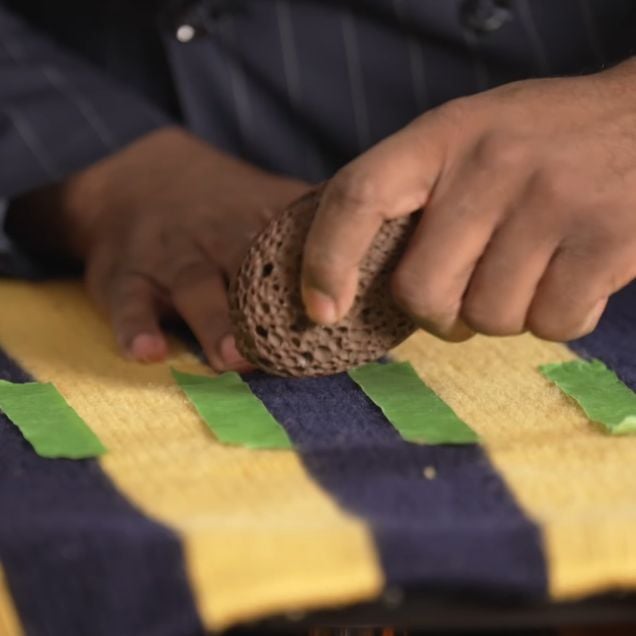
Pumice Stone
A classic method that works reasonably well, falling somewhere between a nail file and sandpaper in terms of abrasiveness. It’s effective but can be messy. (6/10)
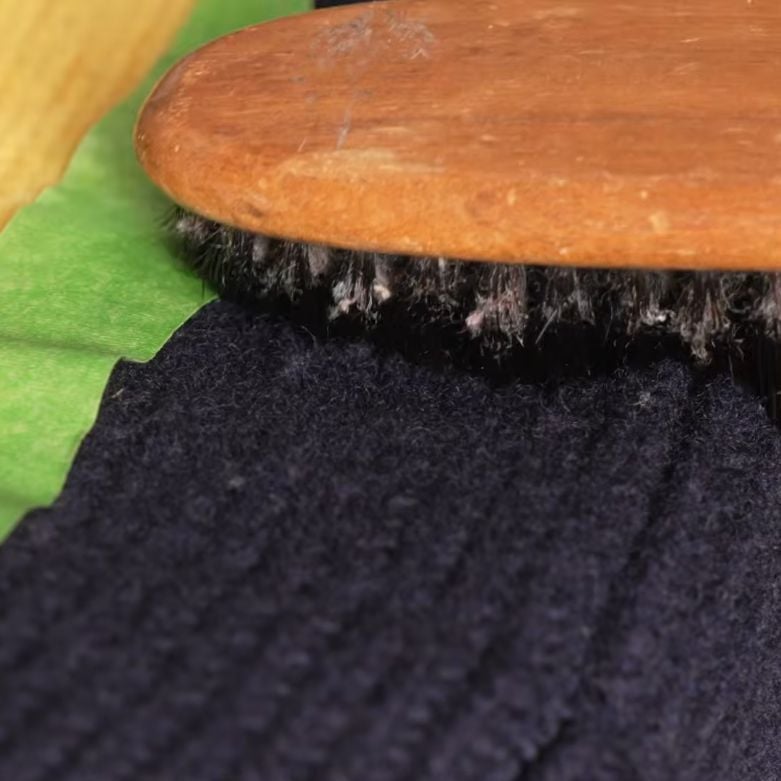
Clothes Brush
While excellent for aligning fibers and general maintenance, it lacks the “bite” necessary to remove established pills. (5/10)
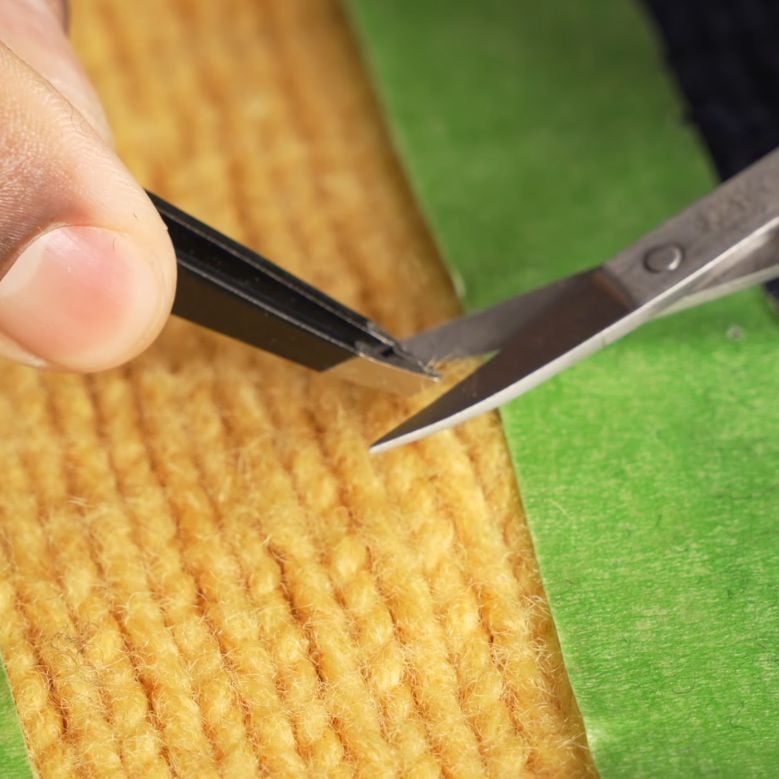
Tweezers and Nail Scissors
Perfectly safe for removing one or two specific bobbles, but practically useless for a whole sweater due to the time required. (3/10)
Pilling Removal Methods to Avoid
Not every household hack is worth your time or the risk to your woolens.
- Lint Roller & Tape: While easy to use, these only pick up the loosest surface debris. They do not have the strength to detach pills from the sweater. (2/10)
- Sandpaper: This was the least favorite method tested. It is difficult to handle with the necessary gentle pressure, and the risk of damaging the garment’s construction is far too high for the mediocre results it provides. (1/10)
Why You Should Iron Your Own Clothes
Summary Table: Pilling Removal Methods Ranked
| Method | Score | Efficiency | Safety | Verdict |
|---|---|---|---|---|
| Electric Fabric Shaver | 10/10 | High | High | The professional choice. |
| Nail File | 10/10 | High | High | The ultimate budget hack. |
| Electric Facial Shaver | 8/10 | Medium-High | Medium | Fast, but watch for fiber clog. |
| Manual Razor | 8/10 | High | Low | Effective but high-risk. |
| Pumice Stone | 6/10 | Medium | Medium | Reliable but slightly messy. |
| Clothes Brush | 5/10 | Low | High | Best for maintenance, not repair. |
| Tweezers & Scissors | 3/10 | Very Low | High | Only for “surgical” spot-fixes. |
| Lint Roller / Tape | 2/10 | Very Low | High | Only catches loose surface fuzz. |
| Sandpaper | 1/10 | Low | Very Low | Avoid. High risk of damage. |
For more on preserving your investment pieces, see our full guide on sweater care and storage.
The Golden Rule of Knitwear Maintenance
While pilling is an inevitable consequence of wearing high-quality natural fibers, it needn’t be the end of your favorite garment’s lifespan. As we have seen, the right tool can restore a tired sweater to its former glory in mere minutes.
However, remember that the most gentlemanly approach to style is always proactive. To minimize future pilling, we recommend washing your knitwear inside out, using a gentle wool detergent, and avoiding excessive friction during wear.
I’m curious to learn how you maintain your knitwear. Do you have a favorite de-pilling method that we didn’t cover today, or perhaps a “horror story” involving a manual razor?
Let us know in the comments below.
Frequently Asked Questions
What is fabric pilling?
Fabric pilling occurs when small, fuzzy balls of fiber form on the surface of a garment. This is common in clothes made from wool, cotton, polyester, and blends.
How can I prevent pilling on my clothes?
Choose the Right Fabrics: Opt for tightly woven fabrics. Natural fibers like silk or linen pill less than synthetic blends.
Wash with Care: Turn garments inside out before washing. Use a gentle cycle and cold water to reduce friction.
Avoid Overloading the Washer: Give clothes space to move freely, reducing abrasion.
Air Dry When Possible: Tumble drying increases friction, leading to pilling.
Are there any fabrics that are more resistant to pilling?
Yes, fabrics like silk, linen, and high-quality wool are less prone to pilling. Look for tightly woven materials and those labeled as “anti-pill.”
Can pilling be completely avoided?
While it’s difficult to completely avoid pilling, following the preventive measures above can significantly reduce its occurrence. Regular maintenance and care are key.
How do I remove pilling from my clothes?
Use a Fabric Shaver: Gently glide it over the fabric to remove pills.
Try a Pumice Stone: Lightly rub the stone over the fabric to lift pills.
Use a Lint Roller: For light pilling, a lint roller can pick up loose fibers.
Scissors for Stubborn Pills: Carefully snip off larger pills with small scissors.
What to Watch Next

Iron vs. Steamer
Which is Best for Your Menswear Wardrobe?

Here’s the Secret to Keeping Your White Shirts…White!

How to Keep Clothes Looking Good
9 Dry Cleaning Hacks
I use a sweater comb, sold by The Laundress. It consists of curved pieces of wire mesh embedded in a wooden body. It removes pills pretty easily. The big problem with it is that the edges of the wire mesh pieces are somewhat sharp and can stick in the knitted material.
Hi Miles – I agree, I’ve tried these sweater combs before but have run into issues with the edges of the wire mesh. My personal choice for de-pilling is the nail file.
Greetings,
Many thanks for a rare story that is actually useful!
Amidst the shower of articles promoting overpriced Fort Belvedere’s fey accessories, you have offered valuable advice.
As a “Gentleman’s Gazette” correspondent of long-standing, I sincerely appreciated this entry.
With every best wish for future success.
Sincerely,
Andrew Gregg,
Palm Springs, CA,
Hi Andrew, pleased to hear you enjoyed the article. We stand by the quality and unique design of our luxury goods at Fort Belvedere, made by passionate people for passionate people. Of course, we also respect that not everything is going to be to everyone’s tastes, and that’s okay. We’re glad to hear you still find use in our editorials. Best wishes – Jack