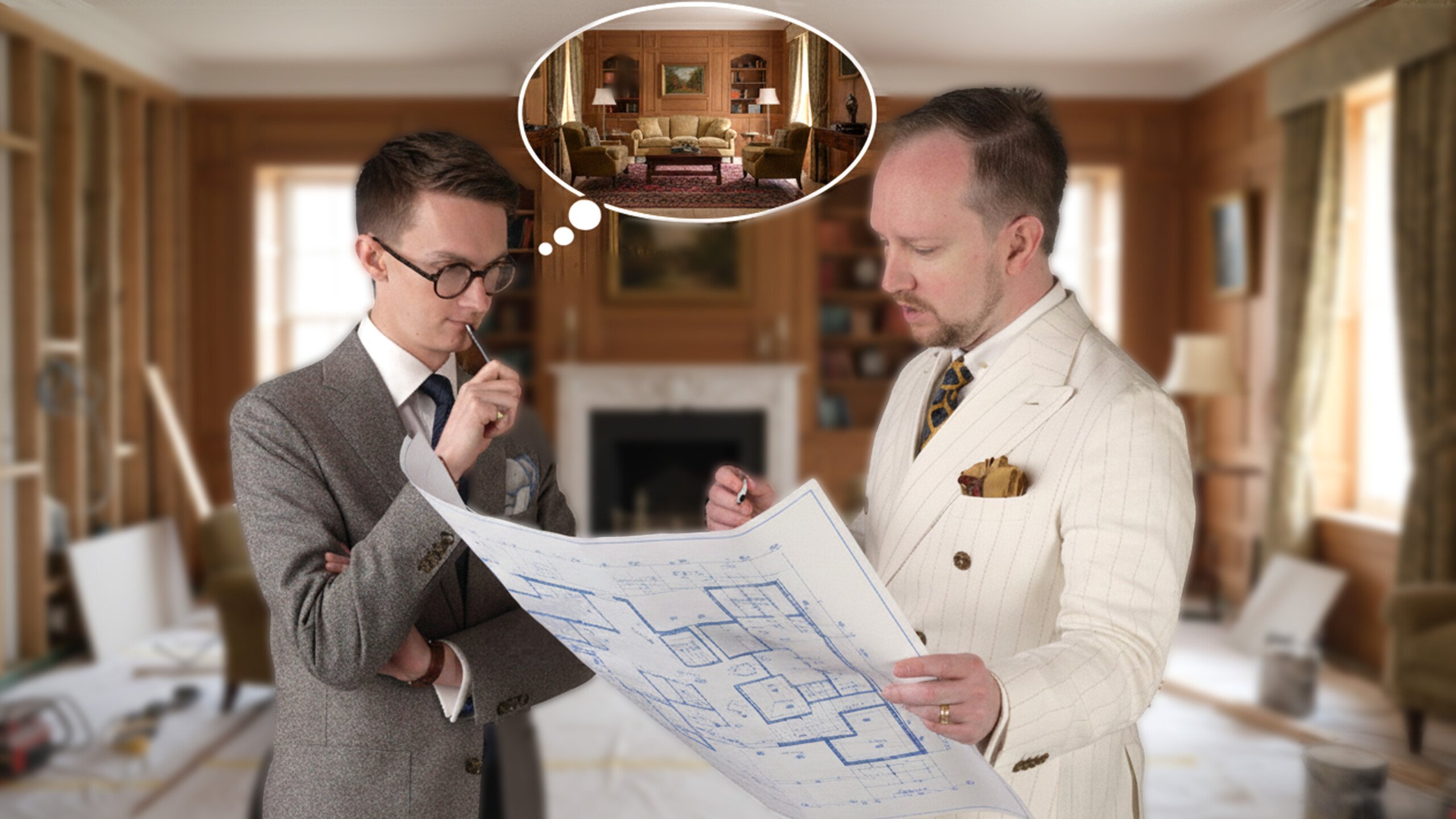
A gentleman’s sense of style doesn’t stop at his wardrobe. Just as he chooses his clothes with care, he often brings the same discerning eye to his home.
In this guide, we explore five interior design styles with a classically masculine edge, spaces that reflect the same qualities we admire in classic menswear: strength, simplicity, and sophistication.

What Defines a Masculine Interior?
We define “classically masculine interiors” by their visual and functional qualities that create an impression of stability and refinement. Strong lines, symmetry, durable materials, and timeless elegance all play a role.
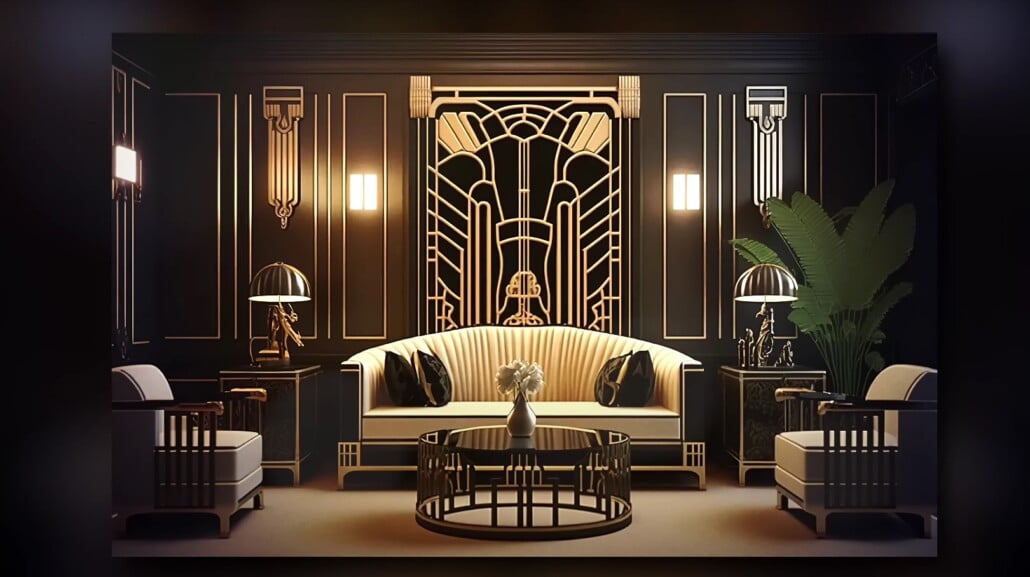
1. Art Deco
Art Deco rose to prominence in the 1910s–1930s, shaping everything from skyscrapers to cinema sets. You’ll recognize it in films like Metropolis or The Great Gatsby.
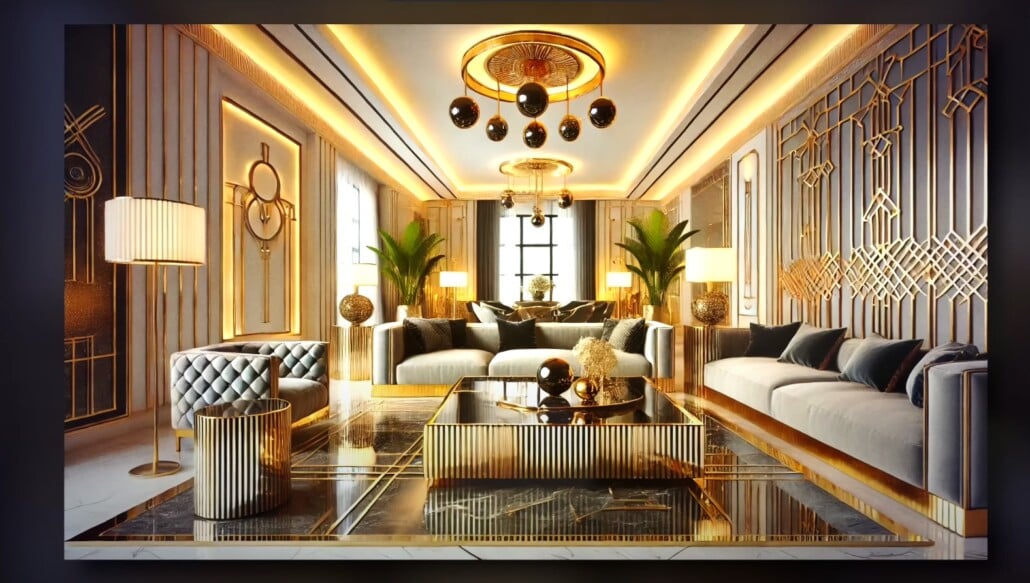
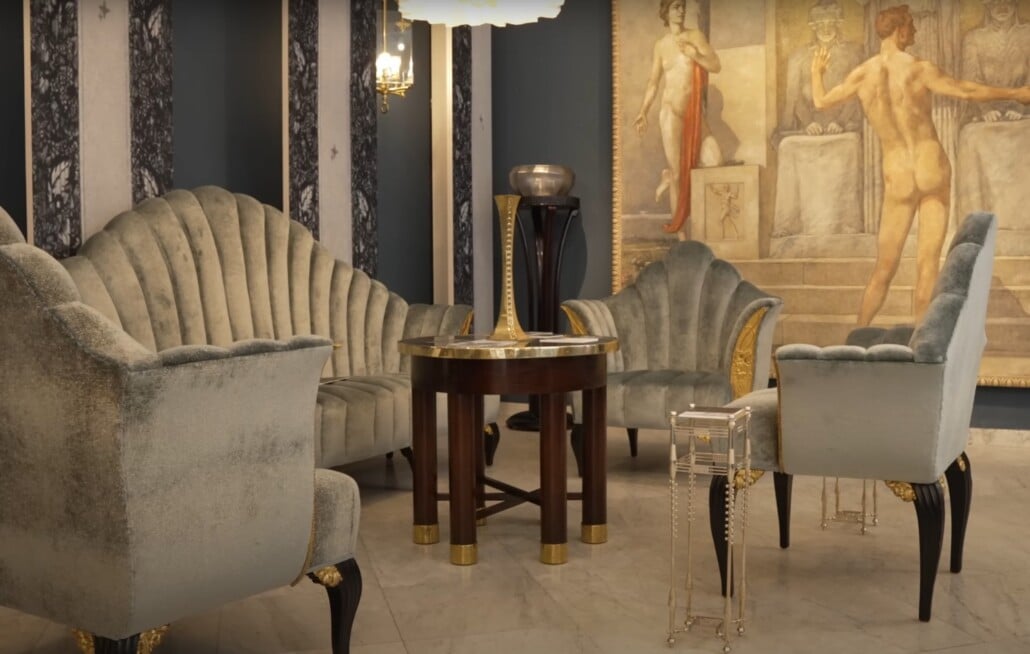
Key elements:
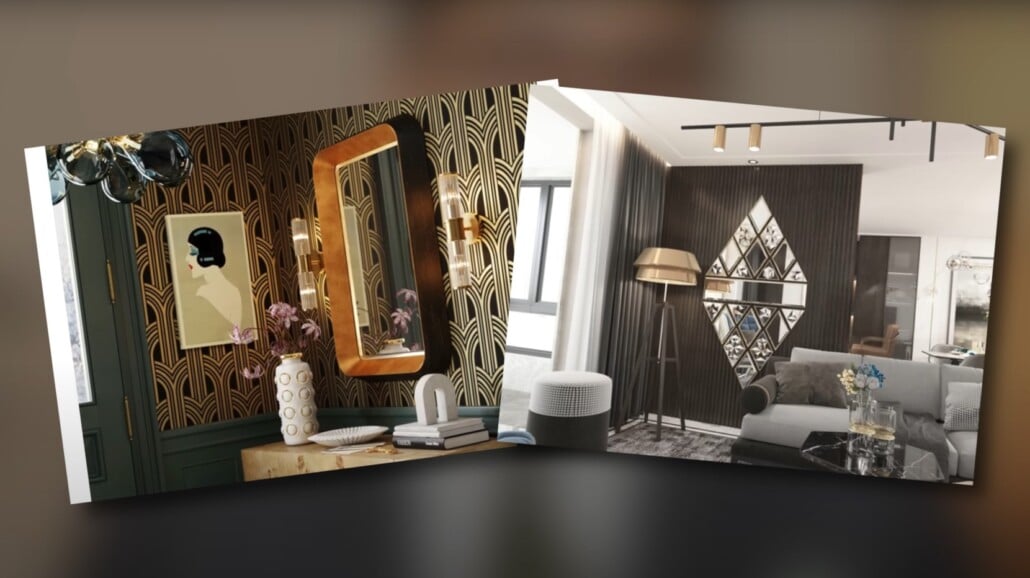
- Bold geometric shapes and symmetry
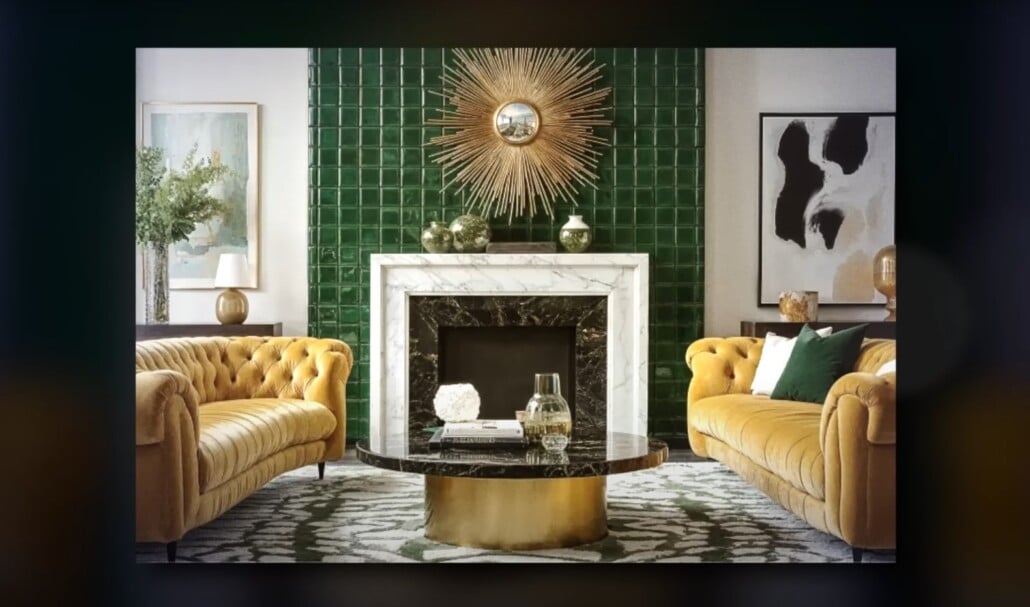
- Rich colors: bottle green, deep red, black, white, gold accents
- Luxurious finishes: marble, herringbone parquet, velvet, leather, exotic skins
- Statement lighting fixtures and mirrored surfaces
The result is a style that balances drama with discipline, making it a natural fit for a masculine interior.
What treasures does Wolfgang Bauer’s collection hold?
2. Industrial
Inspired by 18th-century warehouses and repurposed lofts, industrial design has a rugged, utilitarian appeal. You’ll see it in films like Inception or John Wick.
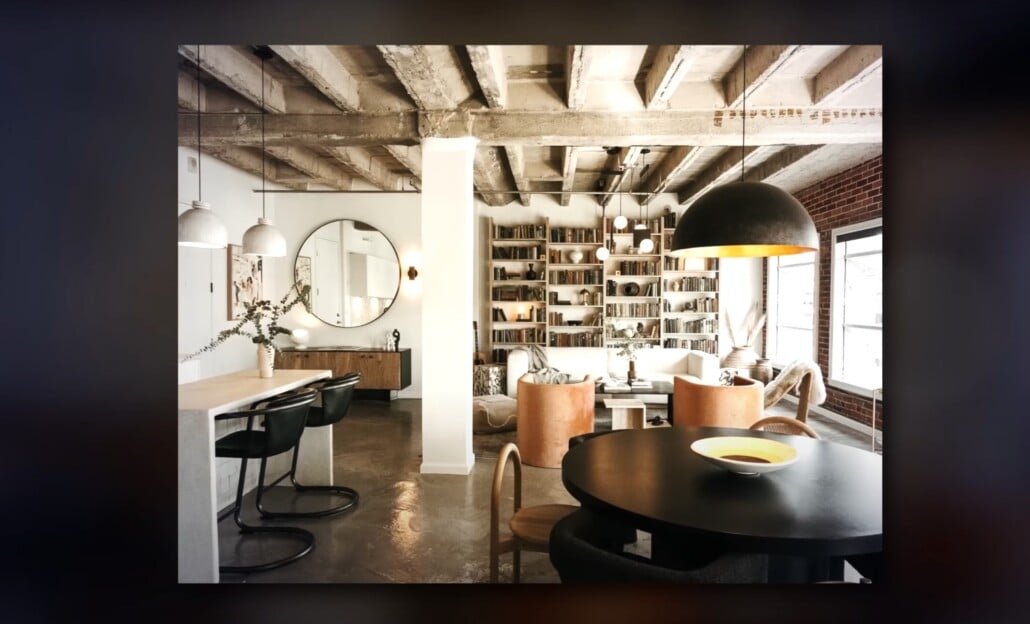
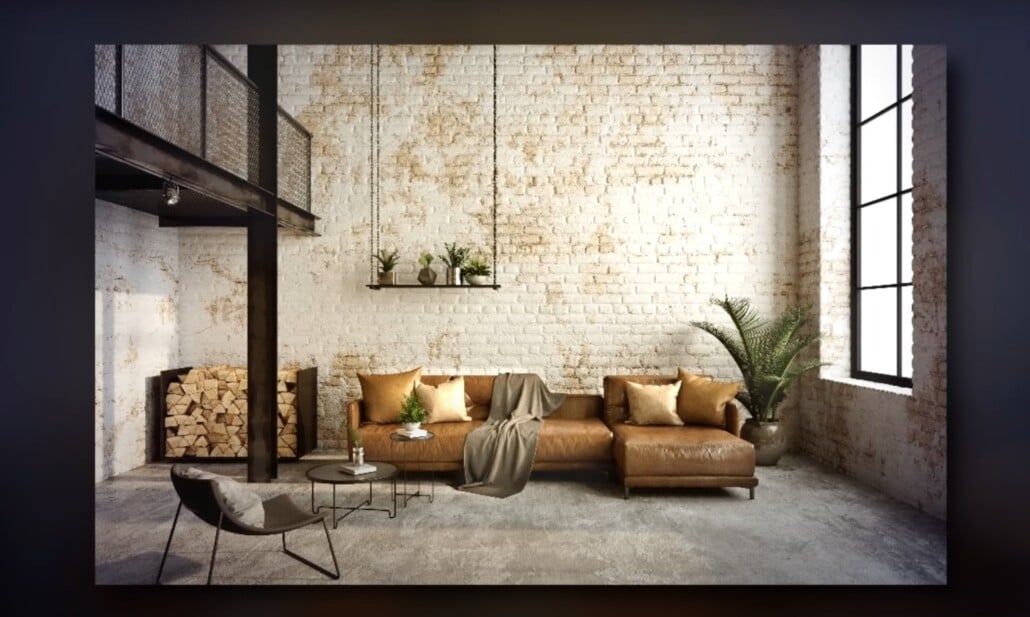
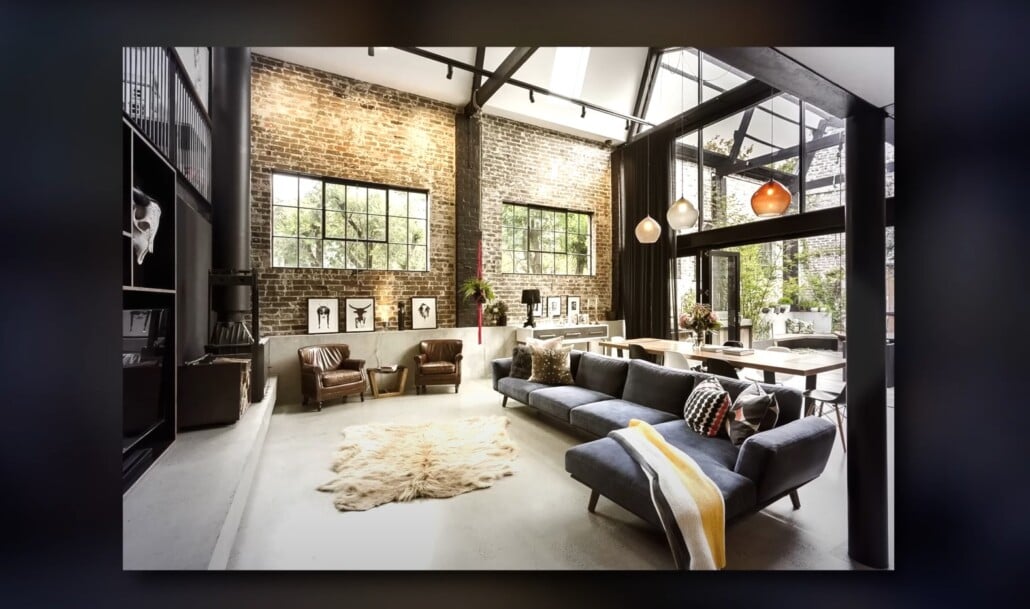
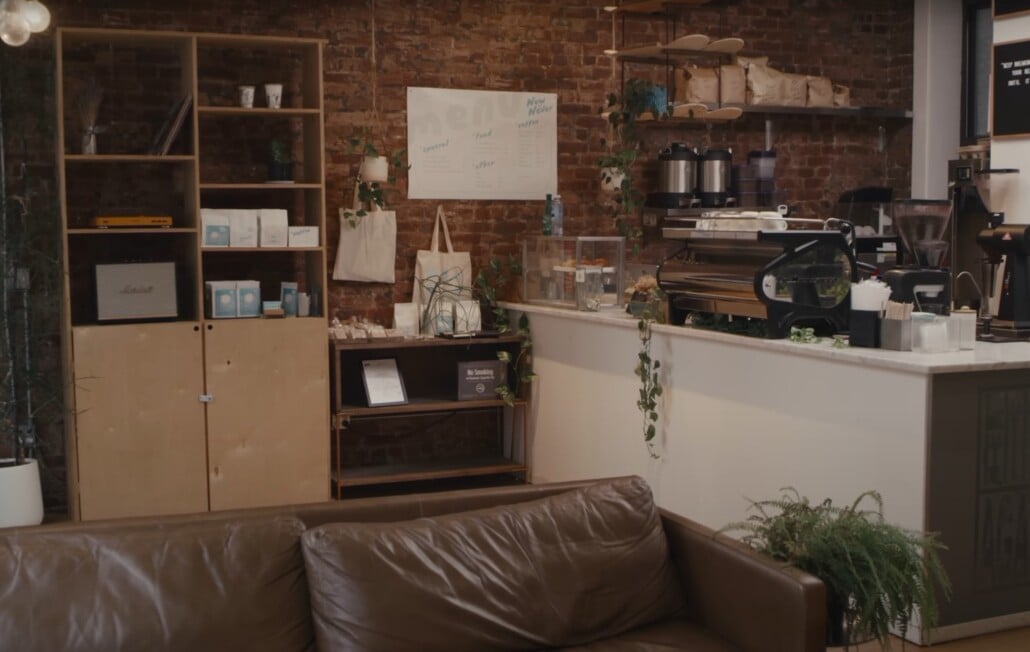
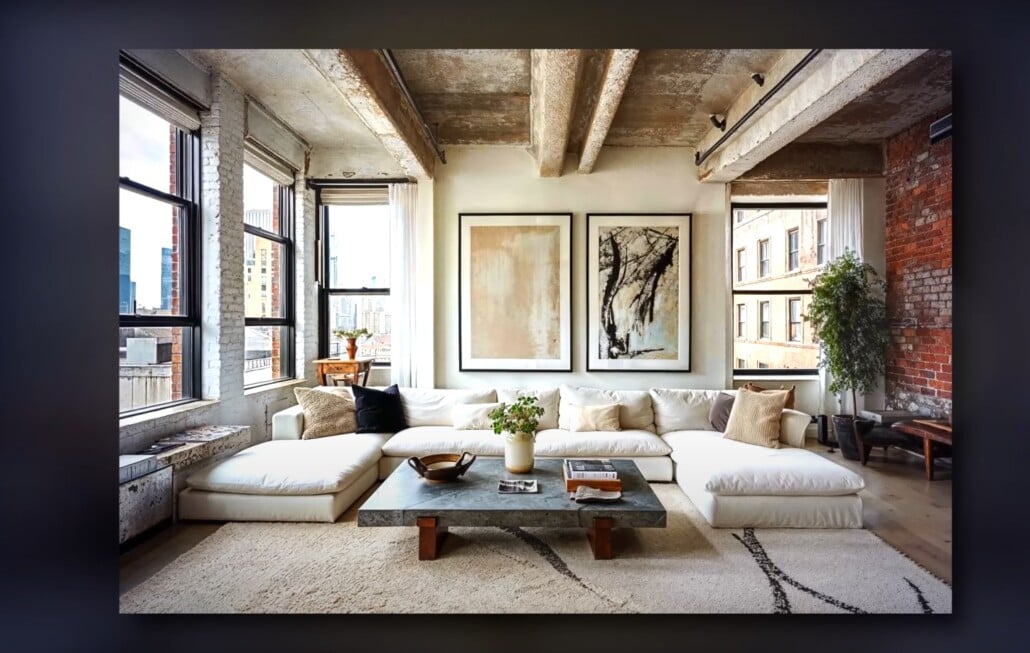
Key elements:
- Exposed brick, steel, and concrete
- Open layouts with high ceilings and large windows
- Raw textures balanced with polished finishes
- Reclaimed wood and stripped-down lighting, like Edison bulbs
Its masculine character comes from grit and honesty, with materials left unpolished to showcase their strength.
3. Rustic
Rustic interiors draw from nature and handcrafted tradition. Think hunting lodges, mountain cabins, or the quintessential man cave.
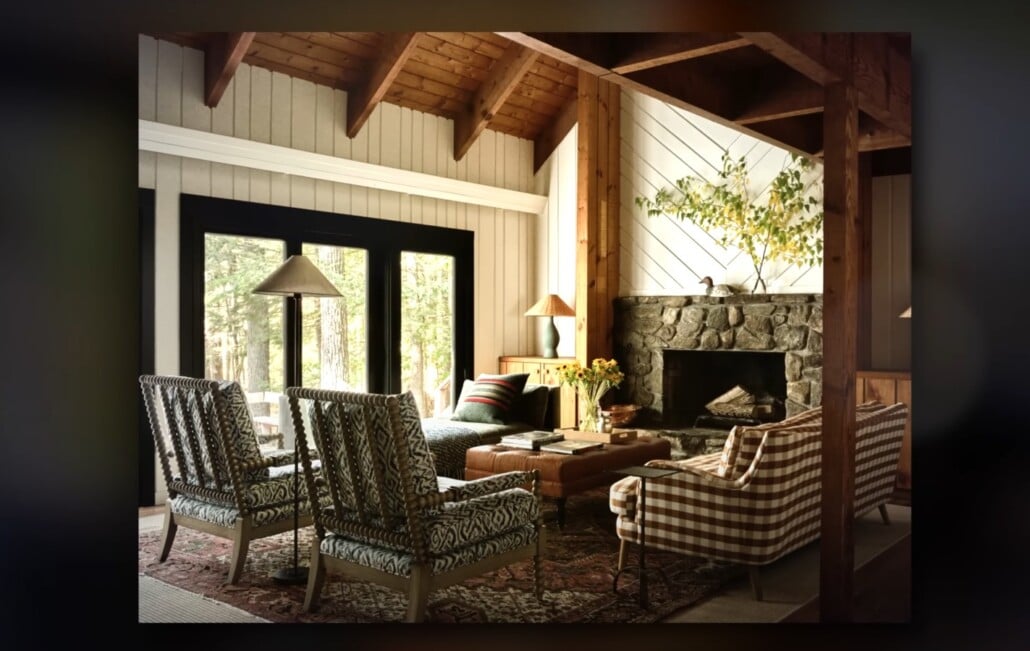
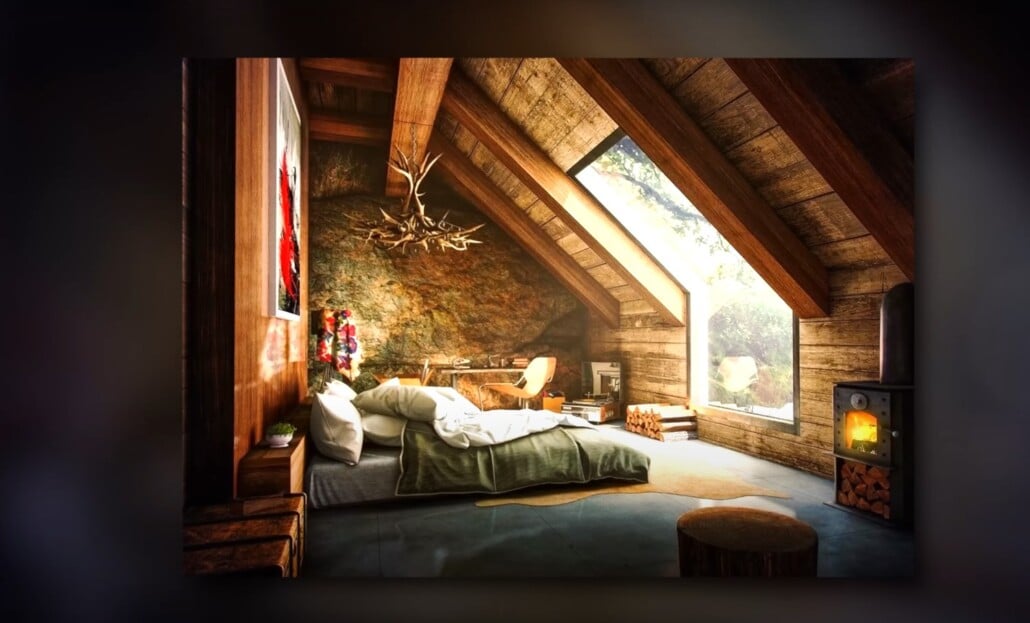
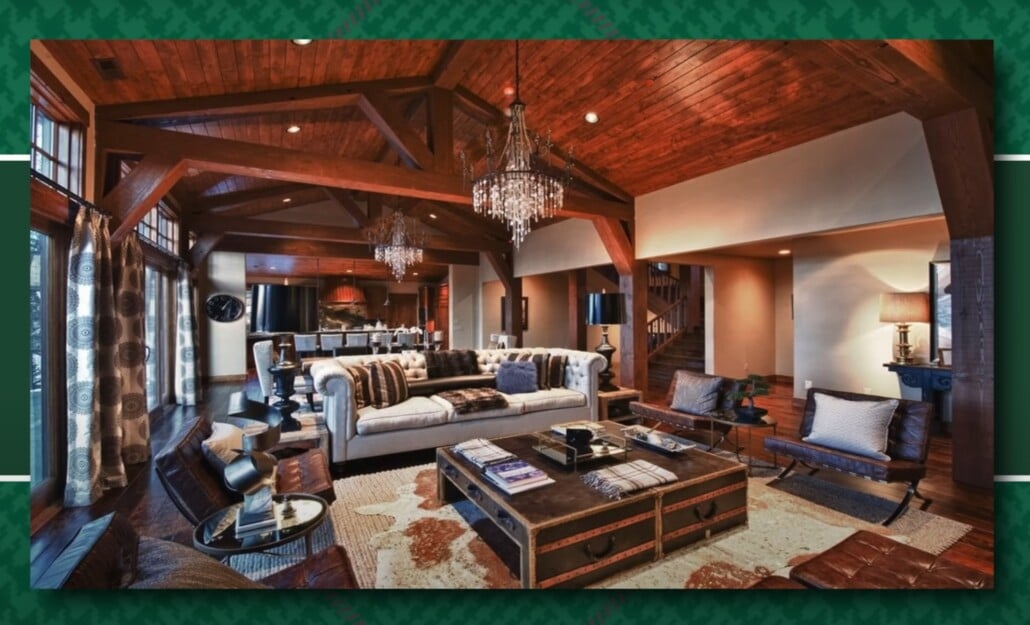
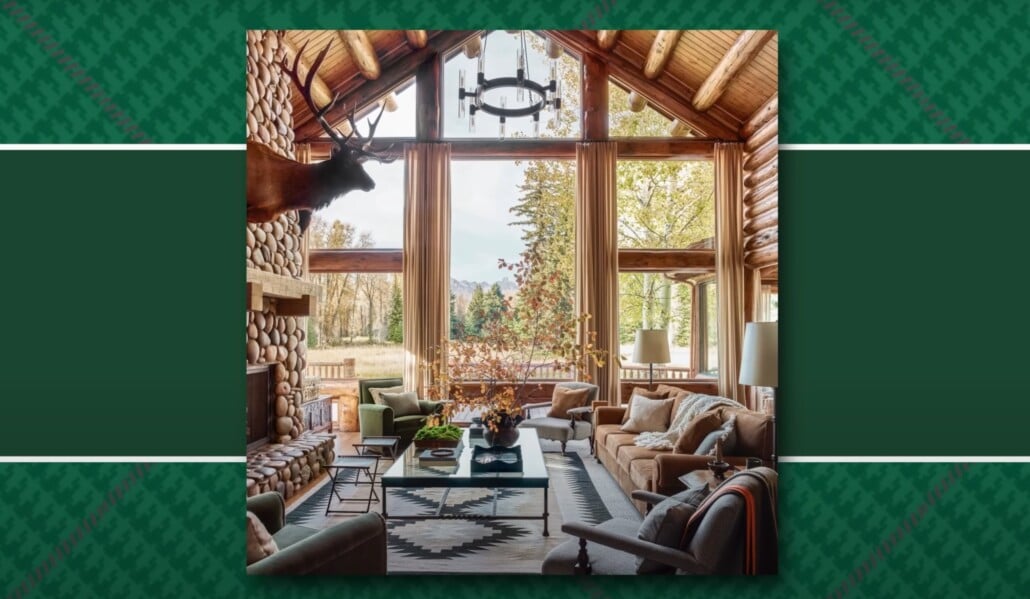
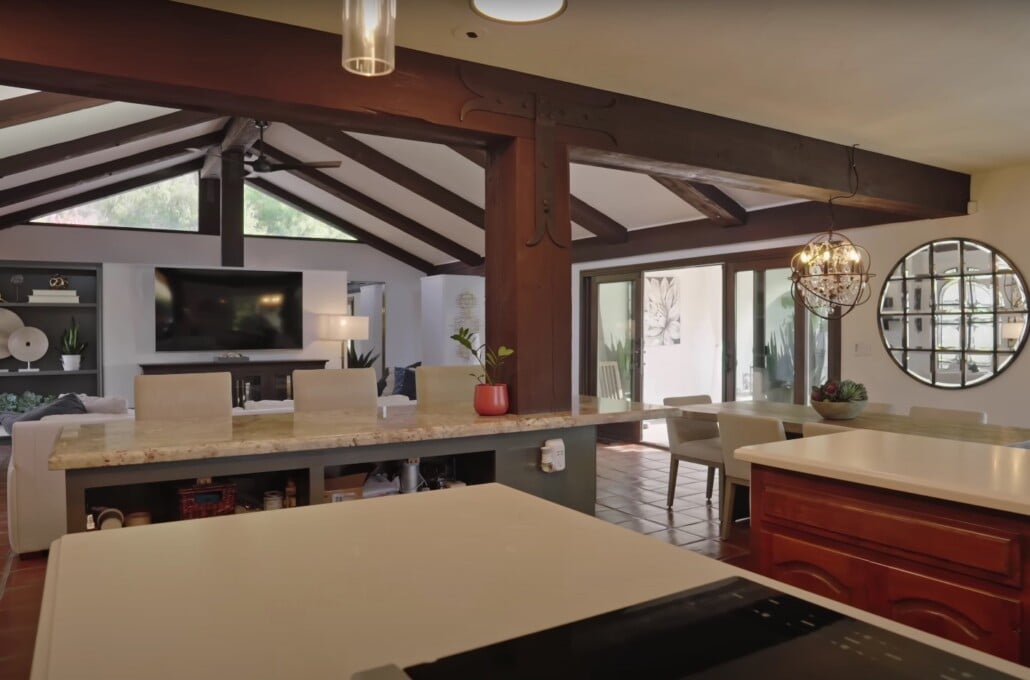
Key elements:
- Organic materials: raw wood, stone, leather
- Earthy, muted color palettes
- Natural imperfections celebrated in flooring and furniture
- Animal motifs and taxidermy accents
Rustic design emphasizes authenticity and a connection to the outdoors, making it a favorite for men who admire rugged simplicity.
Could your space use some classic English charm?
4. Mid-Century Modern
The mid-century modern movement (1945–1970) is known for clean lines and understated elegance. Fans of Mad Men or The Rat Pack will find it familiar.
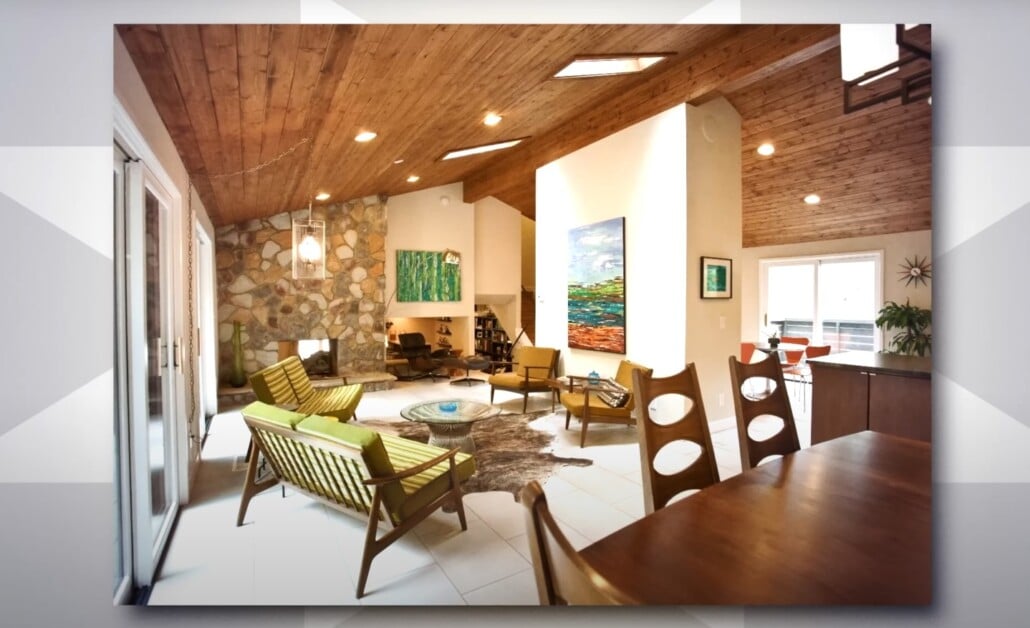
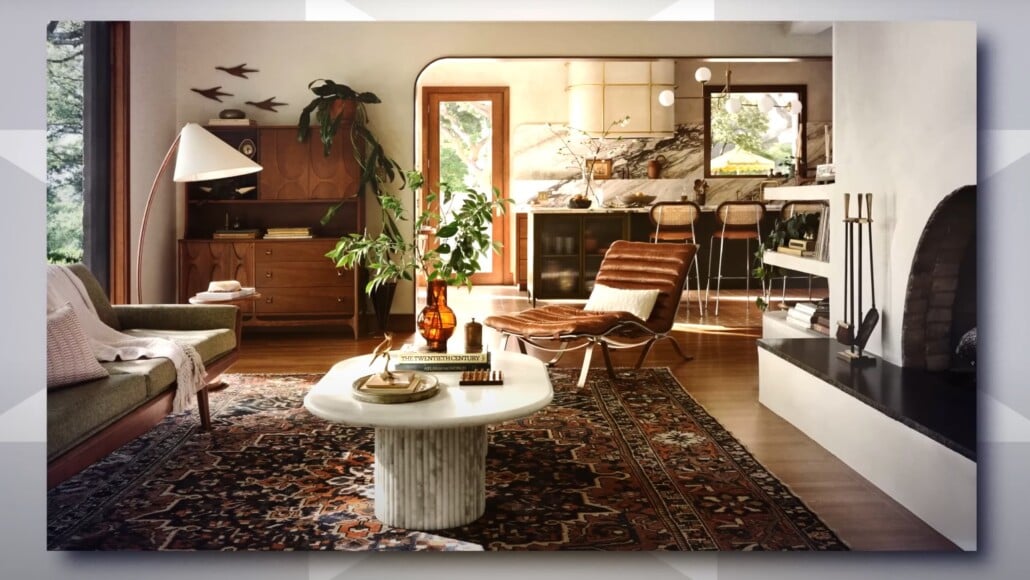
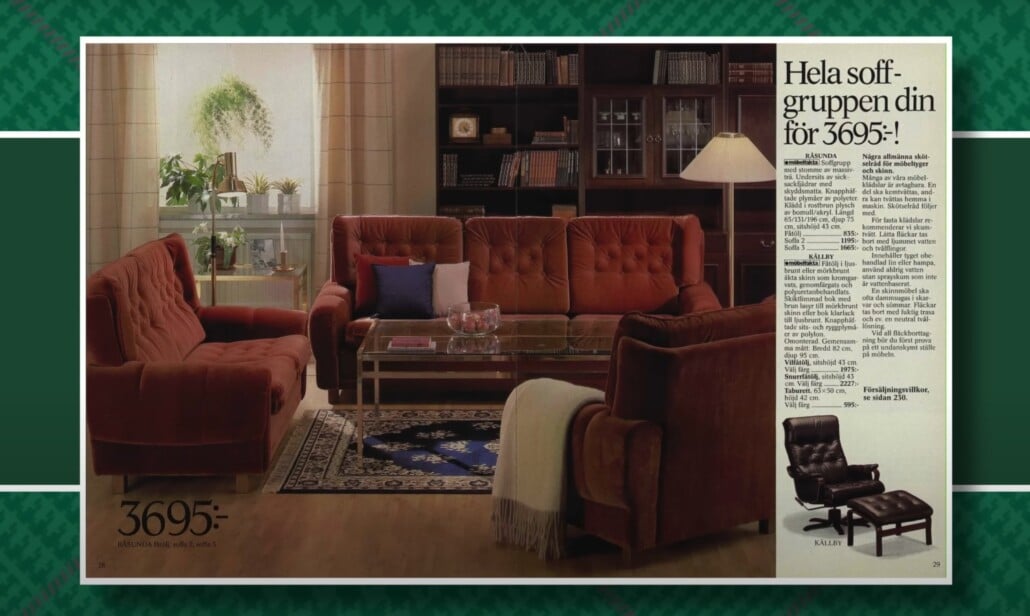
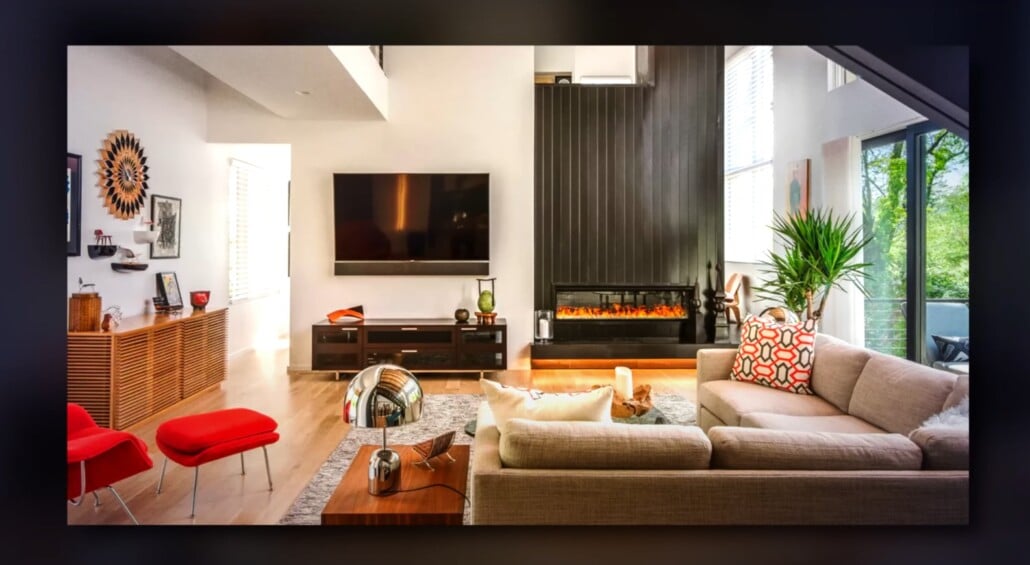
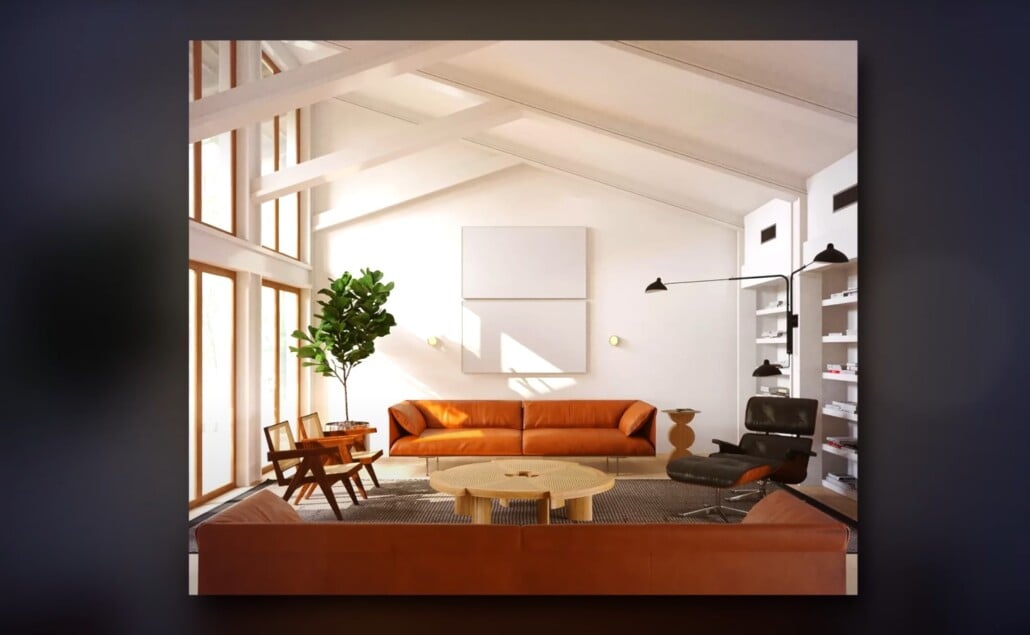
Key elements:
- Form follows function philosophy
- Minimalist silhouettes in wood, stone, acrylic, and “plastic fantastic”
- Neutral backdrops with strategic pops of color
- Sleek furniture framed by natural light and greenery
This style’s masculine appeal lies in its controlled simplicity, where nothing is wasted and every piece has purpose.
Learn more about modern interior design!
5. Traditional
Traditional interiors combine the best of Neoclassical, Regency, and Victorian influences, reinterpreted for modern living. They’re often associated with “Old Money” refinement.
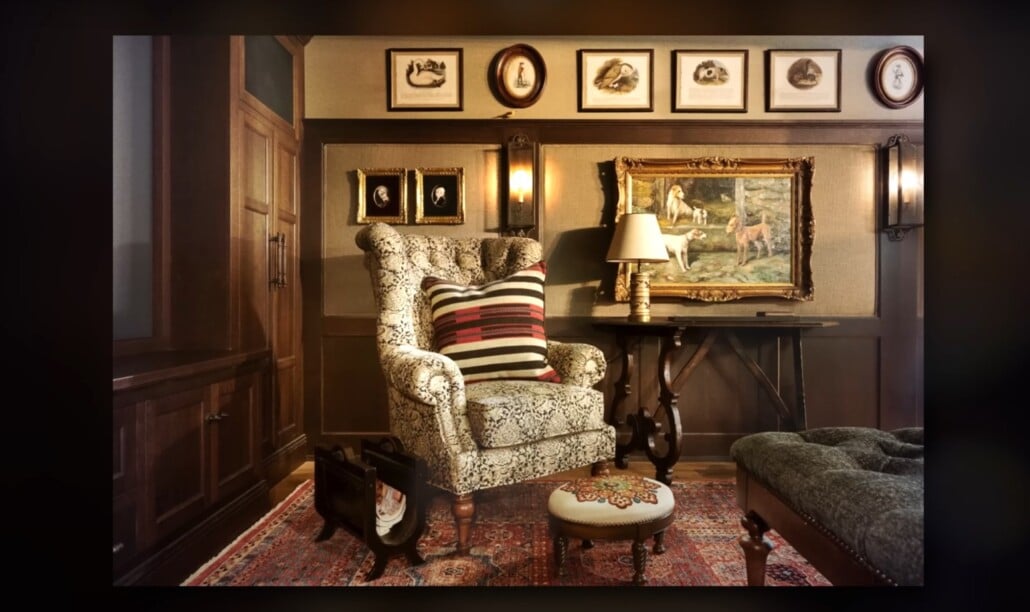
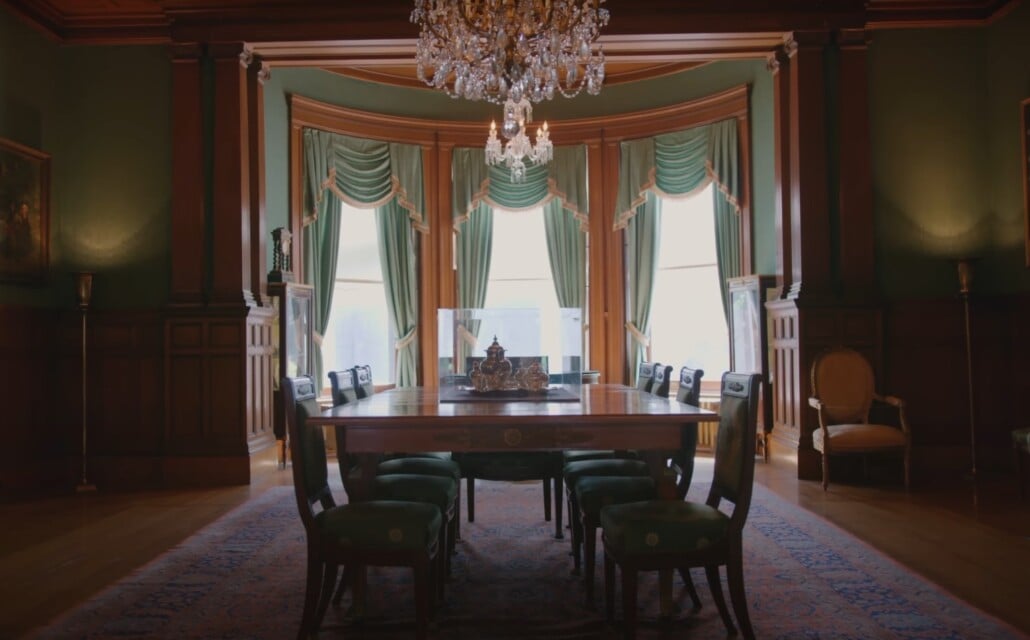
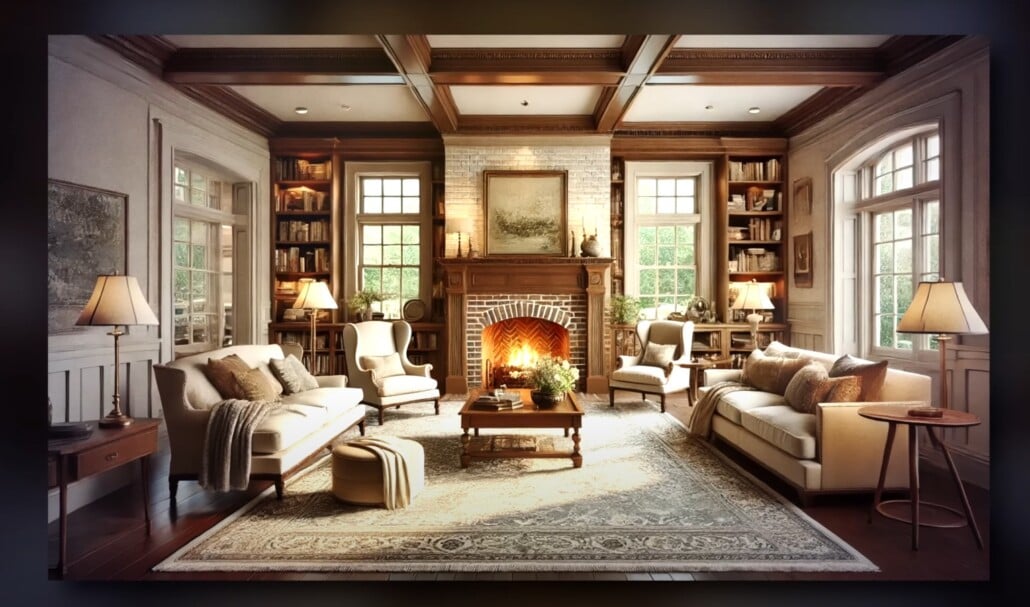
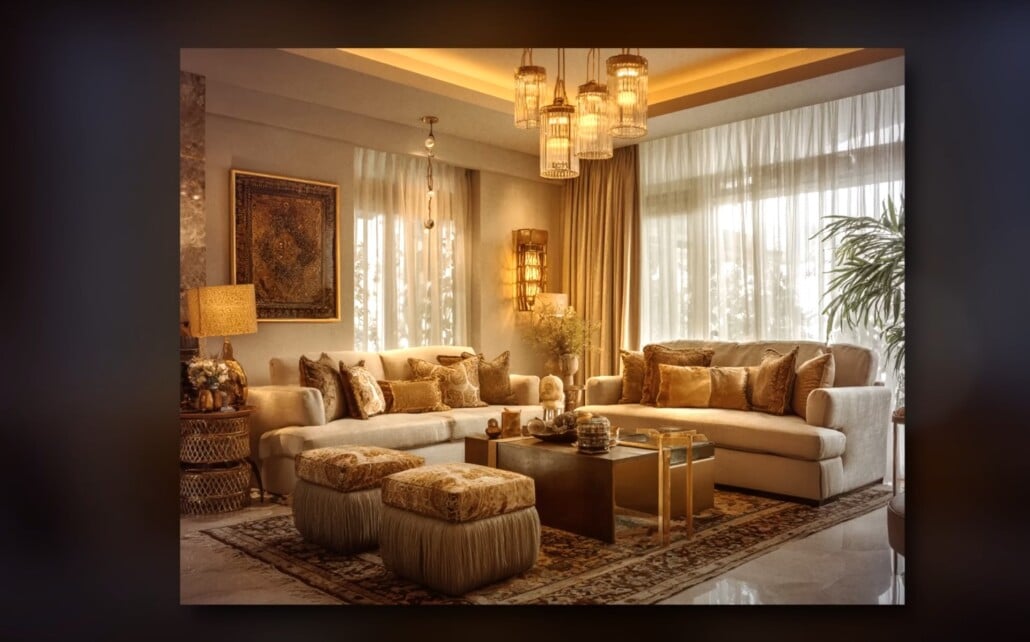
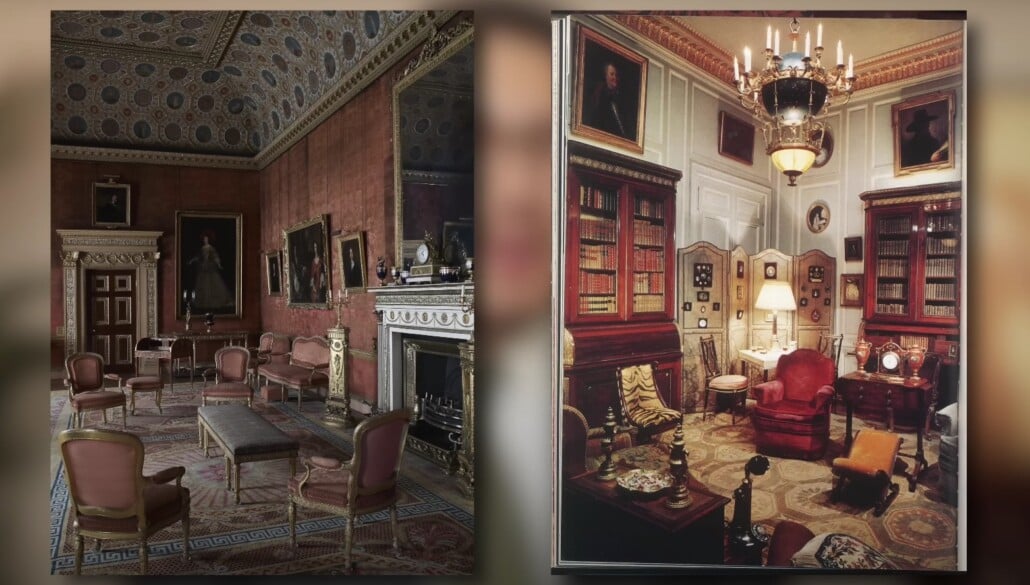
Key elements:
- Rich, durable materials: dark woods, stone, and leather
- Symmetry, wainscoting, crown molding
- Investment pieces: Chesterfield sofas, grandfather clocks, grand pianos
- Subtle upholstery, classic wallpaper, and patterned rugs
Traditional interiors reflect history and permanence, offering a timeless echo of the gentleman’s world.
Can art make or break a room?
Conclusion
Good interior design is both a reflection of you and the environment you aspire to. And while you don’t have to perfectly match all of these design choices within your own life and living space, we hope that this exercise will inspire you and provide some timeless visions to draw upon when making your personal spaces your own.
The degree to which you commit fully to any one style is also your choice. You can employ a more minimalist or maximalist approach, and you can decide whether to strictly adhere to the style or mix and match different elements for a more eclectic look.
It’s your house, after all!
What classically masculine interior design elements will you introduce into your personal spaces? Or what other design styles would you like us to cover?
10 Things Every Gentleman’s Home Should Have
FAQ
What is classically masculine interior design?
Classically masculine interior designs are timeless design principles that help reinforce classic male-coded virtues like strength, honor, refinement & stability.
How can I tell if something is classically masculine?
Often, classically masculine traditional design puts an emphasis on order & symmetry, while also showcasing both refined and natural materials like wood, leather & stonework.
How do I make my home more classically masculine?
The trick is to find a design style that personally “speaks” to you and use it as a template for how to best mimic these design principles.
How do I start with making an interior classically masculine?
The best place to start is by investing in a few statement pieces for your preferred style, as they can help to “anchor” a room with your preferences
Are refined or rugged materials more masculine?
Just like with classic menswear, there’s a place for both rugged and refined elements, and one isn’t more inherently masculine than the other; they’re just communicated differently and are more about how comfortable you feel within them.
Invest in these interior design pieces
A Gentleman’s Guide to Stylish Interiors

The Oriental Rug Guide
Learn how to choose and care for timeless oriental rugs that add richness to any room.

Masculine Office Decor
Discover how to design a refined, stylish workspace that reflects professionalism and personal taste.

Man Cave Decor Guide
Explore how to create a leisure space that balances comfort, character, and classic style.
use bookshelves for REAL books that will reflect you interests. Put only a few memorabilia there since they impede removing books from the shelves. Side consoles and tables drum tables, etc. serve as convenient display platforms – but do not overdo. Your guests are rarely fascinated by massive display of your spouse’s or progeny faces, and if YOU can not remember their faces without a photograph then…well, it does not affirm your deep sentiment for your family but consolidated the impression that you are a sentimental exhibitionist. if you can afford it. have a good portrait of your spouse/ children made – see the family portraits adorning walls of classical interiors. Imitating a room of a palace is nonsensical but a good portrait makes far greater (and lasting) impression than a blizzard of typically poor photographs in cheap frames.
Over-decoration created chaos rather than the feeling of comfort and warmth. Few high quality gadgets (a mantle clock, a few heavy bronze candlesticks, a good tray or a crystal bowl, etc.) are far better than a mass of “tourist trophies”. Do not be afraid of mixing styles but, if possible. use genuine antiques that have a highly decorative appearance in well-composed interiors. Plants, assuming you have a “green thumb”, offer on the other hand a magnificent “interior monotony” breakers. Artificial plants are good only at a dentist’s office. Remember that your environment represents you, your elegance and class. You do not need to be rich to create stunning interiors but you must develop your own style, sense of proportion and space. and, importantly the role light plays in shaping interiors. if in doubt, go to a library and look at illustrations in books devoted to interior design.
You do not need an interior decorator or architect to. create stunning living spaces. All you need is the knowledge of who you are how do you wish to present yourself, and whether you wish to impress your visitors by your image encapsulated in the environment of spaces in which you live or by the overwhelming display of expensive objects that in the end day one thing: you are a wealthy but class- and style-less upstart.
The word “interior” has four, not two or three syllables. It’s not pronounced “inter” or “in teer yer”
I think the best interior design “style” isn’t really a style at all. I believe it should be a reflection of you as a person. If I walk into your house, I should get a good sense of who you are and what your interests are. For me, I have a fairly large book collection, and you notice my book-lined walls the moment you enter my home, which hopefully shows that like to read, am fairly well educated and I have a wide variety of interests. I like to cook — you can tell because my kitchen shows pots and pans hanging from the ceiling, and I have several fun jars and canisters on the countertops.
I have a lot of antique furniture for several reasons: First, I can’t afford new furniture and find the old stuff is only better made. They look great, and every piece means something to me, even if they don’t always go well together. All my antiques were hand made, and I like that because I once read a famous French designer who said that her home was “so comfortable” because everything was handmade except the telephone. Houses that look like museums or too “designed” leave me cold and also tell me very little about the person. (Or maybe the fact that they had to hire a person to look like they have style is rather telling in itself.)
Finally, I don’t have objects in my house merely because they look good. Rather, anything decorative I have is something I made, was purchased on a trip somewhere, or was gifted to me by a dear friend of family member. Each piece means something and is a reflection of myself or my friends.
Art Deco for me please. Make mine a double.