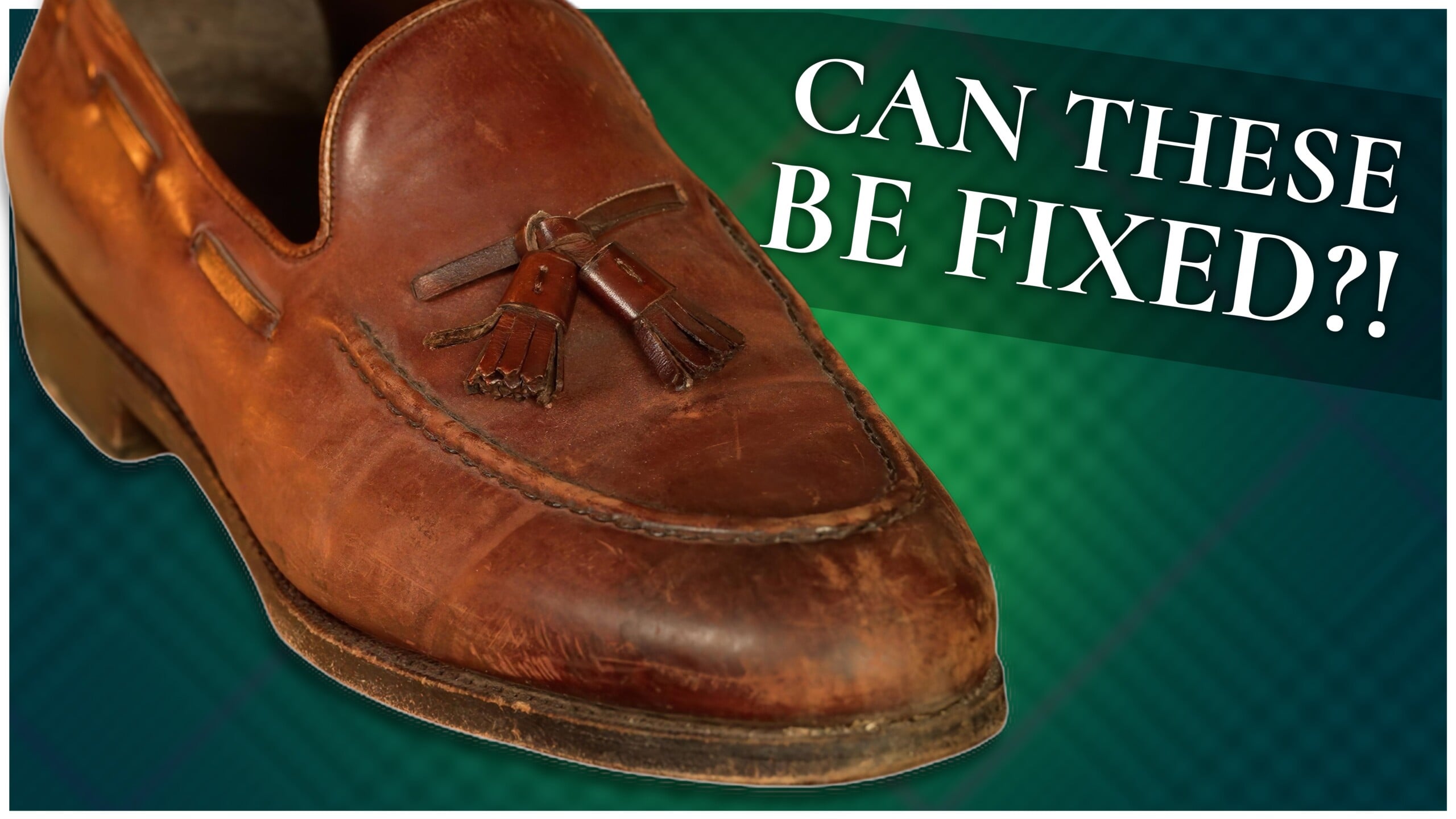
Shell Cordovan is often called the “King of Leathers” due to its incredible durability and unique luster. However, even the most regal materials can fall into disrepair if neglected. Today, we’ve partnered with Preston Soto of The Elegant Oxford to see if a pair of heavily worn Meermin loafers can be restored to their former glory.
If you own cordovan, or if you plan to, understanding the nuances of this material is essential. Unlike calfskin, cordovan is a fibrous membrane from the hindquarters of a horse, and it requires a completely different approach to care.
The Fundamentals of Cordovan Care
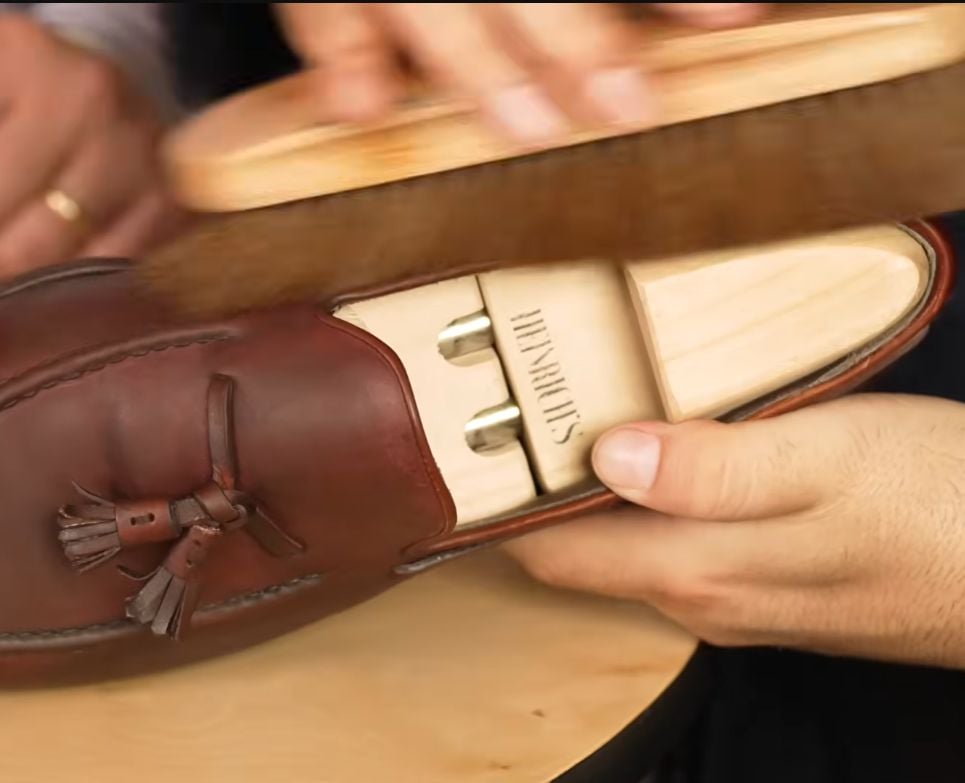
The Role of Friction
A cordovan shine is born from heat. Vigorous brushing with a horsehair brush generates the thermal energy required to melt the internal waxes, resulting in that characteristic deep, mirror-like glow.
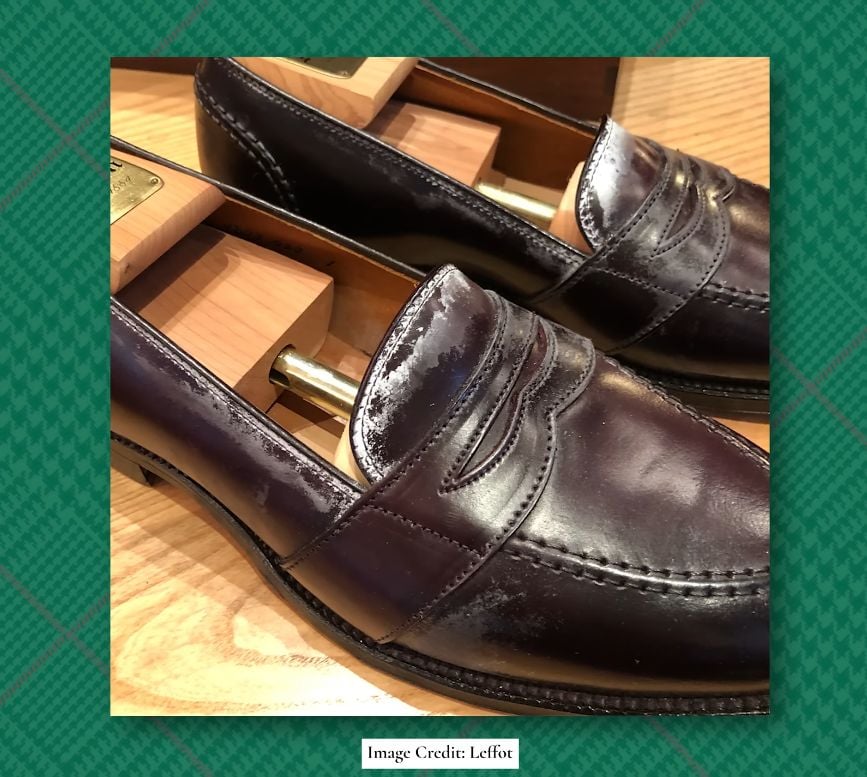
Distinguishing Damage from "Bloom"
Often, what appears to be a ruined finish is merely “blooming:” the natural oils and waxes rising to the surface. It is a sign of a healthy hide, not a damaged one, and requires redistribution rather than replacement.
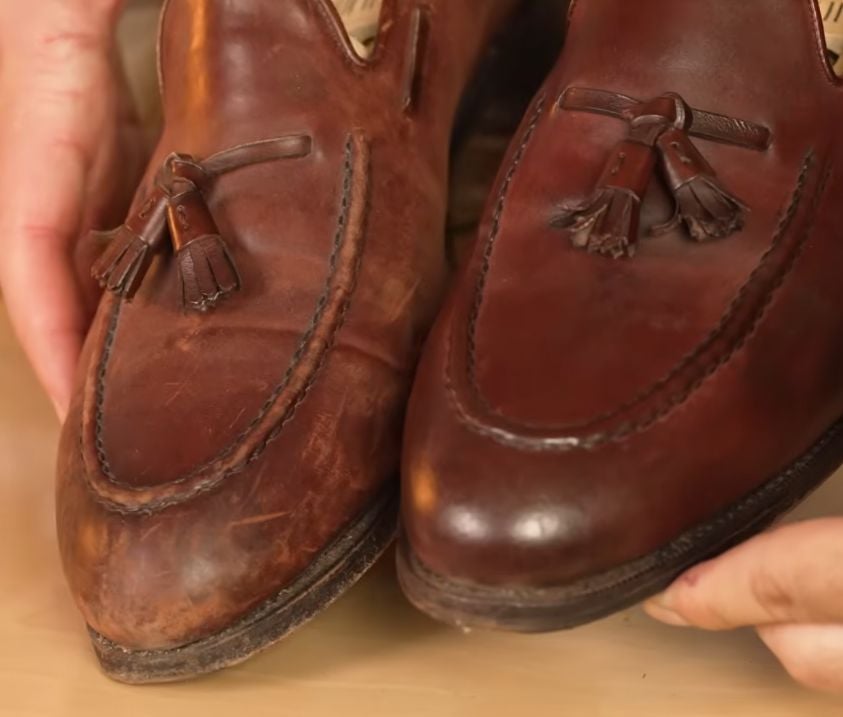
Restoration through Compression
Unlike calfskin, which grains and cracks, cordovan fibers are simply displaced when scuffed. By using a deer bone to physically compress these fibers back into place, you can often “erase” scuffs that would be permanent on other leathers.
Watch the Transformation
Words can only describe so much. To see the “The Elegant Oxford” in action, and to witness the incredible before-and-after results, watch the full restoration below.

Recommended Products

Saphir’s Pommadier Cream Shoe Polish is designed to polish, restore, and finish leather shoes and boots. This polish waterproofs and protects against harsh weather.

Saphir Medaille d'Or Pate de Luxe Wax Polish contains a combination of waxes providing nourishment, protection, restored luster and an effortlessly shiny finish. Apply a small amount of wax and massage it into the leather using a high-shine chamois cloth. Then brush out gently to care for fine leather & achieve a bright, long lasting shine.
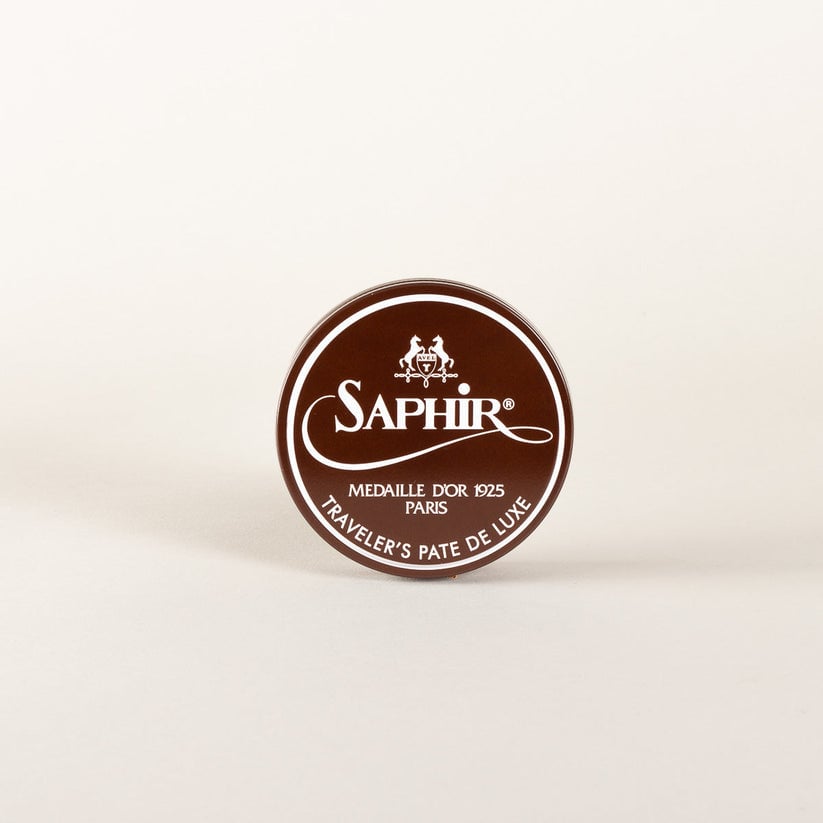
The Traveler's Pate de Luxe Wax by Saphir Shoe Polish is a new product with lower solvent concentrations to allow the product to bypass air travel restrictions. Practically speaking, this wax falls in between Saphir's Pate de Luxe (often described as a rather "wet" wax) and much dryer and harder Saphir Mirror Gloss. For those that prefer a slightly dyer regular wax, the Saphir Traveler's polish might be just the thing for you.
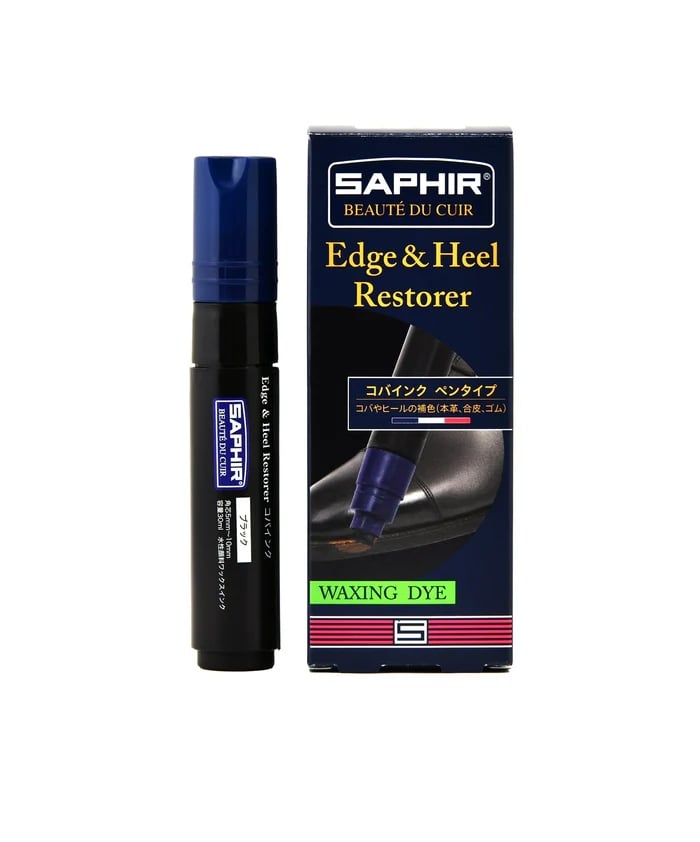
Bring new life to your shoes with this convenient pen-type edge ink, designed for effortless touch-ups on shoe edges and heels. Originally developed as a professional-grade ink widely used in European shoemaking, it is now available in an easy-to-use format suitable for everyone—from shoe care beginners to seasoned professionals.

Saphir’s Brush Spatula is useful for applying shoe polish and creams. The brush is a practical essential for shoe cleaning to keep your apparel looking its best each wear. The hand-waxed wood handle makes the ergonomic brush easy to use to scrub polish on your suede or leather shoes without getting your hands dirty.

The natural horsehair bristles of this brush are specially designed to polish smooth leather shoes and remove dirt. It is incredibly useful for quickly removing surface dust from your shoes before diving into a deeper cleaning.
Shell Cordovan Care: Frequently Asked Questions
What is the main difference between caring for Shell Cordovan and regular calfskin?
Unlike calfskin, which has a grain that can pores and absorb products easily, Shell Cordovan is a dense, non-porous membrane. The primary difference is that cordovan is already highly saturated with oils. Therefore, it requires significantly less product and much more “friction” (brushing and buffing) to maintain its luster.
What is the white, waxy residue appearing on my cordovan shoes?
This is known as “blooming.” It occurs when the natural fats and oils used during the tanning process (particularly by tanneries like Horween) seep to the surface and solidify. It is not a defect; simply wipe it away with a soft cloth or brush it with a horsehair brush to redistribute the oils.
Can I use standard shoe polish on Shell Cordovan?
It is not recommended. Many standard polishes contain high concentrations of solvents that can strip the unique oils from cordovan. You should use a dedicated cordovan cream, which has a lower solvent content and is specifically formulated to nourish this type of leather without clogging the fibers.
How do I fix the “bumps” or welts that appear on cordovan after it gets wet?
Shell Cordovan is prone to “raising its grain” when exposed to water, creating tiny bumps. To fix this, apply a small amount of cordovan cream and use a deer bone (or a smooth, hard object) to physically compress the fibers back down while the leather is slightly damp from the cream.
Why do my cordovan shoes have “rolls” instead of creases?
Because Shell Cordovan is a membrane rather than a skin, it does not have a grain layer that breaks and wrinkles. Instead, it “rolls” in areas of movement. This is a hallmark of the material. You should never apply hard wax polish to these rolls, as the wax will crack and look unsightly; stick to light conditioning in these areas.
How often should I polish my cordovan loafers?
Rarely. Over-polishing is the most common mistake. Most of the time, a vigorous brushing with a horsehair brush for 2–3 minutes is all that is needed to bring the shine back. You should only apply new cream or wax every 10–15 wears, or when the leather begins to look noticeably dull or dry.
Is Shell Cordovan actually waterproof?
It is highly water-resistant due to its density and oil content, making it excellent for inclement weather. However, as mentioned above, water can cause the surface to “spot” or welt. It won’t ruin the leather, but it will require a bit of maintenance (brushing and bone-compressing) to restore the smooth finish once dry.
Expand Your Shoe Care Knowledge

How to Deodorize Shoes

8 Techniques to Stretch Shoes

How an EXPERT Shines Shoes
And how do you get the polish off your hands? Just shake hands with your host.