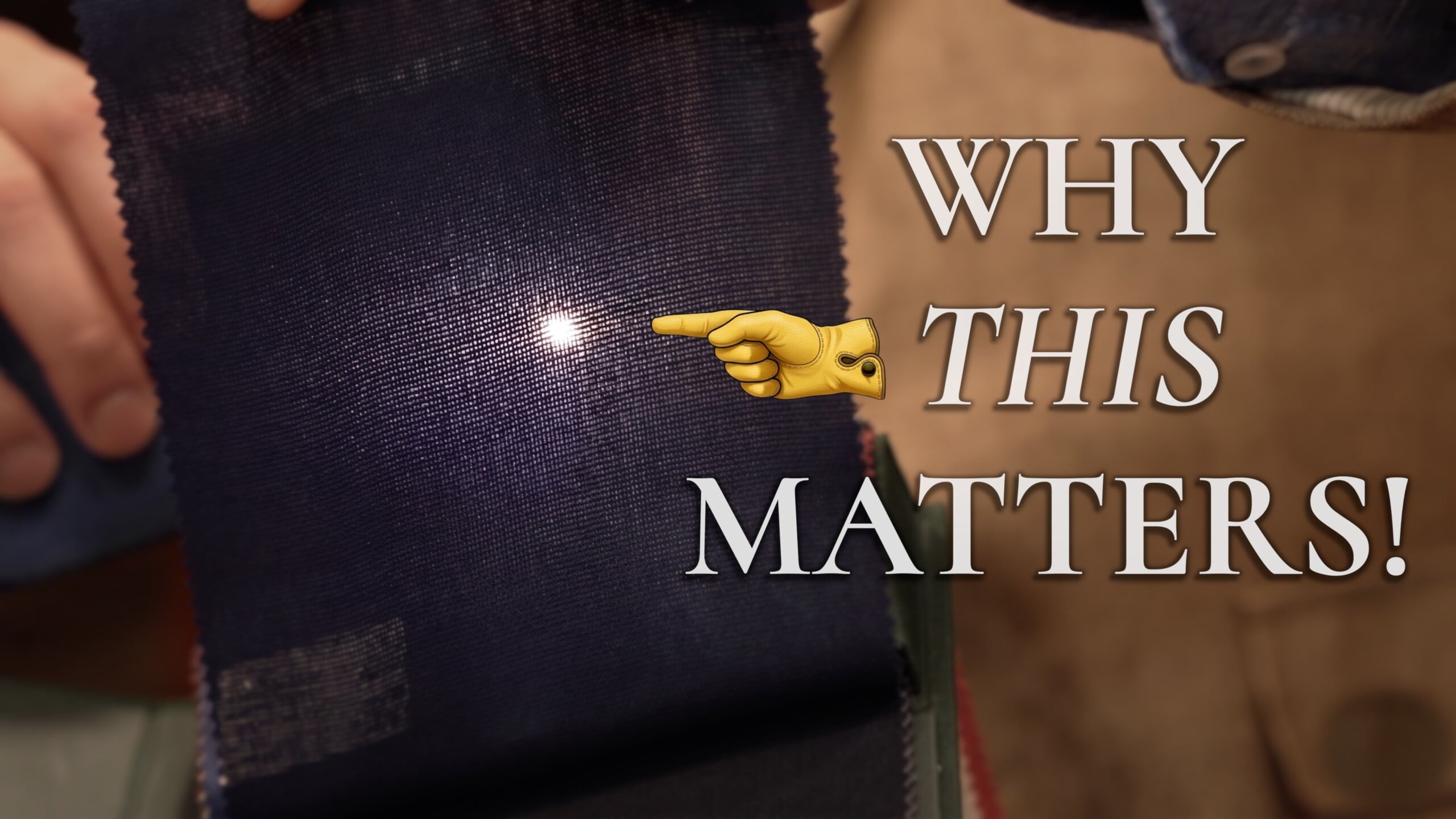
Linen is widely regarded as the classic fabric for summer tailoring. It is breathable, distinctive, and prized for the relaxed wrinkles that give it so much character. But NOT every tailor agrees that linen is the best option for hot weather.
In Naples, Raphael speaks with several tailors and cloth experts about the fabrics they prefer for summer suits, jackets, and trousers. Their answers range from traditional linen to open-weave wool, hopsack, mohair, hemp, silk, and lightweight blended fabrics.
Rather than identifying one universal winner, the discussion explores why the right summer fabric depends on the climate, the occasion, and the type of garment being made.
Watch the full discussion to examine the fabrics up close, hear the tailors explain their personal preferences, and discover why several of their choices challenge conventional assumptions about summer cloth.

Five Neapolitan Perspectives on Summer Cloth
Featuring insights from Sartoria Ciardi, Sartoria Solito, Sartoria Carfora, Sartoria Dalcuore, and Rubinacci, the discussion shows how differently experienced tailors can evaluate the same warm-weather fabrics.
Some favor linen for its relaxed character, while others place greater value on crispness, airflow, drape, or crease resistance. Together, their perspectives offer a broader view of what makes a fabric truly suitable for summer.
Ask the Experts
What is high-twist wool?
High-twist wool is made from yarns spun with greater tension. This generally produces a crisp, dry cloth with good resilience and crease recovery. It is commonly used for summer suits and trousers because it can provide airflow without sacrificing structure.
Is hopsack suitable for summer?
Hopsack’s basket-like weave can make it breathable and textured, particularly when used for blazers and sport coats. However, its open construction may be more vulnerable to snagging, and not every hopsack cloth is appropriate for trousers.
What does mohair add to a summer suit?
Mohair can add crispness, resilience, and a clean drape when blended with wool. It may also create a subtle sheen, making some mohair fabrics especially suitable for formal or evening tailoring.
Which fabric is best for summer trousers?
Summer trousers generally require greater durability and crease resistance than a lightweight sport-coat fabric. High-twist wool and sturdy linen are common choices, but the best option depends on the climate, desired formality, and tolerance for wrinkles.
Does lighter fabric always feel cooler?
No. A lightweight fabric can still feel warm if it is woven very tightly. A slightly heavier cloth with a more open weave may allow greater airflow while also draping better and resisting wrinkles.
Why do tailors disagree about linen?
Different linen fabrics can behave very differently. Some are light and airy, while others are dense, substantial, and tightly woven. Tailors may also prioritize different qualities, including airflow, wrinkle resistance, structure, softness, or traditional summer character.
What is the best fabric for a summer sport coat?
Hopsack, linen, and blends containing wool, silk, or linen are all popular possibilities. Sport coats allow for more texture and visual interest than business suits, but the final choice should still suit the climate and expected level of wear.
How can I judge whether a fabric is breathable?
Hold the cloth toward a light source and examine how much light passes through the weave. A visibly open structure often indicates better airflow, although durability, opacity, and garment construction must also be considered.
What to Watch Next
Summer & Hot Weather Outfits for Men

7 Best Summer Accessories for Men
10 Essential Menswear Items for Summer