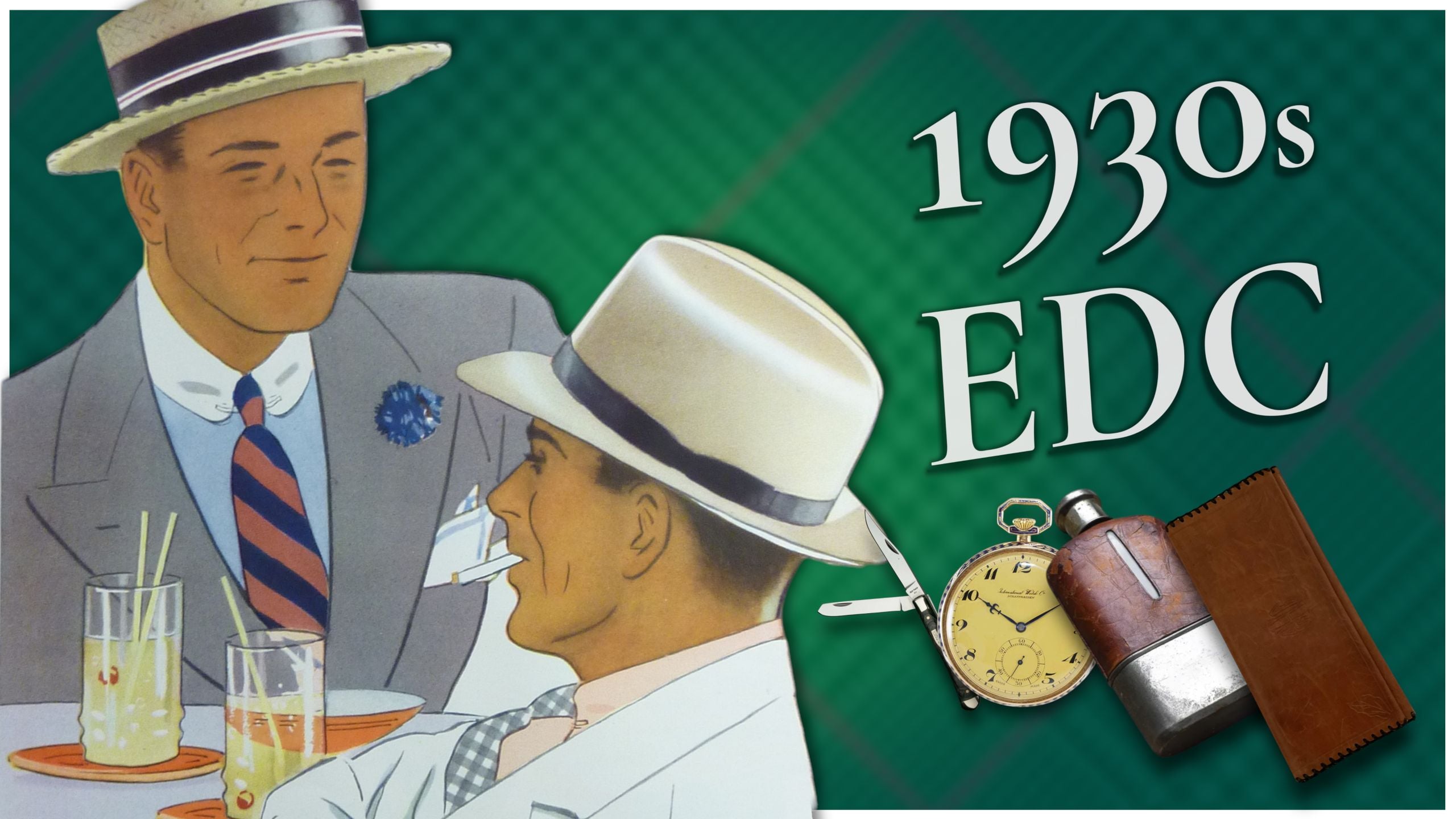
Perhaps no decade better exemplifies the “Golden Age of Menswear” than the 1930s, when tailoring reached its zenith and personal style was a matter of daily discipline. But a gentleman’s silhouette was only half the story; what he carried within his pockets – his Everyday Carry (EDC) – was equally essential to his daily function, preparedness, and social standing.
Even amid the Great Depression, maintaining standards was a point of pride. Here is the essential breakdown of what the 1930s gentleman kept close at hand, and why these items remain the benchmark for a well-prepared man today.
- Quick Reference: The 1930s EDC Arsenal
- 1. Monetary Implements
- 2. The Handkerchief
- 3. Pocket Knives and Multi-Tools
- 4. Personal Maintenance: The Compact Sewing Kit
- 5. Keys and Signet Rings
- 6. The Timepiece
- 7. The Pocket/Hip Flask
- 8. Tobacco and Accouterments
- 9. Writing Instruments
- 10. Grooming: The Pocket Comb
- Bonus 1: Paper Ephemera
- Bonus 2: Novelty Hand Games
- Conclusion
- Frequently Asked Questions
- What to Watch Next

Quick Reference: The 1930s EDC Arsenal
| Item | Primary Purpose | Classic 1930s Materials |
|---|---|---|
| Wallet | Currency & ID management | Fine leather (calfskin, exotic skins) |
| Handkerchief | Hygiene & etiquette | Cotton, linen, or silk |
| Pocket Knife | Daily utility | Celluloid, Bakelite, bone, or silver |
| Sewing Kit | Emergency garment repair | Canvas or leather pouch, steel needles |
| Keys & Signet | Access & authentication | Brass rings, gold, precious stones |
| Timepiece | Punctuality | Gold or silver plating, mechanical movement |
| Hip Flask | Discreet libations | Pewter, silver, leather-wrapped glass |
| Tobacco Kit | Social smoking rituals | Silver, enamel, brass (Zippo) |
| Pen & Notebook | Correspondence & records | Bakelite, gold nibs, leather-bound paper |
| Pocket Comb | Grooming maintenance | Horn, tortoiseshell, or celluloid |
1. Monetary Implements
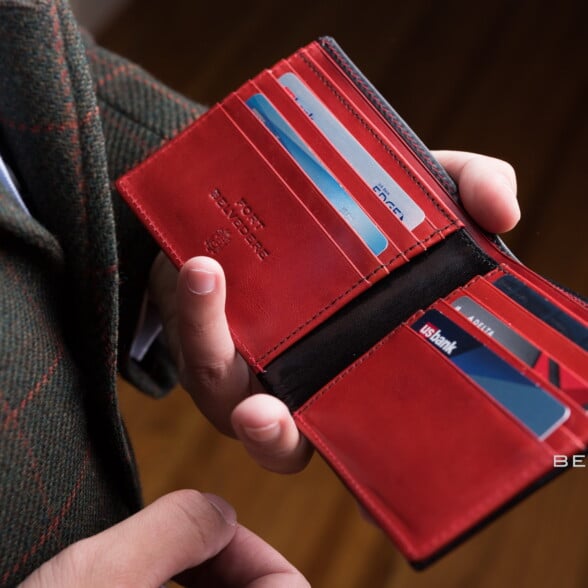
In an era before credit cards or digital transactions, cash was king. Wallets of the time were primarily used to carry bills, though they also accommodated a few essential cards. Men carried driver’s licenses and new government-related IDs for New Deal programs, such as the Civilian Conservation Corps (1933), Social Security (1935), or Food Stamps (1939).
- Bifold Wallets: Simple leather bifolds were the standard for daily use, featuring ample space for paper currency.
- Coat Wallets: For those wearing tailored jackets, a long, slim coat wallet kept the chest lines clean without the unsightly bulge of a traditional trouser bifold.
- Coin Purses vs. Loose Change: While European models often retained a coin purse, American gentlemen typically carried loose change in their pockets for payphones and parking meters.
- Money Clips & Checks: While well-to-do men might carry a bejeweled money clip, open displays of wealth were viewed as poor taste by the common man during the Depression. Meanwhile, checks from a checkbook were the standard for transferring large sums.
Upgrade Your Everyday Carry
Just as the 1930s gentleman carefully selected his monetary implements, you can carry your currency with that same timeless elegance today. Explore our collection of premium leather wallets in the Fort Belvedere shop, featuring expertly crafted classic bifolds and slim coat wallets perfectly suited for the modern man.
2. The Handkerchief
A gentleman never leaves home without a clean handkerchief. Many men carried handkerchiefs on an as-needed basis to clean spectacles, wipe their hands, or mop their brows. They were typically made from washable cotton or linen.
Designs were generally plain white or solid colors, with personalization often taking the form of embroidered initials. More rugged workers, such as farmers or laborers, favored bandanas to combat grimy conditions.
The ultimate guide to styling a white pocket square.
3. Pocket Knives and Multi-Tools
Long before the modern “tacticool” trend, the pocket knife was a discreet, elegant, and utilitarian instrument. Simple one- or two-blade slipjoint knives were incredibly practical for shaving plug tobacco, opening mail, or whittling.
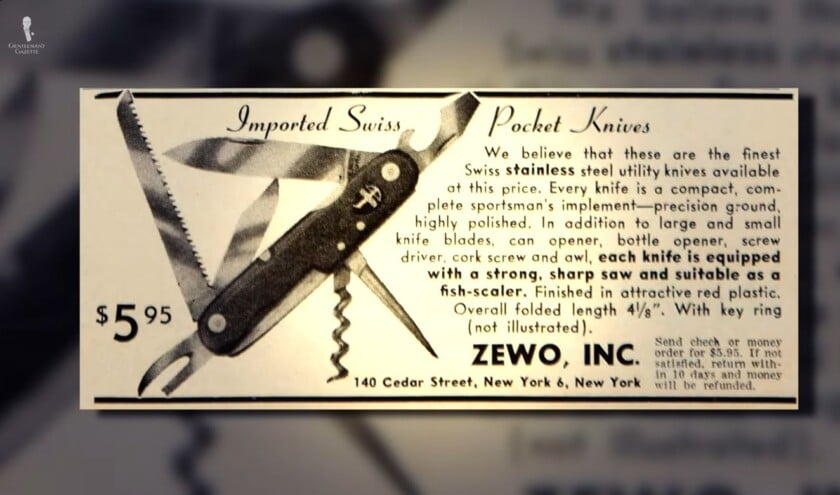
- Multi-tools: Tools like the Swiss Army knife provided access to proper screwdrivers, bottle openers, small scissors, and nail files.
- Grooming: Because of the Depression, men often used these integrated files to trim their own nails rather than pay for a professional manicure.
- Brands and Materials: Notable brands included Imperial, Camillus, and Remington in the US, and Joseph Rodgers in the UK. Models often featured handles crafted from early plastics like celluloid or Bakelite.
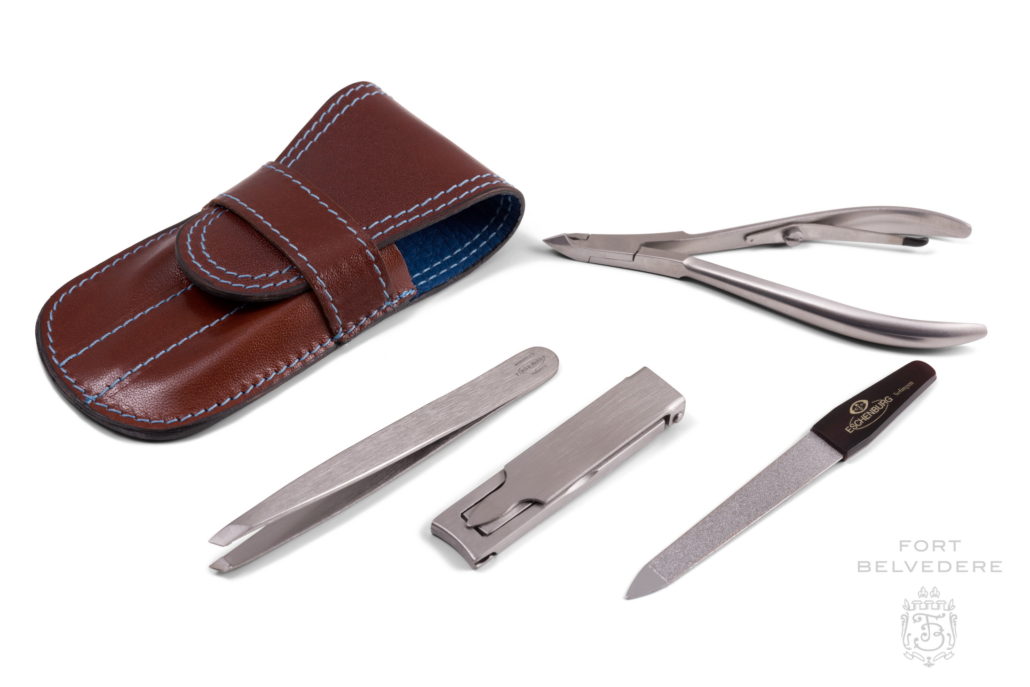
Premium Men’s Manicure Sets
5-Piece Brown Nail Grooming Kit
While men in the 1930s often relied on their pocket knife’s file in a pinch, a modern gentleman’s grooming routine demands proper instruments. Maintain a flawless appearance on the go with our travel-ready, Solingen steel manicure sets encased in fine leather.
4. Personal Maintenance: The Compact Sewing Kit
Dating back to at least the mid-1700s, portable sewing kits were crucial for mending clothing on the go. The term “housewife” (or huswife, husif) was first recorded in 1749 and became standard-issue for soldiers in WWI and WWII.
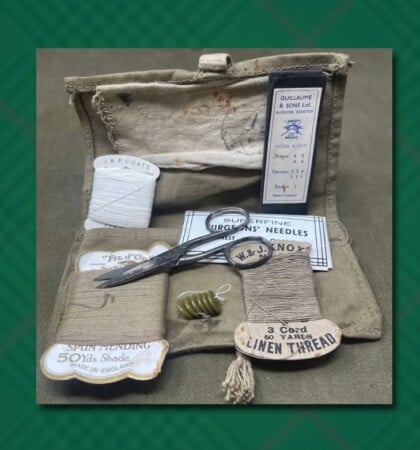
During the interwar years of the ’30s, adopting a “waste not, want not” mentality made these kits vital. Rather than throwing clothing away or going to a tailor, a man could simply handle minor repairs himself. They contained needles, pins, thread, buttons, a thimble, small scissors, and wax for waterproofing.
Note: The UK Ministry of Defense formally phased out the term “housewife” in 2019.
Learn How to Sew on a Button
5. Keys and Signet Rings
Organization was paramount. Keys for homes, cars, offices, and P.O. boxes were everyday essentials. Keys were typically kept on a simple brass ring to keep them easily accessible.
Some rings featured a chain component similar to a pocket watch, which could be attached to a belt. A fad of the era saw chains, fobs, and buckles sold in harmoniously decorated sets. While often prominently worn, signet rings were also functional tools used historically to seal documents with wax.

6. The Timepiece
The 1930s marked a significant shift in timepiece preferences; by the middle of the decade, wristwatches were outselling pocket watches. This change was driven by WWI veterans’ preference for portable “trench watches,” the decline of waistcoats, the rise of central heating, and a move away from ostentatious displays of wealth.
The market saw luxury pieces such as the Rolex Oyster Perpetual (1931), Jaeger-LeCoultre Reverso (1931), and Patek Philippe Calatrava (1932), alongside budget-friendly options such as the Elgin Legionnaire and Bulova Banker.
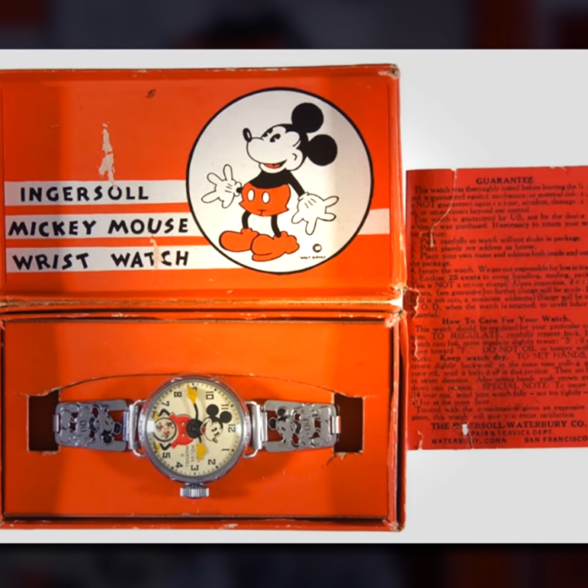
1930S TIMEKEEPING
How Mickey Mouse Saved the Watchmaker
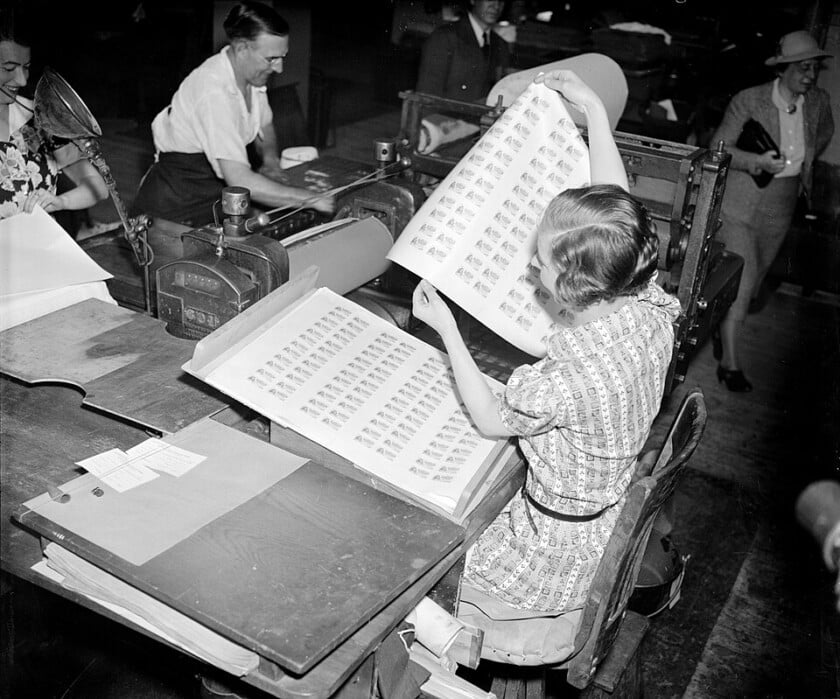
The Waterbury Clock Company (known today as Timex) famously averted bankruptcy during the Great Depression through a legendary partnership with a struggling Walt Disney Studios. In 1933, they launched the world’s first Mickey Mouse character watch, which actually rolled off a miniature assembly line at the Chicago World’s Fair.
Selling an astonishing 11,000 units on its first day at Macy’s—and over two million within a year and a half—this iconic timepiece not only saved the historic Connecticut clockmaker, but forever changed the trajectory of the wristwatch.
7. The Pocket/Hip Flask
Made from pewter, silver, or glass, and sometimes accented with leather or fabric, the hip flask was highly utilized. With the 18th Amendment and the Volstead Act enforcing Prohibition from 1920 to 1933, the production and sale of alcohol were prohibited, but consumption was not explicitly illegal.
Consequently, many American men carried clandestine flasks, a habit that continued freely after repeal when they wanted to carry their own “potent potables” to a tavern or pub.
How to Carry Your “Potent Potables”
8. Tobacco and Accouterments
Tobacco use was a ubiquitous cultural element worldwide in the 1930s.
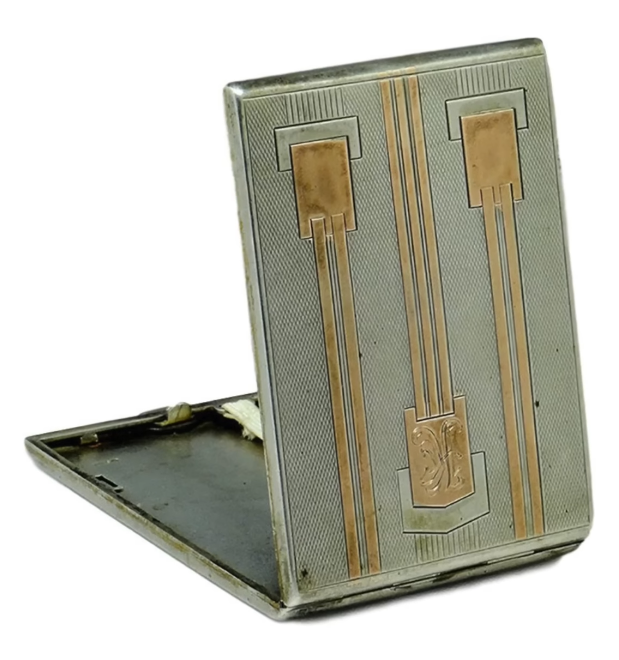
Cigarette Cases
Men transferred factory-made or hand-rolled cigarettes into metal cases kept in a jacket pocket. These ranged from utilitarian base metals to luxurious, engraved precious metals.
Lighters
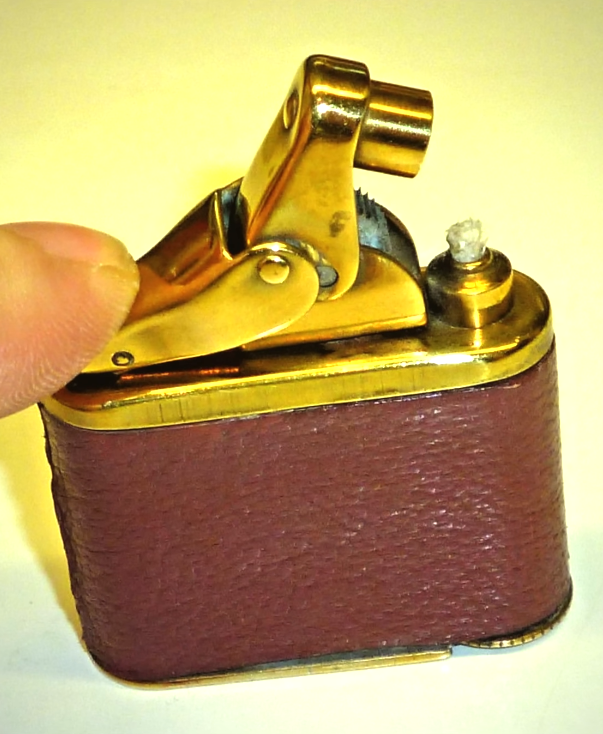
While traditionalists used matches, portable lighters grew common after the development of ferrocerium in the 1910s. The iconic windproof Zippo, utilizing petroleum naphtha lighter fluid and a wick, debuted in 1932.
Pipes
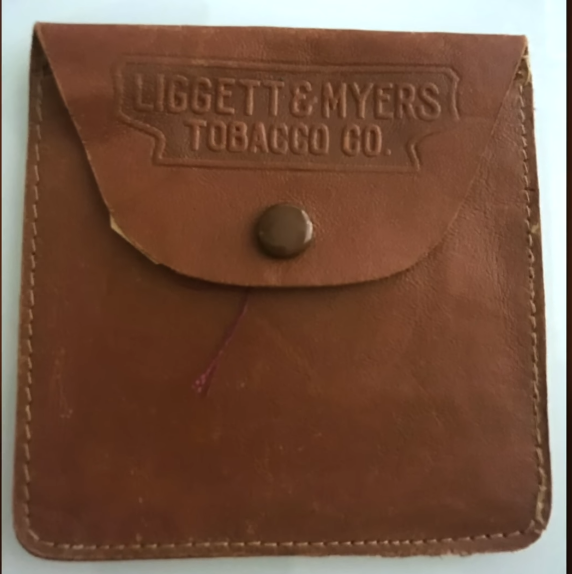
Pipe smokers required a leather or canvas tobacco pouch, a tamper, and a method for lighting.
9. Writing Instruments
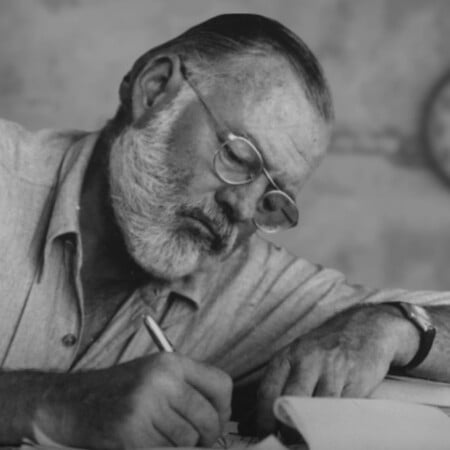
A true gentleman was always prepared to record a fleeting thought, jot down a phone number, or sign a check.
- Fountain Pens: The fountain pen was the writing instrument of choice, as the modern ballpoint pen wasn’t patented until 1938 and didn’t see widespread use until the 1940s. Brands like Parker, Waterman, Sheaffer, and Pelikan dominated the market, featuring bodies made of acetate or Bakelite and precious-metal nibs.
- Pocket Notebooks: Notes were typically jotted down while on the go in book-bound or spiral-bound pocket notebooks.
“All you have to do is write one true sentence. Write the truest sentence that you know.”
Ernest Hemingway
10. Grooming: The Pocket Comb
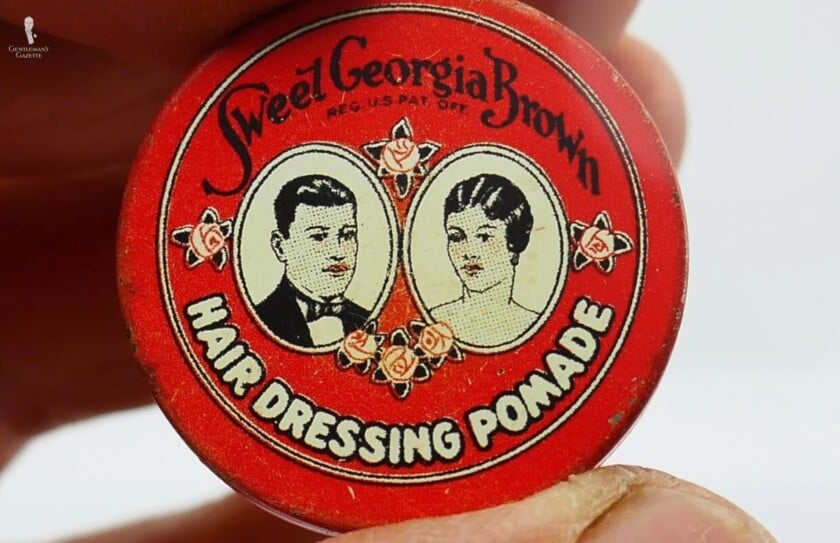
Though men wore hats by default in public, proper etiquette required them to remove their hats frequently. A lustrous, slicked-back hairstyle maintained with pomade was the standard treatment.
To fix “hat hair,” men carried combs made from horn, celluloid, Bakelite, or metal. They were usually basic rectangular or oblong shapes, though folding models existed.
Bonus 1: Paper Ephemera
A far cry from the largely digital world of today, the 1930s featured much of the information about daily life conveyed on paper. Men frequently carried non-permanent items like newspapers, ticket stubs, public transit timetables, and maps.
Bonus 2: Novelty Hand Games
To kill time and lighten the mood during the hard times of the Great Depression, men carried decks of cards or handheld skill games featuring metal balls somewhat akin to pinball.
Need a New Way to Unwind?
Conclusion
We’d like to know: which items surprised you, and are there any we missed? Also, do you carry any of these items in your current EDC, or have we inspired you to start? Share with us in the comments!
Frequently Asked Questions
What did men keep in their wallets in the 1930s?
Primarily cash, as credit cards did not yet exist. Men also carried driver’s licenses and new government IDs, such as Social Security cards, while checkbooks were used for transferring large sums.
Did men wear pocket watches or wristwatches in the 1930s?
Both, but wristwatches overtook pocket watches by the mid-1930s. This shift was heavily influenced by WWI veterans preferring the convenience of “trench watches” and the stylistic decline of waistcoats.
What was a “housewife” in the context of a 1930s EDC?
It was the historical term for a compact, portable sewing kit. Stocked with needles, thread, and buttons, they were vital during the Great Depression for mending clothing on the go.
Was it legal to carry a hip flask during Prohibition?
Yes. While the 18th Amendment strictly prohibited the production and sale of alcohol, it did not explicitly ban consumption, making clandestine hip flasks incredibly popular.
What kind of pens did gentlemen use in the 1930s?
Fountain pens from brands like Parker, Waterman, and Sheaffer were the absolute standard. The modern ballpoint pen did not see widespread use until the 1940s.
How did men entertain themselves on the go?
To kill time during the Depression, men carried newspapers, decks of cards, or novelty hand games, such as pocket-sized mechanical pinball games.
What to Watch Next
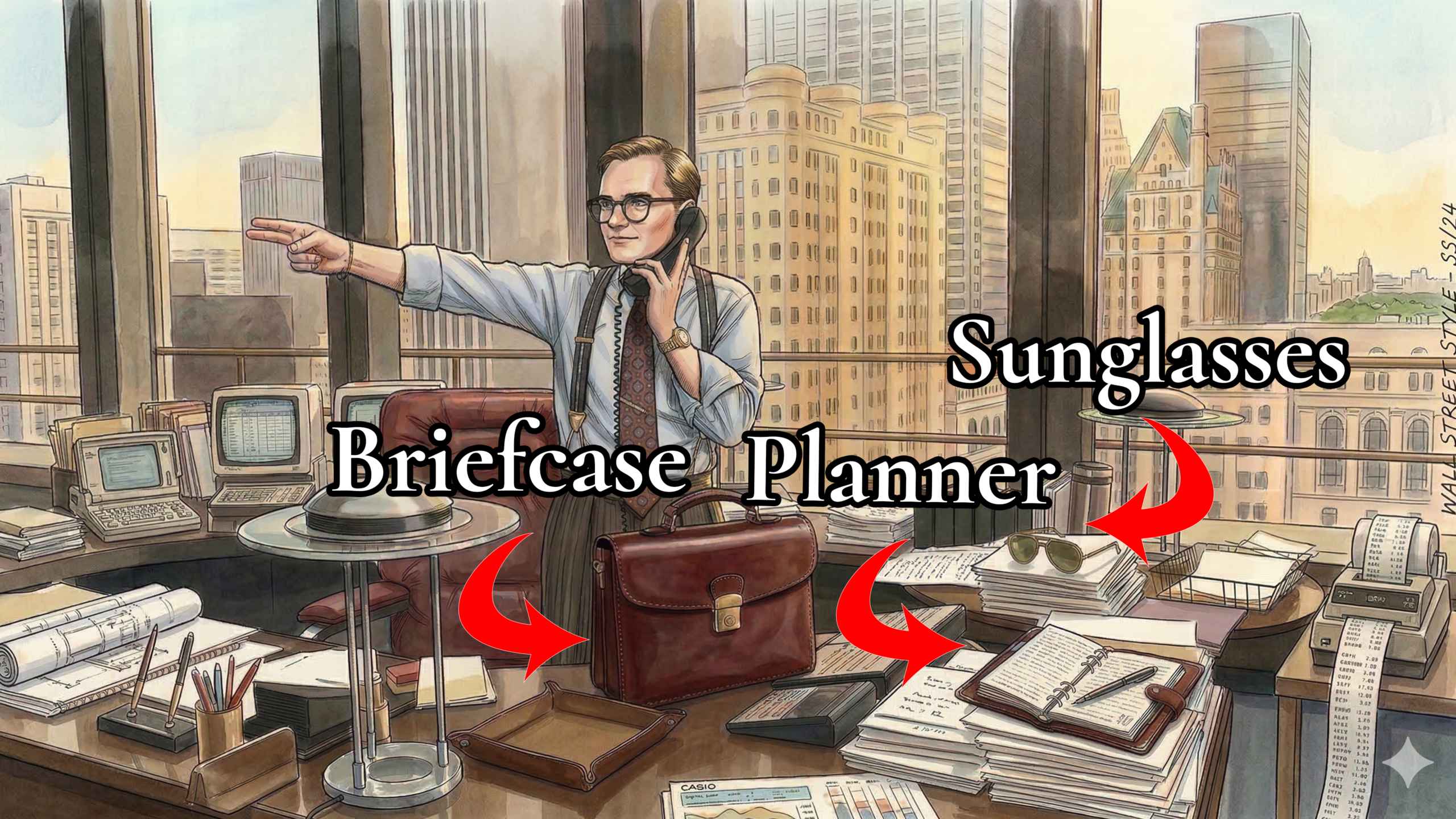
What Men Carried in the 1980s
A Complete 80s EDC Breakdown
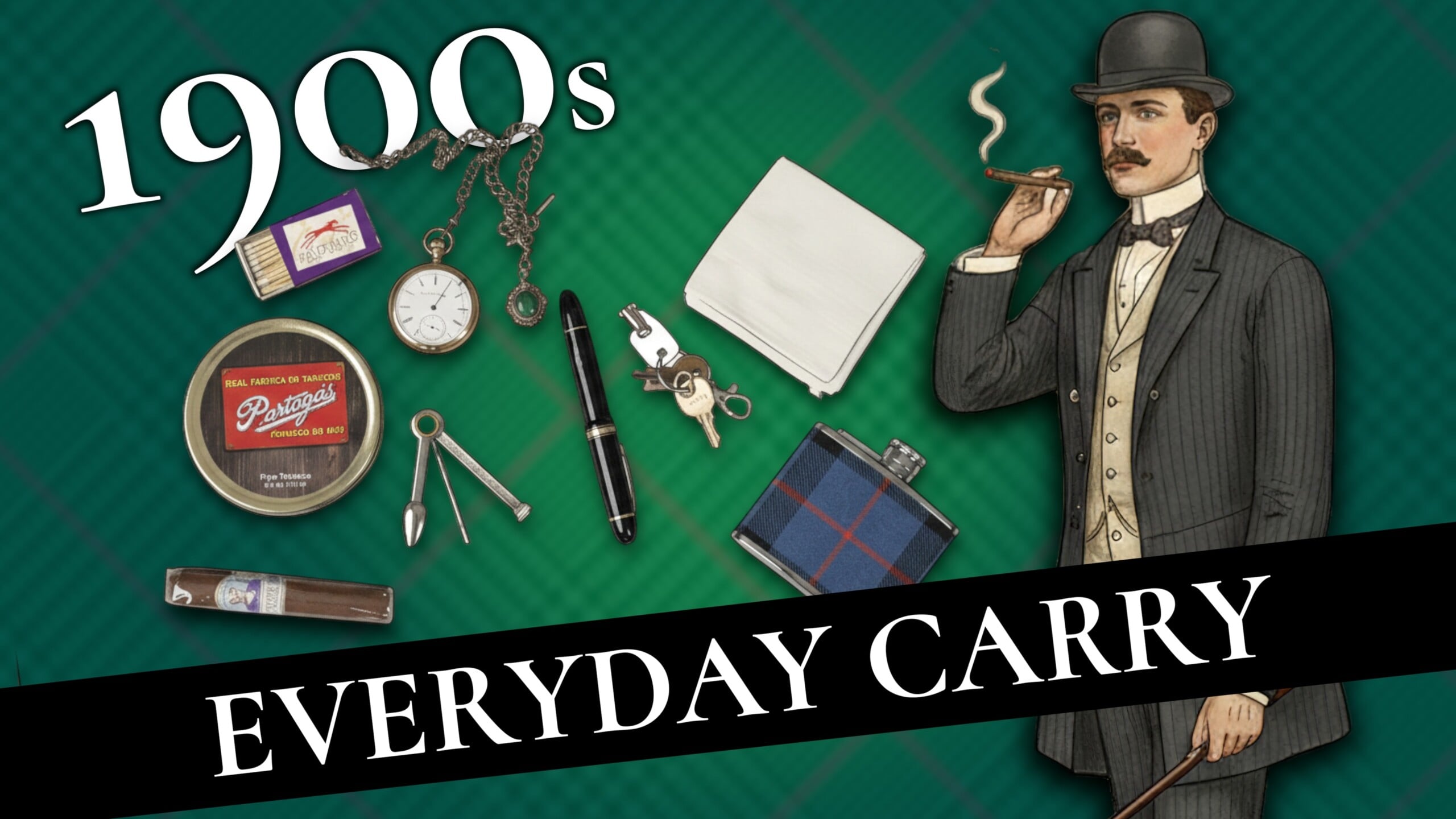
11 Edwardian Essentials
1900s Gentleman’s EDC
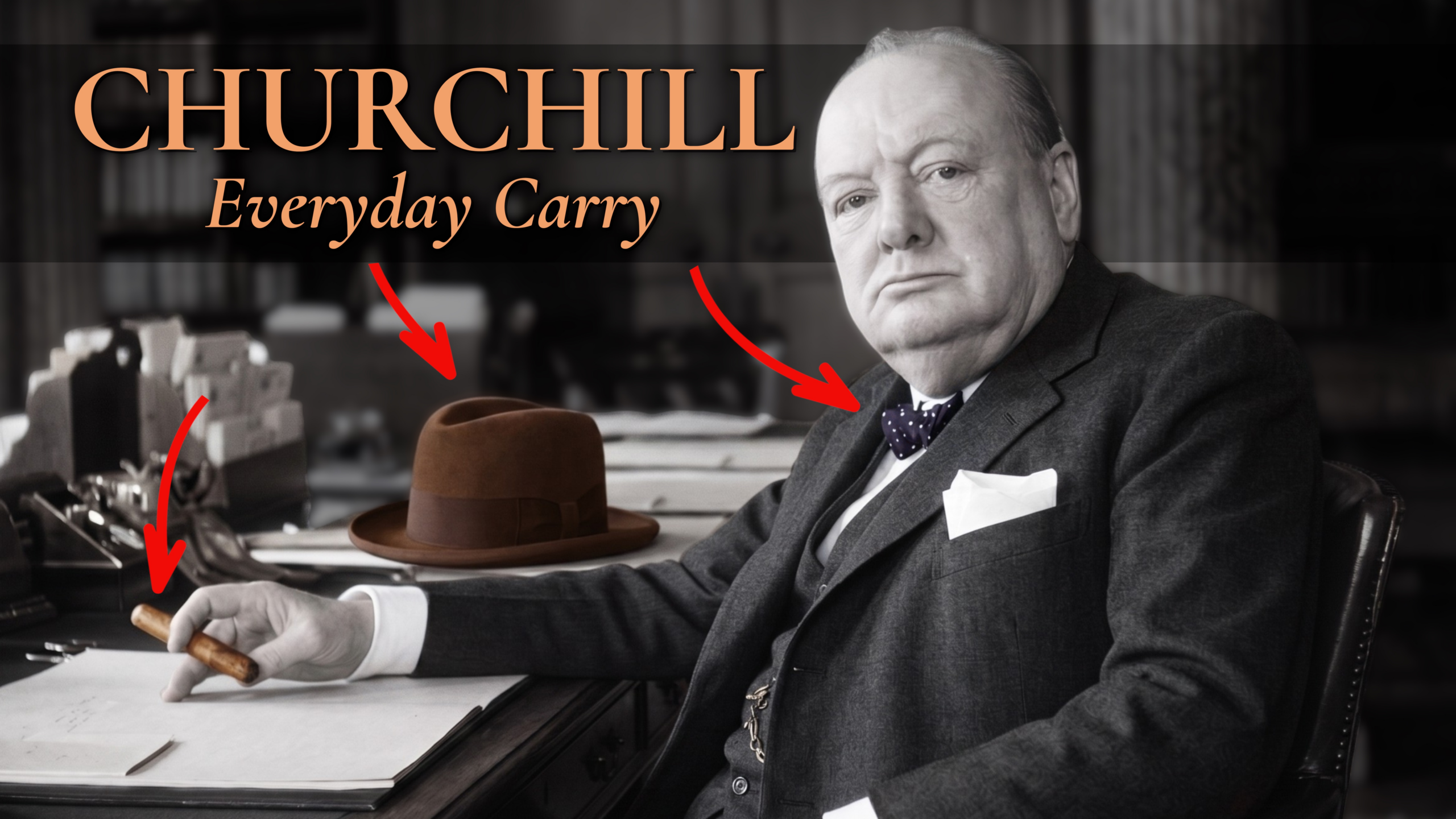
Winston Churchill’s EDC
The Armor of a World Leader
Realising that a well fitting jacket isn’t suited to carry more than a pocketsquare, I opted for a handbag. A nice italien vintage piece, made from strong cognac coloured leather. Not female at all. But I’m still unsure if it’s real gentleman style. I would enjoy to here your opinion about this!
My everyday bag is a dark brown leather tote bag from Frank Clegg. Perhaps our exploration of tote bags might interest you?
When the weather is cooler and I’m wearing a waistcoat, I carry a 1902 (approx.) Waltham “Seaside” pocket watch. It’s in a Keystone case. When it’s warmer out, I wear a 1936 Bulova “American Clipper” wrist watch; probably the “C” variant.
Other than omitting the Housewife and the hip flask, my EDC is spot on with your arsenal list. Huzzah for the 21st Amendment to the US Constitution nullifying the Volstead Act/19th Amendment!