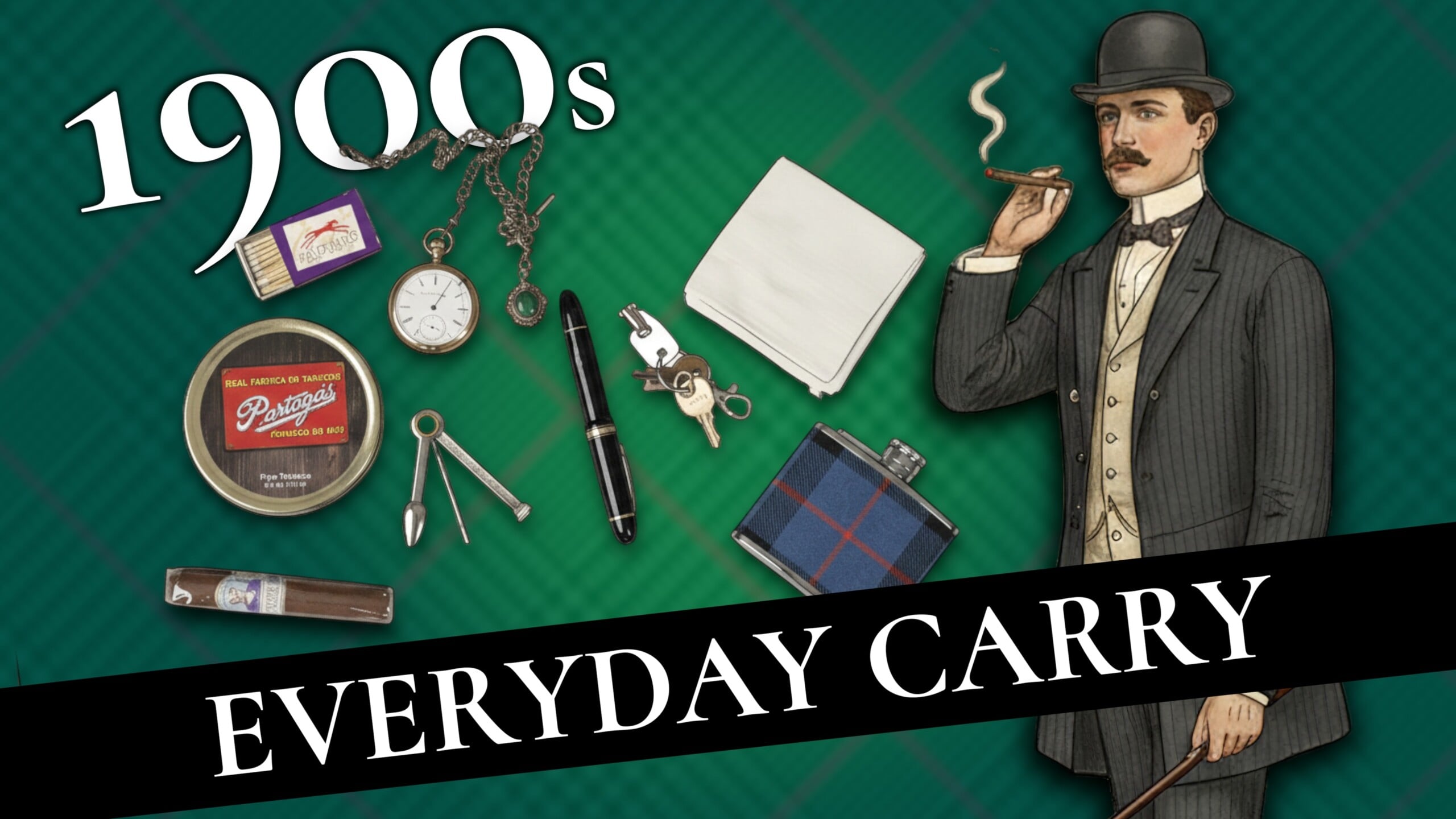
A gentleman’s “Everyday Carry” looked quite different at the turn of the 20th century than it does today. Before smartphones and credit cards, a man’s pockets were filled with items dedicated to punctuality, etiquette, and grooming.
In this guide, we examine the typical EDC of the 1900s (specifically the Edwardian era), listing 11 essential items plus a few surprising bonuses.

1. The Walking Stick
The walking stick is one of the clearest stylistic delineators between the late Victorian/Edwardian eras and the decades that followed. While they had been popular accessories for wealthy gentlemen since the 17th century, the Edwardian era marked their final period of widespread prevalence before they fell out of favor in the 1920s.
Canes: Fashion Accessory or Medical Aid?
2. Pocket Watch, Fob & Chain
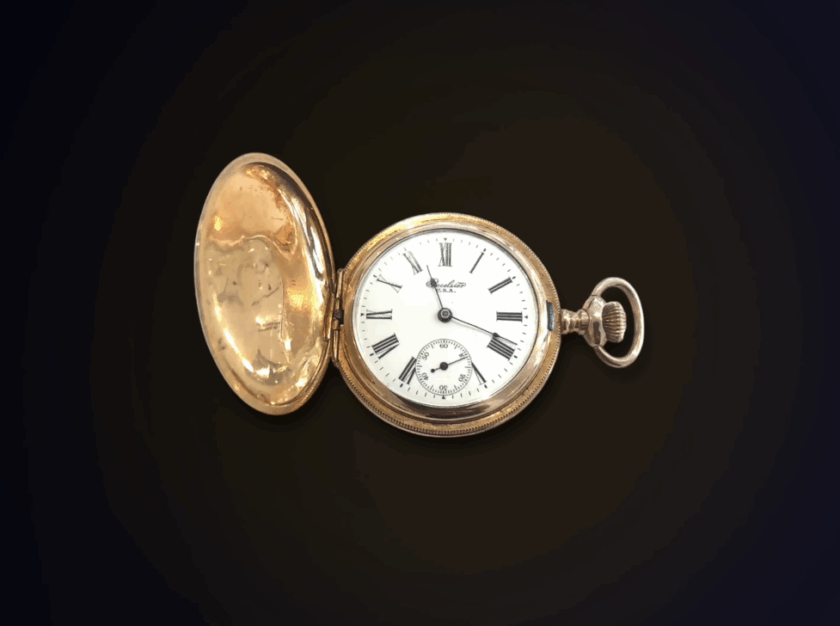
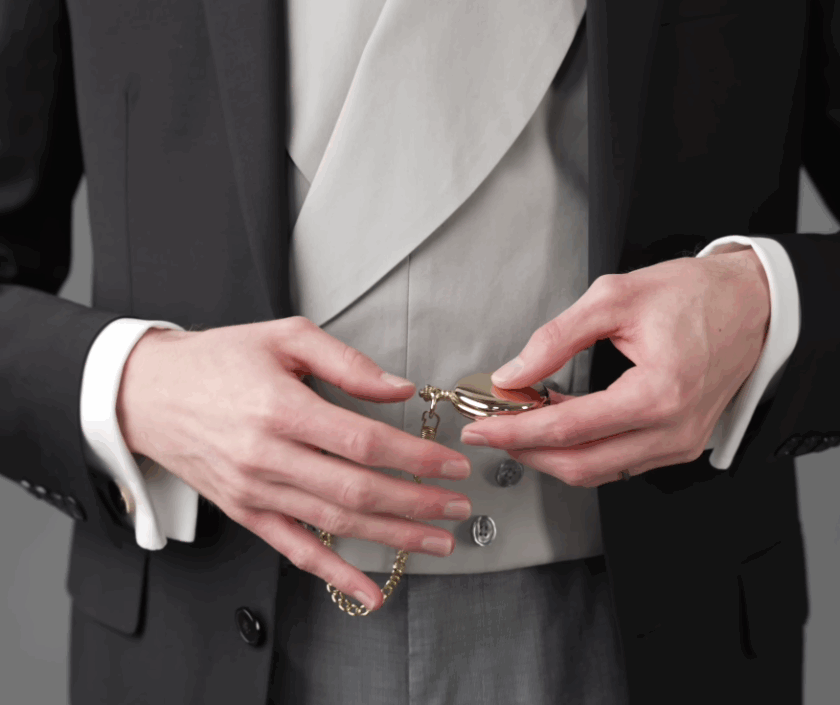
In the 1900s, the pocket watch still reigned supreme, as the wristwatch (or “trench watch”) wouldn’t see widespread use until World War I and after.
- Storage: These were typically kept in a waistcoat pocket, connected by a chain to a decorative fob in the opposite pocket.
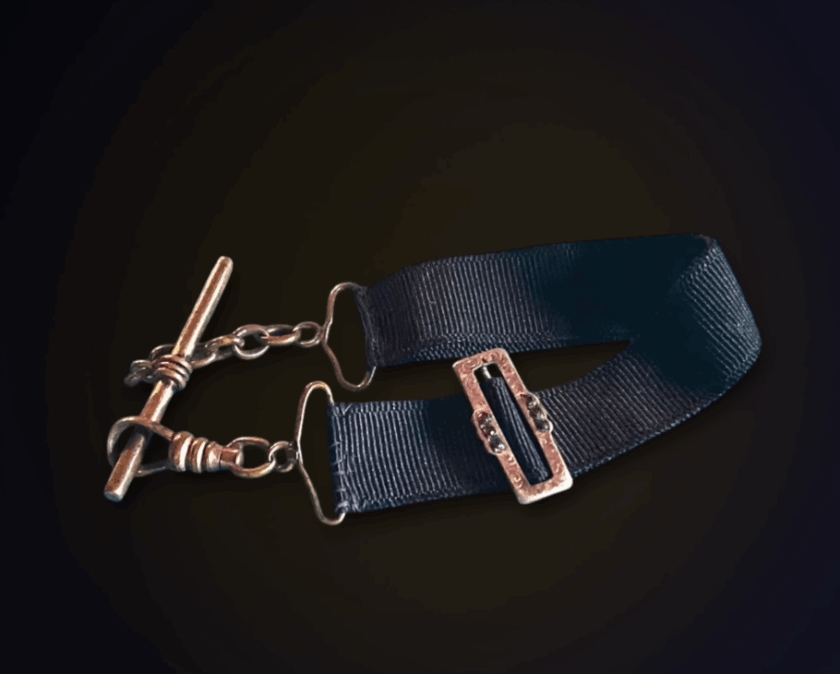
- Alternatives: If a waistcoat wasn’t worn, the watch could be kept in a trouser pocket or even a jacket breast pocket secured by a leather Albert Strap.
3. Keys
While modern men might carry bulky keychains, a 1900s gentleman likely carried fewer keys. Why? Automobile ownership wasn’t yet widespread, and many public or private buildings had dedicated doormen entrusted with locking and unlocking doors. The keys he did carry were usually for his home or office.
What a Gentleman Carries in 2026
4. Smoking Implements
The 1900s were awash in tobacco. However, cigarettes were not nearly as ubiquitous as they would become after WWI. Instead, pipes and cigars were the dominant choices.
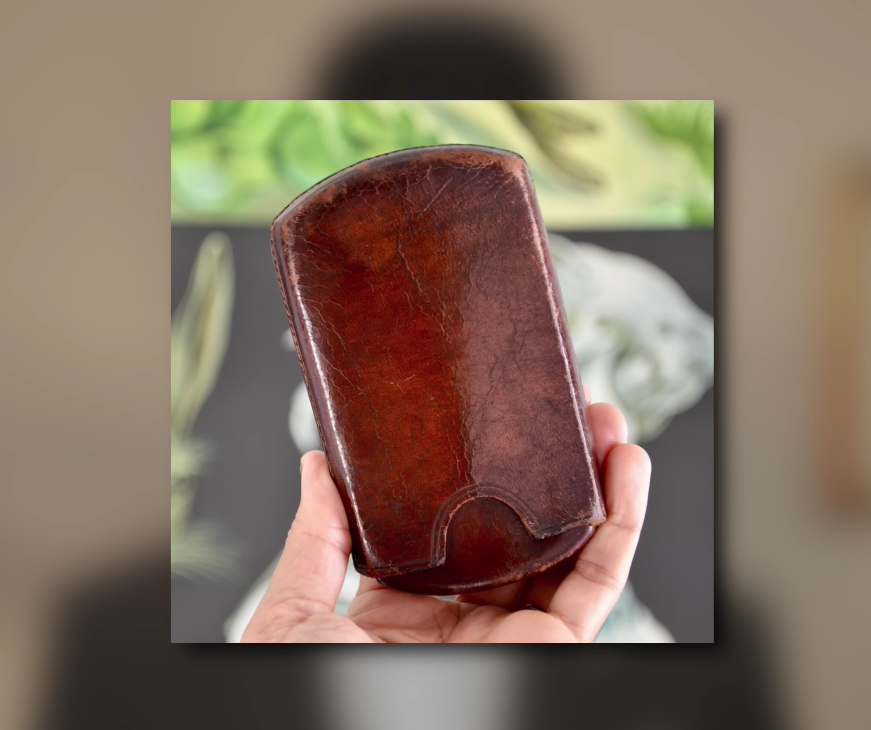
Cigar Cases
Often made of leather or metal (sometimes with silver or gold engraving), these cases were generally smaller than modern versions.
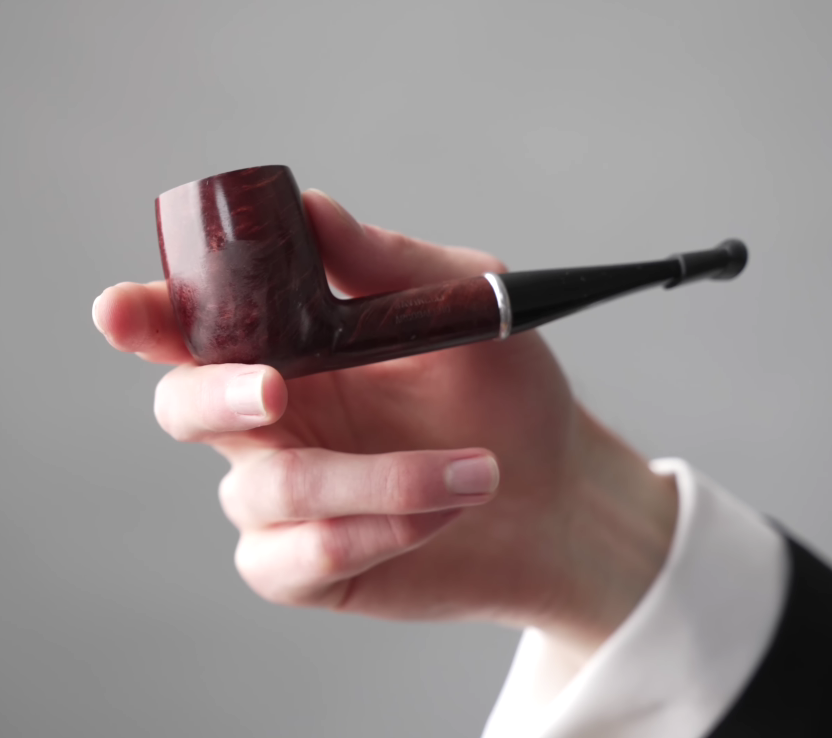
Pipes
Made from briarwood or Meerschaum clay, pipes were used with loose tobacco stored in leather pouches.
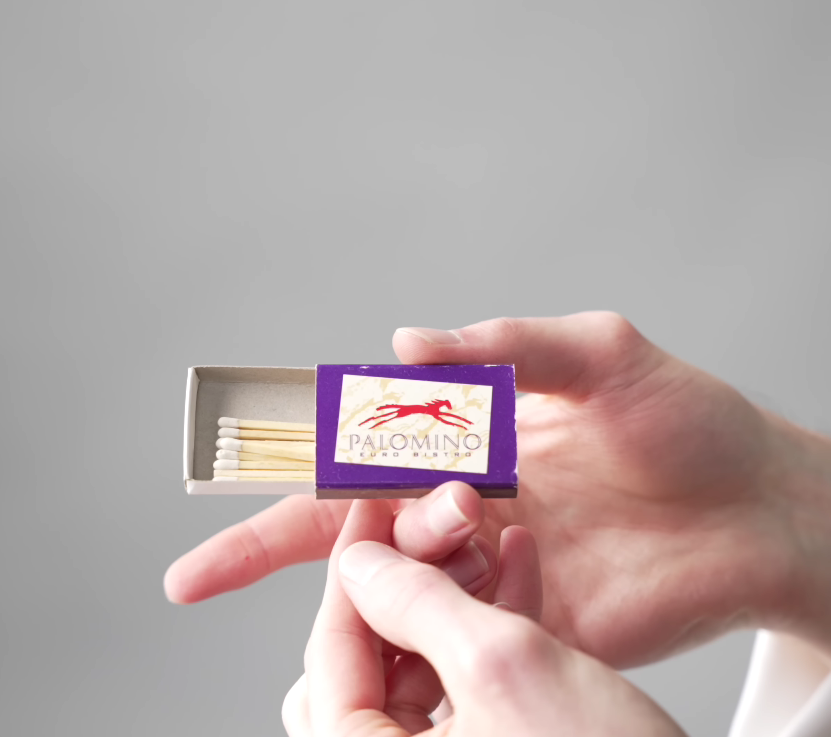
Matches
To light up, a book or box of matches was essential, as portable lighters were not yet common.
5. Wallet or Coin Purse
In an era before credit cards or driver’s licenses, the wallet served a single purpose: carrying cash.
- Buying Power: Keep in mind that $1 in 1905 had the buying power of roughly $35–$40 today.
- Design: Wallets were typically larger than today’s standards, made of leather or metal, and designed to hold bills and coins.
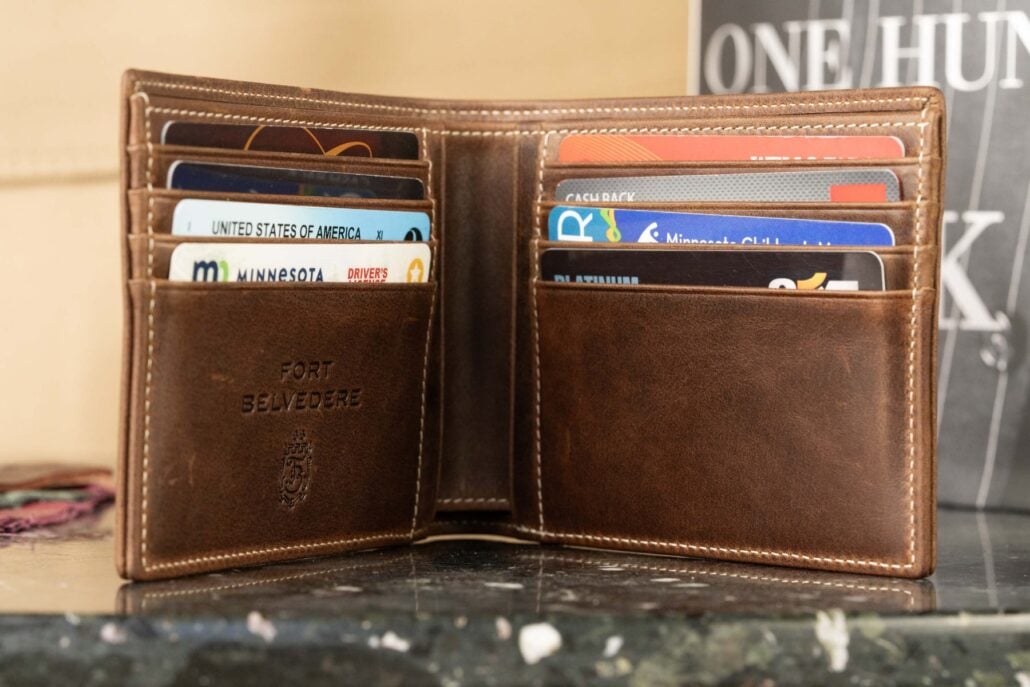
RECOMMENDED
Classic 8 Card Bifold Antique Mahogany Leather Wallet
Any Edwardian gentleman would have been proud to carry this wallet! Our Classic 8 Card Bifold in Antique Mahogany is crafted from rich full‑grain leather that develops a handsome patina the more you use it, turning everyday wear into character and charm. Its slim silhouette slips neatly into your jacket or trouser pocket while still holding eight cards and bills with ease, so you stay organized without unsightly bulk. Meticulous European craftsmanship, leather lining, and discreet RFID protection make this a piece you’ll enjoy handling every single day, and be proud to present whenever you pick up the check.
6. Calling Cards & Case
Social interactions in the 1900s often involved complex rituals. A visitor to a wealthy residence would present a calling card (or visiting card) to a servant, who would then present it to the property owner.
These cards featured the visitor’s name and title, and were kept pristine in dedicated cases made of leather, metal, or even papier-mâché with mother-of-pearl inlays.
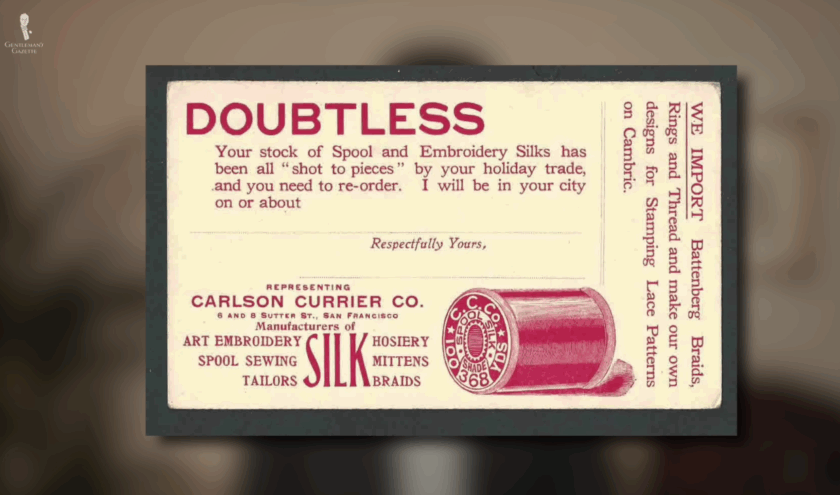
7. Fountain Pen
Before cheap disposable pens existed, a gentleman carried a quality writing implement. In a time when handwritten correspondence and financial documents were the norm, a fountain pen was a necessary inclusion in any pocket.

8. Pocket Notebook
The pocket notebook was actually a “hot new item” of the time. While paper had been around for centuries, the “Silver City Writing Tablet” – glued, halved sheets of paper backed by cardboard – was invented in 1902 by J.A. Birchall. This innovation led to the widespread adoption of pocket-sized, bound notebooks for jotting down daily notes.
Things That Are Better The Old Fashioned Way
9. Hair Care Items (Comb & Pomade)
Hat etiquette in the 1900s dictated that a man remove his hat frequently indoors. To maintain his hair throughout the day, he relied on a pocket comb (often made of horn) and pomade.
Note on Ingredients: Unlike the petroleum-based products of the 1920s, pomades of this era were often made from beeswax, lard, or even bear’s grease.
10. Corrective Lenses
In the 1900s, vision-correcting lenses were considered “medical appliances” and carried a social stigma.
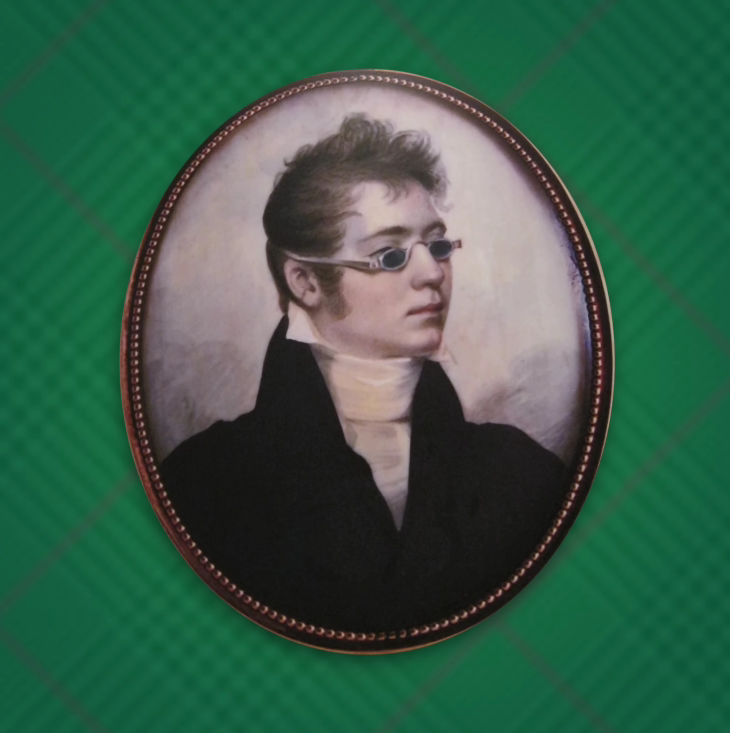
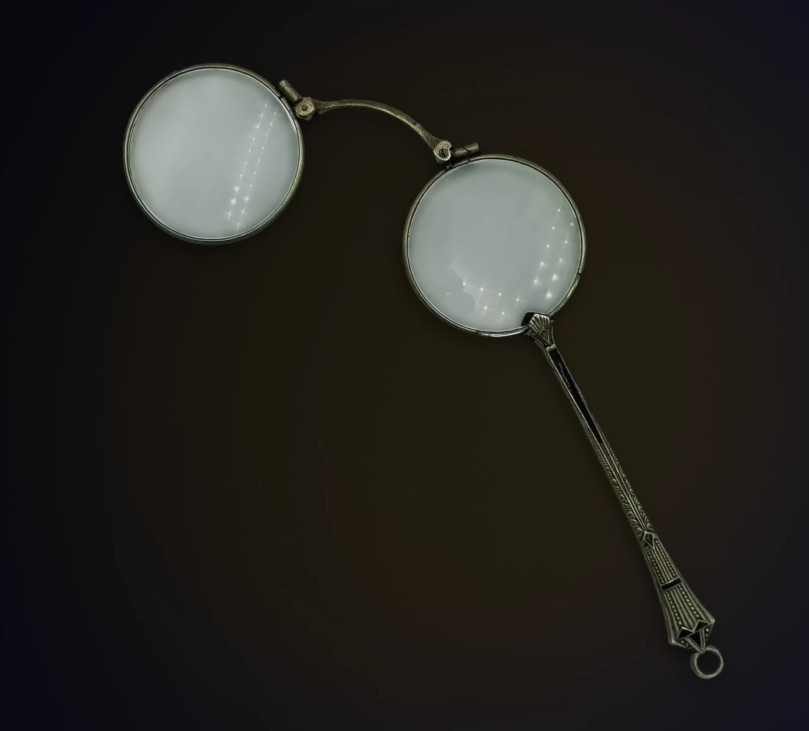
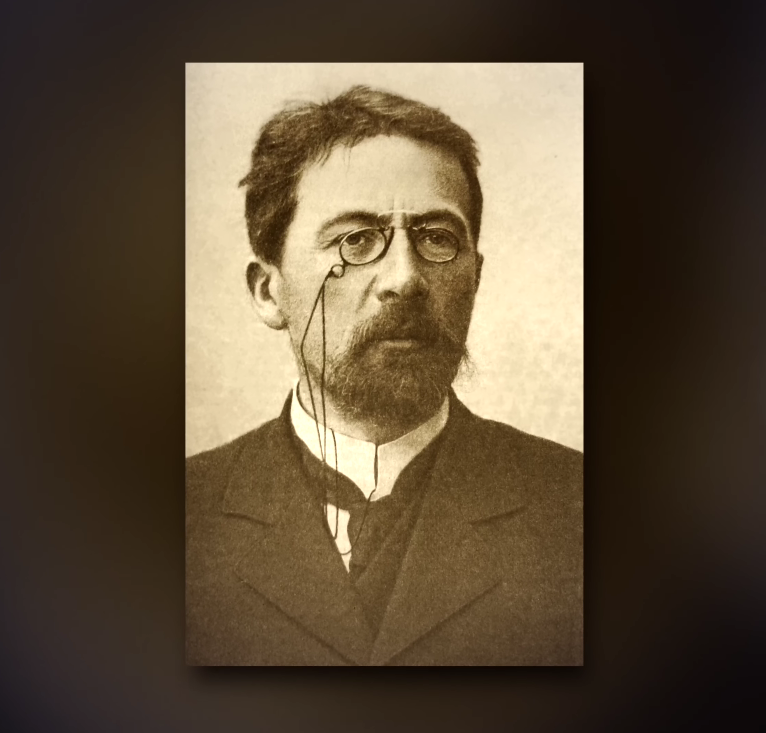
Consequently, eyewear was designed to be unobtrusive and often stored in a pocket when not in use. Common styles included:
- Pince-nez: Glasses that pinched the nose bridge.
- Monocles: Often attached to a lapel via a retractable chain or brooch.
- Lorgnettes/Quizzing Glasses: Hand-held lenses for quick reading.
11. Handkerchief
Distinct from the decorative pocket square, the handkerchief was a utilitarian tool made of white cotton or linen. It was used to mop one’s brow, clean eyeglasses, or wipe down surfaces in the sooty cities of the industrial age.
15 Habits of a True Gentleman
Bonus Items
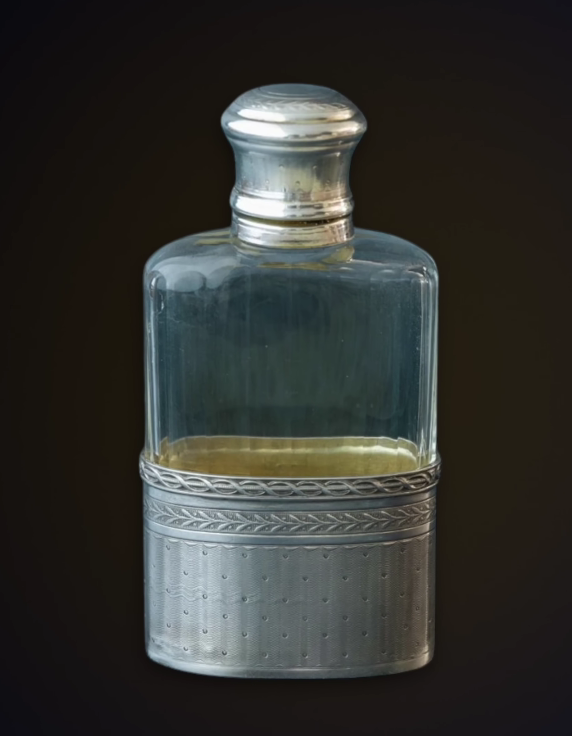
The Hip Flask
While the flask would explode in popularity during the Prohibition era of the 1920s, metal and glass flasks did exist in the 1900s for those who wished to carry spirits on their person.
The Pocket Lamp (Early Flashlight)
Electric lighting was cutting-edge technology. Following the invention of the dry cell battery in 1887, the first portable handheld electric lights appeared. By 1907, “flashlights” were available as expensive novelties, used primarily by tradesmen and early adopters.
Conclusion
That hopefully sheds some light on a typical gentleman’s EDC of the 1900s. What items were you surprised to see, and are there any you think we missed? Let us know in the comments below.
By the way: previous installments in this series have covered the 1920s, ‘60s, and ‘80s—leave a comment on which decade you’d like for us to cover next!
Frequently Asked Questions
What did “EDC” mean for a gentleman in 1900?
The modern term “EDC” did not exist, but men still carried a predictable set of daily essentials focused on punctuality, social etiquette, and personal presentation. Typical items included a pocket watch and chain, money in notes and coins, a handkerchief, and often smoking implements.
Did every man in 1900 carry the same things?
No. An upper-middle-class or aristocratic gentleman in a city might carry finer, decorative versions of common items, while working men tended to carry fewer, more rugged essentials suited to their trade. Social status, occupation, and whether the day called for business, leisure, or travel all influenced what ended up in his pockets.
Was a wristwatch common EDC in 1900?
Wristwatches were still unusual for men around 1900; the gentleman’s standard was a pocket watch, often on an Albert chain or fob worn with a waistcoat. The watch was both a practical timekeeper and a visible symbol of reliability and status.
Where did a gentleman keep his money and papers?
Paper currency and calling cards were typically kept in a coat wallet and a card case, respectively, while coins lived in a dedicated coin purse or trouser pocket. A businessman might also carry a small notebook, pencil, or fountain pen for appointments, expenses, and correspondence on the go.
What grooming items were part of a 1900 gentleman’s everyday carry?
A compact pocket comb was common, especially given the era’s structured hairstyles and frequent hat removal. Some men also carried a small mirror, mustache comb or wax, and basic items like smelling salts or a tiny vial of cologne when traveling or socializing.
Did gentlemen carry handkerchiefs every day?
Yes. A cloth handkerchief was almost universal and served both hygienic and social purposes, from personal use to offering aid to others. For dressier occasions, a separate decorative pocket square might appear in the breast pocket while a plainer handkerchief stayed in a trouser or hip pocket.
Were smoking accessories part of a typical 1900 EDC?
For many men, yes: cigarettes, cigars, or pipe tobacco were very common, accompanied by a match safe or box of matches. Slim metal cases for cigars or cigarettes also signaled refinement and protected the contents in a tailored pocket.
Did a gentleman carry a pocket knife or other tools?
Small folding knives were widely used for opening letters, trimming loose threads, cutting fruit, or general utility, though more visible “working” knives were associated with tradesmen. Some men also carried simple tools like a watch key (for older watches), a pencil sharpener, or small house and wardrobe keys on a ring or chain.
What role did gloves and canes play in his everyday carry?
Gloves, often in leather or suede, were standard for outdoor wear and formal calls, so a gentleman might carry or don them whenever he left the house. Walking sticks or canes were less about mobility and more about posture, presence, and fashion, particularly in urban or social settings.
How did pockets and clothing affect what he could carry?
By 1900, jackets, waistcoats, and trousers incorporated multiple specialized pockets for watches, coins, tickets, and pens. Tailored garments were cut with these uses in mind, meaning the clothing and the EDC formed one integrated system rather than a random assortment of items.
What to Watch Next
EDC 2026
Team GG’s Everyday Carry

Best Pocket Knives
How to Buy a Pocket Knife for EDC

15+ Years of Travel
Frequent Flyer Premium Travel Kit & EDC
I am 78 years old, I was born in Alabama. My family was originally farmers but we were upper middle class, and my Grandfather was a Baptist minister. Items he always had on his person. A small pocket knife, called a pen knife, from Sheffield England, which he kept in his vest pocket. A Briar pipe in a leather pouch, with a pipe tool, which he kept in his inside jacket pocket. A small folding magnifying glass (for reading scriptures), and a very fine deer skin change purse, with three compartments, one for change, one for small pencils and sharpeners, and a third, zipped on the bottom for folding money.My father had a money clip, but grandfather thought those were “vulgar”. Dad hated coin pouches and carried his coins loose in his pockets, which Grandfather, also considered “vulgar”. He also had a small tin for snuff, which he sniffed for medicinal purposes.
A walking stick in your pocket? Would that have been a good look?
Perhaps a collapsible walking stick would have fit into a deep poacher’s pocket in an overcoat or hunting cape. We know how much gadget canes (or “system sticks”) were enjoyed back then.
Hi – I have two questions.
1) Would a handkerchief be kept in a pants pocket during that time?
2) Would the collar be tucked behind or above a bow tie? I have seen it both ways in old movies but behind the bow tie in current times.
Thanks,
Ken
Hi Ken, the more practical handkerchief may well have been kept in the trouser pocket at the time, although it was likely that each individual had their own preferred spot to keep their handkerchief stored. As for the question of where the bow tie and collar both sat, it would largely depend on the style of both components and the intention of the wearer. So, the answer is yes to both!