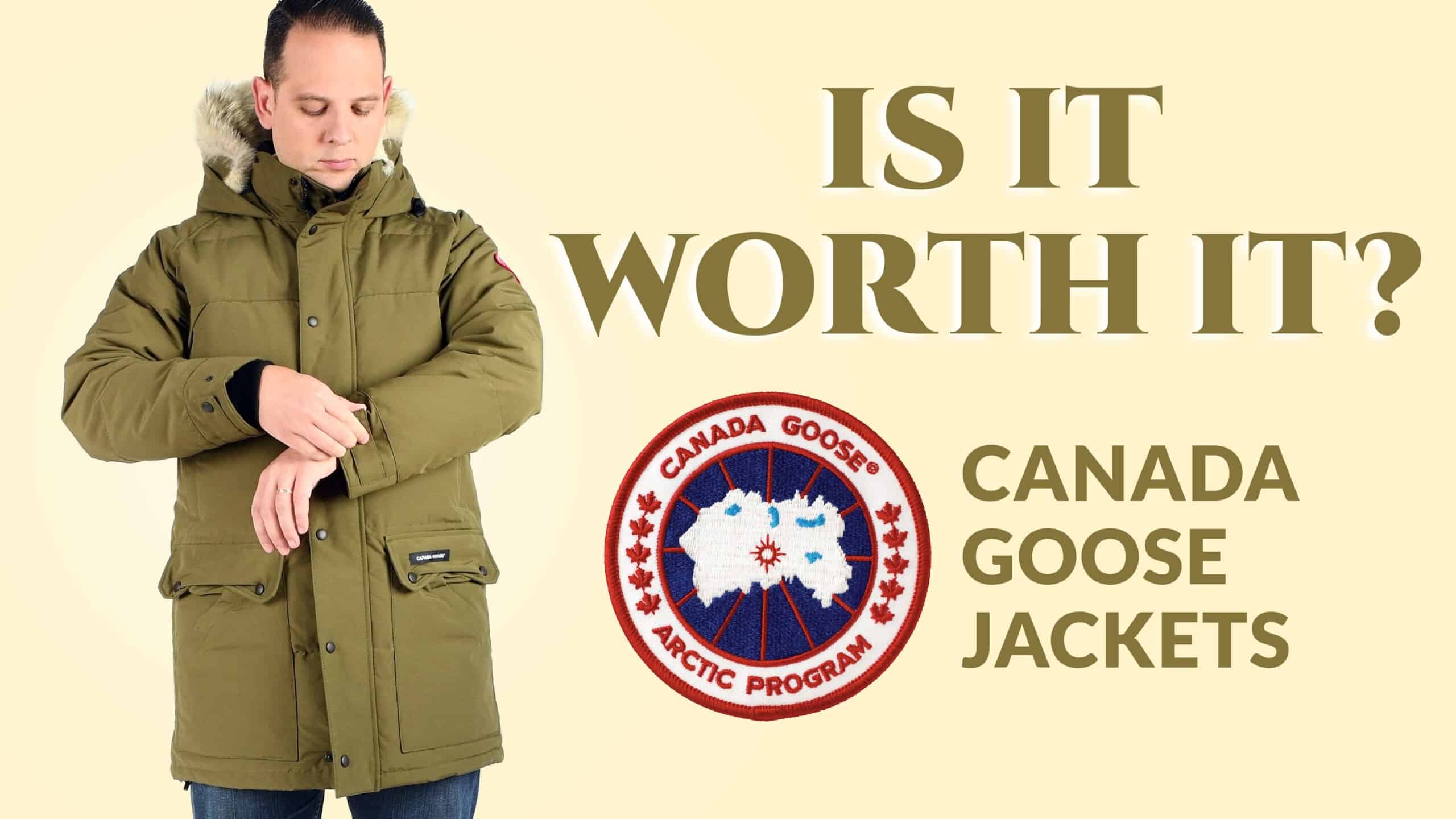
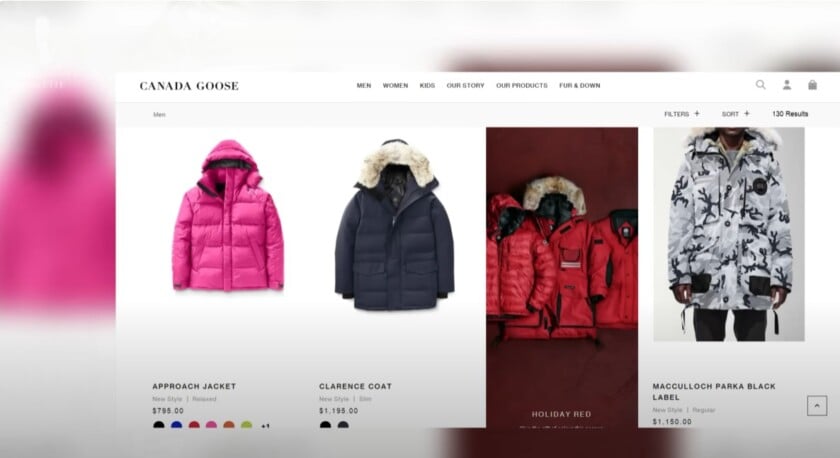
In recent years, Canada Goose transitioned from a smaller brand focusing on functional wear to a very stylish brand that became extremely popular. As a consequence, their flagship jacket, which we are about to review, costs around $1000.
- Canada Goose History & Brand Evolution
- What Is So Special About a Canada Goose Jacket? (A Detailed Review)
- An Overview of Newer Canada Goose Models
- How Canada Goose Compares to Competitors
- The Ethics Debate Around Fur and Down
- The Final Verdict: Is the Canada Goose Jacket Worth It?
- A Practical Guide for Owners
- FAQs About Canada Goose Jackets
- Read More Jacket Reviews
So we want to know, is it really worth that money? How does it compare to other well-known jackets, such as Moncler? Let’s find out.

Canada Goose History & Brand Evolution
From Functional Workwear to “Snow Goose”
Like many others, Canada Goose began as a functional brand for outdoor gear. It was founded in a small warehouse in Toronto by the Polish immigrant Sam Tick in 1957.
Humble Beginnings
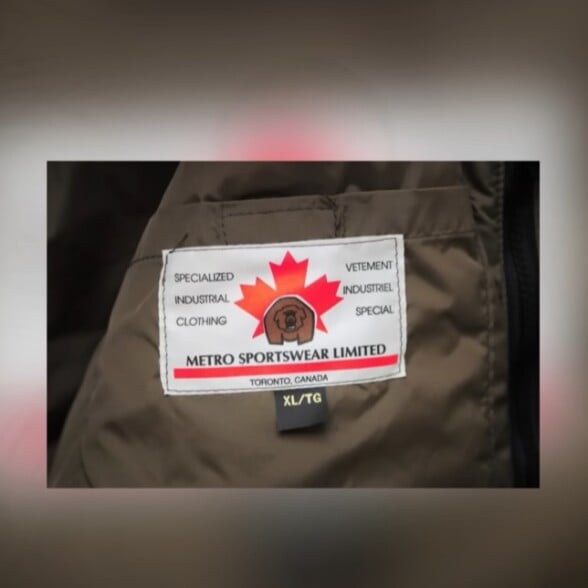
Interestingly, it was not named Canada Goose but Metro Sportswear, and its earliest products included woolen vests, raincoats, and snowmobile suits.
In the 1970s, after Sam Tick’s son-in-law, David Reiss, joined the company and invented a volume-based down-filling machine, they started producing the down jackets that would define their future. These jackets were primarily focused on serving the needs of rangers and police forces, including the Ontario Provincial Police.

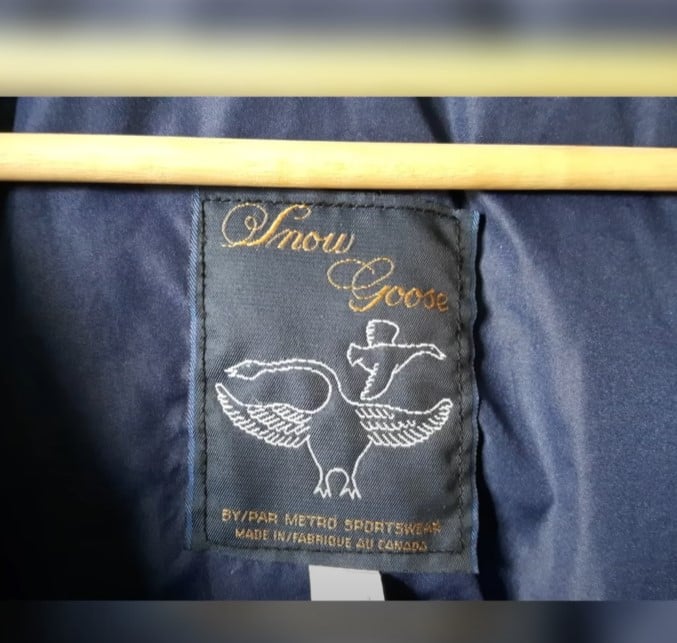
This reputation for performance in extreme cold was cemented in the 1980s when the company developed the “Big Red” parka for scientists at Antarctica’s McMurdo Station, a garment so effective it was nicknamed “the warmest coat on Earth” and would later be relaunched as the iconic Snow Mantra Parka. By 1985, they decided to produce jackets under their own brand, which at the time was called Snow Goose.
They also manufactured private-label jackets for major outdoor retailers like L.L. Bean and Eddie Bauer.
Should every man own a pair of Bean Boots?
The “Made in Canada” Philosophy
The company was growing slowly, and in the early 90s, it expanded to Europe. Unfortunately, someone else was already using the term Snow Goose, so they switched their branding to Canada Goose. Even though they were forced to change the name, it proved beneficial because of the positive association with the really cold Canadian climate.
In 2001, Dani Reiss, David’s son, took over as CEO. At the time, many apparel companies were shifting production overseas to cut costs, but he made a pivotal decision, famously saying: “No, we’re gonna produce in Canada.” Reiss saw that for a brand selling authentic, extreme-weather outerwear, “Made in Canada” was not a liability but its most powerful asset and a key justification for its premium price.
How a Parka Became a Global Fashion Icon
At the same time, Reiss began pushing the products internationally. Especially in Europe, people didn’t question the high price tag because they associated it with a luxury, high-end product. Ironically, the brand flew pretty much under the radar in popular culture up until about 2010.
Its big break came organically from film sets, where its parkas became the unofficial uniform for crews working in cold locations. This led to actors wearing them on and off-screen in movies like The Day After Tomorrow and National Treasure.

The brand then undertook an aggressive product placement strategy using celebrities such as Daniel Craig. Of course, that was also reflected in their revenue. The company went from $18 million a year to a multiple of that, selling a 70% stake to private equity firm Bain Capital for a quarter of a billion dollars in 2013.
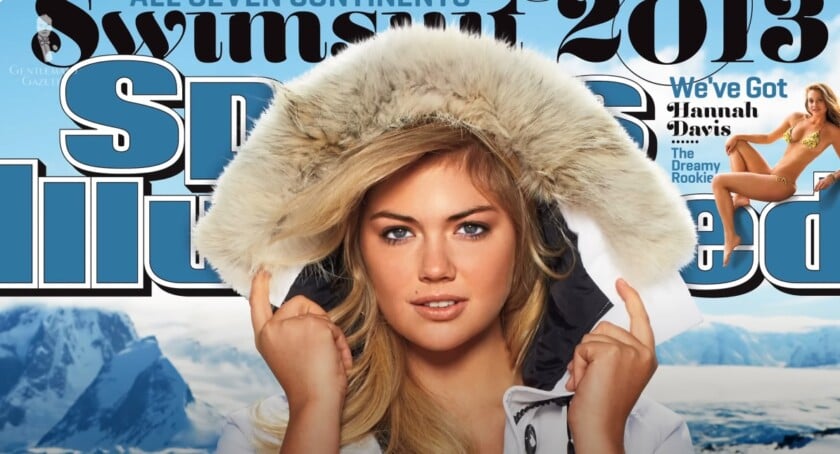
By then, Canada Goose had become so popular that model Kate Upton wore a jacket over her bikini for a Sports Illustrated cover. This cultural ascent continued, and in 2017, the company went public with a successful IPO on the Toronto and New York Stock Exchanges.
Today, Canada Goose continues to focus on quality and domestic Canadian production while expanding its global retail footprint with flagship stores in major cities. Of course, with the increasing popularity of the Canada Goose logo, many counterfeit jackets have appeared on the market, so the company uses an authentication system, ensuring that if you pay top dollar, you get the genuine item and not a fake.
Are you falling for common fashion gimmicks?
What Is So Special About a Canada Goose Jacket? (A Detailed Review)
To understand what goes into a jacket that costs over $1,000, we’ll use the classic Emory Parka as our example. This garment breaks down into four key areas: the shell, the hood, the insulation, and the details.
The Fur Hood: Is It Real?
On jackets manufactured before 2023, the first thing that distinguishes the hood is the genuine coyote fur trim. Canada Goose has long claimed that the fur has a functional purpose, creating turbulent air around the face to prevent frostbite more effectively than a hood without the trim.
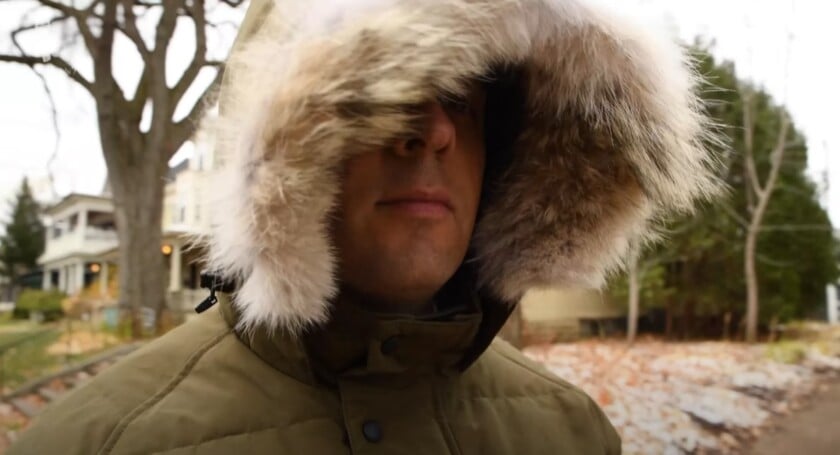
However, this is a critical point to update: Canada Goose no longer uses real fur. In response to years of ethical debate and shifting consumer preferences, the company announced in 2021 that it would cease purchasing fur by the end of 2022.
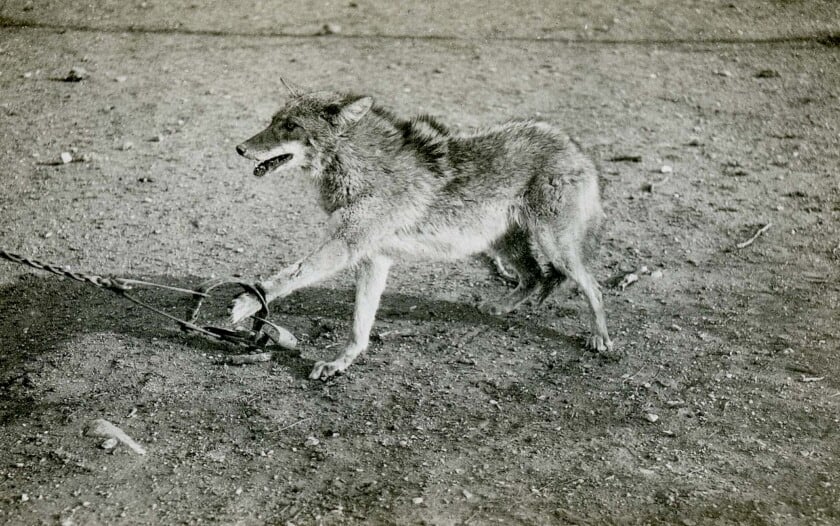
While the fur trim was a defining feature of the brand’s classic look, all new jackets are now sold without it.
The Outer Shell: Is It Waterproof?
The next thing that stands out is the material. It’s not a shiny nylon but a thick, matte fabric that Canada Goose calls Arctic Tech®. This signature material is made of 85% polyester and 15% cotton, and it is designed to be extremely durable, hard-wearing, and wind-resistant.
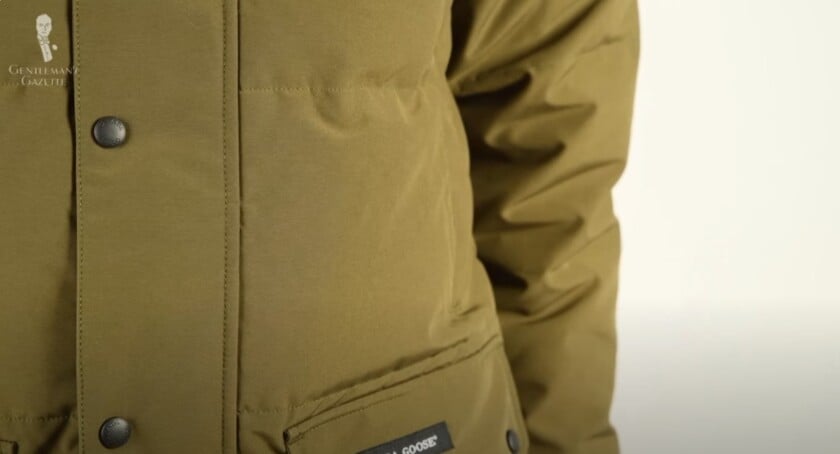
So, is it waterproof? The direct answer is no. Arctic Tech® is treated with a durable water-repellent (DWR) finish, making it highly water-resistant and able to handle snow and light rain with ease. However, it is not fully waterproof like a Gore-Tex membrane. Its primary purpose is to perform in extreme cold, dry climates.
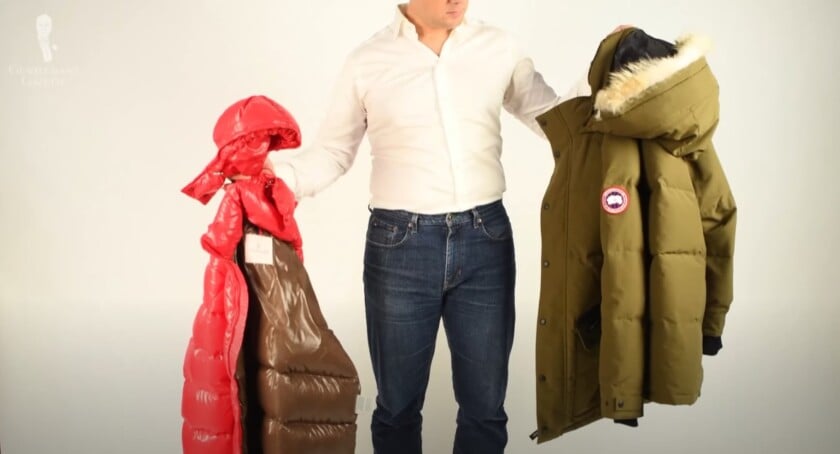
This focus on durability results in a fabric that is much stiffer than what you get from many competitors. It also makes a lot of noise when you walk, and the stiffness of the fabric is felt throughout the entire jacket.
The Details: Zippers, Pockets, and Cuffs
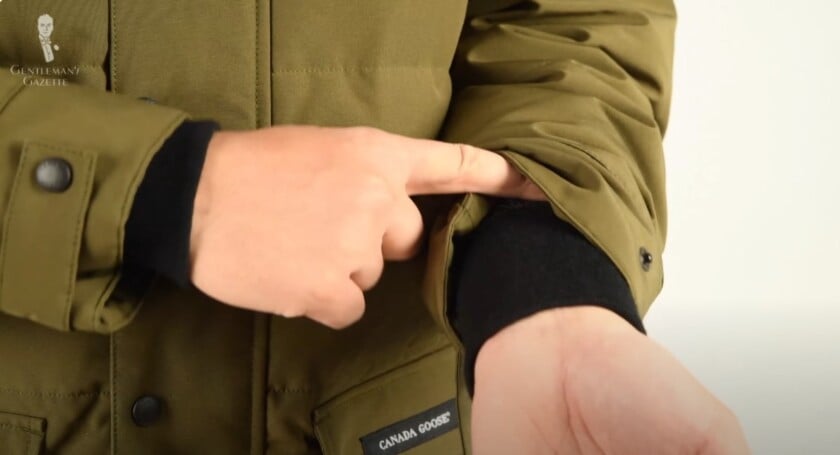
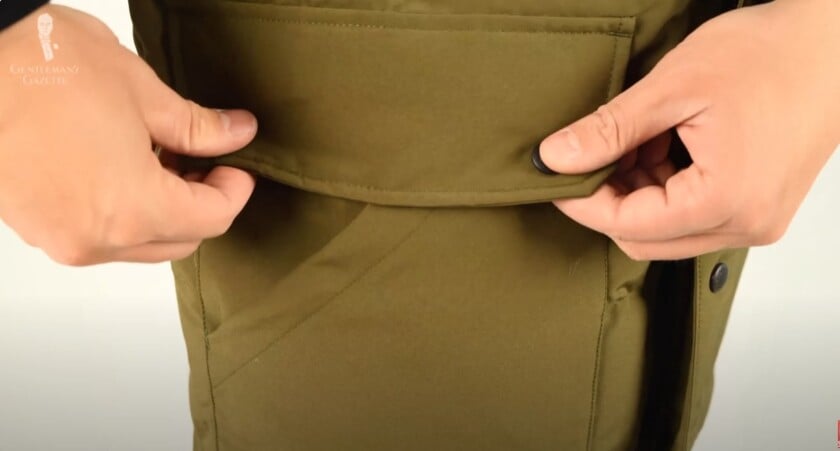
A Canada Goose parka is packed with functional details. The jacket features an abundance of pockets with lots of branded, plastic-covered Zamak metal snap buttons. The heavy-duty, ribbed cuffs are particularly useful, as they create a seal to prevent cold air from coming up the sleeves.
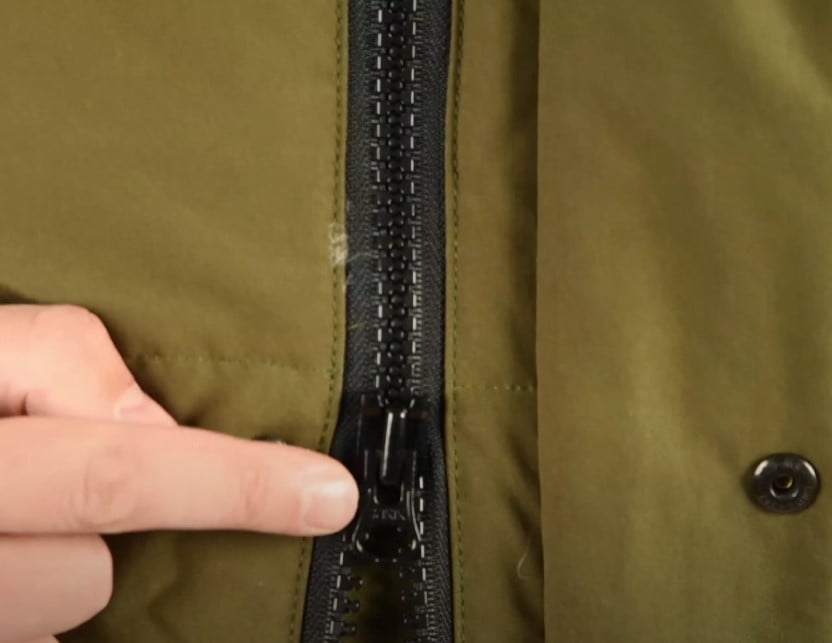
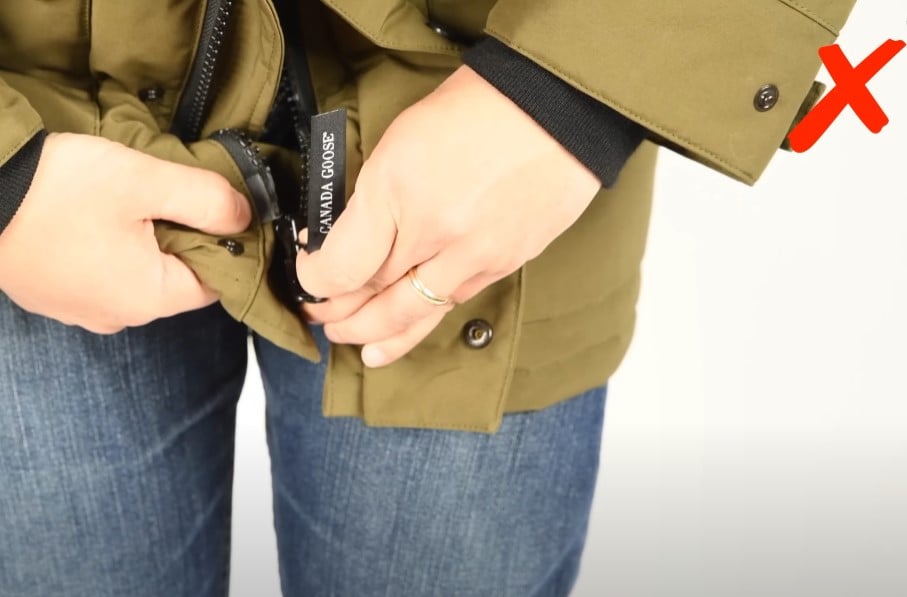
However, the main zipper is a point of criticism. It is a plastic injection-molded zipper from YKK. For a jacket that retails for over $1,000, some expect a higher-end zipper made of machined metal, not an average YKK product. Furthermore, the zipper can be difficult to close, which detracts from the user experience of a premium-priced garment.
The Insulation: Goose Down or Duck Down?
Despite the name, many Canada Goose parkas are filled with duck down, which has smaller clusters and a lower insulating capacity than goose down. This is reflected in the jacket’s fill power of 625.
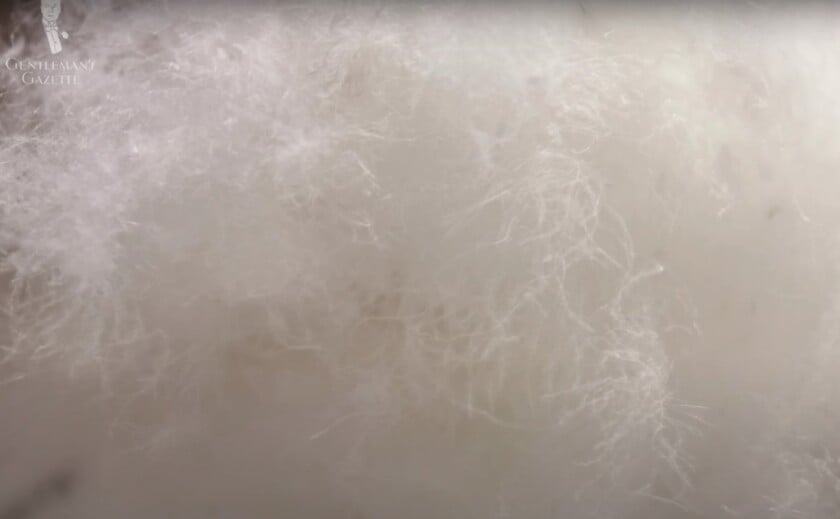

For context, low-end fill power is around 300, while premium jackets can reach 900 or more. This jacket sits right in the middle. It consists of 80% down and 20% feathers, which is a good ratio, though some high-end competitors offer 90% or even 93% goose down.
For a premium price, some may expect higher-end insulation, especially when other specialized brands offer superior specifications. For example, the Swedish brand Jöttnar produces jackets with a fill power of 850, while the British manufacturer Peter Hutchinson Designs (PHD) boasts jackets with a fill power of 1000.
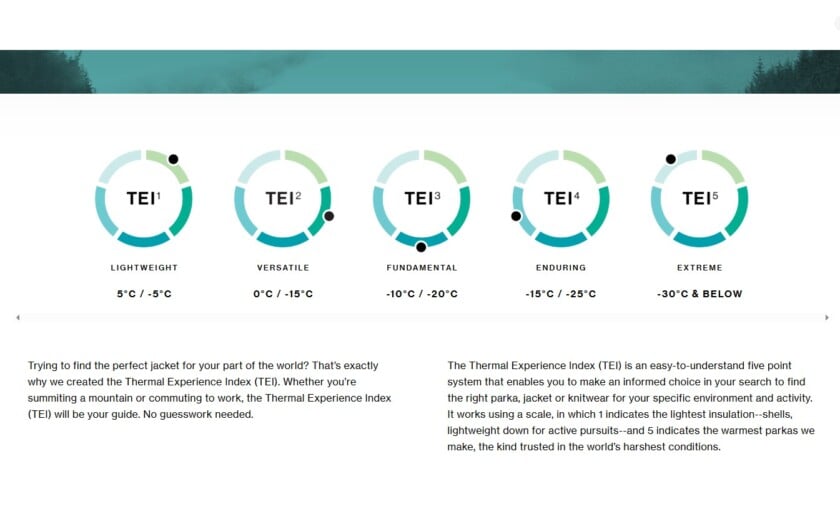
To help customers, Canada Goose developed a warmth grading method called the Thermal Experience Index (TEI). This five-point scale helps you find a jacket best suited for your environment, from lightweight TEI 1 jackets for milder weather to TEI 5 parkas tested for the coldest places on Earth.
An Overview of Newer Canada Goose Models
The Canada Goose product lineup has steadily increased and now includes far more than just heavy-duty parkas. The brand has expanded significantly to offer a range of products suitable for different climates, activities, and everyday use. This allows customers to find the best fits for their lifestyle, whether they live in the Arctic or a more temperate city.
Here is a brief overview of their modern collections:
Modern Parkas (e.g., Wyndham, Carson, Langford)
Responding to a demand for a more urban aesthetic, Canada Goose developed parkas with a slimmer, more contemporary silhouette.
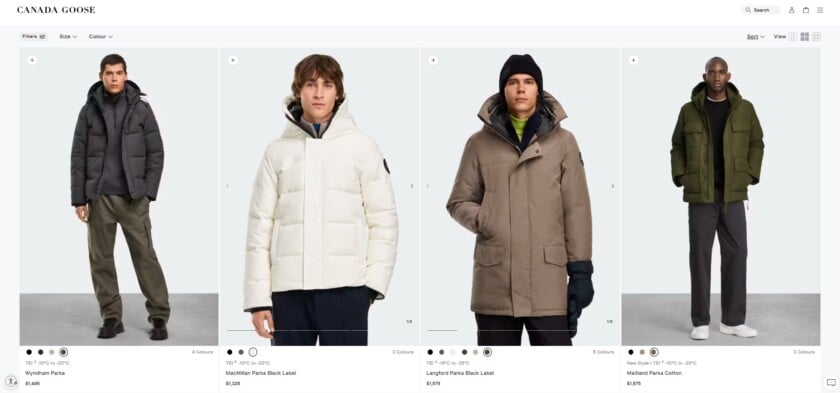
Models like the Wyndham and Carson are less bulky than the expedition parkas but still offer exceptional warmth. They are ideal for city dwellers who want the brand’s performance without the expedition-level volume.
Lightweight Down Jackets (e.g., Lodge, HyBridge)
This is one of the brand’s most popular new categories. The Lodge Hoody is a packable, versatile down jacket perfect for travel and layering.
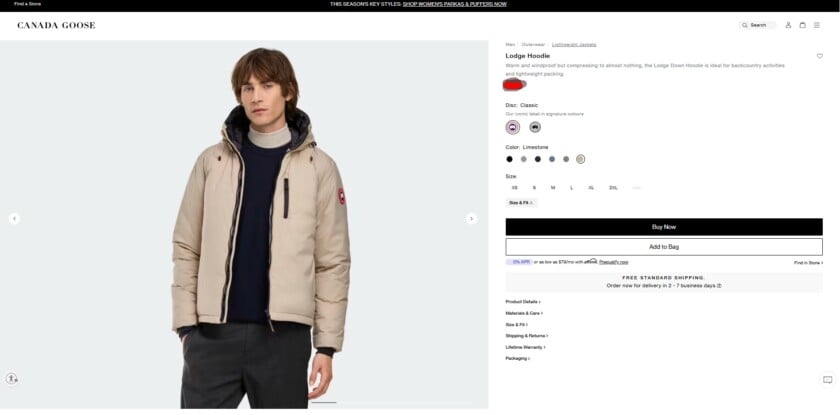
The HyBridge® collection is more technical, strategically placing down insulation where you need warmth and using flexible, breathable fabrics in other areas to increase mobility, making it perfect for more active pursuits.
Are athletic dress pants a lasting style or just hype?
Vests, Fleeces, and Hoodies
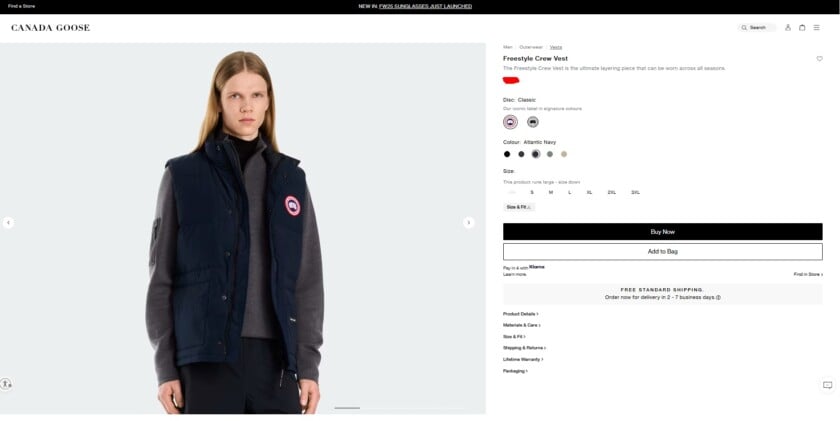
To provide options for transitional weather and indoor wear, Canada Goose now offers a full range of layering pieces. Their down vests, like the iconic Freestyle Crew Vest, are a staple. They have also introduced high-end fleeces and merino wool hoodies that carry the brand’s quality and logo into a more casual space.
The Black Label Collection
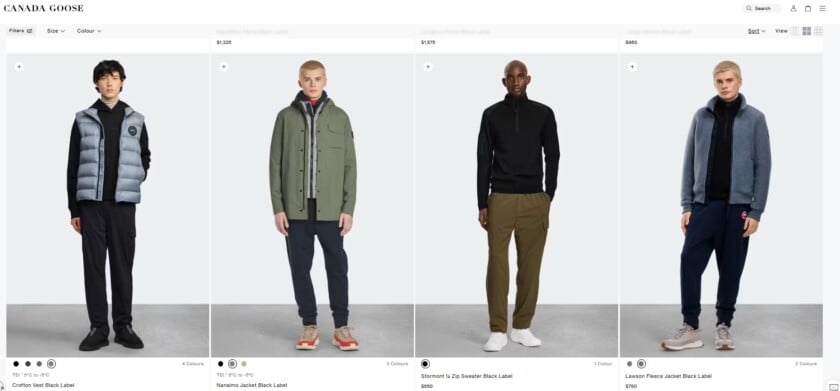
For those who prefer a more understated and subtle look, Canada Goose created the Black Label collection. These pieces feature the same high-quality construction and materials but with a discreet, monochromatic black and grey version of the iconic patch. This collection is aimed squarely at the fashion-conscious urban market.
How Canada Goose Compares to Competitors
Understanding a brand’s value often requires looking at its rivals. Canada Goose operates in a crowded market, but it stands apart from its main competitors in a few key ways.
vs. Moncler
This is the most frequent comparison in the luxury space. While both command premium prices, their philosophies differ. Moncler often leans into high fashion with shiny, puffy silhouettes and a distinct European alpine aesthetic.
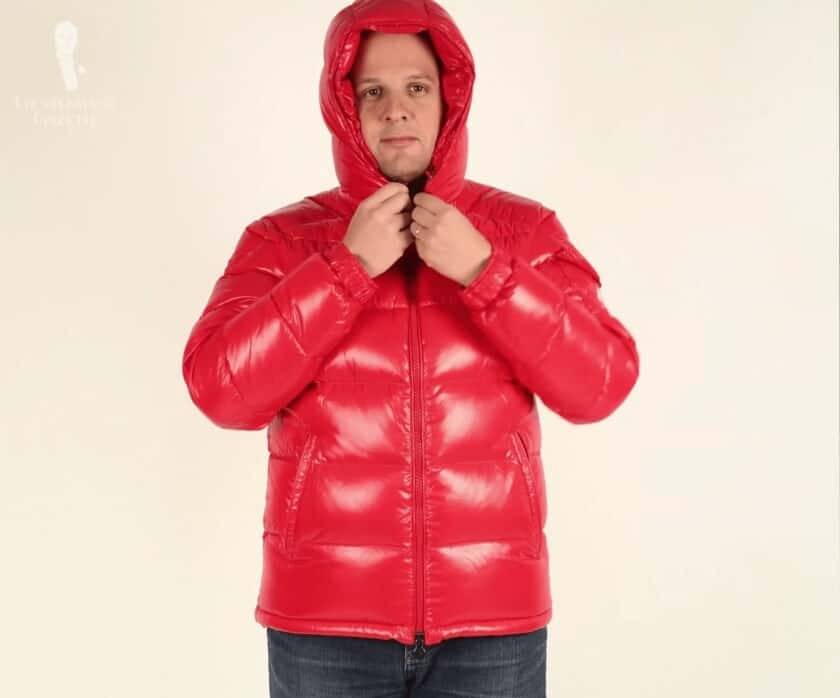
Canada Goose, by contrast, has a more rugged, functional, and utilitarian design language rooted in its Canadian workwear heritage. One could argue that Canada Goose offers a better value in terms of raw durability and functionality, while Moncler often excels in fashion-forward style.
vs. The North Face
A key competitor in the broader outerwear market, The North Face offers excellent performance at a much more accessible price point. While their top-tier parkas provide significant warmth, the brand doesn’t compete in the same luxury tier as Canada Goose. The key differences are brand prestige and manufacturing.
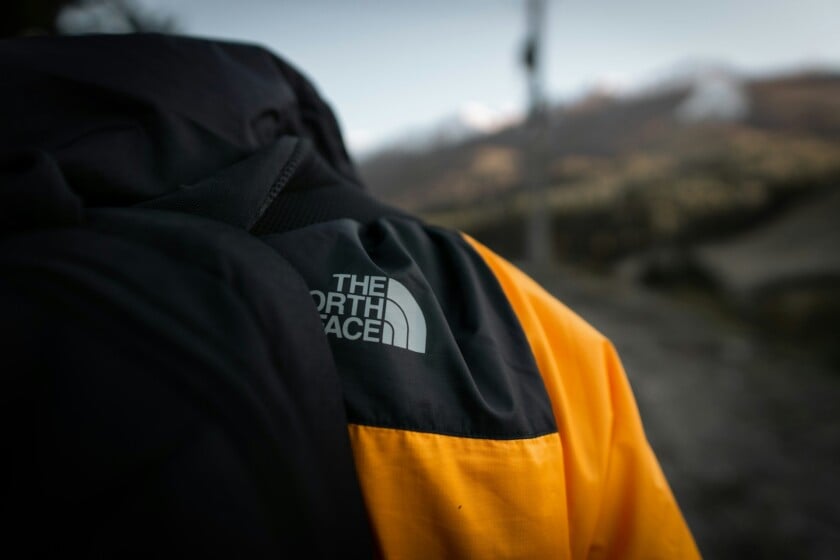
Canada Goose justifies its price with its “Made in Canada” commitment and luxury positioning, whereas The North Face provides outstanding value and performance for the mainstream consumer.
Should a gentleman wear a puffer jacket?
vs. Arc’teryx
For those focused purely on technical performance, the Canadian brand Arc’teryx is a major competitor. Arc’teryx is known for its minimalist design, impeccable construction, and obsessive use of cutting-edge materials like Gore-Tex.
While a top-of-the-line Arc’teryx parka can be just as expensive as a Canada Goose, it’s typically lighter, more waterproof, and designed for active use and technical layering. The choice often comes down to aesthetic and purpose: Arc’teryx for sleek, technical minimalism, and Canada Goose for rugged, traditional warmth.

The Ethics Debate Around Fur and Down
For years, the conversation around Canada Goose’s ethics focused on two key animal products: the fur used on its hoods and the down used for insulation. Here is a breakdown of the historical debate and the significant changes the company has since made.
Historical Use of Coyote Fur
For much of its history, one of Canada Goose’s most recognizable and controversial features was the real coyote fur trim on its parka hoods. The company long defended this practice by claiming the fur served a functional purpose and was “ethically sourced” from licensed trappers.
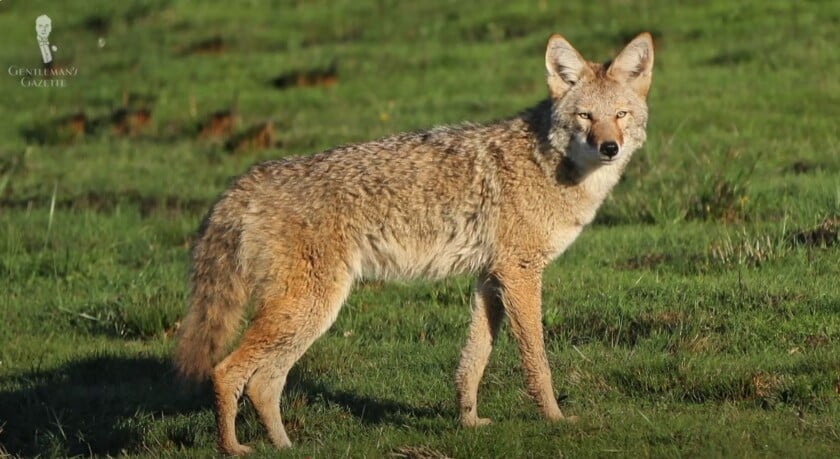
However, this claim was heavily questioned by animal welfare organizations and the public, leading to widespread protests and becoming a significant challenge to the brand’s reputation.
The Brand’s Recent Move to Go Fur-Free
In response to sustained pressure and evolving consumer values, Canada Goose made a landmark shift in its policies. The brand announced it would cease purchasing all fur by the end of 2022. As of today, in 2025, all new Canada Goose products are designed and manufactured to be completely fur-free, marking a significant change for the brand’s iconic look.
Adoption of the Responsible Down Standard (RDS)
Similarly, the company has also addressed concerns regarding its down sourcing. To ensure animal welfare within its supply chain, Canada Goose is now fully certified under the Responsible Down Standard (RDS). This global standard ensures that the down comes from animals that have not been subjected to unnecessary harm, such as live-plucking or force-feeding. These steps show a clear effort by the brand to address the primary ethical debates of its past.
What’s the true price of fast fashion?
The Final Verdict: Is the Canada Goose Jacket Worth It?
After analyzing its construction, brand positioning, and cost, the value of a Canada Goose jacket comes down to a clear set of strengths and weaknesses.
| Pros | Cos |
|---|---|
| Exceptionally durable and rugged construction. | Very high price point for its performance specifications. |
| The signature Arctic Tech fabric is built to last for years. | The fabric is famously stiff, heavy, and can be noisy when walking. |
| Genuinely warm and well-designed for harsh cold weather. | Warmer jackets with higher fill power can be found for less money. |
| Backed by a lifetime warranty against manufacturing defects. | Details like the plastic zipper can feel underwhelming for the cost. |
| A commitment to “Made in Canada” craftsmanship. | Uses duck down with a mid-range fill power in many popular models. |
While functional, the style is a matter of personal taste. The jacket is less puffy than a shiny Moncler, but its stiffness can create a silhouette that some find unstylish. Ultimately, for those who prioritize style in a cold city, a heavy wool overcoat will provide equivalent warmth with a more timeless and sophisticated look.
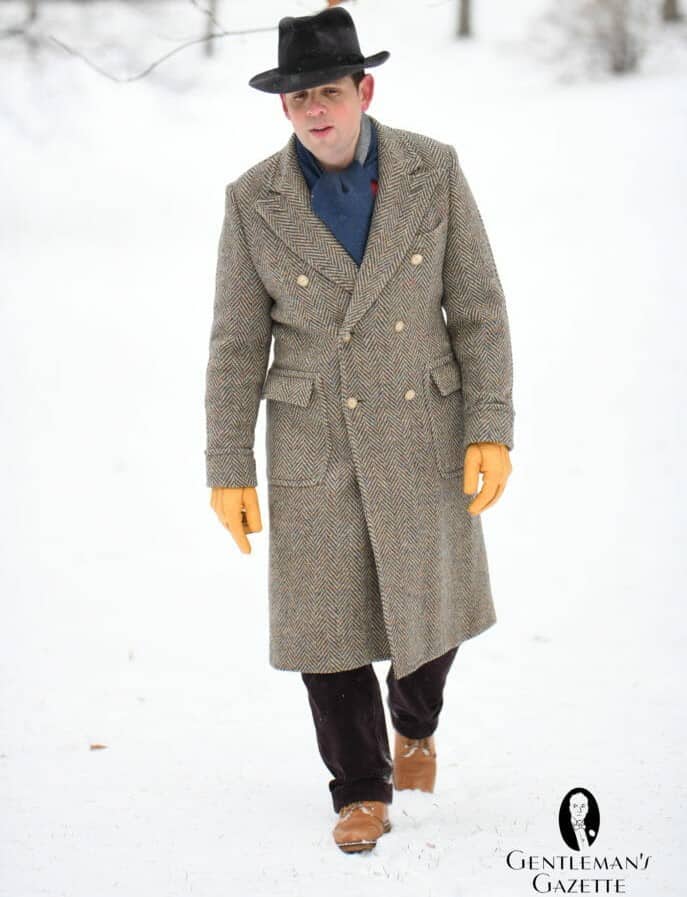
Do you know what to look for in a quality overcoat
In terms of value, one could argue that Canada Goose is a better option because it offers more details, is more functional, and is likely to last longer than the Moncler jacket. That being said, the increased weight, the stiffness of the fabric in combination with a pain in the ass zipper, I don’t think $995 is a good value for this parka.
A Practical Guide for Owners
Investing in a Canada Goose jacket means you’ll want to take care of it. Whether you’re a prospective buyer or a current owner, here are two essential guides to keeping your jacket in top condition and ensuring its authenticity.
How to Clean and Care For Your Jacket
Proper care is essential to maintaining the performance and longevity of your jacket. While you should always consult the specific care label inside your garment, here are some general guidelines:
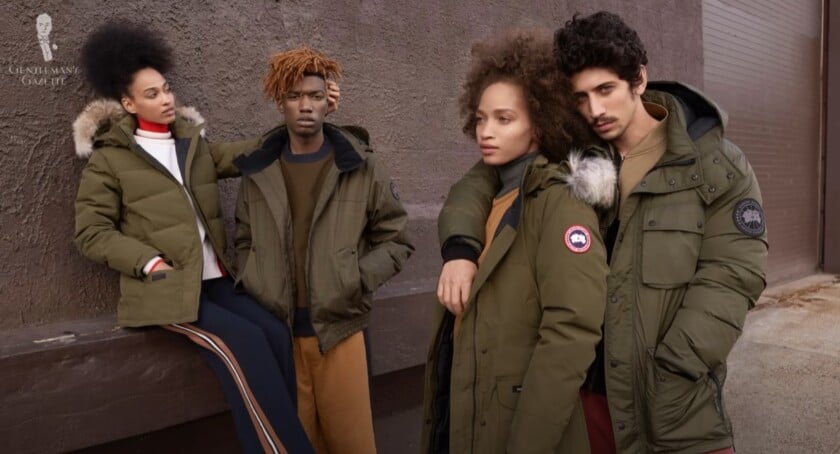
- Professional Cleaning is Key: For their signature parkas and down-filled jackets, Canada Goose strongly recommends professional dry cleaning only. Home washing machines can strip the fabric of its water-repellent finish and damage the delicate down clusters, reducing the jacket’s ability to keep you warm.
- Use an Experienced Cleaner: When you take it to a dry cleaner, ensure they have experience with down and technical outerwear.
- Proper Storage: At the end of the winter season, store your jacket correctly. Have it cleaned first, then hang it on a wide, supportive hanger in a breathable garment bag. Avoid compressing it for long periods, as this can damage the down’s loft.
Are you dry cleaning your clothes the wrong way?
How to Spot a Counterfeit Jacket
The brand’s popularity has led to a massive market for counterfeits. To ensure you are buying an authentic product, here is what to look for:
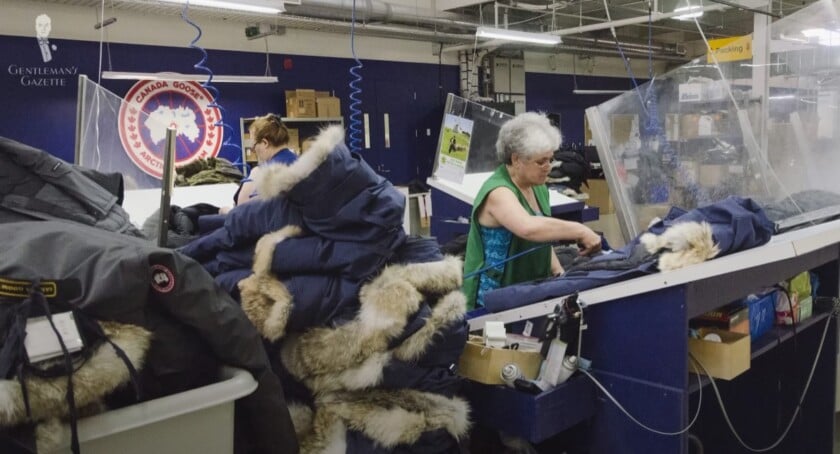
- The Arctic Disc Patch: This is the biggest giveaway. An authentic patch has clean, precise embroidery with even spacing. The maple leaves are well-defined and detailed. On fakes, the embroidery is often sloppy, the font is incorrect, and the leaves can look like a muddled blob.
- The Fur Ruff (on pre-2023 models): If you are buying an older, second-hand jacket with fur, note that real coyote fur is thick, soft, and luxurious, with varied colors and lengths. Fake fur often looks scraggly and matted and feels rough.
- The Hologram: Since 2007, a small hologram tag has been sewn into every jacket as proof of authenticity. It’s a detailed image of a polar bear that is difficult to replicate and a quick way to spot a fake.
- The Golden Rule: The only way to be 100% certain you are buying an authentic Canada Goose jacket is to purchase it from an authorized retailer. You can find a complete list on the official Canada Goose website.
FAQs About Canada Goose Jackets
Is Canada Goose considered a luxury brand?
Yes. Due to its high price point, premium materials, “Made in Canada” craftsmanship, and strong brand positioning, Canada Goose is firmly considered a luxury outerwear brand.
Are Canada Goose jackets the warmest winter coats?
They are among the warmest you can buy. Their parkas with a high TEI rating are designed for arctic conditions. However, some specialized expedition-focused brands may offer jackets with higher fill power for very specific, extreme uses. For almost everyone, they are more than warm enough.
What is the Canada Goose TEI rating?
The TEI (Thermal Experience Index) is a 1-to-5 warmth rating system Canada Goose created to help customers. TEI 1 is for lightweight jackets (for temperatures up to -5°C), while TEI 5 is for their most extreme parkas, tested for -30°C and below.
How long will a Canada Goose jacket last?
With proper care, a Canada Goose jacket is built to last for many years, and potentially a lifetime. The durable materials and quality construction are designed to withstand harsh conditions.
Do Canada Goose jackets have a lifetime warranty?
Yes, but it specifically covers defects in materials and workmanship for the lifetime of the product. It does not cover damage from accidents, improper care, or normal wear and tear.
How should a Canada Goose jacket fit?
It depends on the model. Canada Goose offers three distinct fits: Slim, Regular, and Relaxed. Always check the product page for its specific fit and consult the official size guide. Consider if you plan to wear thick layers underneath when choosing your size.
What are some good alternatives to Canada Goose?
There are many great alternatives depending on your priority:
For Luxury Fashion: Moncler
For Technical Performance: Arc’teryx
For Excellent Value: The North Face, Patagonia, and L.L. Bean



“Also keep in mind that you can find warmer jackets with a higher fill power for about half the price of this Canada Goose.”
Such as?
Checkout rei.com down-filled jackets, they give a loft rating and fill weight for each jacket. My relevant credentials for offering this advice is that I have experience in high alpine rescue.
The question here seems to be one of personal taste rather than functionality. For non life-threatening pursuits many prefer the feel of a heavier garment whilst others prefer more freedom of movement. Take your pick…
Do your homework.
Yes, there are definitely other brands that have been making coats and jackets as long as CG.
And no, I do not think it is worth the price.
Too much hype has gone into producing this garment which has increased the price.
Belstaff, Paul Smith, Armani, Brooks brothers, Joseph, Moncler, Bruer, Chevignon, The North Face, Calvin Klein, Stone Island, Balencciaga…The list is endless, if you do your homework.
I got my jacket in 2007. I have worn this on the slopes and through every NYC winter and it’s white! I got this before it was a huge trend. It is an amazing coat. What you forgot was the customer service. After years of wear and cleaning, the fur on the collar dried out and rotted. I wrote the company. I had to take pictures of the patch and inside labels to prove it was real. Then I had to have it cleaned and sent to them. 4 weeks later it came back to me in a custome garment bag. Inside was a fully reconditioned jacket!!! AT NO CHARGE! They added a new fur collar, replaced the zipper, replaced all the knitted cuffs and anything else they saw as “worn”. That was after 10 years of wear! It may be expensive, but tell me ANY company that would do that! Worth every penny!
John, Arc’teryx makes jackets using goose down, coreloft, or a combination of the two, for city or slope, with Gore-Tex shells, priced from $650 to $950.
Arc’teryx is certainly the best quality in down jackets, hands down. I have several and their Firebee AR is *unbelievably* warm/light, while avoiding the Michelin Man look (the down baffles are concealed under a clean exterior). I went to the Arctic Circle in Sweden for New Years, and I wasn’t cold in the least. Plus, I can wear it on my commute to work without feeling like I look as if I’m going on an alpine expedition (though I could!). They’re not high-fashion like Moncler, but that shiny nylon look might not be your bag. They are definitely superior in warmth/style to Patagonia, North Face, Canada Goose, et al.
Poke around on any hiking, camping, or mountaineering forums (people who need to stay warm for long periods of time outdoors as a matter of survival) and you won’t see Canada Goose mentioned in any serious comparisons of outwear. In fact, the popular review sites don’t even consider them. It’s a style brand, not a performance brand.
…unless it’s actual arctic expeditions, in which case they often get Snow Mantras.
Parajumpers is just as nicely made and has more style, but it’s about the same price.
The way the brand has taken off fascinates me. Genius marketing.
The CG parkas are everywhere but I do not get the appeal of them. If I was a trapper in Alaska or Hudson Bay, I might need a garment like that…but I probably could not afford/would not pay the silly price. However, I see them in urban settings and think they are way over-specified and quite ugly. To pay nearly a thousand pound in the Uk to buy one of these things is not something I am ever likely to do except if it is a chilly day in Hell.
I prefer the Derby Tweed English Hunting coat, stylish, hardwearing and practical.
I’m very surprised no one has mentioned the U.S. Air Force NB-3 snorkel parka. Mine was a lifesaver on more than one occasion. This coat looks to be a near copy of that right
down to the coyote trim.
Greg, you’re spot on. I’ve had my N3-B ever since army days and have bought two or three more since then. They are warm, roomy and durable: simply a non-nonsense garment that’s up to the job when I’m out and about in freezing conditions (and at my place it can get pretty cold). No fancy labels, no designer tags – just a good parka which comes at a fraction of the price.
It’s the trouble with all these clothing items that are “hip” and “fashionable”: they are ridiculously expensive, are often endorsed by celebs (whose fees go on top of the original price!) and sometimes come in colours you will be sick of in no time. And the buyers are soon stuck in a dilemma too: on the one hand they expect their garment to be “exclusive” but on the other hand they don’t want to stick out like a sore thumb in the street either. But you can’t have it both ways: you can’t reconcile “exclusive” and “fashionable”. If after a while the jacket is seen on any Tom, Dick or Harry (complete with a Starbuck’s coffee and ear-plugs) it’s no longer “exclusive” – instead it’s now “worn by the proles”. Quality is usually poor too, because a “fashion item” is not made to last anyway, as it will have gone out of fashion within a year and will be discared. And a garment as a “status symbol”? As soon as any Chinese student, any bearded hipster or any school teacher on the street wears it, it will immediately cease to be a status symbol…
My advice is to stick to the makes that have stood the test of time, like Barbours, John Partridge, Cordings, L. L. Bean etc. My personal favourite over the years has been “Hoggs of Fife” from Scotland. Look for “form follows function” and look for traditional colours, materials and patterns that will never go out of fashion – because they’ve never been in fashion.
I think it depends a lot on where you live. CG, Kanuk and other local brands tend to perform well in the harsh conditions found in many Canadian cities. That said, CG is a relatively expensive brand to wear if you live in a place where the temperature rarely goes below the freezing point.
I have to completely disagree with your position on Canada Goose. During my three year assignment to South Korea, I absolutely froze during the first winter there – and I was wearing a very expensive, very thick coat that I thought would have been more than adequate. At minus 25 wind chill, I may as well have not been wearing the coat at all. One of my colleagues recommended a Canada Goose Expedition Parka and it was the best money I have ever spent – quite frankly I would have paid double for it. You criticise the noise the material makes when you walk? That seems to be scraping the bottom of the barrel to find fault in my opinion. And who cares about looking faaaabulous when you’re freezing your cojones off?? Function and practicality over style wins every day in my opinion – especially when it’s minus 25!
I live in Minnesota where I am outside everyday in the winter, and even at -30 degrees why super heavy woollen overcoats keep me warmer than the Canada Goose. If you like your’s that’s great, wear it. I think you can get either more stylish overcoats or performance jackets that perform better than Canada Goose for less.
I bought a Canada Goose in 2007. I paid a lot for it, but I think that it was a good investment.
I live in NYC, and I have at times wore only a short sleeve t- shirt underneath. It is extremely warm. I like the hood zipped up completely but you have to turn your head completely to on either side when crossing the street to see.
It does make a sound when walking but it is subtle as stated by reviewer. I like the fact that the outer material does not snag like other down parkas and jackets if brushed against a branch or other object. Other down jackets that are available have outer material that snag, and a feather usually comes out of the jacket.
Sure, you can buy a warm over coat but that is not the same type of jacket that this topic is discussing.
It is surprising and disappointing to find you advertising something with labels all over the outside, in contravention of your own rules
I have a Canada Goose jacket and love it, though where I live in Canada there’s only a handful of days that I really need it. The hood really does make a huge difference in terms of your ears and face being warm on -30 windchill days. I also appreciate that it was not made overseas. That said, it was a (lovely) gift; if I was going to choose a cold weather parka (not a camping/climbing/skiing sporty jacket) I’d probably go with a Quartz Co. one; very similar quality, many are washable with removable fur, slightly lower priced- but unlike Canada Goose you can sometimes get a Quartz jacket on a good sale!
I live just north of Detroit and must be outside walking for three miles per day regardless of temperature. My favorite coat was a snorkel coat by Nautica purchased twenty years ago. Due to age the nylon shell is breaking down. I purchased a Canada Goose Chateau. It’s a nice coat, but when walking into a sub zero north wind, I felt cold air against my chest. Now it sits in the closet and I am back to the raggedy Nautica. Yes, layers would have helped, but the point was to have a warm coat in arctic conditions. BTW: Indeed, the zippers are awful. I’ve looked at NB-3, but none I found had down or Coyote fur. For warmth, you have to have down and the Coyote fur makes a big difference. I have heard that Triple F.A.T Goose is comparable to Canada Goose, but only slightly less expensive
I’ve have a Triple Fat Goose Eberly II for two winters in the North East of England.
Amazing. Lovely and light, properly warm and toasty, has the armpit vents to regulate things better, reat pockets, zipper is biff, but the poopers are what i mostly use.
Totally worthe the moey and the shipping charge. My wife, who dislokes the cold, i managed to convicne her to get the womens version too. Waiting for it to arrive.
I chose it cos the longer length vs canada goose hip ones.
No regrets.
You compared two down jackets and then concluded at 10:52 that an overcoat is the best choice!
That was funny.