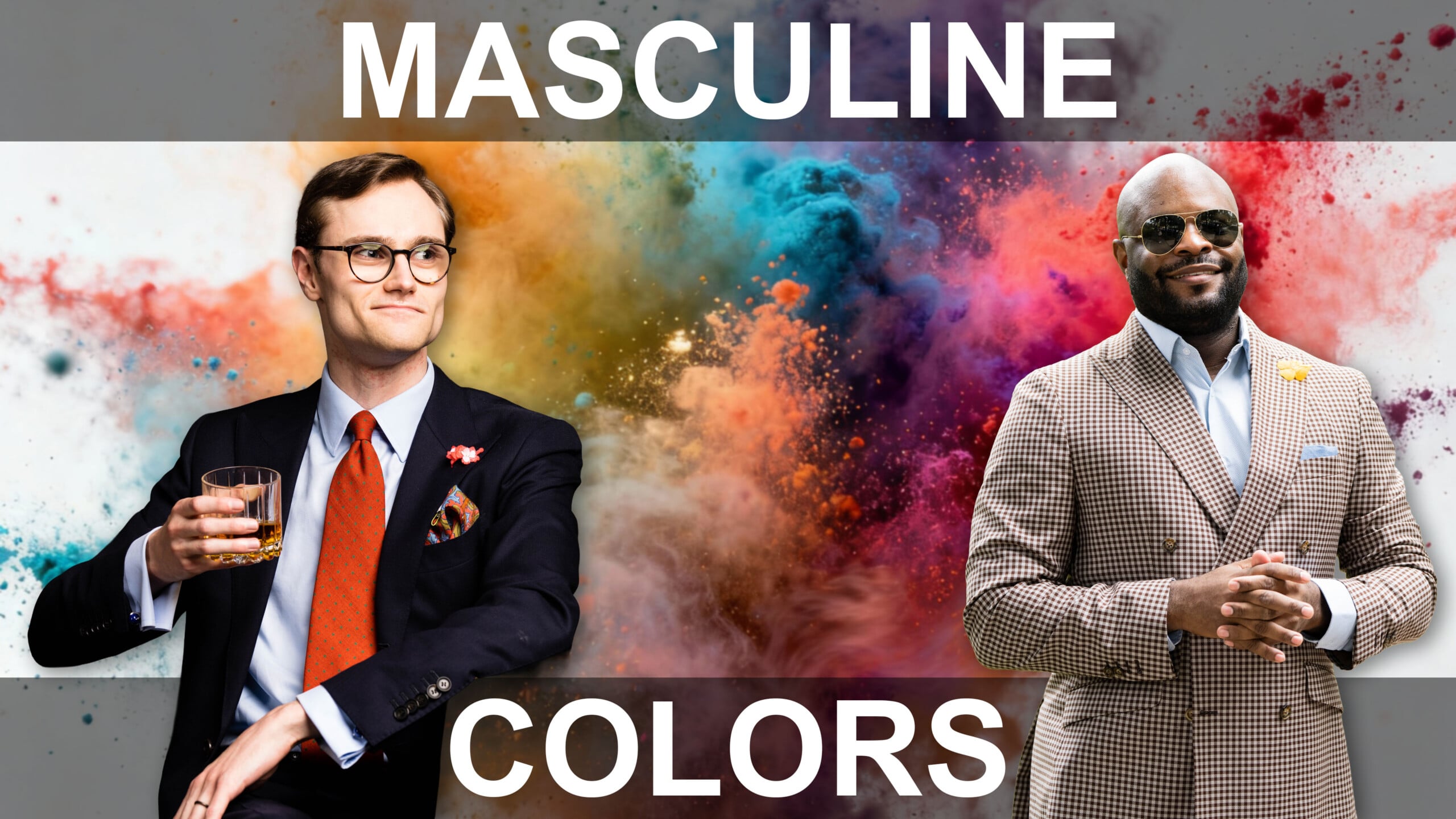
Menswear history is rich with colors that have earned a reputation for being classically and timelessly masculine. So let’s explore the colors that have been utilized by men throughout history, and how they can brighten up your life!

What Makes a Color Classically Masculine?
Cultural norms and historical trends are the primary forces that shape how colors are perceived, and it’s crucial to remember that these associations can change. In the 19th century, pink was often considered a boy’s color, as a paler shade of “warlike” red, while blue was associated with girls. By the mid-20th century, this association had completely flipped.
“Let me, O let me bathe my soul in colours; let me swallow the sunset and drink the rainbow.”
Khalil Gibran

For the purposes of this guide, we will explore the Western associations of colors over the past few centuries. In this context, masculine colors tend to share a few key traits:
- They are often deeper, darker, or more saturated, conveying a sense of strength, stability, and security.
- They are frequently earthier tones, valued for their versatility and rugged appeal.
- They are typically more subtle and understated than brilliant, distracting hues.
- They often have historical connections to the military, royalty, or the nobility.
The modern idea that “men shouldn’t wear color” is a recent one. During the Golden Age of Menswear and earlier eras, gentlemen did not shy away from using a rich palette in their outfits. We hope this guide emboldens you to do the same.
What do your clothing colors say about you?
1. Salmon Pink
Yes, real men do wear pink. In the 1700s, the dye for salmon pink was rare and had to be imported into Europe, making it a color highly sought after by noblemen and dandies as a sign of wealth. Even in the 20th century, its “showy” reputation was more about class than gender. When Tom Buchanan scoffed at Jay Gatsby’s pink suit in The Great Gatsby, he was implying it was “new money” tackiness, not that it was effeminate.
Why It’s a Classic: Unlike more vibrant pinks, salmon pink is a cooler, more muted shade. This lack of vibrancy makes it surprisingly versatile and easy to pair.
How to Wear Pink
Salmon pink mirrors the colors of the warmer seasons, making it an ideal choice for polos, OCBDs, dress shirts, or even a statement sport coat in a tropical environment.

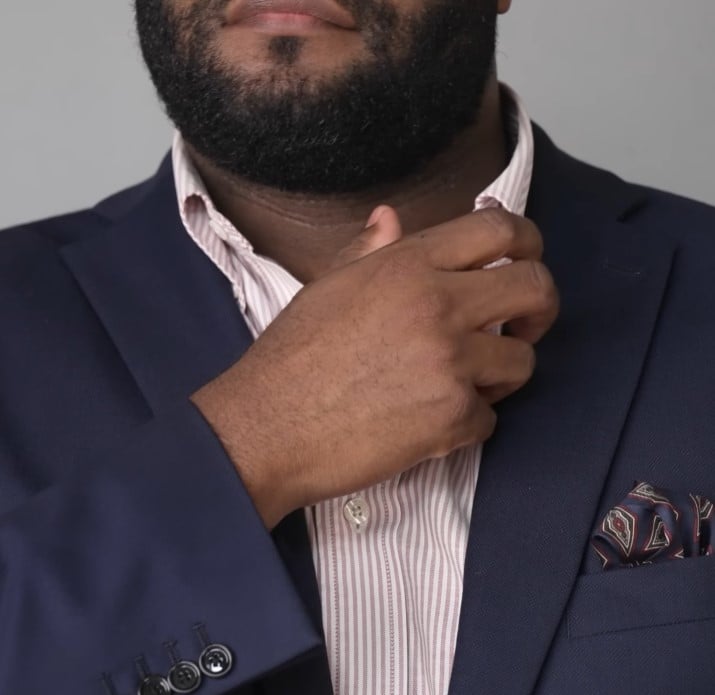

2. Crimson
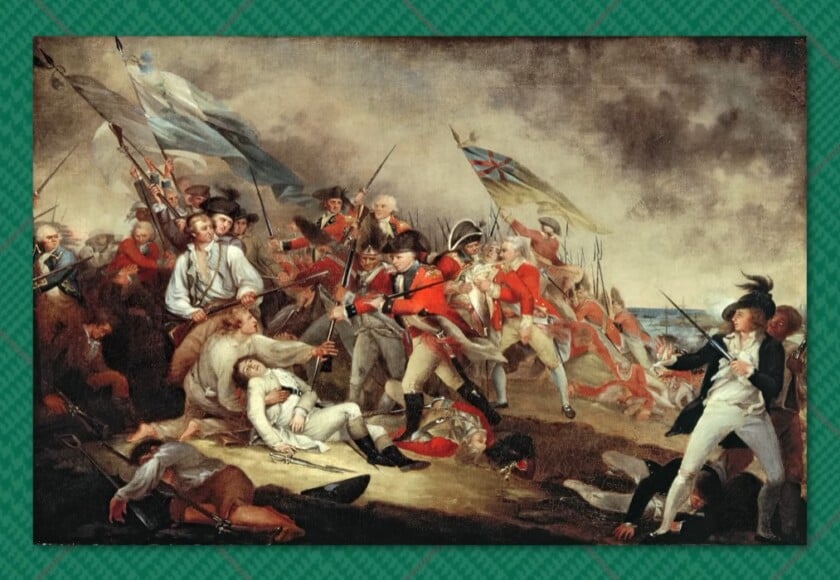
Crimson has long been a symbol of power. Its eye-catching boldness made it a common color for banners and coats of arms during the medieval period. Later, it became famous as the color of the British military, earning them the nickname “redcoats.”
Why It’s a Classic: Crimson is a strong, commanding color that demands attention.
How to Wear Crimson
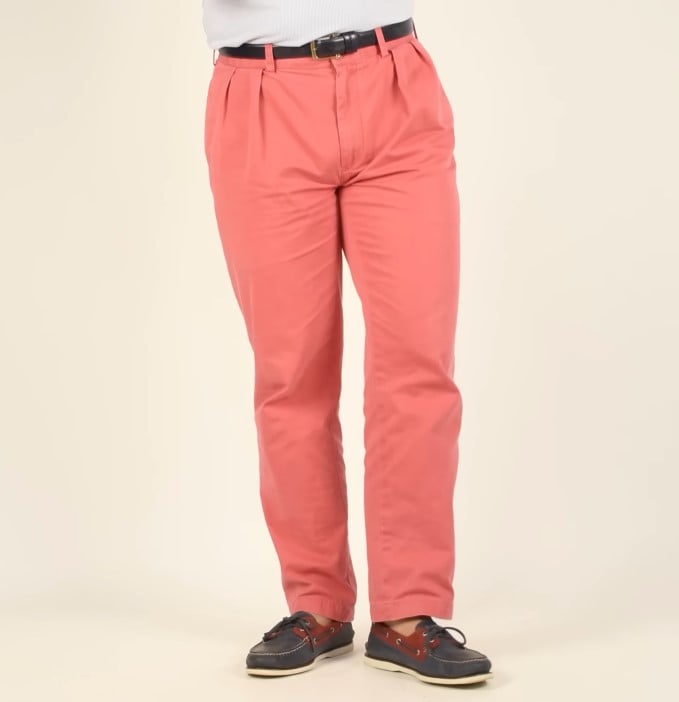
Today, crimson is most popular for menswear accessories, such as a tie, that serve as a bold focal point. For a more casual look, Ivy League classics like Nantucket Red trousers (or “Go To Hell Pants”) often start as crimson before fading to a dusty rose.

3. Burgundy
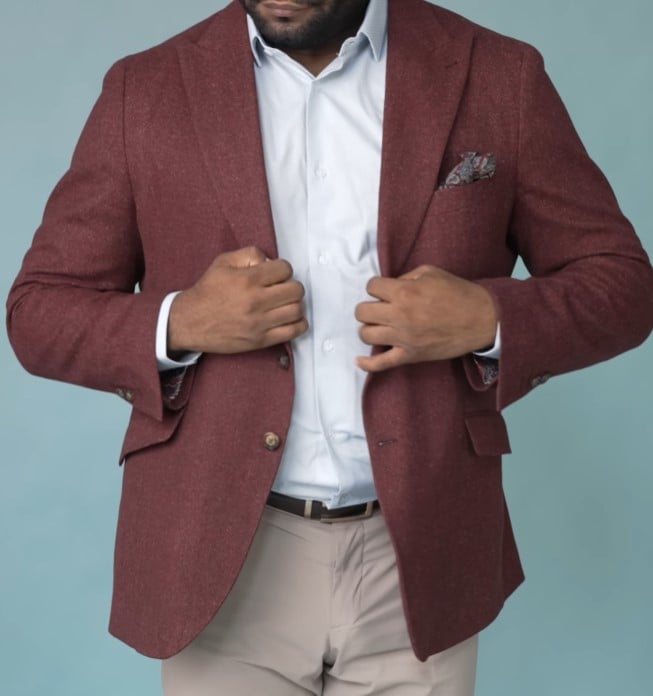
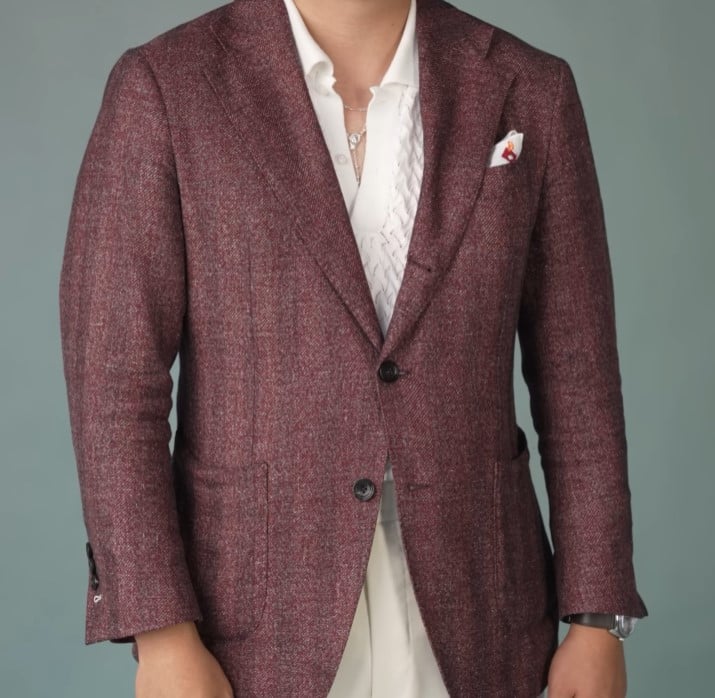
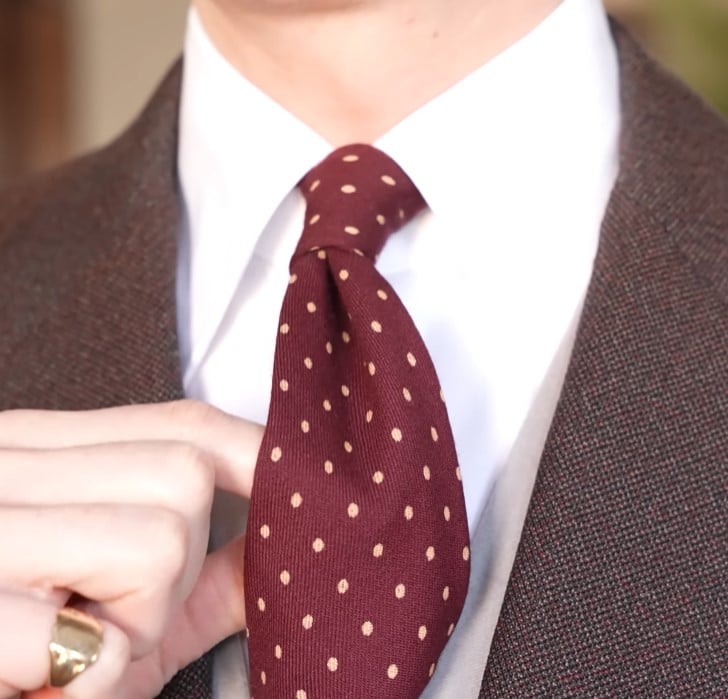
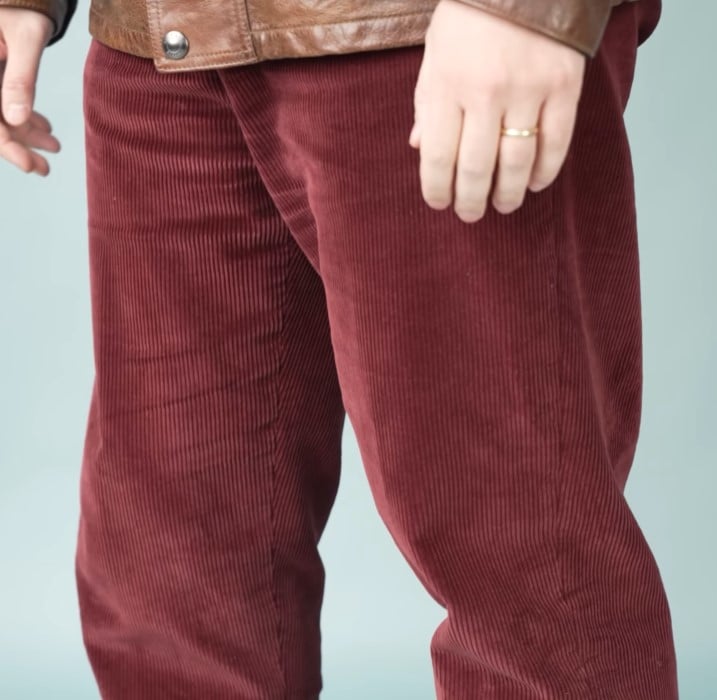
As crimson’s more muted sibling, burgundy has been one of the most consistently popular colors in menswear for centuries. Its name is believed to originate from the dyes popular in the 1420s Burgundian court in France, and it remained a staple through the Victorian era and the Golden Age of Menswear.
Why It’s a Classic: Burgundy’s deep, muted character makes it far easier to wear than brighter reds. It can function as a subtle pop of color or as a rich, foundational statement piece.
How to Wear It Burgundy
The versatility of this color is unmatched. Burgundy is a favorite for everything from accessories (like ties and socks) to knits, jackets, and even overcoats.
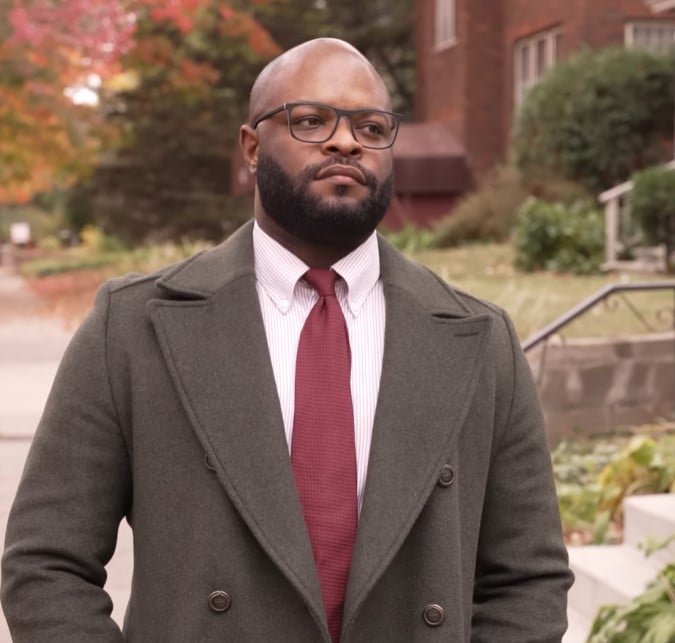
4. Rust Orange
Orange gained popularity in 1700s Europe as new dyes were created. Given its eye-catching yet not-overwhelming character, it was especially popular for neckwear during both the Victorian Era and the Golden Age of Menswear.
Why It’s a Classic: Rust orange is an ideal accessory color. It is an understated, earthy shade that is easy to harmonize with a variety of base colors, yet it remains relatively uncommon, allowing you to stand out in a sophisticated way.
How to Wear Orange
This color is a fantastic choice for neckwear, pocket squares, and scarves. For a bolder statement, it is also remarkably debonair as a sweater or a sport coat, and was a particular favorite of Frank Sinatra.

5. Sunflower Yellow
Sunflower yellow became popular in 18th-century Europe as part of the wider fascination with Chinese designs. In Chinese culture, bright yellow was historically associated with the emperor, and this imperial status helped it quickly gain prestige in European courts.

Why It’s a Classic: Much like rust orange, sunflower yellow is prized for its versatility. It’s a color that stands out but still works well within the traditional palette of classic menswear.
How to Wear Yellow
Ties, scarves, socks, and pocket squares are the easiest ways to incorporate it into a wardrobe. For the truly bold, yellow-focused outfits can make a striking statement in warm summer weather, as famously demonstrated by Robert De Niro in Casino.
How do you add yellow to your wardrobe tastefully?
6. Olive Green
Also known as olive drab, this color earned its masculine association directly from military uniforms. The United States began using it in field uniforms in 1902 and later standardized it. When iconic garments like the M65 field jacket were adopted by civilians, the color became a broad menswear staple.
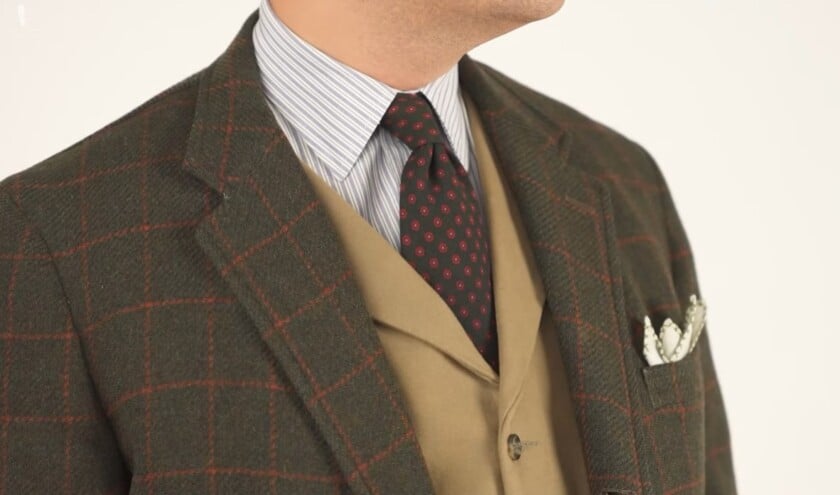
Why It’s a Classic: Olive green’s military legacy gives it an inherent masculine connotation. As a versatile earth tone, it also serves as an excellent foundational piece for building an outfit.
How to Wear Olive Green
Despite “drab” being in the name, this color is exceptionally versatile for grounding a look. Owing to its historical pedigree, it is an especially popular choice for outerwear and more rugged, casual attire.
7. Bottle Green
While often associated with nature, green dyes were historically difficult to produce from plants. Bottle green was typically achieved by mixing blue and yellow dyes, giving it a unique hue. It was first adopted in the 1800s for British hunting excursions as a form of “country camouflage,” which led to its wider acceptance in menswear.
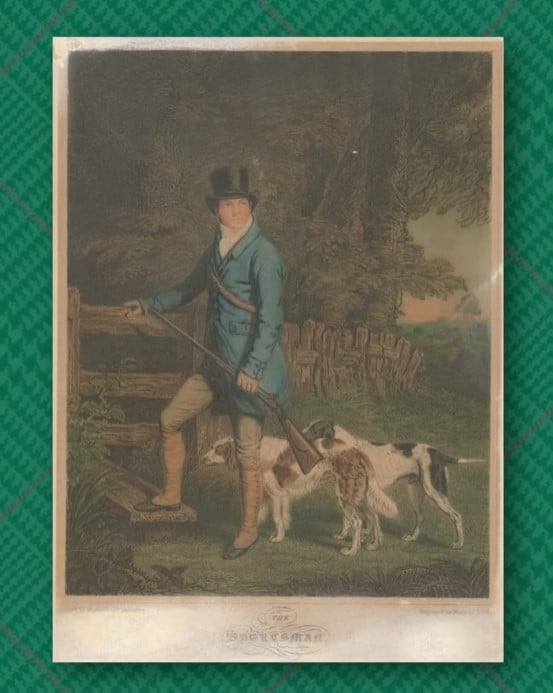
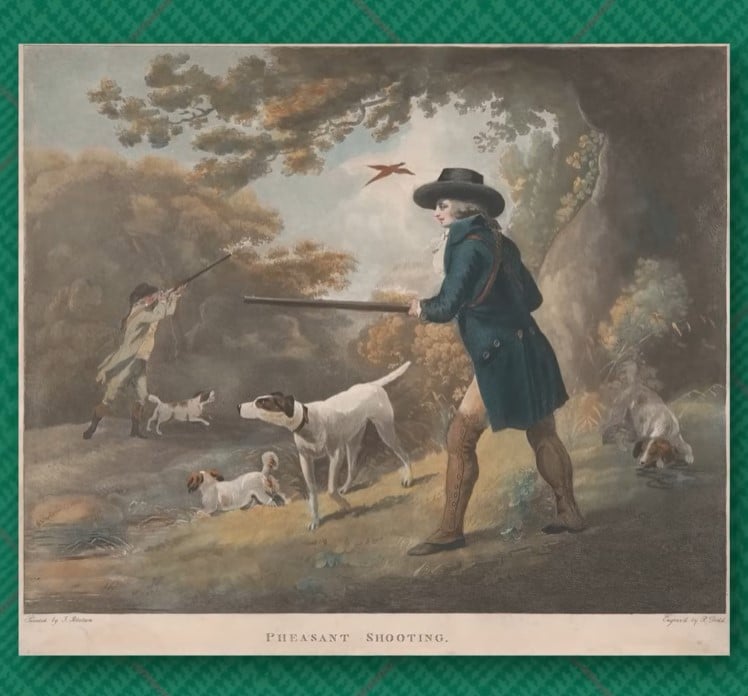
Why It’s a Classic: This shade is more saturated and whimsical than olive green but shares a similar versatility. Its visually entrancing hue can command attention.
How to Wear Bottle Green
Due to its early sporting uses, bottle green often lends a more athletic, rakish feel to an outfit. It makes a great choice for accessories and can be a powerful statement as a larger garment, such as a blazer or sport coat.
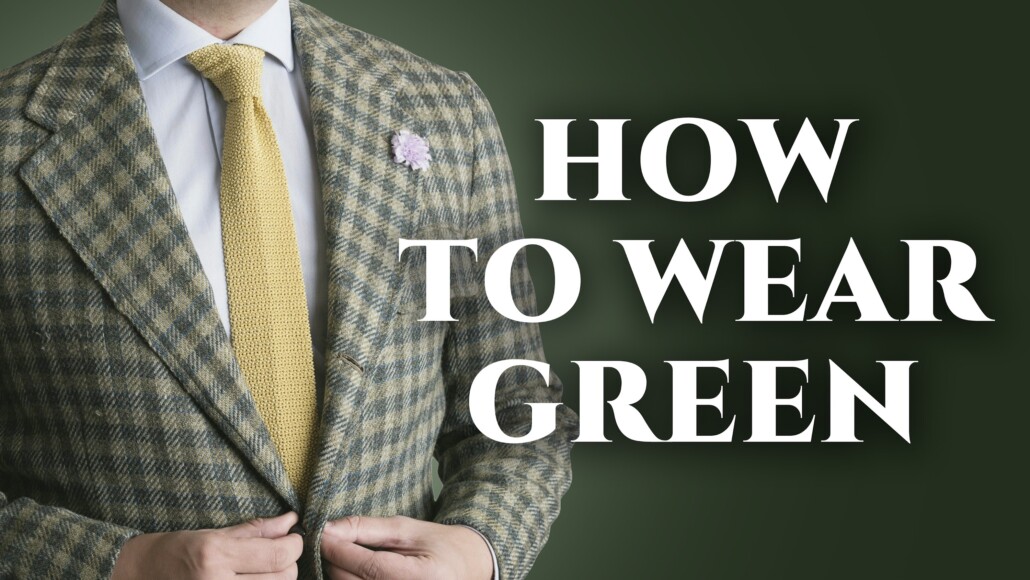
The Most Underutilized Color in Menswear
Green & How To Wear It
8. Navy Blue
Arguably the most popular and foundational color in all of menswear, navy blue has a deep historical pedigree. It was viewed as a royal color, favored by many noble houses, and later used for the military uniforms that directly inspired the modern suit. Menswear pioneers like Beau Brummell favored it, cementing its status as a default option.
Why It’s a Classic: Navy blue is the perfect “just enough” color. It has enough presence to be more visually interesting than black or gray but is muted enough to avoid being ostentatious.
How to Wear Navy Blue
This color’s versatility is total. Navy blue works across the entire formality scale, from blue jeans to business suits.

A shade darker, midnight blue is the standard for both Black Tie and White Tie. Today, it serves as the ultimate foundational piece to build an outfit around.
9. Petrol Blue
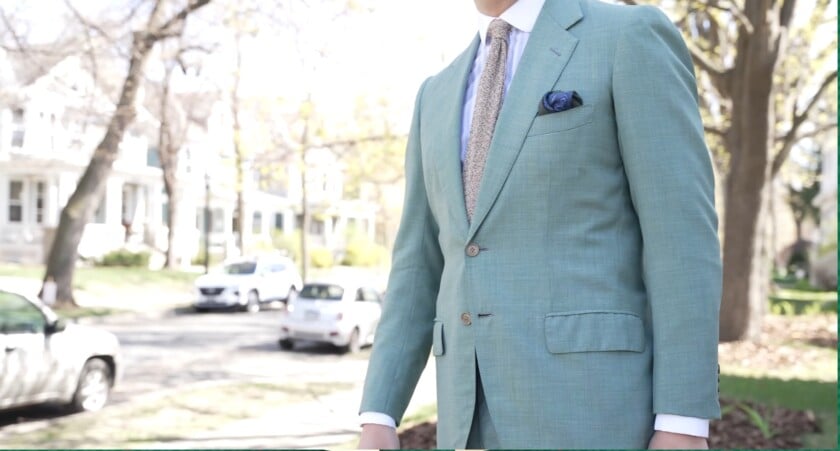
Within classic menswear, the grayish, sometimes slightly greenish petrol blue reached its peak popularity during the 1950s and ‘60s. It was a color worn by youth and creative types as a subtle rebellion against the ubiquitous navy.
Why It’s a Classic: It remains a more artistic and individualistic shade of blue, favored by those who value creativity and self-expression.
How to Wear Petrol Blue
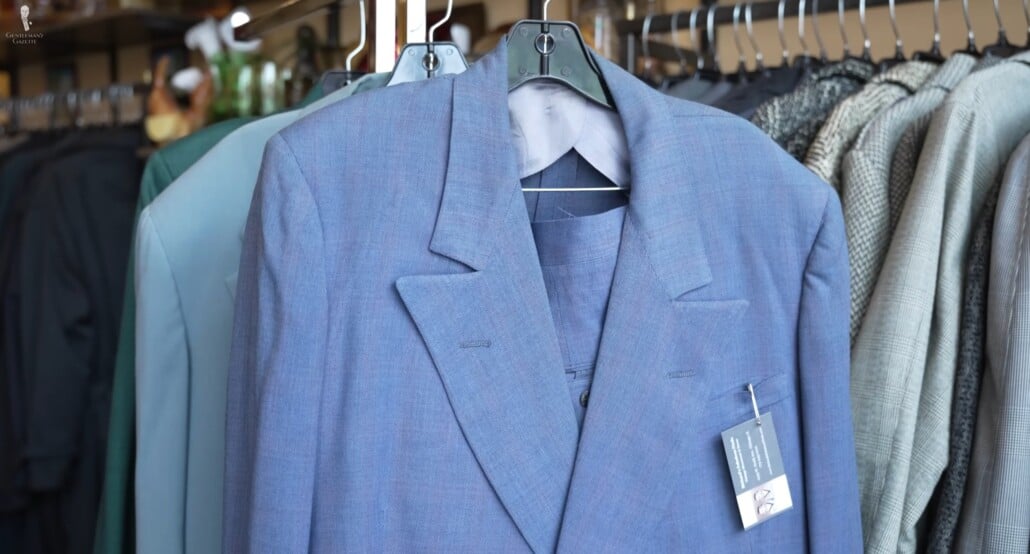
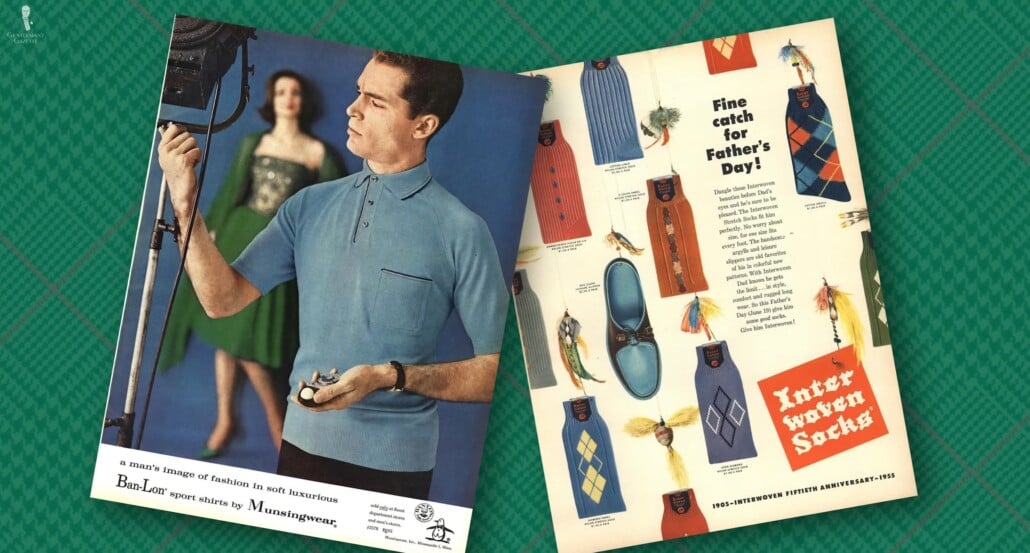
Use petrol blue as an unexpected take on blue in menswear. It makes a standout piece for accessories or a unique choice for a sport coat or suit.
RECOMMENDED
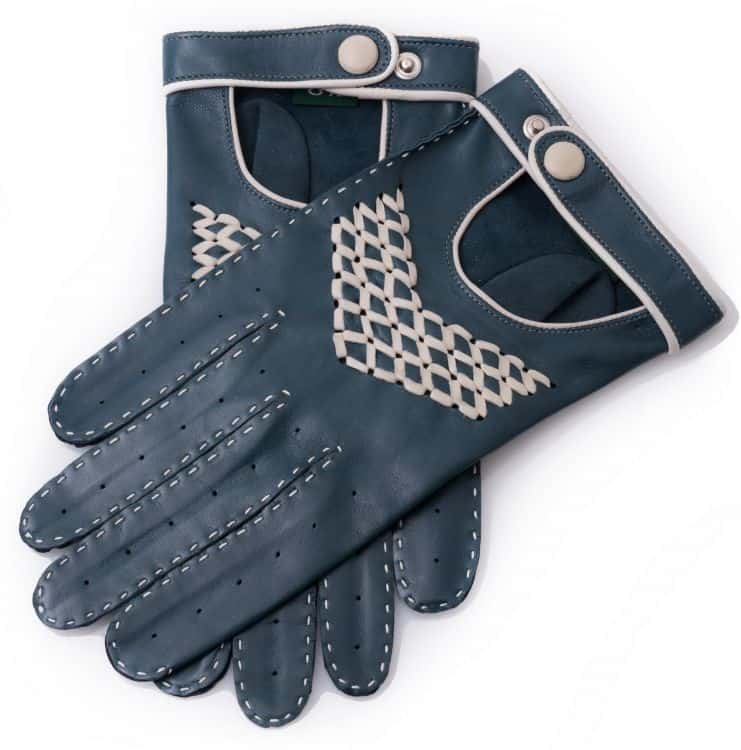
Petrol Blue & Cream Driving Gloves in Lamb Nappa Leather
These gloves look elegant when worn with a grey or navy suit, while they look more laid-back but still put together when worn with a casual leather jacket.
10. Cobalt Blue
Cobalt blue has been used since the Middle Ages as a more accessible alternative to ultramarine blue, which required the rare and expensive mineral lapis lazuli to create.
Why It’s a Classic: Like petrol blue, cobalt is seen as a more creative use of blue over the standard navy. It shares many of the same noble connotations but with a more saturated, lighter tint that is just different enough to turn heads.
How to Wear Cobalt Blue
Cobalt blue can serve as a striking foundation for an outfit, as seen in the iconic suit worn by Alain Delon in Purple Noon, or it can be used as a vibrant accessory to draw subtle attention.
ESSENTIAL STYLE LESSONS
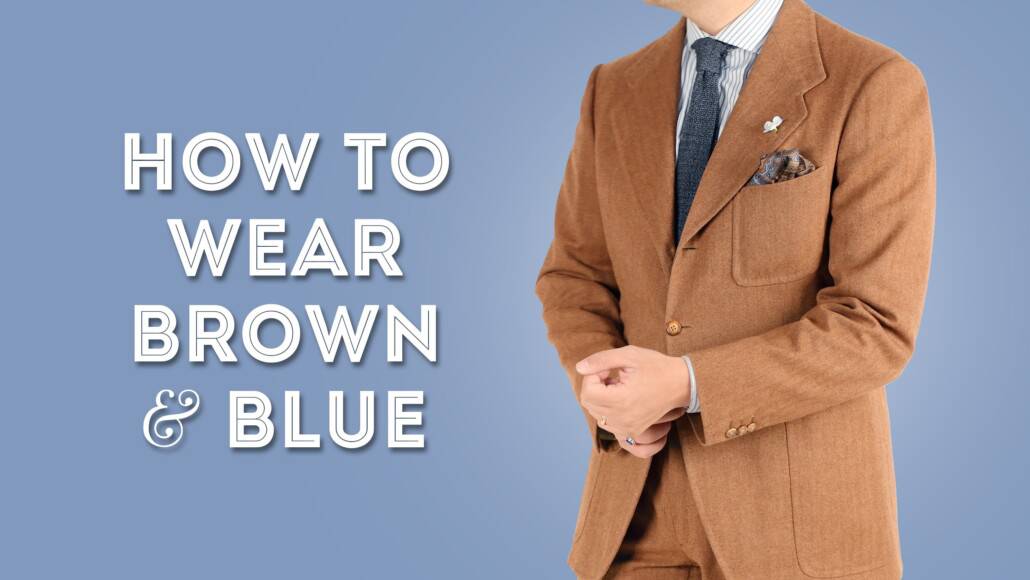
The Gentleman’s Guide to Blue

11. Indigo
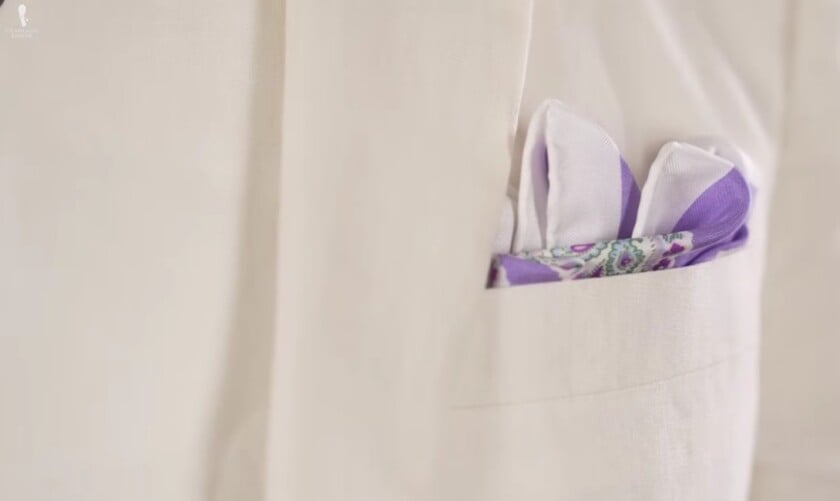
Purple tones have long held allure because they were historically expensive to produce. While ultra-rare shades like Tyrian Purple are less common today, indigo was favored in antiquity and remains so now.
Why It’s a Classic: Even though synthetic dyes have made indigo and other purples affordable, the color’s historical connotations of exclusivity, royalty, and wealth still ring true.
How to Wear Indigo
Indigo is most easily utilized in accessories like ties and pocket squares, but under the right conditions, it can be worn boldly in shirts, jackets, or even trousers.
What shades of purple look best in menswear?
12. Charcoal Gray
While technically a shade rather than a color, charcoal gray is included here for its unmatched pedigree and versatility in menswear. Its popularity peaked in the 1920s with the rise of the lounge suit, as it was seen as a softer, more appropriate daytime alternative to the severity of a black suit.
Why It’s a Classic: It is the quintessential business color, projecting a sense of formality, authority, and stability. Think of it as navy blue’s slightly more buttoned-up sibling.
How to Wear It
Charcoal gray serves as an unimpeachable foundation for business outfits.
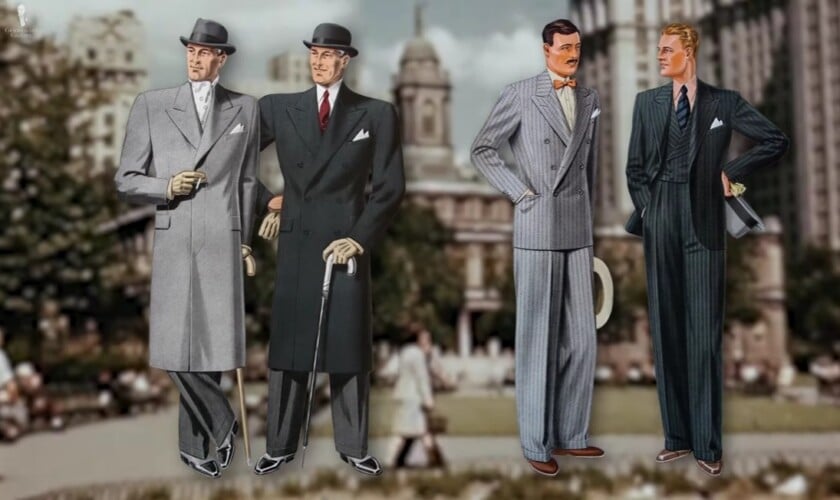
A pair of charcoal flannel trousers, for example, is one of the most versatile and essential garments a man can own, and a charcoal suit is a cornerstone of professional life.
Do you know which shirts and ties look best with gray suits?
13. Brown (All Shades)
Brown has been with us since the dawn of clothing and has remained a menswear staple for one simple reason: unrivaled versatility. As an earth tone, it naturally pairs well with almost every other masculine color on this list. As a neutral, it won’t clash with brighter, bolder choices.
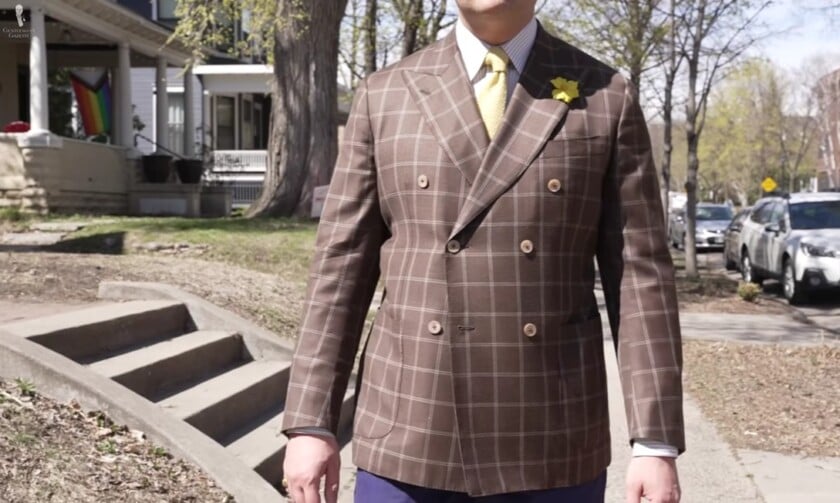


Why It’s a Classic: It is, in our view, the most underrated color in menswear. It is cohesive, versatile, and can be worn at nearly every level of formality, from rugged casual wear to elegant ensembles (the “No Brown in Town” rule is largely a relic of the past).
How to Wear Brown
Brown is a fantastic choice for foundational pieces (like sport coats, trousers, and overcoats) and is the default color for classic leather goods like shoes and belts. At formal events, the shade “buff” is even worn for dinner jackets and morning dress waistcoats.

Conclusion
While you should always wear the colors that make you feel your best, being aware of these traditionally masculine colors is a powerful tool. Leveraging this palette, which has been refined over centuries, is a near-guaranteed way to create cohesive, stylish, and sophisticated outfits.
This list is by no means exhaustive, especially given the countless shades and tones that exist for each color. For those curious about incorporating more color into their ensembles, we recommend exploring our guides on using the color wheel and the conventional meanings behind basic colors.
What are your favorite classically masculine colors? Let us know in the comments below.
Frequently Asked Questions
What makes a color classically masculine?
A classically masculine color is one that, for various social, cultural, and historical reasons, has become associated with masculinity. In the Western world, this is often because a color is dark, muted, and earthy, because such tones are associated with strength, stability, confidence, and maturity.
Why are darker colors more masculine?
These colors are subdued and bold without being flashy, allowing men to stand out in a way that feels commanding but not attention-seeking. This creates a sense of mystery as well as subtle confidence.
Why is it beneficial to wear traditionally masculine colors?
Dressing with classically masculine colors offers several key benefits. These colors are versatile, allowing most pieces in your wardrobe to work well together and making outfit selection simple and efficient. They are timeless, so your wardrobe remains stylish and relevant for years.
Dark and neutral tones also project confidence, maturity, and professionalism, helping you make a strong impression in both professional and social settings. These colors suit a wide range of skin tones and occasions, from formal events to casual outings, and a wardrobe built around them reduces the risk of clashing outfits, streamlining the process of getting dressed or packing for travel.
In short, classically masculine colors provide a foundation for a stylish, practical, and enduring wardrobe.
Can only men wear and enjoy classically masculine colors?
No, they can be worn and enjoyed by anyone.
Putting Your Palette Into Practice
Now that you’ve explored the classic masculine palette, it’s time to apply that knowledge. These guides will help you master the art of color in your own wardrobe.
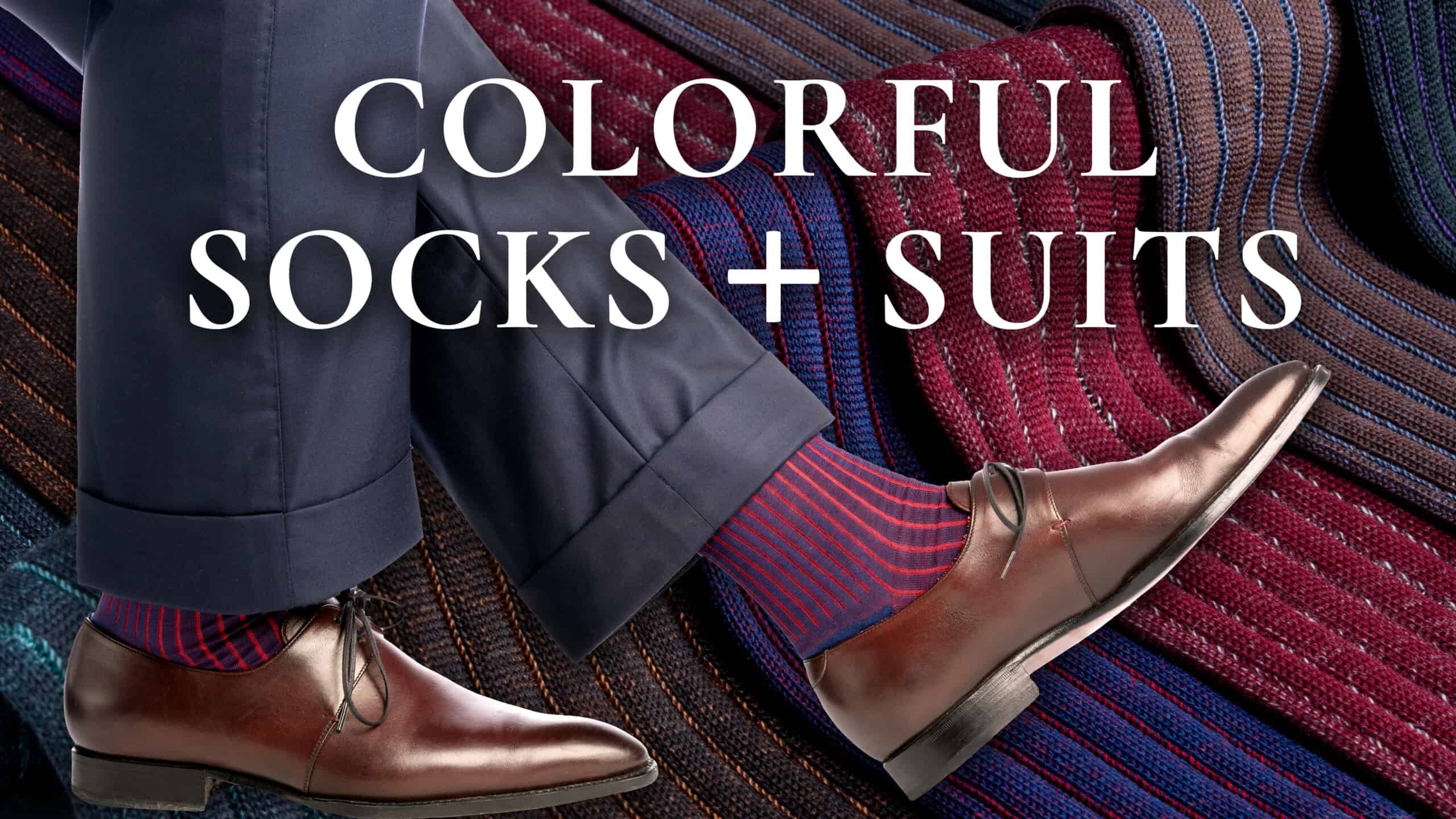
How to Wear Colorful Socks With Suits
A flash of color at the ankle is a hallmark of a confident dresser. Learn the rules for tastefully pairing bold and patterned hosiery with your tailored clothing.
How to Find the Best Colors for Your Skin Tone
The ultimate style secret is knowing what works for you. This guide will help you determine your skin tone and find the exact colors that make you look your best.
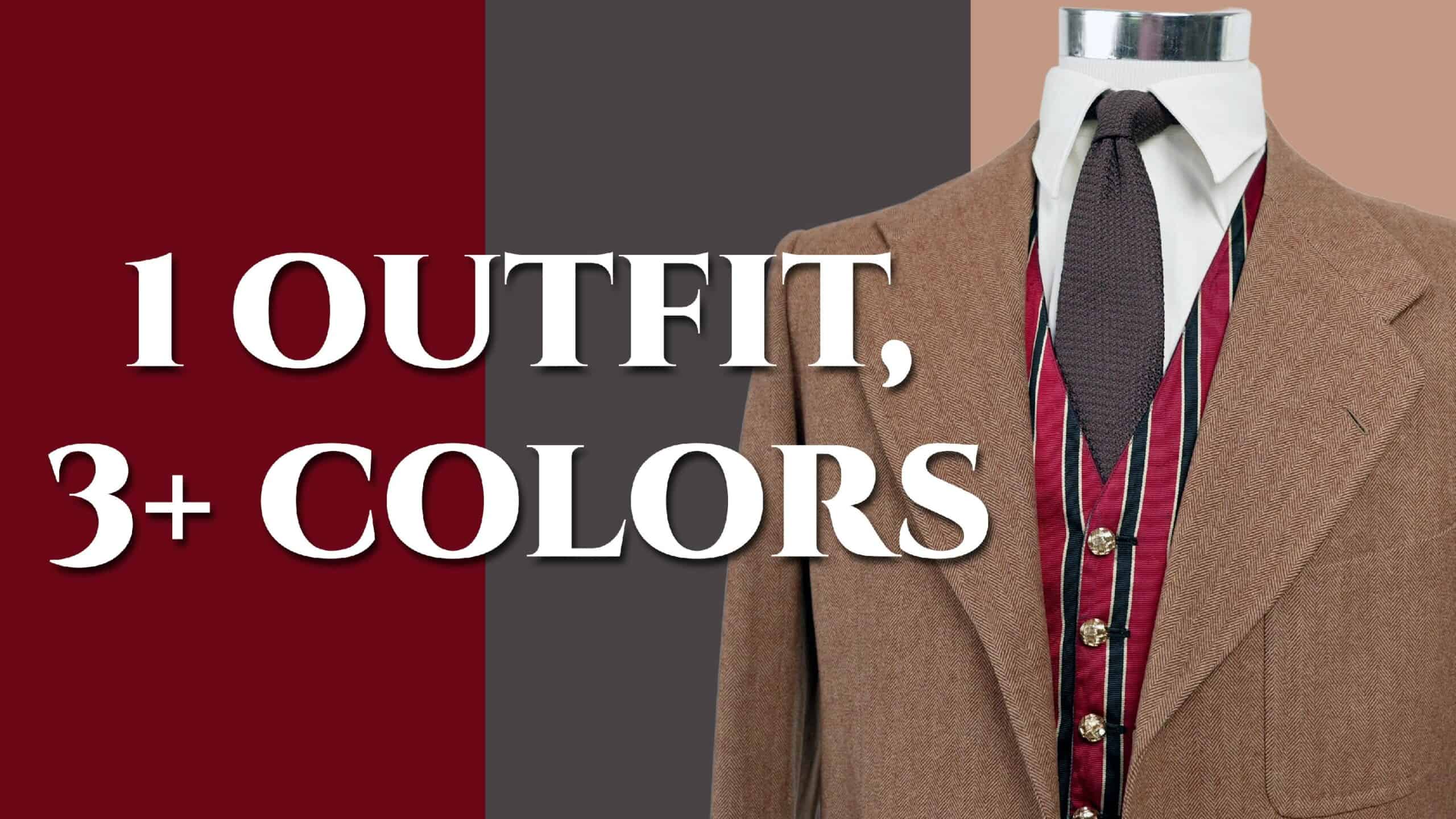
How to Combine Three or More Colors in an Outfit
Move beyond simple two-color combinations. Our guide teaches you how to confidently layer three or more colors for a richer, more sophisticated, and well-balanced look.
Where would Loden green fit in men’s fashion?
Traditionally, for hunting attire and outerwear
In my opinion, green is a seriously underused and versatile color in classic men’s fashion. Olive tones complement both dark browns and grays in the fall. In spring and summer, brighter greens are very appropriate and go nicely with a pair of chinos or a beige linen jacket.
Thanks for the article, it is good food for thought.
Astute observations, Neil. Green is, in our opinion too, underused but extremely versatile for clothing and accessories.