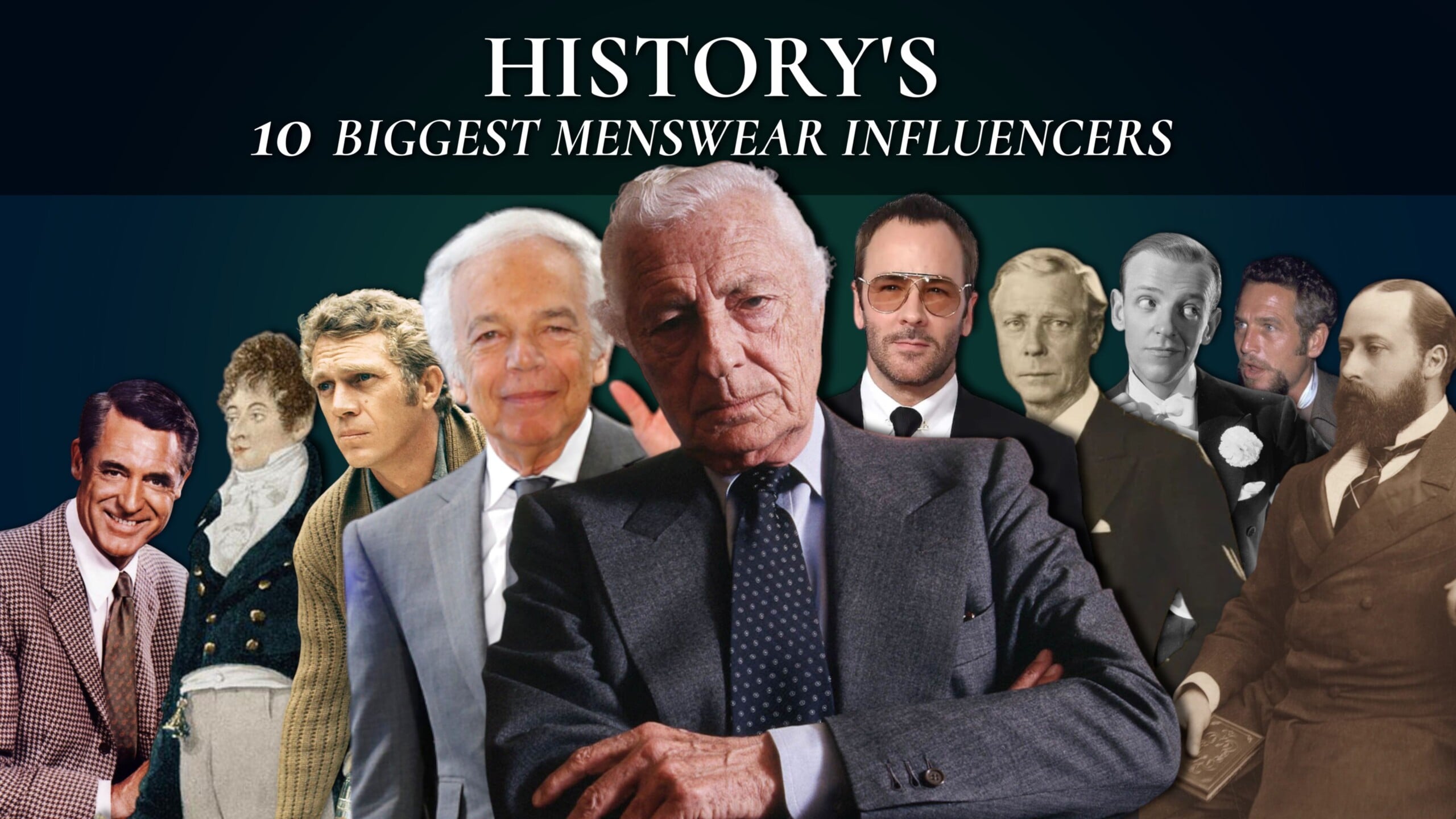
Whether you prefer a structured Italian suit or a rugged weekend look, your closet is a living museum of sartorial history. Every detail, from the way you button your jacket to the height of your trouser cuffs, can be traced back to a handful of men who broke the rules and, in doing so, created the ones we follow today.
Here are the 10 icons who shaped the history of menswear.
- 1. Beau Brummell: The Father of Modern Tailoring
- 2. King Edward VII: The Royal Trendsetter
- 3. The Duke of Windsor: The Bold Reformer
- 4. Fred Astaire: Elegance in Motion
- 5. Cary Grant: The Mid-Century Ideal
- 6. Gianni Agnelli: The King of Sprezzatura
- 7. Paul Newman: Sophisticated Ruggedness
- 8. Steve McQueen: The King of Cool
- 9. Ralph Lauren: The Curator of Americana
- 10. Tom Ford: The Architect of Modern Glamour
- Conclusion
- Meet More Fashion Icons

1. Beau Brummell: The Father of Modern Tailoring
Before Brummell, men’s fashion was a riot of lace, powder, and silk. He revolutionized style by introducing the concept of the “Dandy”, focusing on impeccable fit, understated colors, and cleanliness.
He replaced the knee breech with full-length trousers and pioneered the use of starched neckcloths (the ancestor of the modern necktie).
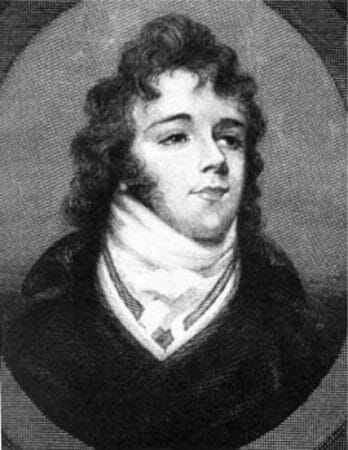
Key Lesson: Fit and grooming are more important than flashy ornamentation.
Did One Man Invent Style?
2. King Edward VII: The Royal Trendsetter
As a man of considerable stature, the King’s physical proportions often dictated his style choices, which eventually became global standards.
He is credited with the tradition of leaving the bottom button of a waistcoat undone (originally for comfort) and popularizing the Homburg hat.
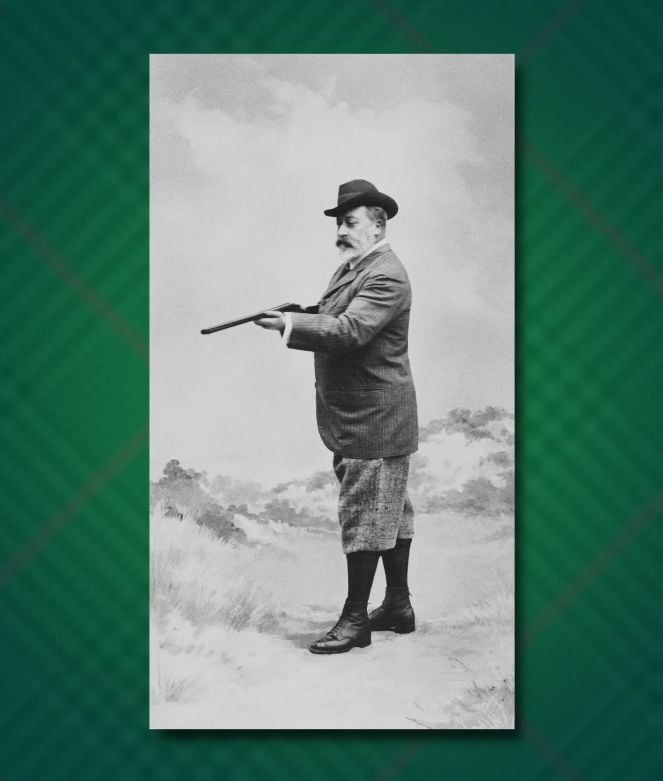
Key Lesson: Practicality often dictates the most enduring style “rules.”
3. The Duke of Windsor: The Bold Reformer
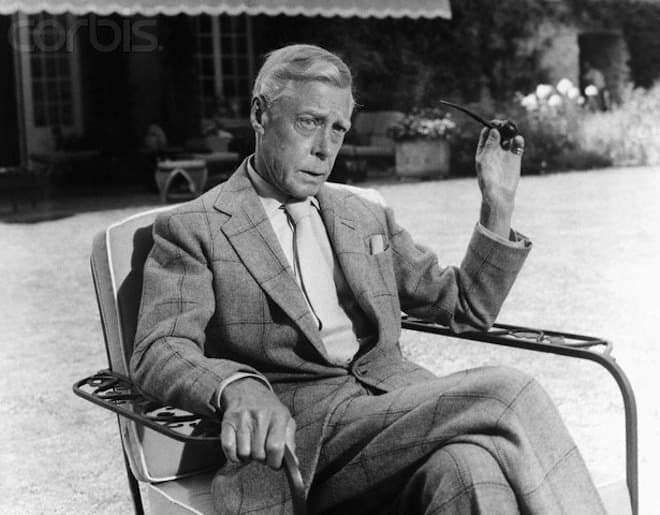
Perhaps the most influential style icon of the 20th century, the Duke of Windsor prioritized comfort and visual interest over rigid Victorian formality.
He popularized the Windsor knot, popularized “soft” dress shirts with attached collars, and championed bold patterns like Prince of Wales check.
Key Lesson: Don’t be afraid to stand out when you can.
5 Things We Can Learn From The Duke of Windsor
4. Fred Astaire: Elegance in Motion
Astaire brought a sense of “careful carelessness” (sprezzatura) to formal wear. He famously danced in his suits to ensure they moved with him, rather than restricting him.
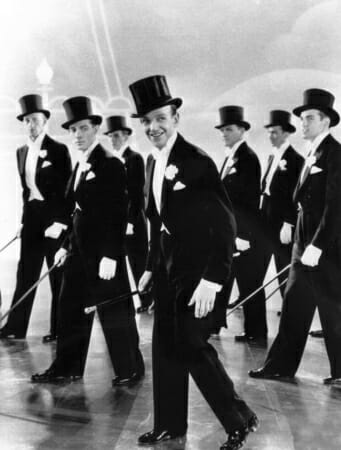
Key Lesson: Clothes should never wear the man; comfort facilitates confidence.
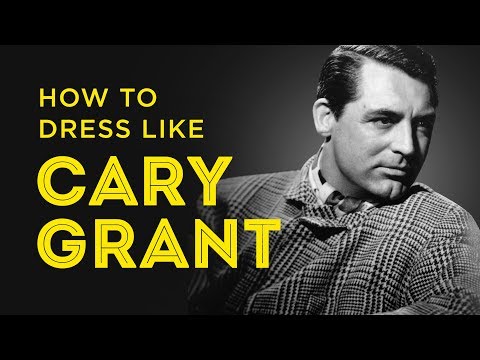
5. Cary Grant: The Mid-Century Ideal
Grant was the master of the “Middle-of-the-Road” style, ensuring that he was never too trendy, never too dated. He understood his proportions perfectly, often opting for high-waisted trousers to elongate his silhouette.
Key Lesson: Consistency is the hallmark of a personal brand.
6. Gianni Agnelli: The King of Sprezzatura
The Italian industrialist was famous for his “signature errors;” deliberate style quirks that signaled he was above the rules. He wears his wristwatch over his shirt cuff and opts for hiking boots with bespoke suits.
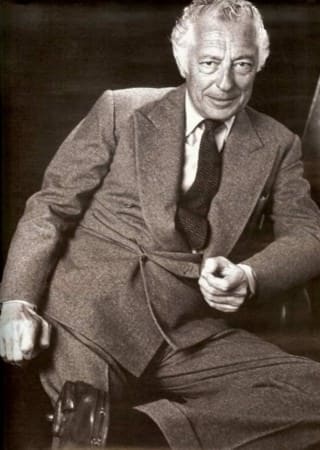
Key Lesson: If you do it intentionally, it’s a feature, not a mistake.
7. Paul Newman: Sophisticated Ruggedness
Newman bridged the gap between classic tailoring and American sportswear. He proved that a man could look just as dapper in a denim shirt as he did in a tuxedo.
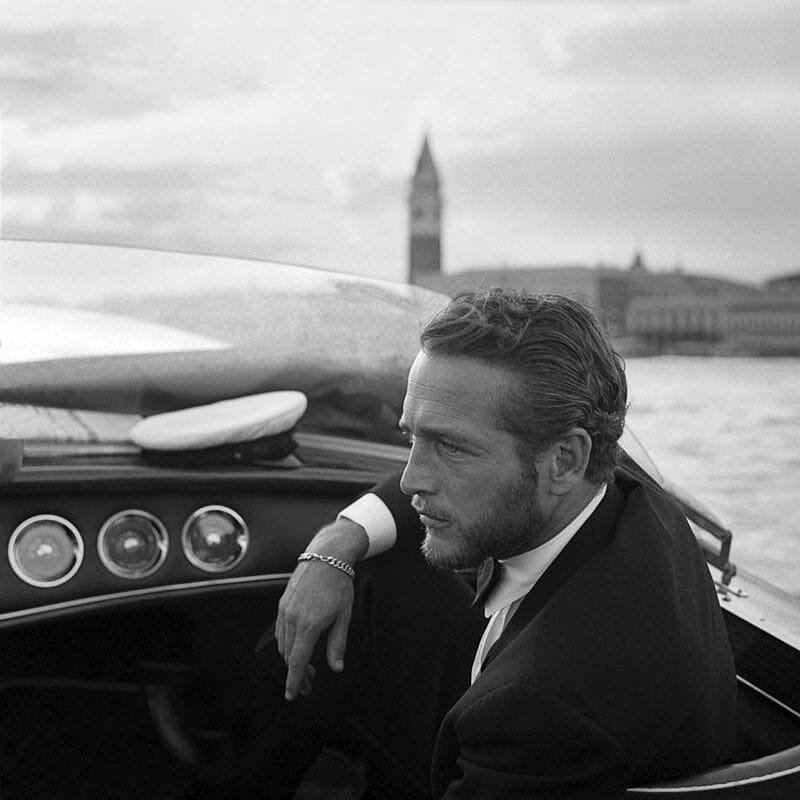
Key Lesson: How you wear your clothes can be more impactful than the clothes that you wear.
The Secrets of Newman’s Style
8. Steve McQueen: The King of Cool
McQueen’s style was rooted in utility and masculinity. He took items from the military and the racetrack and brought them into the mainstream.
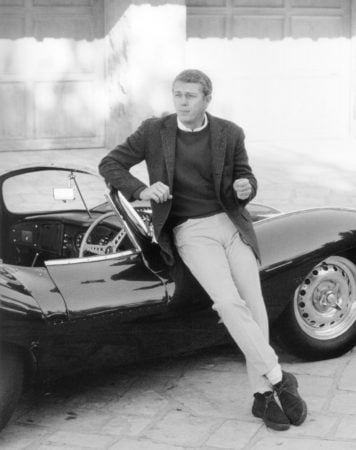
Key Lesson: Invest in high-quality basics that serve a purpose.
9. Ralph Lauren: The Curator of Americana
Lauren didn’t just design clothes; he designed a lifestyle. He took the aesthetics of the British aristocracy and the American West and made them accessible to the modern professional.
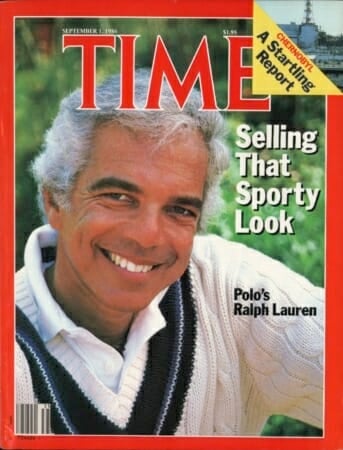
Key Lesson: Style is a form of storytelling.
Did Ralph Lauren Invent the American Look?
10. Tom Ford: The Architect of Modern Glamour
Ford brought sex appeal and sharp lines back to menswear after the oversized silhouettes of the 1990s.
“Dressing well is a form of good manners.”
Tom Ford
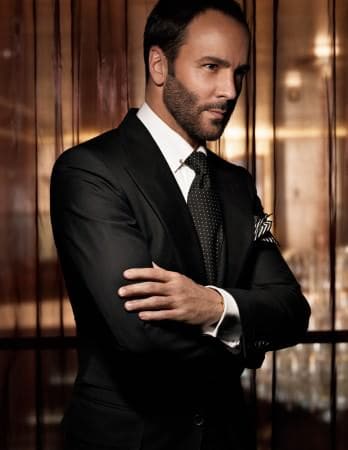
Key Lesson: Don’t be afraid of a bold silhouette if the tailoring is precise.
What Is the Tom Ford Uniform?
Conclusion
Understanding these icons is about understanding the why behind their choices. Whether you’re dressing for a Black Tie gala or a casual Saturday, you are standing on the shoulders of these sartorial giants.
I’m curious to learn: which of these style icons has had the biggest impact on your own closet? Let us know in the comments below.
Meet More Fashion Icons

Gentleman of Style
Ian Russell
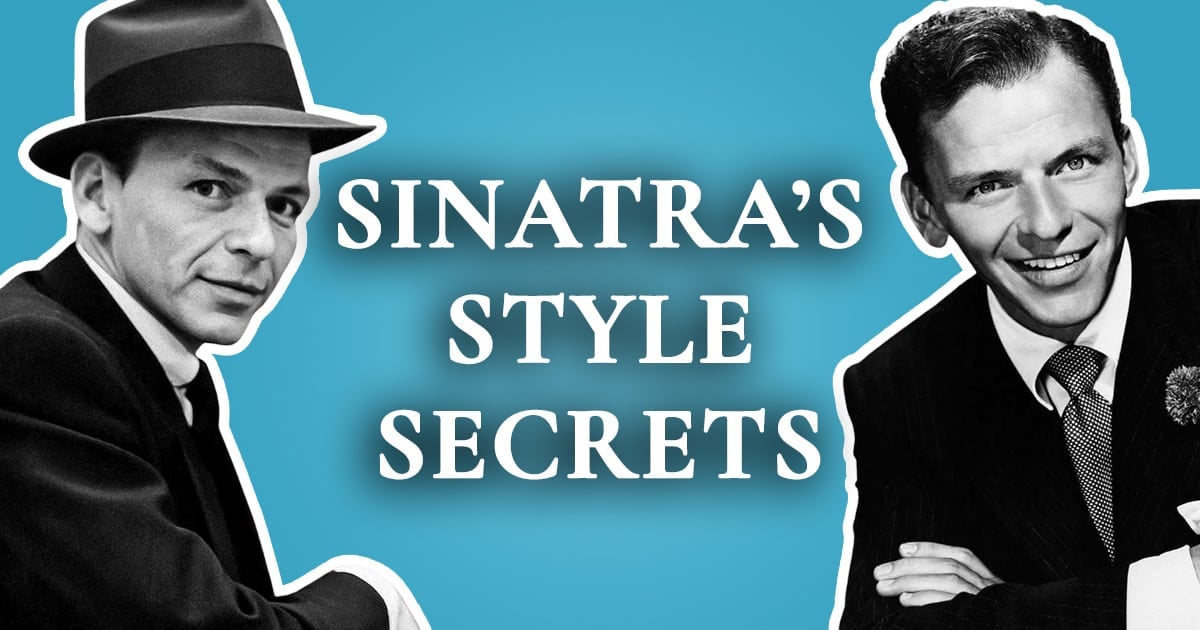
Gentleman of Style
Frank Sinatra
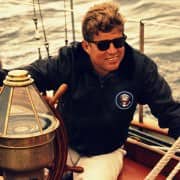
Gentleman of Style
President John F. Kennedy
Fred Astaire is outstanding. He show us what white tie is.
I couldn’t agree more!
Hello! For me Gianni Agnelli has the most unique style. As always great article! Couldn’t agree more with the choice of style icons!
I certainly feel that Mr. Agnelli has had the biggest impact on sartorial sprezzatura that we’ve seen in more recent years
I loved all the entries. I may only have added Gary Cooper simply because he made everything look fabulous. However I can find no fault and each adds a slightly different shading or nuance to their field of influence. Nicely done GG.
Pleased to hear you enjoyed the list, Paul. indeed, Gary Cooper is another fine example of excellent style!
Very interesting and worthwhile topic and treatment.
6:18 “Find a photograph of Cary Grant from 1955 and take a good look at him. He would easily outdress 90% of the men on the street today. . . .”
Oh, for heaven’s sake! Any man who puts on a sport coat that is not hideous or ill-fitting will by that act alone outdress 90% of the men on the street today.
8:01 “He [Agnelli] was even known for intentionally knotting his tie just a little bit sloppily to avoid looking too perfect.” So Preston’s crooked bow tie was a touch of Agnelli?