There are plenty of great written and video guides out there that cover the fundamentals of DE safety razor shaving–ours among them, we should say! But if you’ve mastered the basics and are looking to ensure that your technique is a cut above, then these expert-level tips should do the trick!
- I. Find Your Ideal Angle: Cap vs. Guard Riding
- II. Lather Unevenly for Targeted Protection
- III. Contortion and Manual Tension
- IV. Hardware Customization (The “Frankenrazor”)
- V. Proper Maintenance Protocol
- VI. Pace and the “Stuttering” Stroke
- VII. The Peril of Complacency
- VIII. Learn the Rules… Then Break Them
- Conclusion
- FAQ
- What to Watch Next

I. Find Your Ideal Angle: Cap vs. Guard Riding
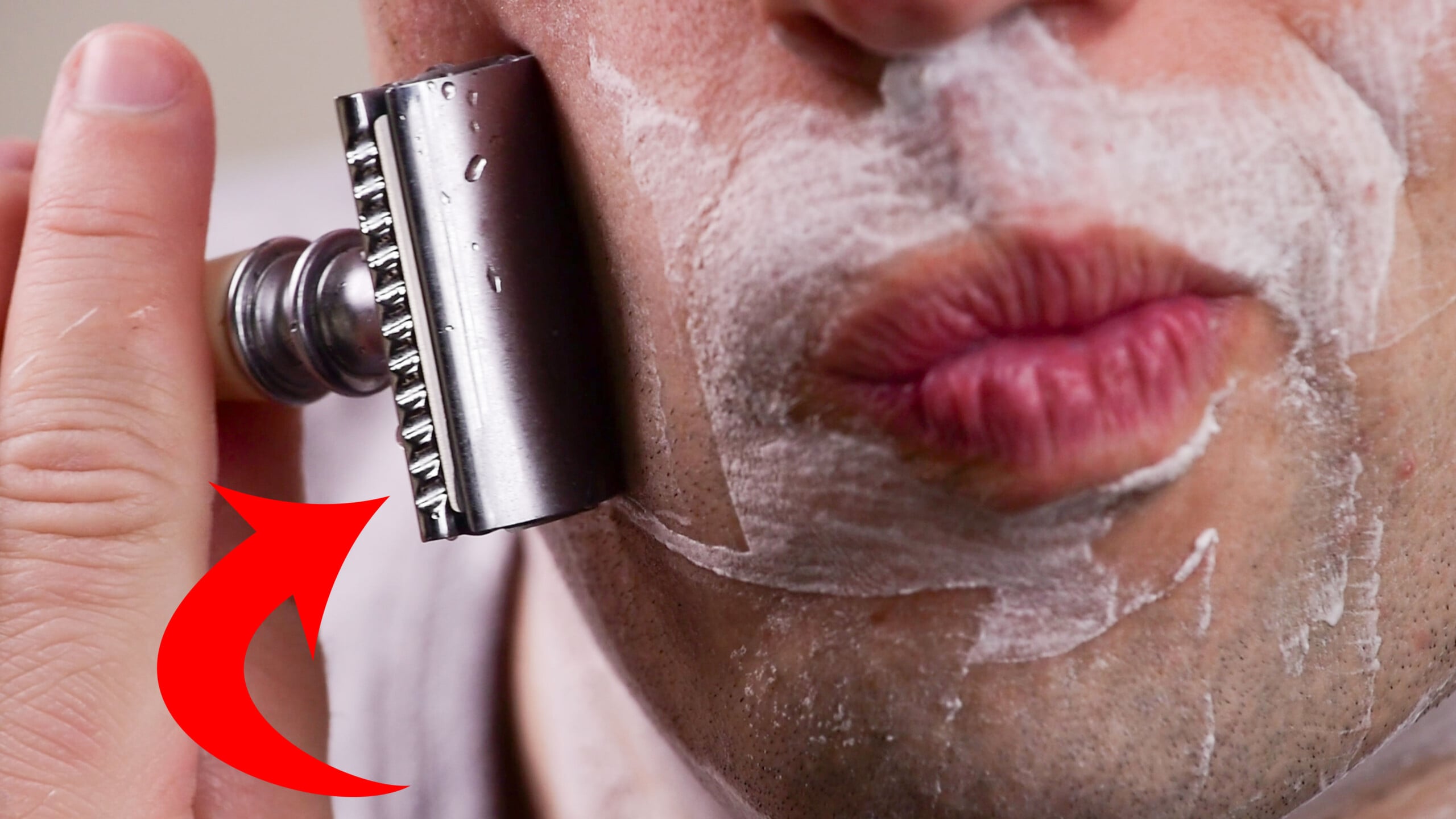
While the standard 30-degree angle is a reliable baseline, your facial topography often requires adjustment. You can experiment with “riding the cap” or “riding the guard.”
Riding the Cap
By using a more obtuse angle (handle closer to perpendicular to the skin), the cap makes more contact. This creates a milder, shallower cut—ideal for “touch-ups” if you shave daily, or for navigating the tricky area where the jaw meets the neck.
Riding the Guard
This involves a steeper, more acute angle (handle closer to parallel with the skin). This provides a closer shave but increases the risk of nicks and ingrown hairs. Use this to “knock down” significant growth if you have skipped a few days of shaving.
Mastering the Irritation-Free Shave
II. Lather Unevenly for Targeted Protection
Uniform coverage is a beginner’s habit. Instead, adjust your lather’s consistency to suit specific zones of your face.
- The Strategy: Apply a thinner lather to areas with dense growth for closer blade contact. Conversely, use a thicker, richer cushion for sensitive patches that require added protection.
- Blade Buffing: Seasoned hands may employ “blade buffing”—short, repeated strokes over the same patch. However, never attempt this without ensuring your lather is sufficiently slick to prevent friction burn.
“Life is lived more easily with a beard than without one, since with a beard lies are more easily told—they can be told, and then hidden in the masses of hair. Hence we ought to go through life with our faces naked, since such faces render untruthfulness more difficult, and prevent their owners from prevaricating without the fact becoming plain to all.”
Maksim Gorky

III. Contortion and Manual Tension
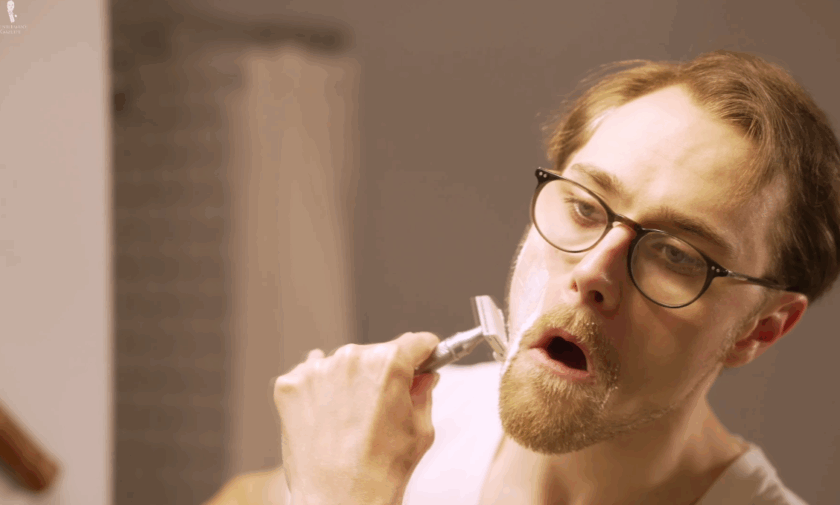
A neutral expression is the enemy of a close shave. To create flat, taut surfaces, you must be willing to “mug” in the mirror.
- Dynamic Stretching: Contort your face to flatten multidimensional areas like the cheekbones and jaw.
- The Free Hand: Use your non-shaving hand to physically stretch or move the skin, allowing the razor to tackle stubborn areas more completely.
IV. Hardware Customization (The “Frankenrazor”)
Because many quality razors utilize standardized threading, you can mix and match handles and heads to find your ideal weight, grip, and blade gap.
A Personal Example: One may benefit from the narrow blade gap of a Henson AL13 head coupled with the substantial heft and length of a Mühle R89 Grande handle. This modularity allows you to build a tool suited to your unique bone structure.
V. Proper Maintenance Protocol
A master is only as good as his tools. Neglecting your hardware leads to inefficiency and hygiene issues.
Blades
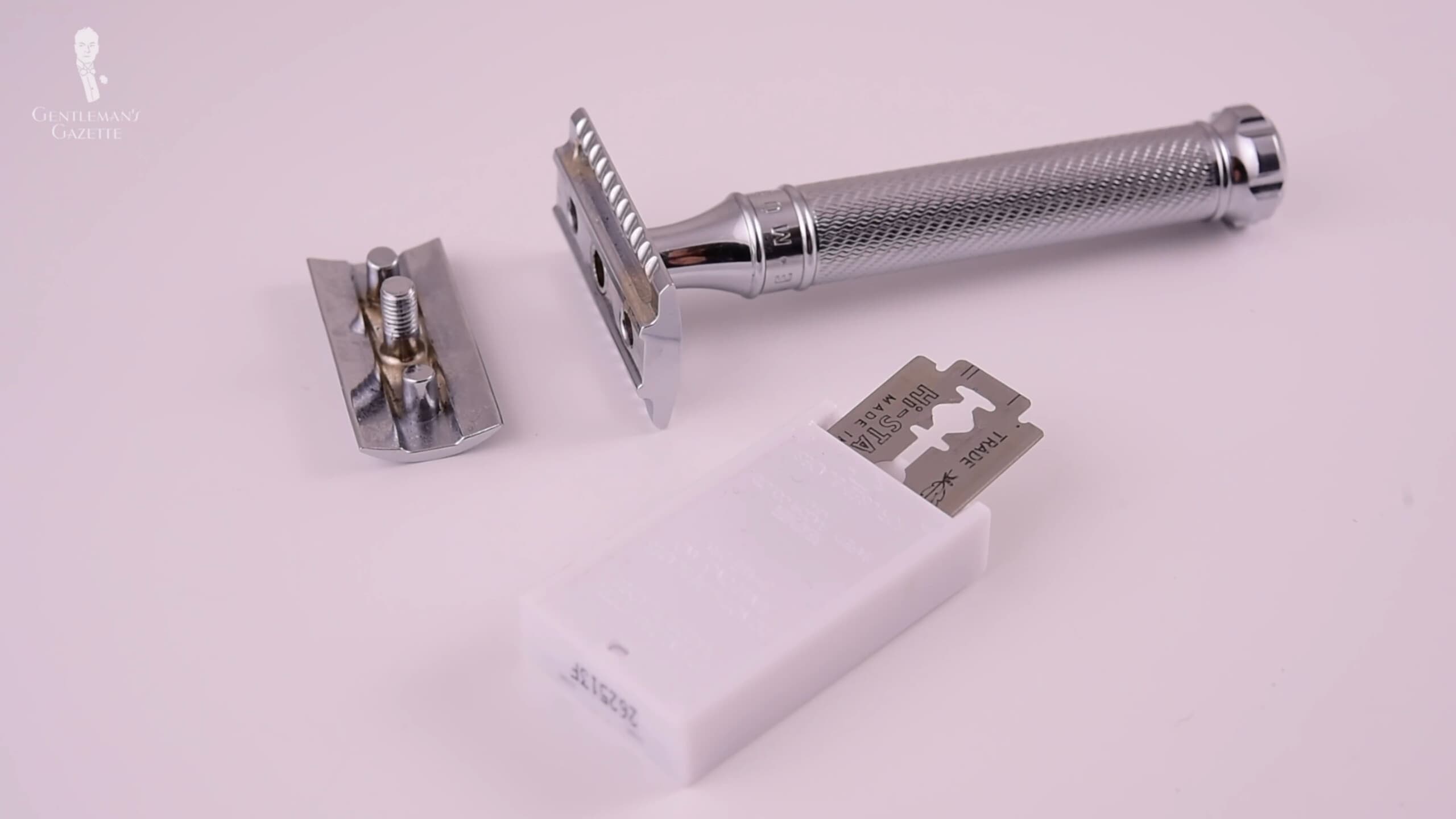
Replace them frequently enough so they never dull. A dull blade is the primary cause of irritation.
The Razor
Rinse and wipe the head assembly while open during every blade change. This prevents bathroom grime from causing flaking or rust.
The Brush
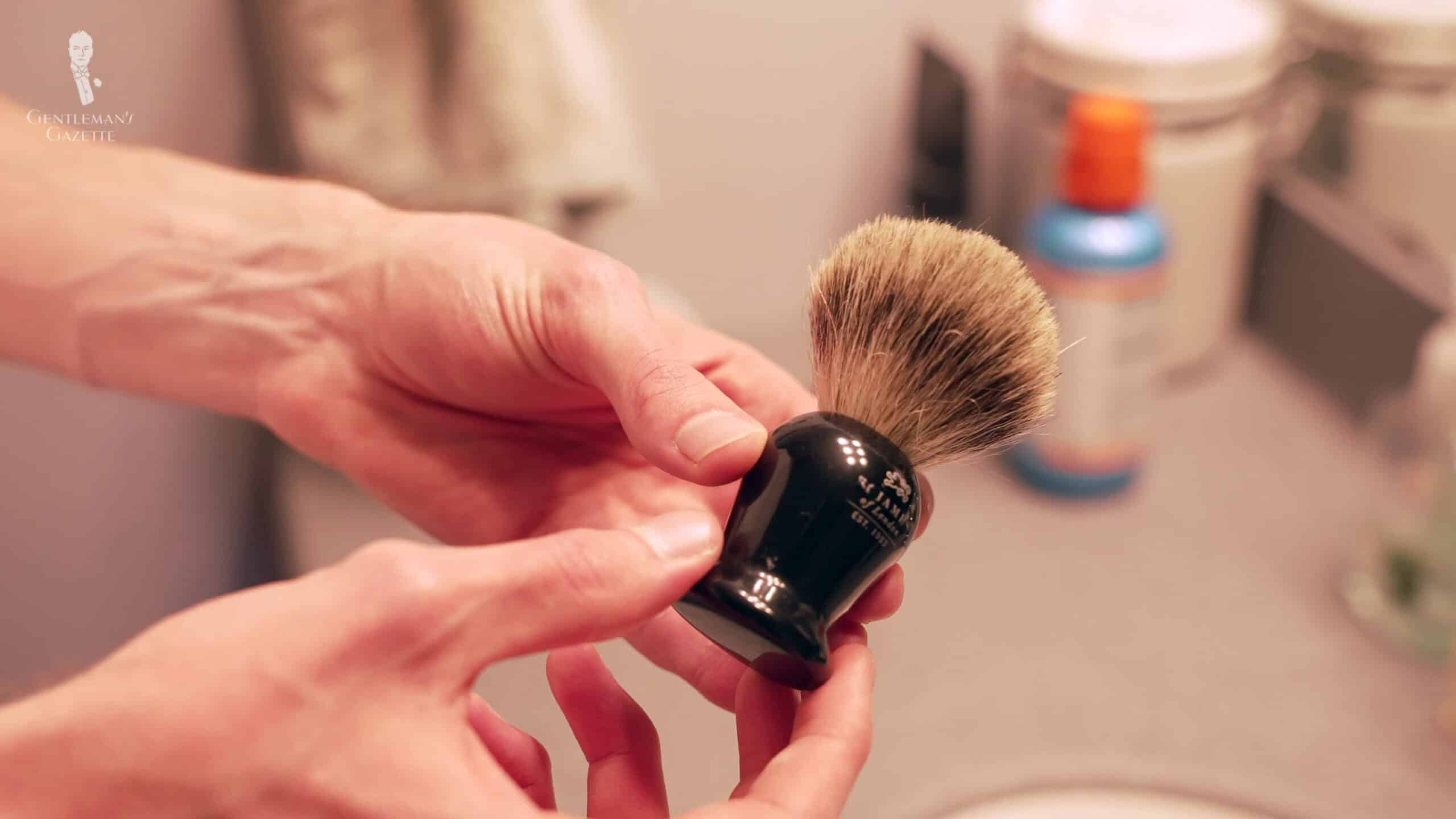
Rinse multiple times, firmly squeeze the bristles to remove excess water, and “fluff” them by hand before placing them in a stand to air dry.
VI. Pace and the “Stuttering” Stroke
As proficiency increases, speed will naturally follow, but it should never be the goal.
- Smooth Gliding: Ensure you are gliding consistently. Avoid “stuttering,” stop-and-start strokes, as these are the primary culprits behind nicks and mishaps.
- Lather Management: If you shave slowly, your lather may dry out. Either apply a fresh coat over the first or lather in sections to ensure the skin is always lubricated.
9 Common Shaving Errors
VII. The Peril of Complacency
The moment you believe you are a “pro” is the moment you become prone to injury. Shaving is, in simplest terms, running a metal blade across your skin. Maintain a respectful focus, practice good form, and never forget the basics.
VIII. Learn the Rules… Then Break Them
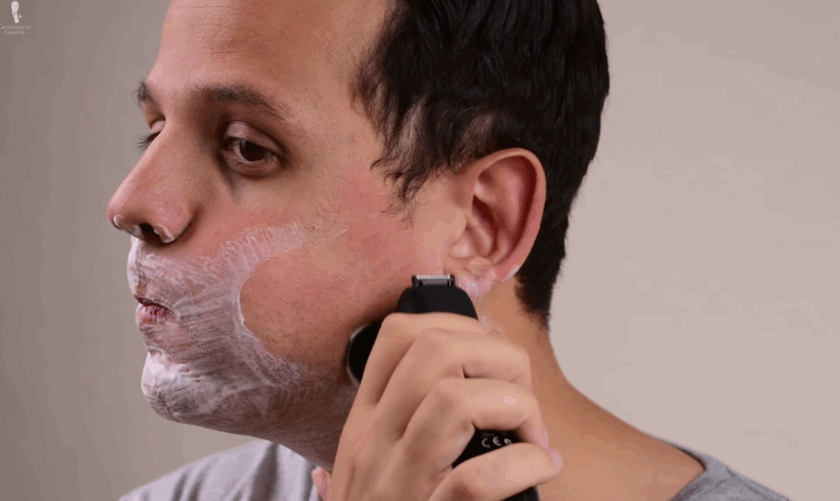
Traditional “rules”—like the three-pass shave or the hot-water prep—are not universal laws.
- Texture Matters: Those with lighter density may find one pass is sufficient.
- The Cold Water Shave: While most suggest a hot shower first, some find that stripping the skin of natural oils prior to a shave increases irritation. Shaving with cold water before your shower can often yield a more comfortable result.
Conclusion
We hope that these advanced tips on DE shaving technique, tools, and mentality will help take your shaves from serviceable to spectacular.
Have you uncovered other shaving secrets of your own? Let us know in the comments below!
FAQ
What is the ideal pre-shave routine for the best results?
Hydrate your skin and beard with a hot shower or a warm, wet towel to soften facial hair. This reduces irritation and allows for a smoother shave.
Use a quality shaving cream or lather, applied with a brush for thorough coverage and light exfoliation.
Avoid aerosol shaving creams as they generally lack adequate lubrication.
What is the optimal blade angle for advanced shavers?
Maintain a blade angle between 30°–45° to maximize cutting efficiency while minimizing the risk of nicks. You can experiment within this range for your unique facial contours and hair type.
How much pressure should be applied during shaving?
Use only the weight of the razor itself; avoid pressing into the skin. A gentle grip helps avoid cuts and irritation—let gravity and the razor’s sharpness do the work.
How can advanced users refine their shaving strokes?
After mastering straight strokes perpendicular to the blade, some shavers find it helpful to incorporate a gentle slicing motion at a slight angle (known as the Guillotine Stroke, Gillette Slide, or Scything ). This advanced method offers a closer cut and requires solid technique to avoid mishaps, but it isn’t suitable for everyone.
Is it necessary to shave against the grain?
Start by shaving with the grain for the first pass. For a closer finish, advanced users may perform a second pass across the grain and, optionally, a third against the grain. Always reapply lather for each additional pass to protect the skin.
How do I handle tricky areas like the jawline and under the nose?
Tighten the skin with your free hand when shaving around contours. For under the nose, pull the upper lip downward and use shorter, controlled strokes.
Should I use an aggressive or mild razor head?
Choose a more aggressive/angled head for thick or coarse hair, but stick with a milder razor for sensitive skin or finer hair. Advanced shavers may prefer more aggressive razors for efficiency, but these require more skill.
How often should blades be changed?
Replace blades every 3–5 shaves, or sooner if you notice tugging or dullness. Duller blades increase the risk of irritation and nicks.
What advanced lathering techniques improve performance?
Use a shaving brush to work lather deeply into your whiskers, lifting hair and prepping the skin. Consider pre-shave oils to add a protective layer, particularly if prone to irritation or trouble spots.
What is the best post-shave routine?
Rinse with cold water to close pores.
Pat skin dry gently with a towel.
Apply a nourishing, alcohol-free aftershave balm to soothe and hydrate the skin.
How should I clean and store my safety razor?
Rinse thoroughly after each use to remove soap and hair.
Separate the blade and dry all parts.
Store in a dry place to prevent corrosion and prolong razor life.
What to Watch Next
My Honest Review
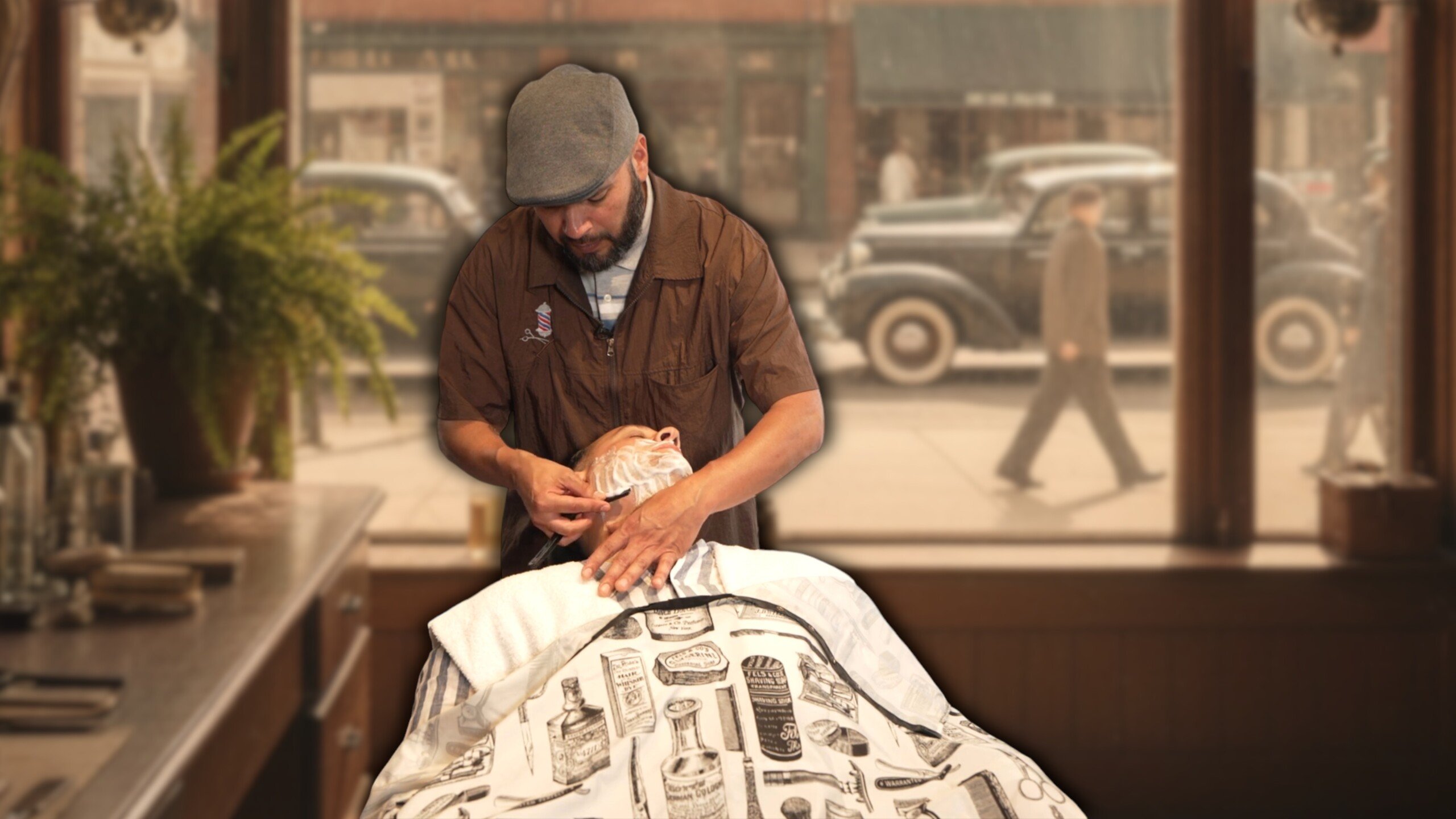
Is an $80 Professional Wet Shave Worth It?

Straight Razor Shaving History
Why Did Men Stop Straight Razor Shaving?

Shaving, Styling & More
12 Best Beard Grooming Products
Very interesting article. I used DE for my first 10 yrs. or so of regular shaving, with occasional experiments with Schick injectors, a self-stropping razor, and other novelties. Since the early ’70s I have been using a Trak 1 type cartridge with various holders. I bought a Gorham pewter razor as a bi-centennial souvenir, along with a souvenir mug, little dreaming that I would still be using them 50 years later at the demiquincentennial. Still quite satisfactory. When I look at the price of cartridges, I am a little smug that I was able to buy several doz. packs at a close out for 5 or 50 cents each. Keep the interesting articles coming.
Where do I find recommendations for a high quality shaving soap or cream?