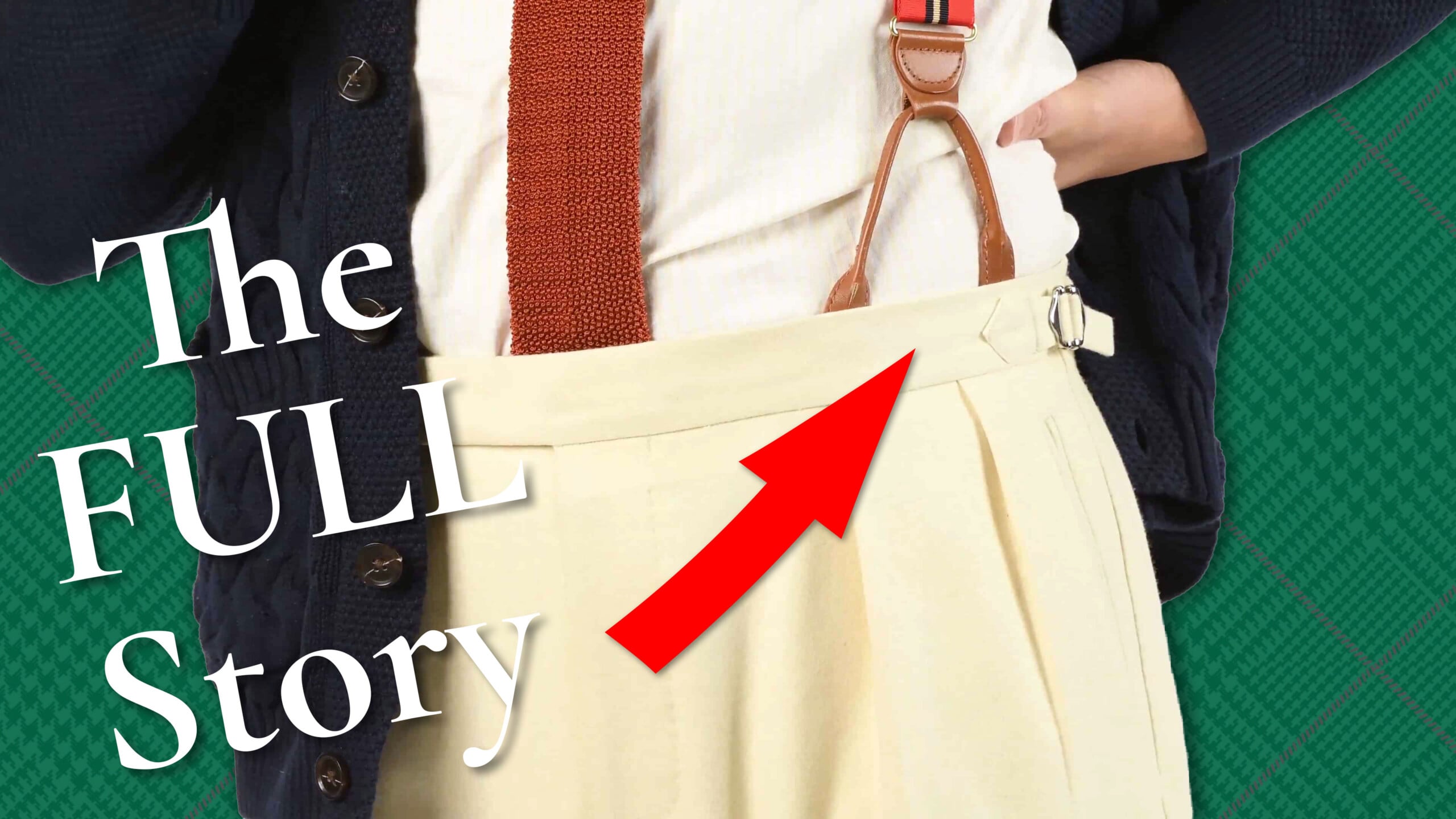
From the late 18th through the early 20th century, suspenders reigned supreme as the primary method for holding up a man’s trousers. While many modern men have transitioned to belts, plenty of stylish gents still prefer the classic silhouette that only a pair of braces can provide.
But where did this iconic accessory come from, why did it once supplant the belt entirely, and does it still have a place in the modern wardrobe? Read on to discover the fascinating evolution of the garment that defined men’s tailoring for generations.

Terminology: Suspenders vs. Braces
Before diving into the history, it is important to clarify the language. In the United States and Canada, these accessories are known as suspenders. In Britain, Australia, and New Zealand, they are called braces.
Fundamentally, these are straps worn over the shoulders that attach to the trouser waistband. Usually made of silk for formal wear or rayon or elastic for everyday use, they provide superior comfort and mobility.
The Gentleman’s Style Dictionary
The distinction in names grew more pronounced around the turn of the 20th century:
- The American Perspective: By the late 1890s, the Sears, Roebuck and Company catalog used “suspenders” for trouser support, while “braces” was reserved for orthopedic garments designed to correct posture.
- The British Perspective: In the UK, “suspenders” refers to what Americans call garter belts. As author Nicholas Storey noted, the term “braces” is used to avoid calling up quite different images, as suspenders, in these regions, are part of a ladies’ undergarments.
“Anybody can make history; only a great man can write it.”
Oscar Wilde
The Evolution of Design
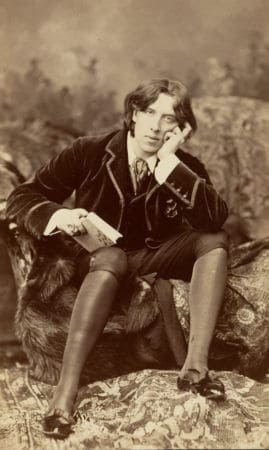
Suspenders are actually a much more recently invented garment than the belt. While belts date back roughly 5,000 years to the Bronze Age, precursors to modern suspenders only appeared in France about 300 years ago.
Key innovations and makers:
The Early Days
Early versions were simple fabric ribbons attached to trousers via buttons or buttonholes. Benjamin Franklin was an early adopter of this French style.
Albert Thurston
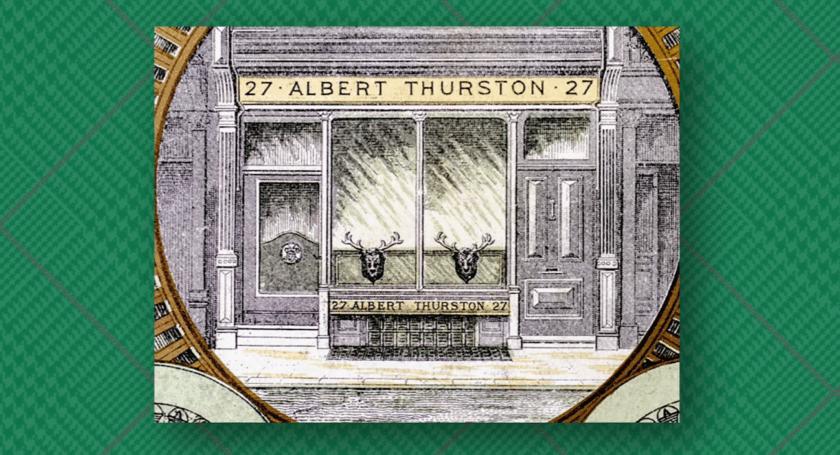
The “modern” suspender arrived in the 1820s, credited to London haberdasher Albert Thurston. His company still produces high-end braces today.
The Back Styles
As designs evolved, the configuration of the straps changed to offer different levels of security and formality.
- H-Back: Two rear straps connected by a horizontal third strap; today mostly reserved for heavy industry or firefighters.
- X-Back: Two straps crossing over each other in the back; provides excellent security for active wear.
- Y-Back: Two front straps joining into a single strap in the back; considered the most formal and contemporary choice.
Fashion vs. Style: The True Difference
Why Men Started Wearing Them
In the 18th and 19th centuries, suspenders were not just a fashion choice; they were a functional necessity.
The High-Waisted Era
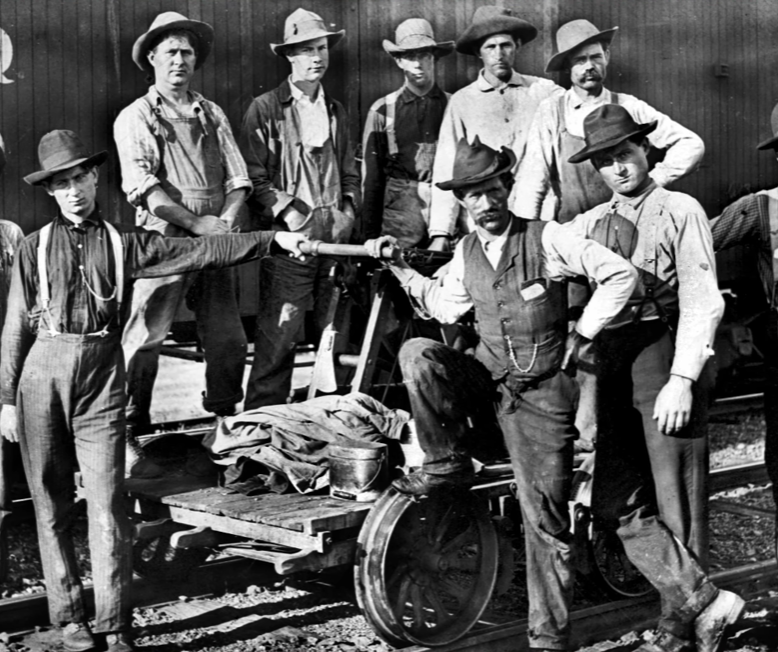
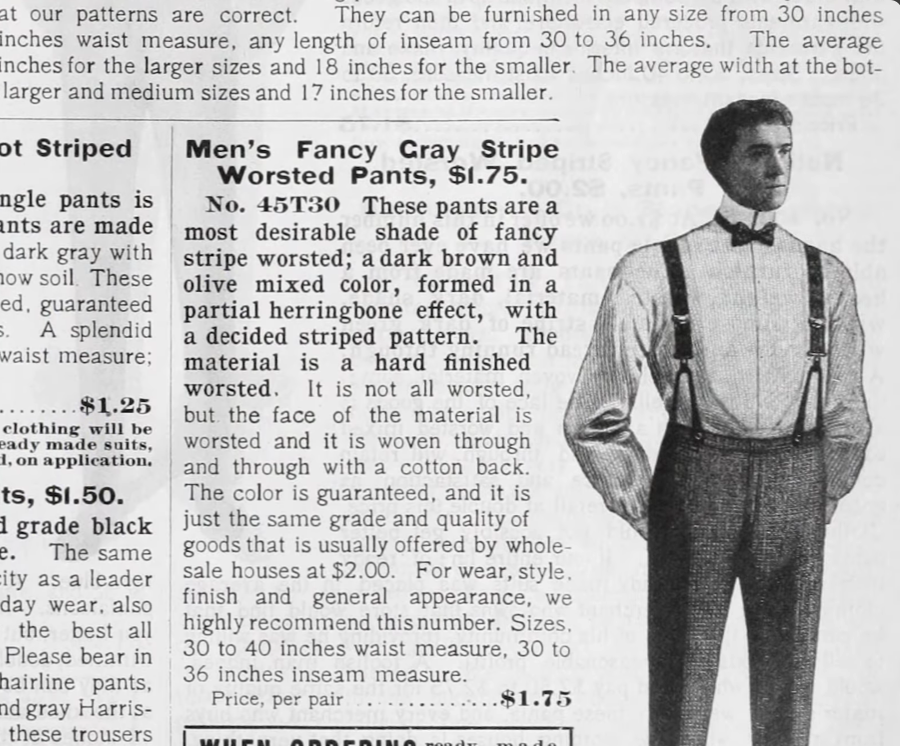
During the 19th century, fashionable trousers featured a very high rise. A belt cinched at the natural waist would look awkward and uncomfortable. Suspenders allowed these trousers to hang perfectly from the shoulders.
The Masculine Silhouette
Tailoring of the time favored a full chest and a slim waist. Braces enabled a man to wear full-cut, heavy fabrics without a tight waistband cutting into his midsection.
The Industrial Revolution
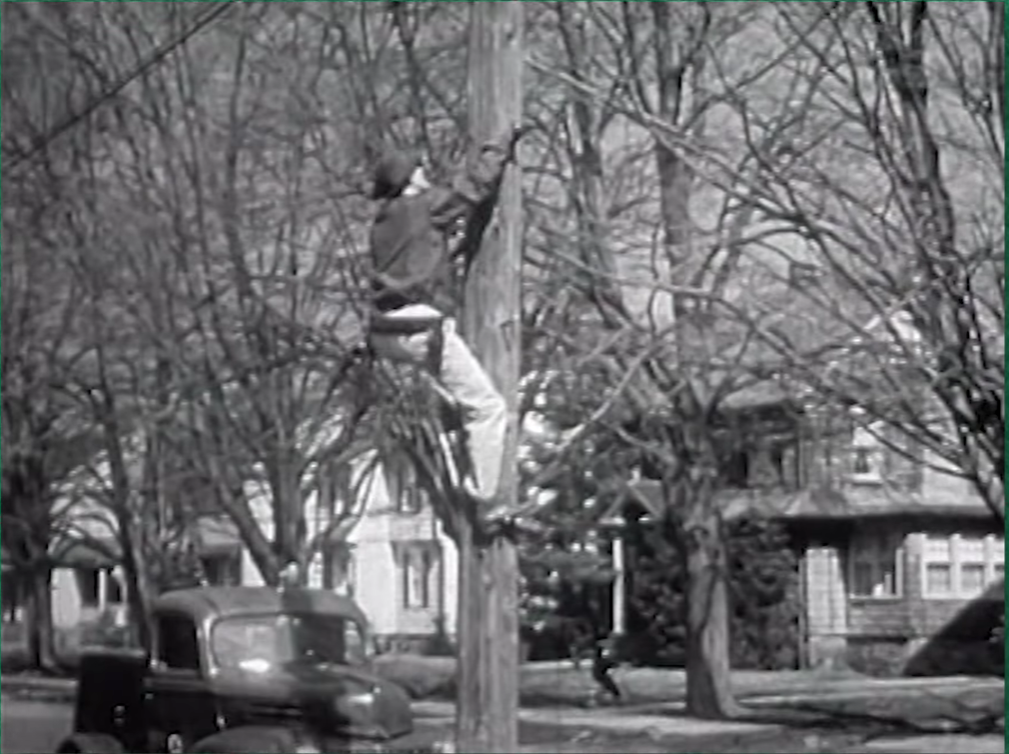
With the rise of mass-produced, “ready-made” clothing, suspenders were the easiest way to make one-size-fits-most trousers stay in place without expensive tailoring.
The Mark Twain Innovation
Interestingly, the famous author Mark Twain (Samuel Clemens) actually hated suspenders. This led him to patent an “improvement in adjustable and detachable straps” in 1871.
His invention was intended to cinch the waistband, functioning similarly to the side-adjusters introduced by the company DAKS in 1934. While it didn’t take off for men’s trousers, his technology eventually found its home in women’s corsets and survives today in the form of bra straps.
A Contemporary Take on the Suspender Silhouette
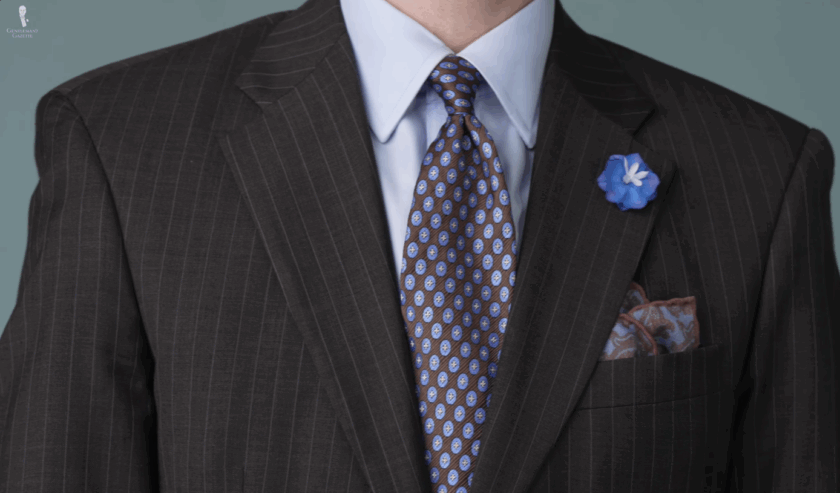
For today, I am of course wearing an outfit featuring suspenders. The ones I’m wearing are navy blue in color with brown leather accents. I’ve built the rest of my outfit around the same brown and blue color theme that the suspenders have. This would include my dark charcoal brown two-piece suit that features very subtle stripes in light blue and tan.
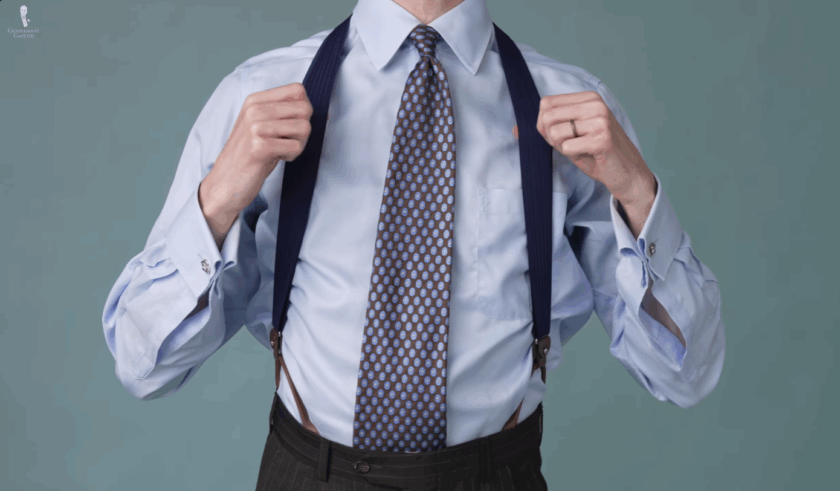

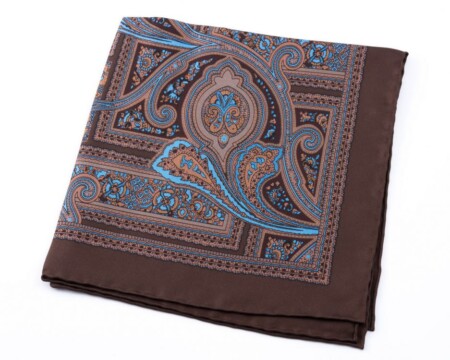
My shirt is pastel blue in color. It’s from Charles Tyrwhitt and features a classic collar style and French cuffs. In those cuffs, I have inserted some of our own Fort Belvedere cufflinks. These are from our relatively new Predator and Prey series featuring designs on both sides. Both my tie and my pocket square are vintage. The tie is in brown silk featuring a repeating motif in blue and tan. The pocket square, meanwhile, features lighter blue and brown as its colors with a paisley pattern and a brown accented edge.
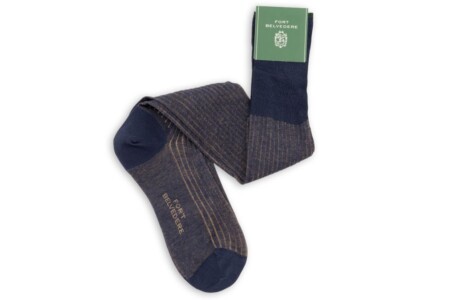
My shoes are very dark brown Adelaide-style Oxfords featuring broguing, and my socks are also from Fort Belvedere. These are two-tone shadow-stripe models in tan and navy blue.
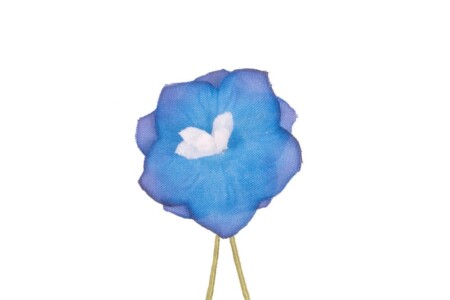
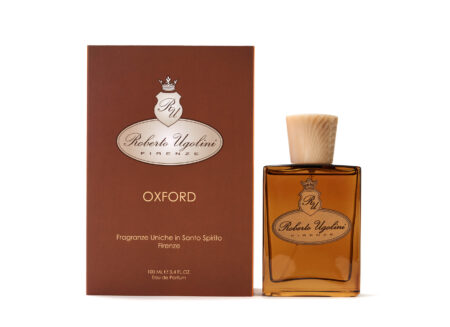
Rounding things out are my boutonniere, also from Fort Belvedere. This is a blue delphinium, and the fragrance I’m wearing today is Oxford from the Roberto Ugolini collection.
Conclusion
While the popularity of suspenders waned as trouser rises lowered and belts became the urban standard, they remain the gold standard for formal wear and traditional tailoring. They offer a level of comfort and “drape” that a belt simply cannot match.
As for the question of why men stopped wearing suspenders as their default choice, we explore that fascinating decline in detail in our dedicated video guide.

Frequently Asked Questions
What are suspenders, and when did men begin wearing them?
Suspenders—also called braces—are straps worn over the shoulders to hold up trousers. The earliest versions appeared in the 18th century, when they were strips of fabric attached to trousers, usually worn as undergarments and hidden from public view.
Why did suspenders become necessary for men’s wardrobes?
Suspenders became necessary primarily for practical reasons. At the time, men’s trousers were cut with high waists, making belts impractical or impossible to use. Suspenders provided a reliable way to keep trousers in place, especially as fashion favored looser and higher-waisted pants.
Who invented the modern suspender?
The modern suspender was developed in the early 19th century. This design featured sturdy straps made of tightly woven fabric and leather loops that attached to buttons sewn inside the waistband of trousers.
Were suspenders always visible?
No. For much of their early history, suspenders were considered underwear and were not meant to be seen. It was considered improper for suspenders to be visible in public until well into the 20th century.
Did suspenders have any competitors?
Belts were not a practical alternative for high-waisted trousers, so suspenders were the main choice for holding up trousers for many years. As trouser styles changed and waistlines dropped, belts became more practical and started to replace suspenders, especially after the early 20th century.
Did suspenders serve any purpose beyond holding up trousers?
Suspenders were primarily about function, but they also became a symbol of style and class. Over time, they evolved into a fashion statement, especially for formalwear and certain professions.
How did suspenders evolve over time?
During the 18th century, simple ribbons or strips worn as undergarments were proto-suspenders. Modern suspenders with button attachments were introduced in the early 19th century. During the late 19th century, metal clasps were increasingly employed, allowing for clip-on suspenders. Starting in the 20th century, suspenders became less common as belts rose in popularity, but they remain a staple for formal attire and certain professions.
Are suspenders still worn today?
Yes. While no longer an everyday necessity, suspenders are still worn for style, comfort, and tradition, particularly with formal suits and tuxedos. They are also favored by some for their comfort over belts and as a nod to classic menswear.