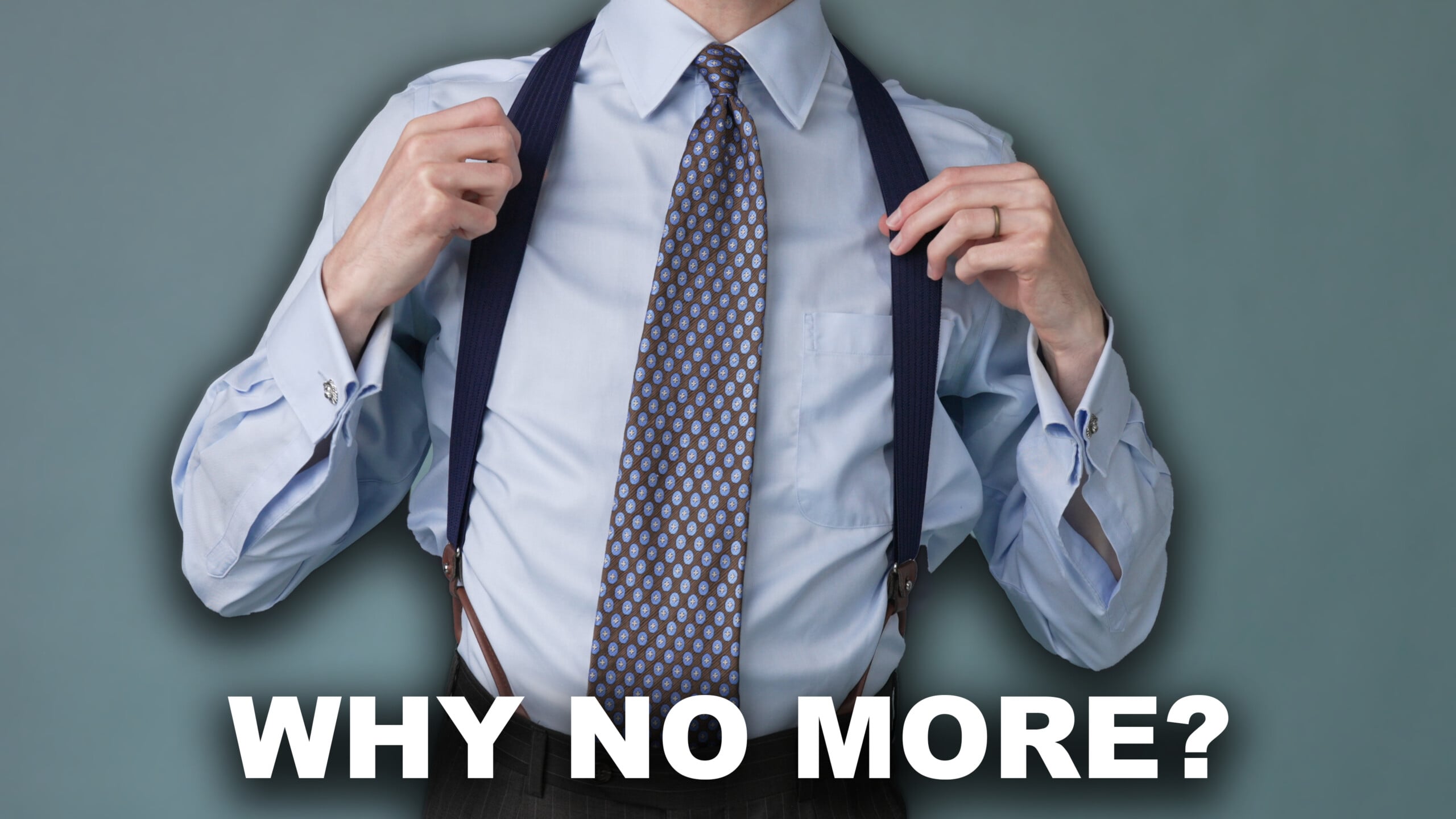
Suspenders used to be the default way to keep a pair of pants at their proper height, so why aren’t they anymore? Well, brace yourself, because we’ve got the answers!
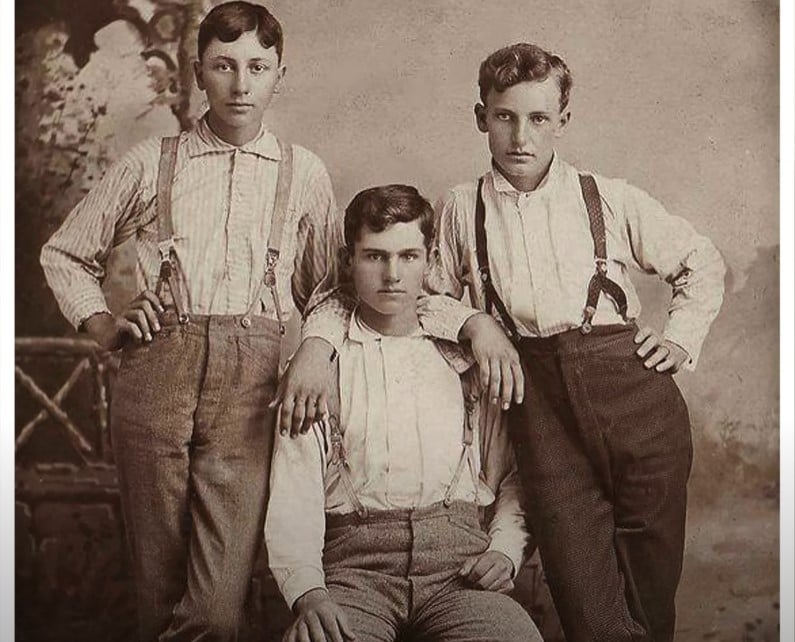
Suspenders (or braces, in British English) were once an essential part of every gentleman’s wardrobe. From the 1820s through the 1940s, they were the standard way to hold up trousers, but by the mid-20th century, they had nearly vanished from everyday wear.
Here are the five main reasons suspenders fell out of fashion:
1. Changing Trouser Styles
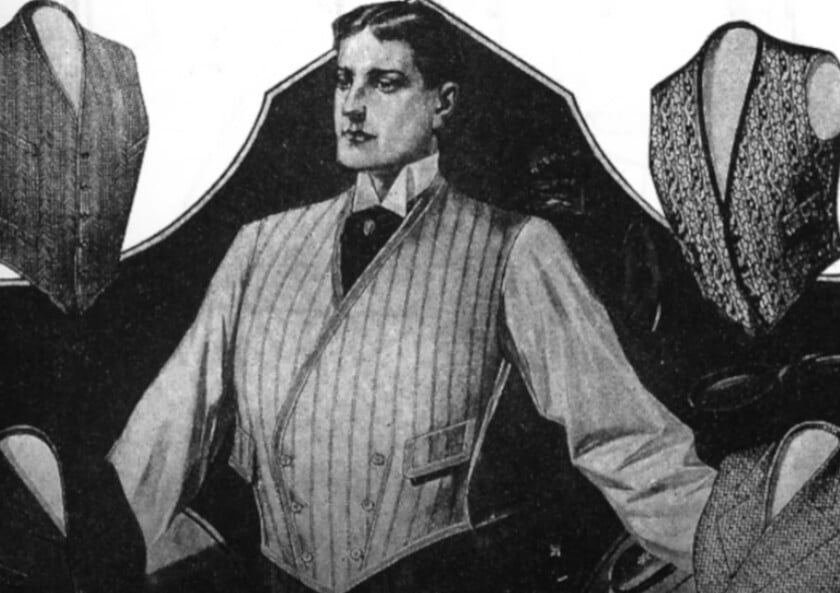
The reign of high-rise trousers, which sat at the natural waist, lasted from the early 19th century until the 1940s. Designed specifically for suspenders, this cut made belts both impractical and incompatible with the era’s ever-present waistcoats.
With wartime fabric rationing during WWII, trousers became slimmer and sat lower on the hips which meant that suspenders no longer suited the new silhouette. Mid-rise and low-rise cuts became the norm. Jeans and workwear styles, popularized by the 1950s “greasers,” made belts the casual standard.
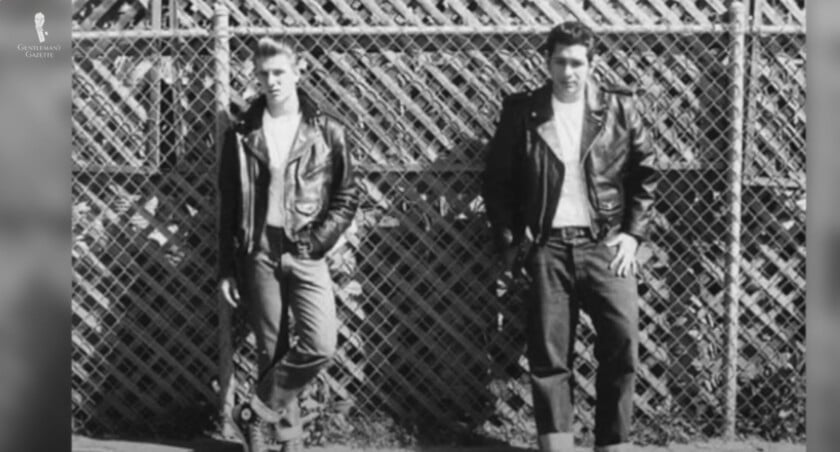
Suspenders fell out of favor alongside the high-rise trousers they were made for.
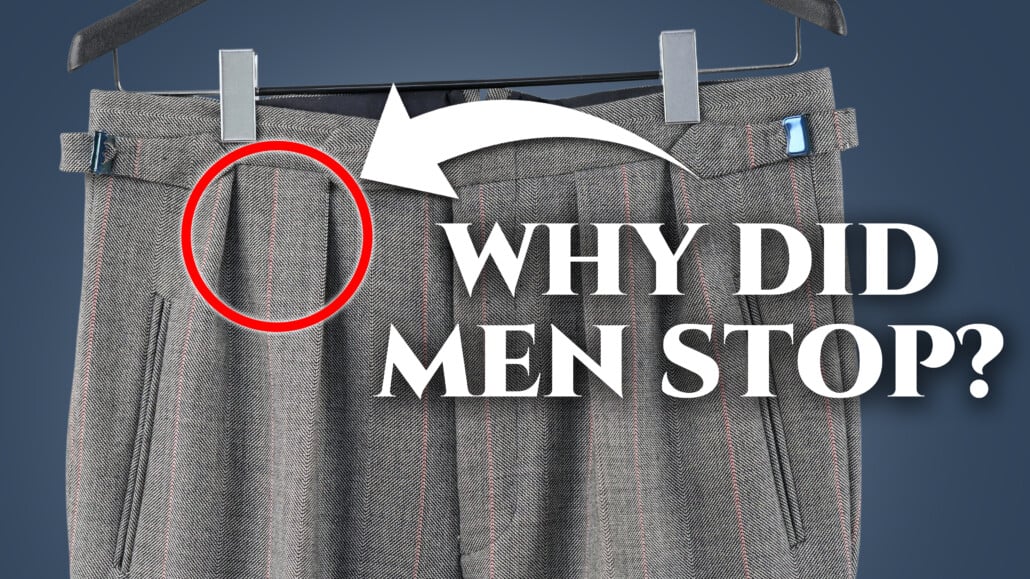
Why did men stop wearing high-rise pants & trousers?
2. The Rise of Casual Dress
Suspenders belong to an era when formality was the rule, not the exception. Until the 1940s, they were even considered underwear, meant to stay hidden beneath layers.
As a 2010 Time Magazine article notes,
“visible suspenders were considered risqué as recently as 1938, when a town in Long Island, NY tried to ban gentlemen from wearing them without a coat, calling it ‘sartorial indecency.’”
As post-war standards relaxed and the suit’s reign as the default male uniform began to crumble, men started shedding their jackets more often. The increasingly casual styles adopted by the general populace were largely incompatible with the inherent formality of braces, and the accessory began to look out of place.

3. Resurgence of the Belt
While suspenders ruled the 19th and early 20th centuries, the belt is by far the older accessory. Its resurgence was a critical factor in the decline of braces, a topic we explore more deeply in our guide on why men started wearing belts.
During both World Wars, belts were a prominent feature of military field uniforms. While many European armies still used suspenders to hold up trousers, American troops increasingly favored belts for this purpose.
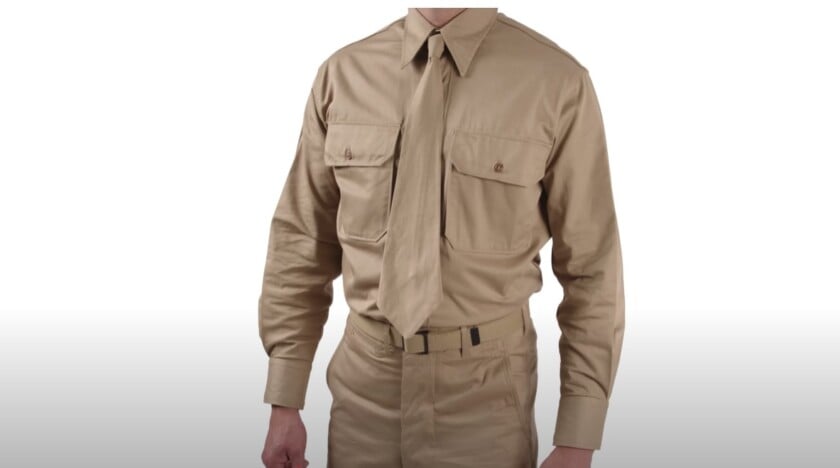
By the end of the 1940s, the belt had reclaimed its position as the number-one trouser accessory, bolstered by its association with military ruggedness and practicality.
Did you know many classic pieces began as military wear?
4. Lack of Suspender Buttons (Manufacturer’s Choices)
As casual, belt-oriented trousers gained popularity, manufacturers made a pivotal choice: they stopped including suspender buttons on ready-to-wear pants. Recognizing the belt’s association with manual labor, Levi’s added belt loops to their jeans in 1922 and had removed suspender buttons entirely by 1937.
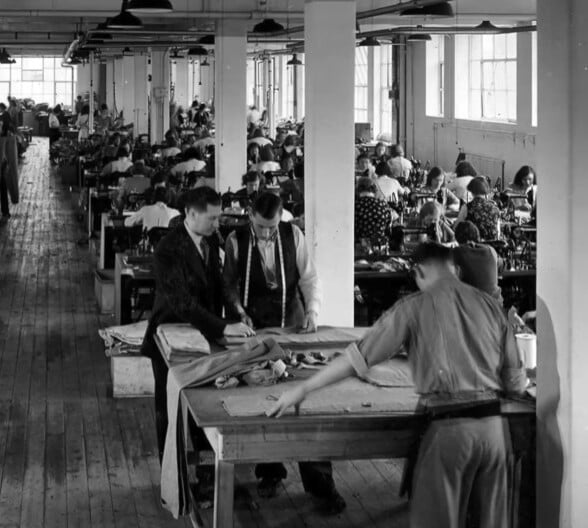
No Belt, No Braces, No Problem
In 1934, the DAKS brand introduced “self-supporting trousers” with side-adjusters, offering another elegant, belt-free alternative that did not require braces.
Image credit: DAKS
This created a self-perpetuating cycle: as fewer trousers were made with suspender buttons, more men opted for belts. Seeing this trend, manufacturers produced even more trousers with only belt loops, further cementing the belt’s dominance and making suspenders an inconvenience that required a trip to the tailor.
5. Cultural Stereotypes and Style Perceptions
By the mid-20th century, suspenders carried cultural baggage. Positive archetypes of the era, like soldiers, cowboys, and rebellious young men, wore belts.
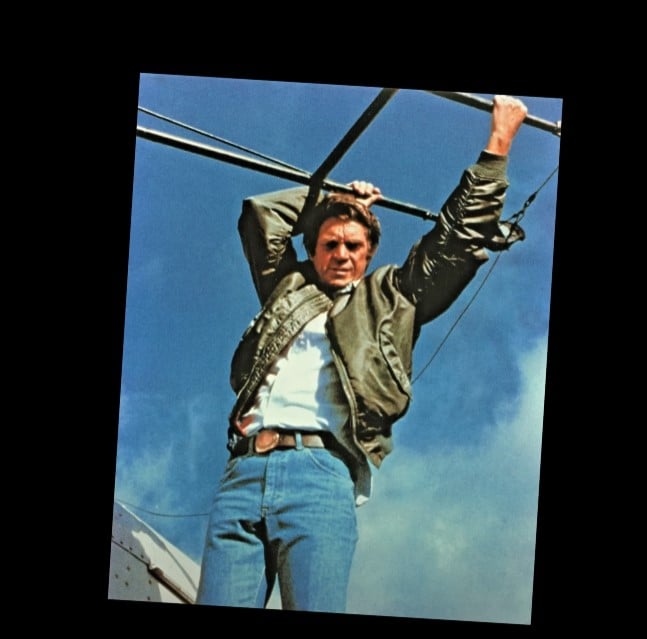
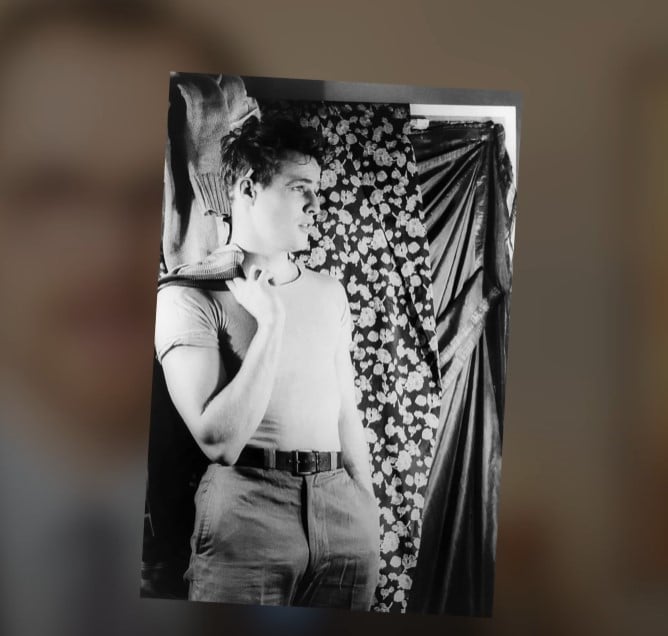
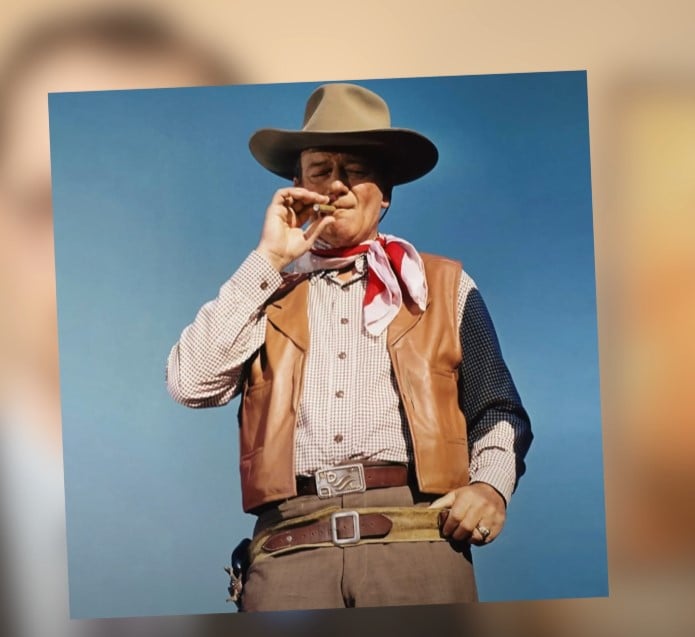
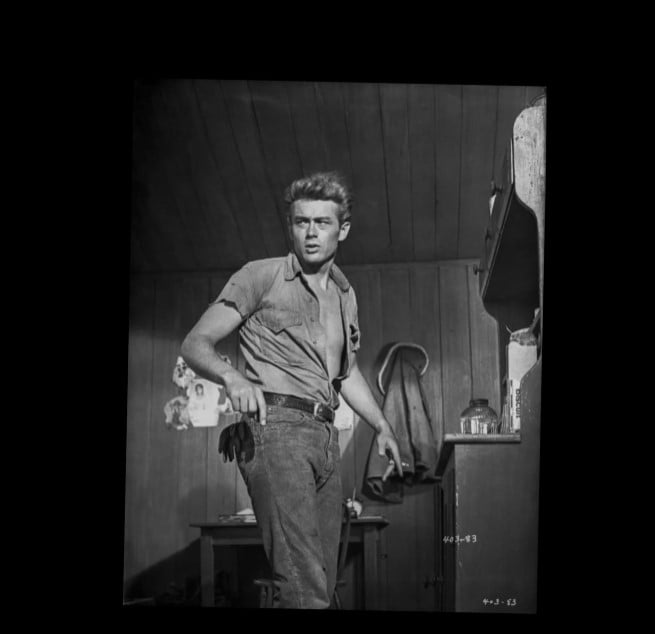
Suspenders, meanwhile, became associated with:
- Comedy and caricature, such as vaudeville gags with snapping braces
- Outdated formality and “old man” style
- Heavier body types, since suspenders fit them more comfortably
- Pop-culture figures like Gordon Gekko in Wall Street, or nerdy characters such as Steve Urkel
- Certain subcultures, including skinheads, where thin clip-on suspenders developed negative political connotations
Belts came to represent youth, strength, and modernity, while suspenders were seen as relics of the past.
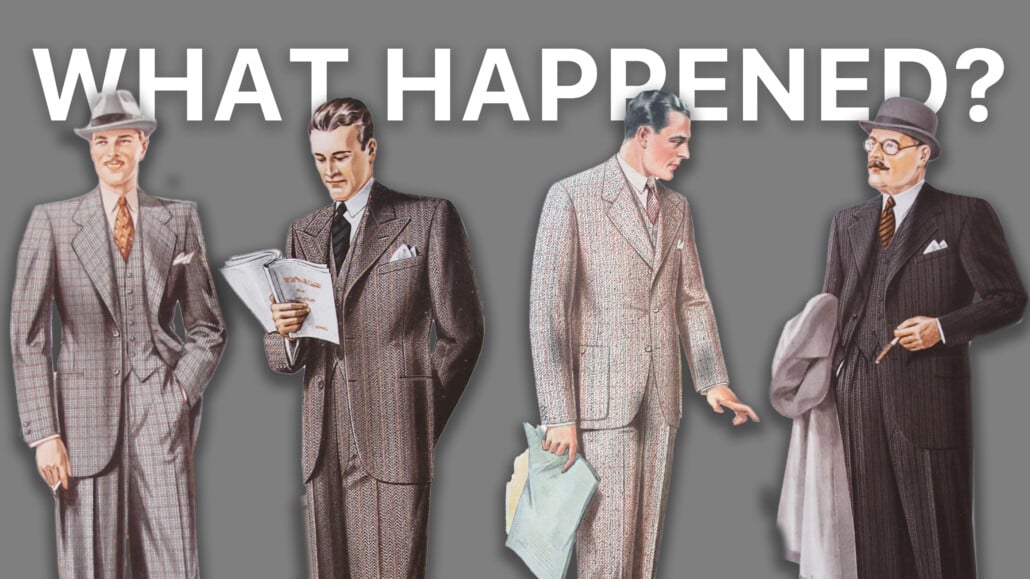
Do you remember these infamous style blunders?
Conclusion
While it is unlikely that suspenders will ever reclaim their throne from the belt, they remain a quintessential and powerful tool in a classic menswear arsenal. For the discerning gentleman who values comfort, tradition, and an elegant silhouette, they are not just an accessory of the past, but a stylish choice for the present.
Do you wear braces, and would you like to see them return en masse? Let us know in the comments!
Frequently Asked Questions
What were suspenders originally used for?
Suspenders, known as “braces” in Britain, were first worn in 18th-century France as strips of ribbon attached to trousers, primarily serving as an undergarment to hold up high-waisted pants. They became a staple accessory for men throughout the 19th and early 20th centuries, especially when trousers were cut too high for belts to be practical.
When and why did suspenders fall out of mainstream fashion?
Suspenders began to decline in popularity in the early 20th century. The main reason was the shift in trouser design: pants started to be made with lower waistlines and belt loops, making belts more practical and suspenders less necessary. By the 1920s, belts became the standard, especially as military uniforms and post-war civilian fashion favored lower-waisted trousers.
Did world events influence the decline of suspenders?
Yes. Both World War I and World War II accelerated the shift toward belts. Military uniforms prioritized practicality and featured belts, which influenced civilian fashion after the wars. The utilitarian approach of wartime clothing, combined with the need for simplicity and efficiency, made belts the preferred option for both soldiers and civilians.
Were there economic reasons for the shift away from suspenders?
Absolutely. As mass production became the norm following the Industrial Revolution and post-war periods, belts emerged as a more cost-effective and accessible alternative to suspenders. Belts were easier and cheaper to produce, making them widely available to the general public, while suspenders remained more associated with formal or custom attire.
How did changing social attitudes affect suspenders’ popularity?
Social perceptions shifted as dress codes became more casual, especially in the workplace. Suspenders, once seen as sophisticated and formal, started to be viewed as old-fashioned. The rise of business casual and relaxed dress standards further reduced the demand for suspenders in favor of belts, which were seen as more modern and versatile.
Did popular culture play a role?
Yes. Hollywood icons like Marlon Brando and James Dean popularized belts as part of their rebellious, casual style in the post-war era. This influence, combined with changing ideals of masculinity and fashion, contributed to the perception of suspenders as outdated.
Are suspenders still worn today?
Suspenders have not disappeared entirely. They are still worn for specific formal occasions, in certain professions (like firefighting), and as fashion statements or vintage accessories. In recent years, there has been a revival of suspenders as a nostalgic or stylish accessory, often embraced by fashion enthusiasts and influencers.
Can you still buy trousers designed for suspenders?
While most modern trousers come with belt loops and lower waistlines, trousers specifically designed for suspenders—featuring higher waistlines and no belt loops—are still available, though they are often custom-made or found in specialty shops.
Are there any health benefits to wearing suspenders over belts?
Historically, some doctors recommended suspenders for men with larger stomachs, arguing that belts could contribute to poor posture or discomfort. Suspenders distribute weight more evenly and avoid constriction around the waist.
Why did men start wearing suspenders?
Hello everyone. I’m from Spain, and at least in my city, Seville, many people (including young people) wear suspenders. Especially among the segment of the population we consider posh. It’s inconceivable to me not to wear suspenders when I wear a suit. All of my suits have buttons added inside so I can wear suspenders with armbands. It’s a super convenient way to avoid worrying about the fit of my pants and the entire structure of my suit.
I always wore braces when I worked in an office, it added a bit of class. When I retired, I didn’t go out to many functions that required wearing a jacket or suit. I do, however, wear them when I don a suit to the few functions I attend now. They also eliminate the downward “creep” of pants.
Greetings,
Suspenders, or “braces” are much more comfortable than belts.
After I learned the attributes of wearing suspenders, every new suit and pair of dress trousers were retrofitted with buttons on the inside of waistbands so that I could wear stylish braces from Trafalgar.
Favorable comments always attended my efforts to wear braces.
Best regards,
Andrew Gregg,
Palm Springs.
I suspect that there are body shapes for which suspenders do a better job of keeping trousers in place than belts do. Perhaps someone whose largest lower body circumference is at the waist. Or perhaps a belt tight enough to hold up trousers is too uncomfortable. Or a fluctuating waist line.
I tend to agree there. With a larger man, belts not only draw attention to the mid-section but they cut the person in half so to speak. That’s to say, visually the eye doesn’t travel straight up and down the torso the way that suspenders or braces do. The other thing with belts: unless one owns a micro-adjustable belt like the ones made by Ansons, belt notches and the belts themselves experience more wear and tear than suspenders from constantly being pulled and adjusted.
Yes own four pair and wear them at my discretion. Love them
I wear braces with the pleated trousers of my tailored suits that are worn on the natural waist and specifically tailored for braces. The benefits of braces include that the trousers hang better, maintain their crease, are more comfortable because they do not restrict the waist and allow for more room, and provide a longer line or silhouette. In addition, I enjoy the traditional 1930’s look.
I enjoy wearing braces when possible…..I have to look really hard for full cut pleated and cuffed trousers, which I believe are the only trousers men should wear
As a 68-year old, paunchy old guy, I love the comfort of high-waisted pants and suspenders with blazers and bow ties. Being blessed (or cursed?) with slender hips and a fairly flat backside, I have to wear belts fairly tight for my slacks to stay in place. Suspenders are great!
Hello,
I still wear all my suits trousers high waisted with braces, yet, as I also always wear them with a waistcoat, none would be the wisest.
All my tailored odd trousers come with braces buttons, on top of side adjustor, but I often prefer using the side adjustors over braces, because I often dislike the braces peaking behind my coat….
I also happen to not find this combinaison (high waist, side adjustor) marginally less comfortable than braces, and certainly way more than lower rise trousers, certainly thanks to a toned and flat stomach, thanks to my youth… Even fitted close, there is nothing to pinch and the trouser find itself held securely between the two rows of my abs…
Braces are useful just after lunch though….
I don’t feel like any of these style changes were upgrades. However, if things change so easily over the years, it does make question what these items stood for and the purpose behind their creation.
I think it was Oscar Wilde who said, “trousers should be supported by the shoulders and not the waist.” I started wearing suspenders years ago when I spoke publicly approximately 100 times per year. Great for diaphragm control. When I started wearing bespoke suits, I had the waist higher along with buttons. (Say no to clipped suspenders.) I feel comfortable even today with the higher waisted trousers and good quality suspenders.
I should mention that I seldom wear them without a waistcoat or a jacket. Great style and I wish more would wear them. I hate seeing men tugging up on their belts.
I would like to mention that belts aren’t actually the older solution for keeping trousers up.
Braces and their spiritual predecessors are.
You see, medieval Europeans did not keep their hoses up with belts, but by suspending them from their doublet. A belt was used to cinch the jacket, for a place to hang tools and weapons for and to denote rank and prestige.
As for other peoples, their solution to suspending their trousers varied greatly, some had similar style as the Europeans, while others used drawstrings.
Mechanically speaking if we judge them whether these predecessors function similarly more to a belt (cinched to the waist) or the braces (supported from above and distributes weight).
Regardless of that, our modern clothing style comes from Europe whether we like it or not, and here the braces are the more traditional, older solution.