Just as men’s style has evolved over the decades (and centuries), so too has gentlemen’s everyday carry. Today we’re turning the clock back six decades to explore a typical gent’s EDC of the 1960s!
- 1. The Wristwatch
- 2. Cigarettes & Lighter
- 3. The Pocket Comb
- 4. The Leather Wallet
- 5. Handkerchief or Tissues
- 6. The Business Card Case
- 7. Keys and Holders
- 8. The Multi-Tool
- 9. Sunglasses
- 10. The Pen
- 11. The Umbrella
- 12. The Portable Camera (A Bonus Item)
- Conclusion
- A 1960s-Inspired Outfit
- Frequently Asked Questions
- What to Watch Next

1. The Wristwatch
By the 1960s, the pocket watch was a relic. The wristwatch reigned supreme, its design mirroring the slim, svelte aesthetic of the era’s tailoring.
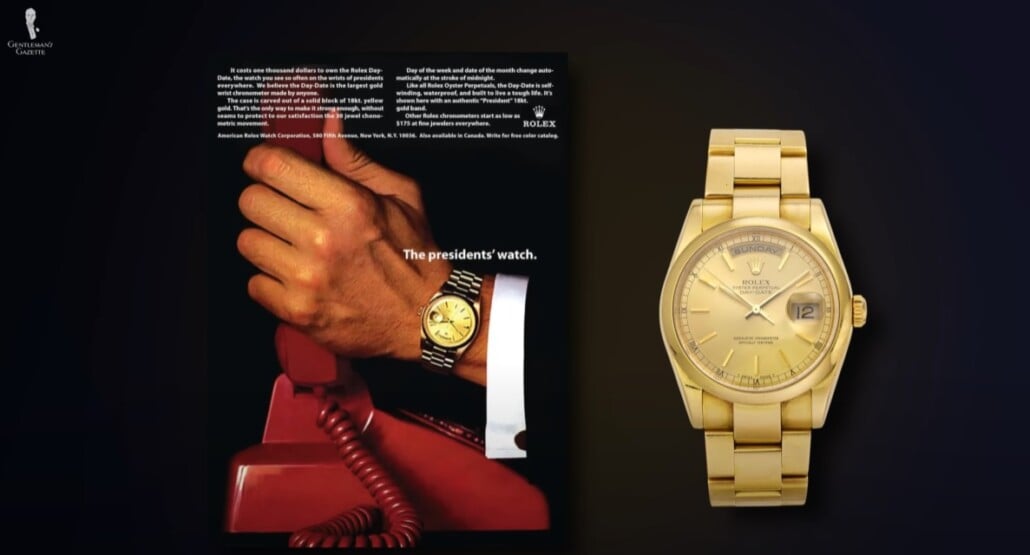
Unlike the oversized timepieces popular today, 1960s watches were sleek and understated. However, this was also the decade when the utilitarian dive watch became a status symbol.
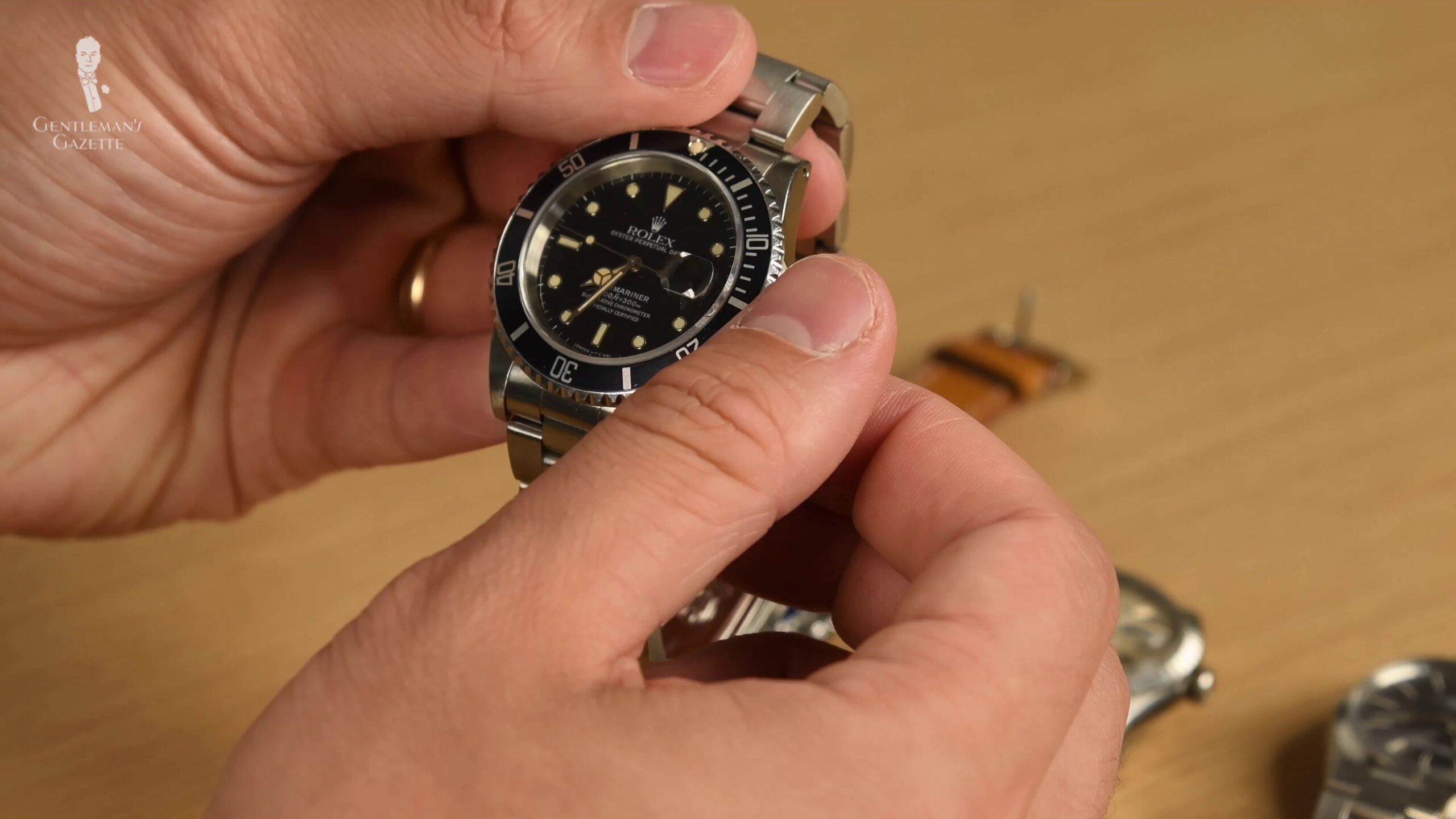
Iconic Models
The Rolex Submariner and Omega Speedmaster entered the popular consciousness at this time. The Submariner’s appearance in the 1964 James Bond film Goldfinger was a pioneering moment in product placement.
This trend saw rugged metal bands begin to replace the more traditional leather straps of earlier dress watches, a preference that largely holds true today.
Rolex Watches: Are They Worth It?
2. Cigarettes & Lighter
Tobacco use was ubiquitous, but the rituals surrounding it had evolved. The ornate cigarette case and book of matches were giving way to modern convenience.
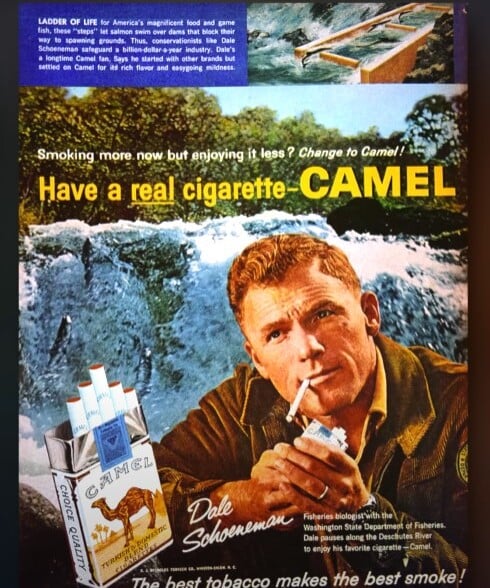
New Generation of Smoker
Men were more likely to carry mass-produced, branded packs from companies like Camel, Lucky Strike, and Chesterfield rather than storing specialty cigarettes in a case. Filtered options from Winston and Marlboro were also gaining significant traction.
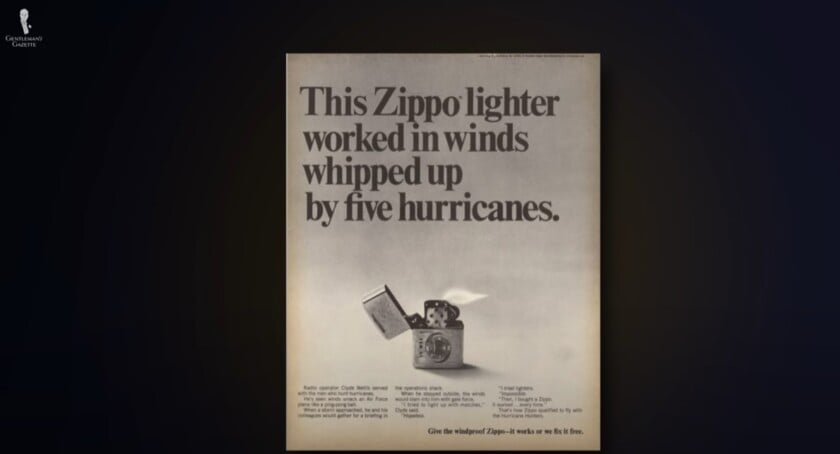
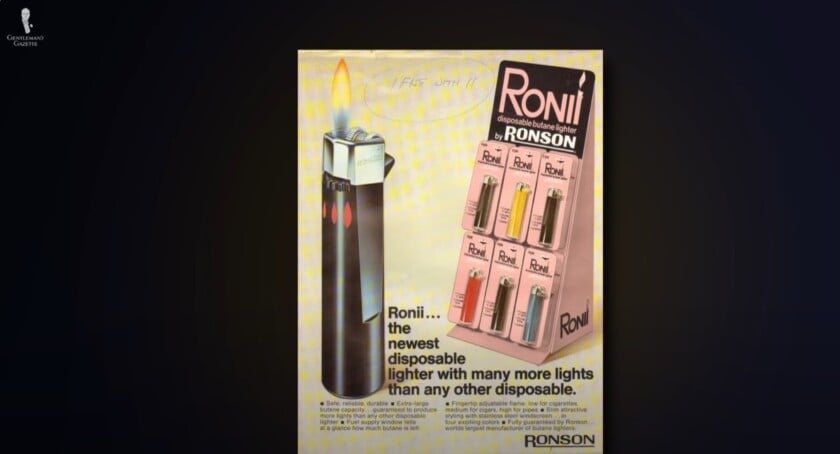
While matches were still used, portable lighters like the iconic Zippo became the preferred tool for lighting up. Inexpensive disposable lighters also began to appear very late in the decade.
3. The Pocket Comb
As we have discussed regarding why men stopped wearing hats, the precipitous decline in headwear and a shift toward more naturalistic hairstyles necessitated new grooming tools.
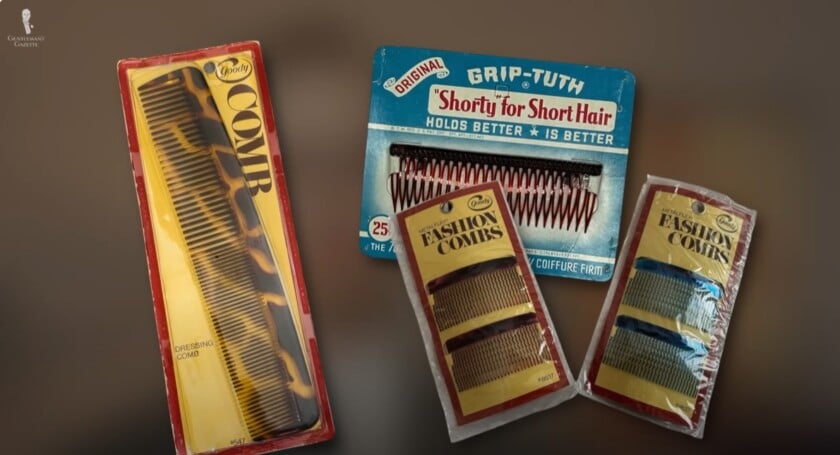
With less pomade in use, a simple comb was all that was needed for touch-ups throughout the day. Plastic or metal combs from brands like Goody or Metalflex replaced traditional horn.
Toward the end of the decade, the rise of the Afro hairstyle saw many black gentlemen prominently carry a hair pick as an expression of cultural pride.
What does a gentleman carry every day?
4. The Leather Wallet
While the leather bifold was already a staple, its interior evolved dramatically to accommodate the new age of plastic. The 1950s introduced the Diners’ Club card, followed by American Express and the BankAmericard (the precursor to Visa) in 1958.
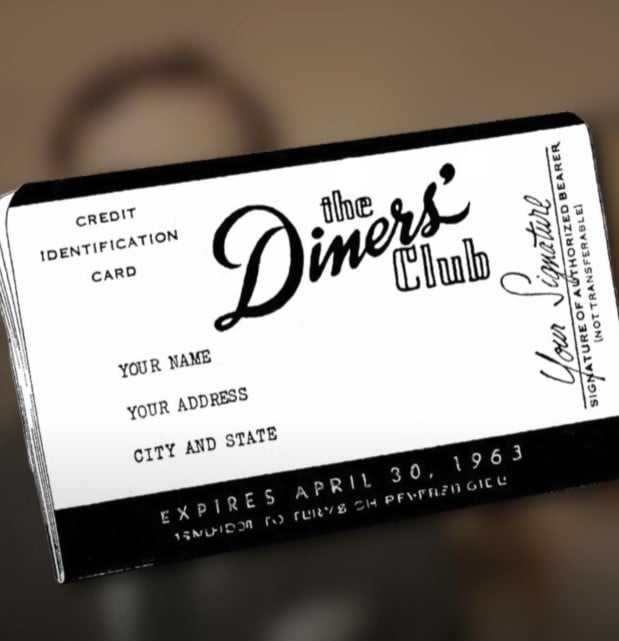
The Diners’ Club card, the first of its kind, revolutionized dining and travel for the modern gentleman, marking the beginning of the shift away from a purely cash-based society.
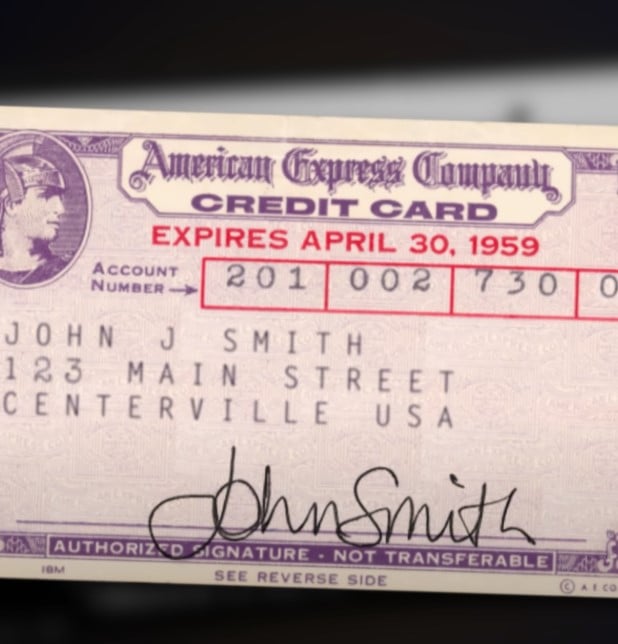
Following the Diners’ Club, the American Express card quickly became a symbol of prestige and global travel.
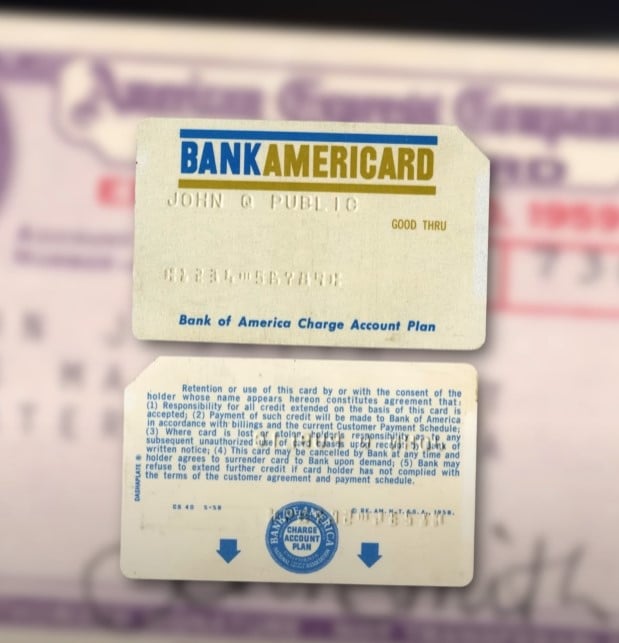
The BankAmericard, forerunner of Visa, brought credit to everyday purchases, fundamentally changing how a gentleman managed his finances.
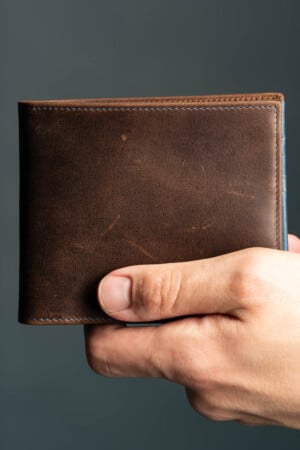
To hold these new credit cards, alongside membership cards and various forms of identification, wallets were designed with an increasing number of slots—often 8, 10, or even more.
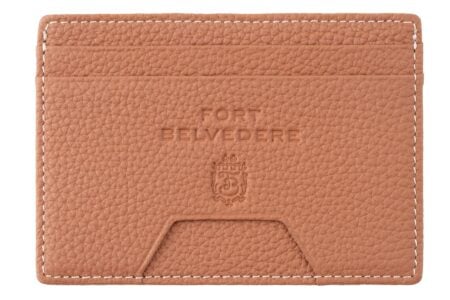
Our Fort Belvedere wallet line currently features bifold wallets with eight or ten slots and slim wallets with four slots. But would you prefer we release a wallet with even more? Let us know in the comments!


5. Handkerchief or Tissues
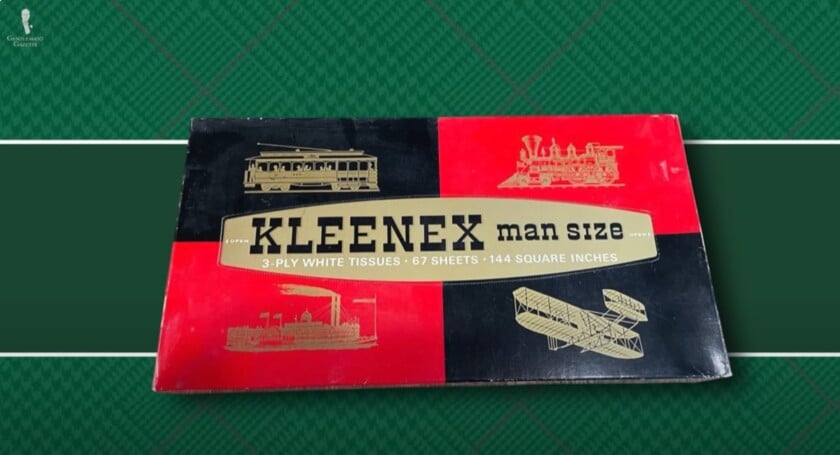
The classic reusable cotton or linen handkerchief faced a new, disposable rival. Driven by a push for convenience and a growing squeamishness about germs, single-use tissues gained prominence.
Kleenex, originally marketed as a makeup remover in the 1920s, had become the new standard for blowing one’s nose or mopping a brow.
6. The Business Card Case
As more cost-efficient printing methods emerged, the business card was democratized. It was no longer the exclusive domain of white-collar professionals, which necessitated a proper way to carry them.
- Protection & Presentation: While a wallet could hold a few cards, a dedicated case kept a larger quantity pristine.
- A Statement Piece: These cases, crafted from leather or metal, became another avenue for a gentleman to express his personal style.
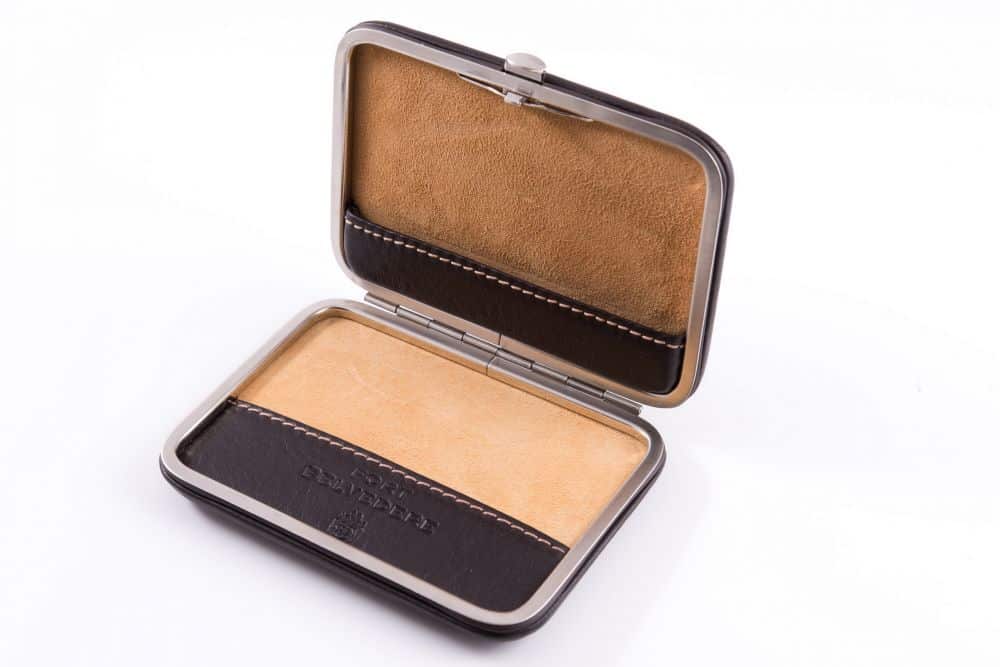
Fort Belvedere proudly continues this tradition with our line of leather card cases.
RECOMMENDED
Dark Brown Bison Leather Business Card Case
With a gorgeous, handcrafted business card case from Fort Belvedere, you can make the greatest impression.
7. Keys and Holders
The modern man had more to lock and unlock than ever before: keys for his car (or cars), his home, his office, and various padlocks. This created a need for better organization. While key portfolios were a common, if sometimes bulky, option, the simple key ring grew in popularity.
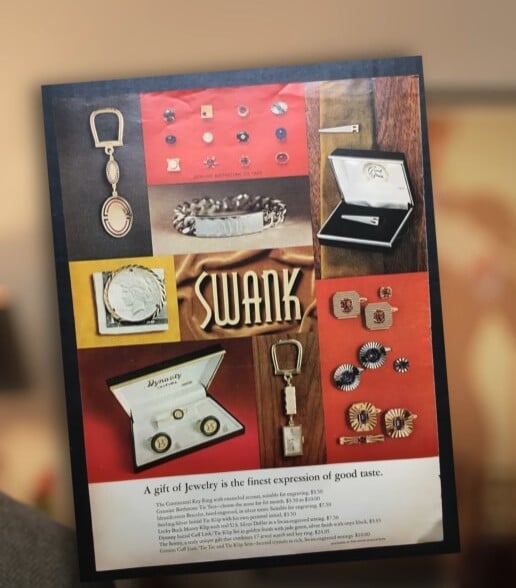
Coinciding with the decade’s bolder jewelry trends, novelty key rings from manufacturers like Swank became a popular and expressive accessory.
8. The Multi-Tool
The simple pocket knife, a gentleman’s companion for centuries, evolved into something far more versatile. Veterans returning from World War II brought with them an appreciation for the utility of the Swiss Army Knife. This style of multi-tool, featuring a blade alongside other implements, became the go-to for handling any small task that might arise in daily life.
Can technology make your wardrobe smarter?
9. Sunglasses
As hats disappeared, men needed a new way to shield their eyes from the sun. Sunglasses, once a relatively niche item, became a chic and practical staple, their popularity bolstered by Hollywood icons and public figures.
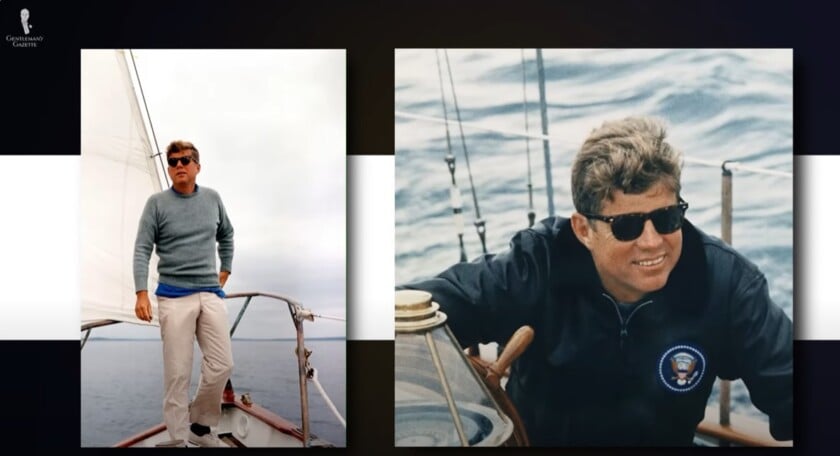
President John F. Kennedy was frequently photographed wearing American Optical sunglasses, lending the accessory an air of respectable coolness. You can find faithful reproductions at the JFK Library Store.
Classic shapes that defined the era, such as the Aviator, Wayfarer, and Clubmaster, remain immensely popular today.
Which movie stars defined classic menswear?
10. The Pen
The writing instrument in a man’s pocket reflected the era’s shifting values. Practicality and progress began to take priority over tradition and pomp. The fountain pen was largely supplanted by the more convenient and disposable ballpoint pen, a relatively recent writing innovation.
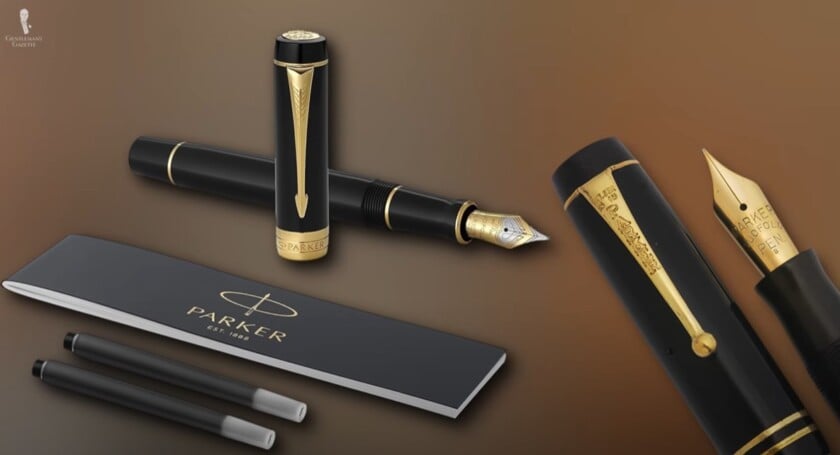
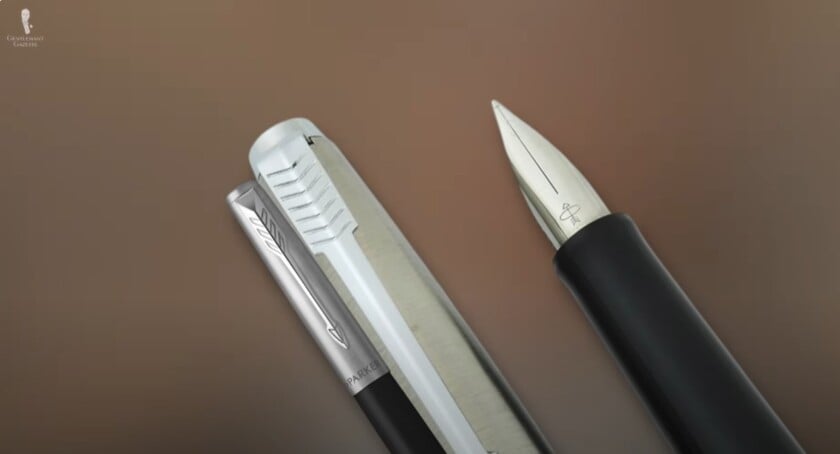
Even among fountain pens, designs shifted. The bold Parker Duofold, with its calligraphy-focused nib, was overshadowed by the trendier Parker Jotter, designed for speed and efficiency over flair.
11. The Umbrella
An umbrella was historically an investment piece, a sturdy accessory that could almost double as a walking stick. In the 1960s, however, it became a far more accessible consumer item.
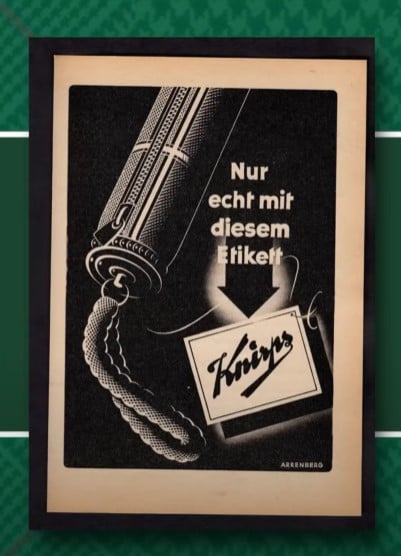
A Revolution in Portability
The Rise of the Telescopic Umbrella
Mass manufacturing of synthetic fibers and improved water-resistant coatings made umbrellas much cheaper to produce. This decade was a boom time for compact, telescopic umbrellas.
Brands like the German company Knirps became famous for producing portable models that could be easily stored in a bag or a car.
12. The Portable Camera (A Bonus Item)
While not carried by a majority of men every day, amateur photography exploded as a hobby in the 1960s, making a portable camera a common sight. Kodak dominated the casual market with its wildly successful Instamatic series (1963), while Polaroid’s instant cameras made same-day prints a household phenomenon.
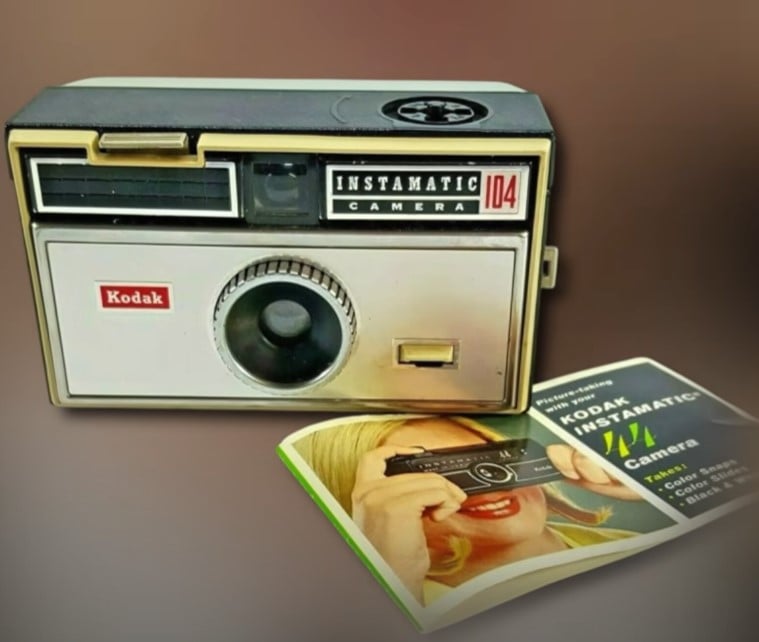
For enthusiasts and professionals, compact and innovative 35mm cameras from brands like Nikon (with its legendary F model), Canon, Pentax, and Minolta set the standard for generations of image-making to come.
Do your outfit photos do your style justice?
Conclusion
As with our 1920s EDC video, some typical EDC items for a gentleman of the ‘60s share commonalities with those of today, while others are quite a bit different!
Are there items you think belong on this list that we neglected to include, or some that you don’t think were as widespread as we suggested?
We’d say it’s a safe bet that more of our viewers lived through the ‘60s than the ‘20s, so we’d like to hear from you in particular in the comments!
A 1960s-Inspired Outfit
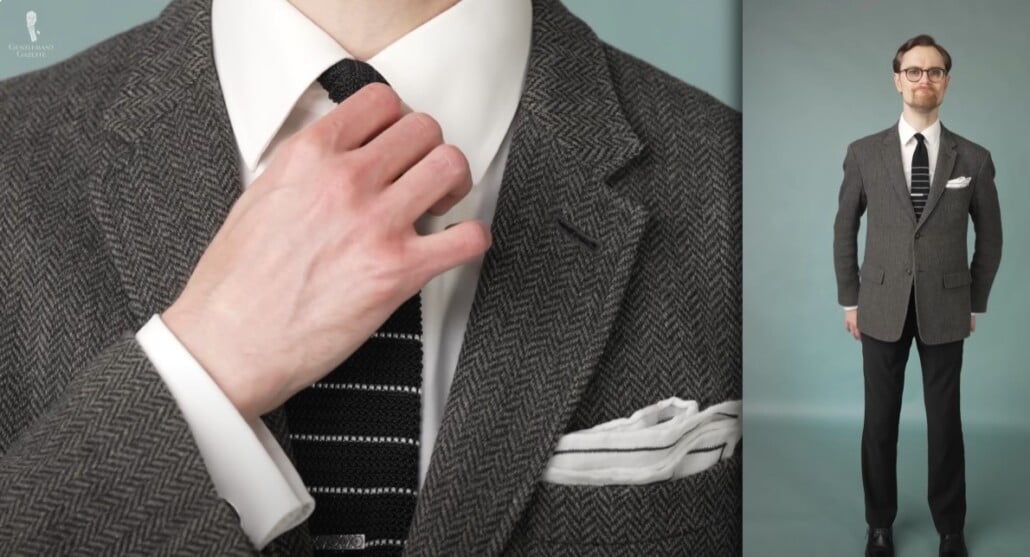
For today, I’m wearing an outfit largely inspired by early 1960s Ivy style and in grayscale tones—that is, white, gray, and black.
The central element is my tweed sport coat in a herringbone pattern, which is overall in a gray shade, but if you look closer, actually features tones of gray, black, brown, and even green. I’m wearing it over a plain white French-cuffed shirt from Charles Tyrwhitt. And into the cuffs, I have inserted a vintage pair of silver-toned cufflinks from Swank. These are part of a set from the late 1950s or early ’60s, and they harmonize with the small tie bar that I’m also wearing.
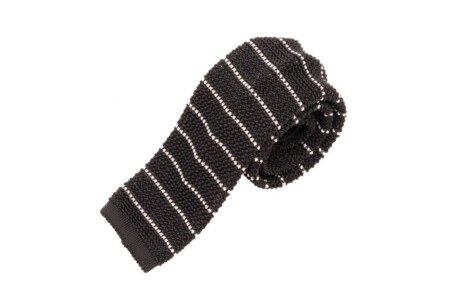
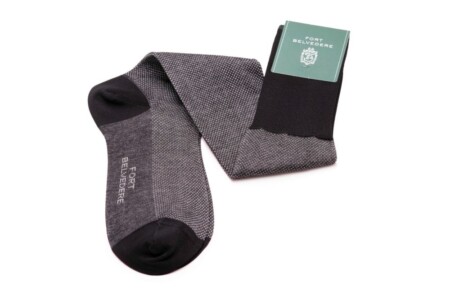
Speaking of, that tie bar is holding in place a tie from our own brand, Fort Belvedere. This is a knit silk tie, predominantly in black with thin white horizontal stripes. Also from Fort Belvedere are my two-tone solid socks in black and white and my white linen pocket square that features a contrasting edge. My trousers are in plain black, as is my black leather belt with a silver-tone buckle. And my shoes are black Derbies with a cap-toe.
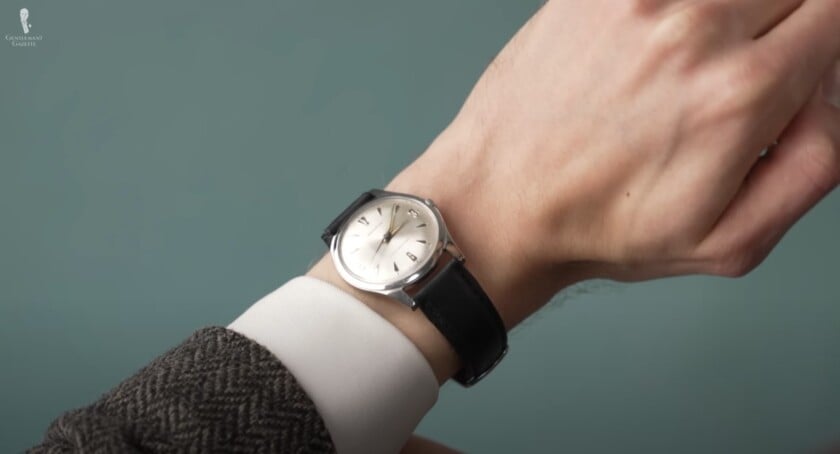
I’m also wearing a wristwatch today, as it was one of the items on our list. This is a vintage model from the American brand, specifically the model 3081. This one, I believe, dates to the late 1950s or early 1960s, so it was period-appropriate. And the colors of the leather band and the face itself also match the color palette of the outfit I’m wearing.
Also, in line with 1960s hair care trends, I’ve left all product out of my hair for a more natural look. And of course, I’ve been sporting a beard for a while now.
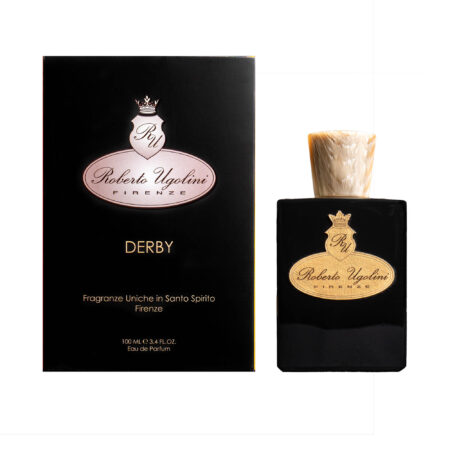
Rounding things out is the fragrance I’m wearing from the Roberto Ugolini collection. This one is Derby. It seemed an appropriate choice because I’m wearing Derby shoes, and also because the black bottle happens to harmonize with my outfit.
So, for the socks, tie, pocket square, and fragrance that I’m wearing, as well as a wide array of other classic men’s accessories, corduroy trousers, and other Ugolini fragrances, you can take a look at the Fort Belvedere shop here.
Discover the EDC of 125 years ago
Frequently Asked Questions
What does “EDC” mean in the context of the 1960s?
EDC stands for “everyday carry,” referring to the personal items a gentleman would have on his person for daily use. While the term was not commonly used in the 1960s, men of the era carried a range of practical and stylish items reflecting the pace of postwar life, technological advances, and changing social norms.
How did men carry their everyday items?
Most items were carried in the pockets of tailored jackets, trousers, or overcoats. Slim briefcases and attaché cases were popular among professionals for documents and essentials.
How did EDC reflect social status or occupation?
The brand, design, and technological sophistication of EDC items often signified status or career. Executive-class men carried quality fountain pens, engraved lighters (such as Zippo), sleek wristwatches (including automatic or diver styles), and business card holders, while working men tended toward durable utility knives, simple wallets, and practical wristwatches.
Did EDC differ between formal and casual occasions?
Yes. For formal settings, men favored classic dress watches, slim wallets, lighter accessories, and sometimes discrete items like cufflinks. In casual or recreational situations, practical items, such as sunglasses, compact cameras, and sports watches, became more popular, reflecting the 1960s focus on leisure and new technology.
How did 1960s EDC influence modern men’s accessories?
The 1960s popularized the wristwatch as an everyday staple and saw the rise of compact, innovative items like ballpoint pens, disposable lighters, and sunglasses, many of which remain hallmarks of modern men’s EDC. The era’s emphasis on sleek design and technological progress continues to shape today’s stylish and functional carry items.
What to Watch Next
Try These Stylish Shades!
4 Essential Sunglasses for Men

Best Pocket Knives
How to Buy a Pocket Knife for EDC
Gentlemen Must-Haves
18 Items Every Man Should Own
I enjoyed your review of EDC items of the 1960s. Many of those items are still carried by me each day.
One EDC item I remember from the 60s that was not mentioned was a small coin purse. My dad, grandfather, and uncles all carried one for their loose change.
…and a money clip for bills.
Robert Luhrs, Redmond, WA, 79.
In the 60’s towards the end especially, men began smoking pipes, switching away from cigarettes. Many malls had tobacconists, and Father’s Day often included a pipe, tobaccos of all kinds, and associated tools. I opened a small shop in NYC that specialized in repairing pipes, making new mouthpieces for them plus a small line of creative artsy pipes. When Tom Hoving took over the Metropolitan Museum of art he purchased on credit a million dollar Grecian urn which caused a big stink since the museum was pretty broke. But he began charging admission by donation, and the controversial urn drew in so many people it was paid for in about 6 weeks. I copied the urn in a special pipe I made for him, and he ordered a second one for his curator of Greek and Roman art. He smoked a pipe, switching from cigarettes, but, alas, he died from lung cancer. He was an ex-Marine with a Princeton PhD in art history, used an old Zippo lighter. Great guy.
Most of the combs in the men’s pocket comb photo are women’s combs used for holding hair in place, not for combing hair.