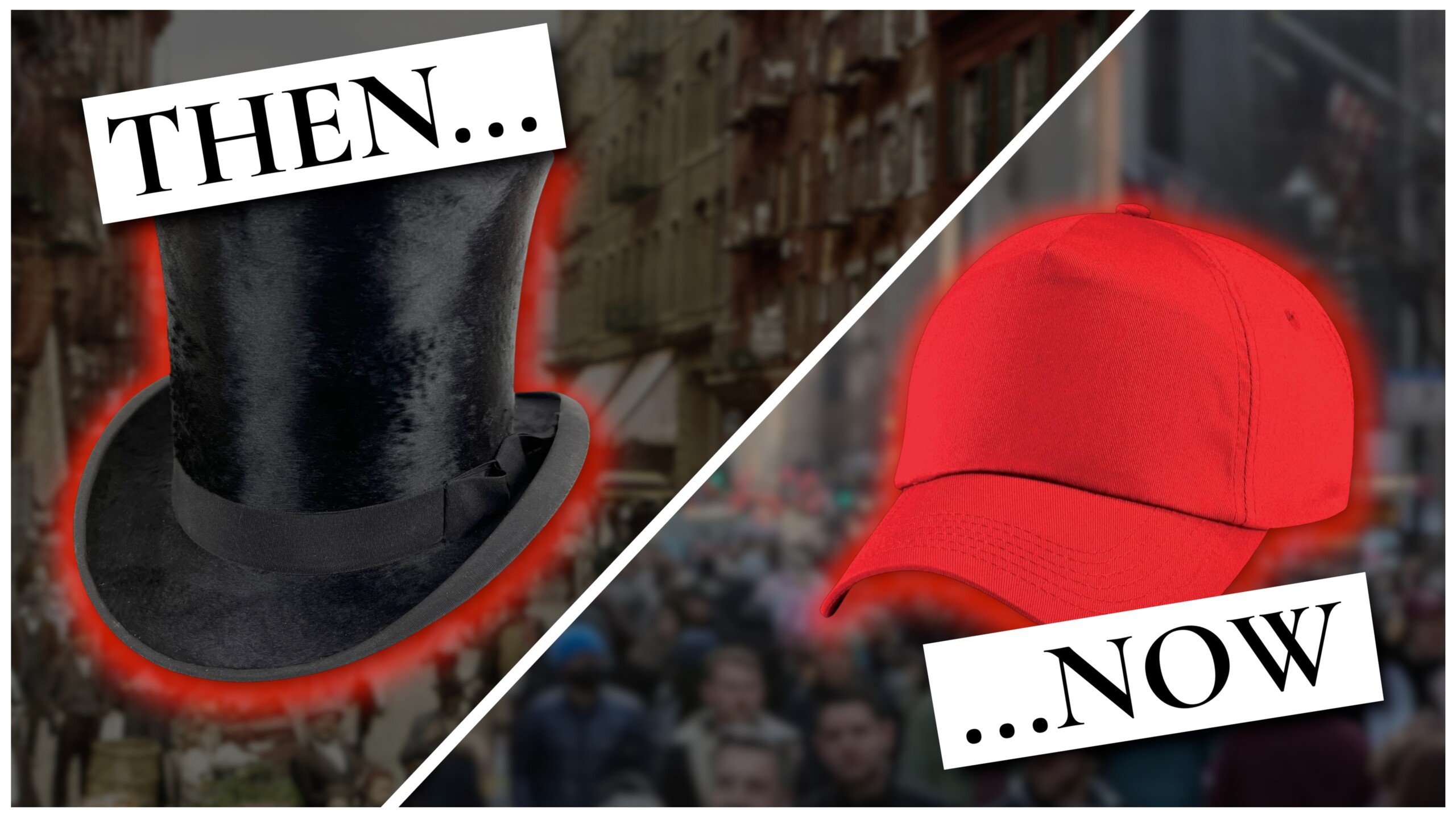
In celebration of National Hat Day, we are taking a retrospective look at the most transformative century in the history of the hat. From the rigid silk plush of the Victorian era to the expressive fedoras of the Jazz Age, the hat has served as the ultimate punctuation mark on a gentleman’s ensemble.
While we cannot possibly fit all 100 years into one article, we have curated the defining “Pillars of Style” from each decade. To see the full collection in motion, we invite you to watch our comprehensive visual history in the video below.

100 Hats For 100 Years
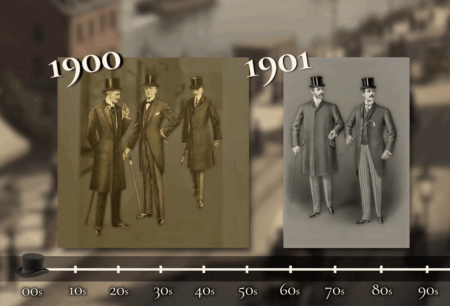
The Formal Foundations (1900s – 1910s)
At the turn of the century, a man simply did not leave the house without headwear. It was a matter of etiquette as much as attire.
-
The Silk Top Hat: The undisputed king of high society, crafted from a now-extinct silk plush.
-
The Homburg & Bowler: These “shorter” styles offered a rigid structure similar to the top hat but utilized more accessible beaver or rabbit felts.
-
The Great Shift: By the 1910s, younger “chaps” began favoring the Lounge Suit, pairing it with softer, more colorful headwear, while traditionalists clung to their frock coats and toppers.
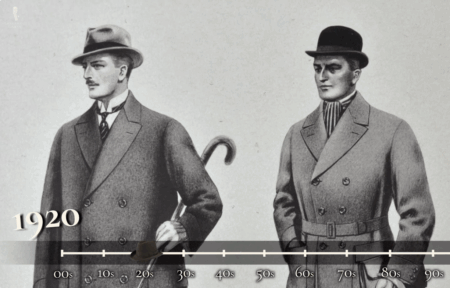
The Golden Age of the Fedora (1920s – 1930s)
As we entered the Jazz Age, the rigid formality of the past softened.
-
Personalization: The 1920s introduced fur felt in a kaleidoscope of colors and textures, allowing a man’s individual taste to shine through.
-
The Pinnacle of Style: Many consider the 1930s the “Golden Era.” Here, the Panama hat signaled a new desire for travel, while wide, colorful hat bands allowed for daring experimentation.
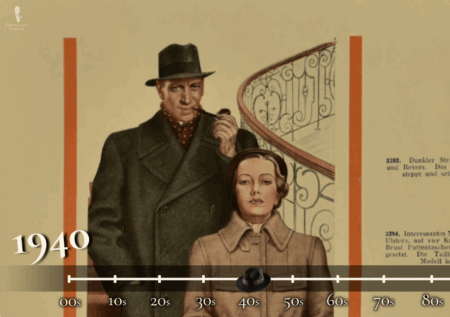
Streamlining and Stagnation (1940s – 1950s)
The mid-century marked a shift toward practicality and, eventually, a “matchy-matchy” aesthetic.
-
The Casualization: In the ’40s, specialty hats like the Western and Rancher styles gained traction thanks to a rising interest in Americana.
-
The Stetson Era: By the 1950s, creativity gave way to tonal combinations. The goal was no longer contrast, but a seamless, streamlined look in somber greys and browns.
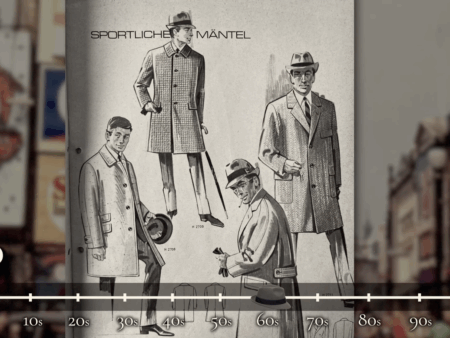
The Decline of the Brim (1960s – 1970s)
As suit lapels and ties became “stingy” and slim, headwear followed suit.
-
The Trilby: The 1960s “Mod” movement demanded tapered silhouettes, leading to the rise of the stingy-brim fedora.
-
The “Anything Goes” Decade: By the 1970s, the hat became a rebellious statement piece—from oversized leather trilbies to denim bucket hats.
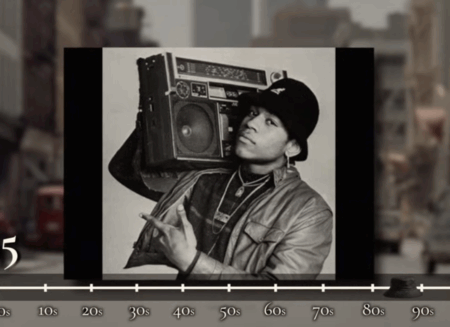
The Pop Culture Explosion (1980s – 1990s)
The end of the millennium saw the hat transition from a functional requirement to a cinematic and cultural icon.
-
Screen Icons: From the adventuring fedora of Indiana Jones to the grunge beanies of the 90s, hats became synonymous with characters rather than daily dress codes.
-
The Final Ascent: By the close of the 90s, the baseball cap had firmly secured its place as the universal go-to, leaving the traditional lid to the most dedicated of sartorialists.
Conclusion
Understanding the evolution of the Homburg or the nuance of a 1930s fur felt helps us appreciate the intentionality of classic style. While the daily social requirement of headwear has faded, the hat remains one of the most powerful tools in a gentleman’s sartorial arsenal for those who wish to stand apart.
Which decade do you think represented the “perfect” era for men’s headwear? Join the conversation in the comments above!
Frequently Asked Questions
Why did men stop wearing hats every day?
The decline of daily hat-wearing is often attributed to the casualization of menswear post-WWII, the rise of closed-car travel (which made tall headwear impractical), and the changing hair fashions of the 1960s. By the 1970s, hats transitioned from a social requirement to a personal style choice.
What is the difference between a Fedora and a Trilby?
The primary difference lies in the brim and the “wear.” A Fedora typically has a wider brim (2 inches or more) and is worn level on the head. A Trilby has a much narrower “stingy” brim that is snapped down in the front and curled up in the back, often worn further back on the head.
Can I wear a vintage hat style with modern clothing?
Absolutely. The key to wearing a vintage style like a Homburg or a Flat Cap today is balance. Pair structured hats with tailored clothing (suits or overcoats) and softer hats (like the Flat Cap) with casual layers like knitwear or denim.
How do I determine my hat size?
To find your size, wrap a flexible measuring tape around your head, approximately one-eighth of an inch above your ears and across the mid-forehead. Compare this measurement in centimeters or inches to a standard hat size chart.
Is it still considered rude to wear a hat indoors?
Traditional etiquette dictates that a gentleman should remove his hat when entering a private residence, a restaurant, or a theater. However, hats may generally remain on in “public” indoor spaces like building lobbies, elevators, and airports.
The Foundations of a Well-Capped Gentleman
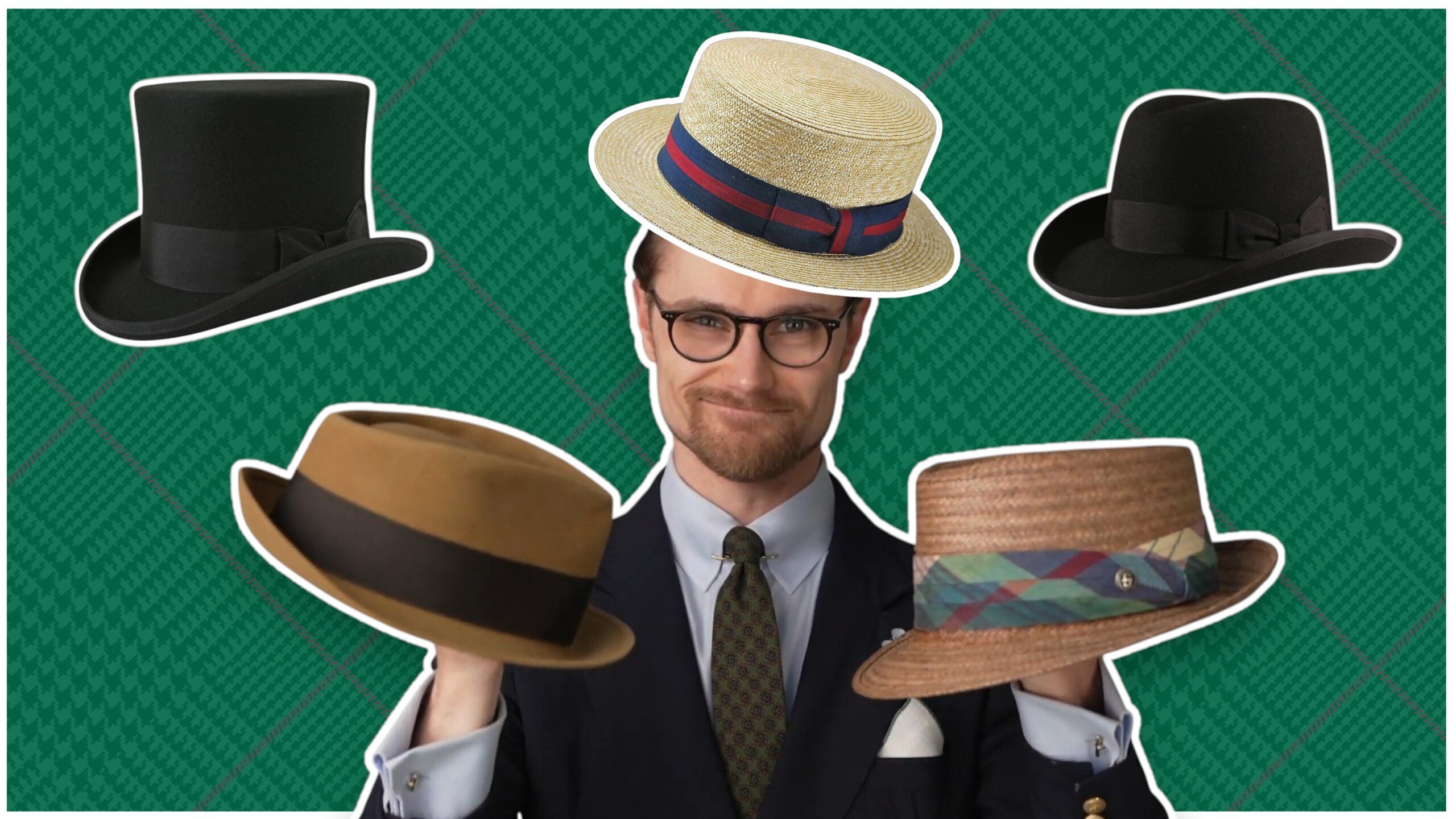
A Lifetime of Hat Styles
Discover the quintessential hat styles every man should know, from the casual flat cap to the formal Homburg.

How to Get the Right Hat For Your Face Shape & Body Type
Learn how to select a hat that complements your specific features and enhances your natural proportions.
Men’s Hat Etiquette Guide
Master the timeless rules of when to wear, when to tip, and when to remove your headwear with confidence.
I skipped through the treatment of the period from the 1960s to the present in this video, since the period is one of unmitigated tackiness and decline as far as male headgear is concerned. What perplexes me is that, while I think almost everyone appreciates the look of a traditional hat (such as a fedora) on a man, almost no men wear them. Apparently, the pressure of social conformity is just too much for most of them. I have been, for about 30 years, one who rarely leaves his home without a hat on his head, but I have to admit that it makes me an eccentric.
Excellent hat history lesson, thank you! I am a hat guy and always have been. Wide brim Fedoras, classic Homburgs and Panamas are my go-to hats for daily wear. I always receive complements on wearing them, even while wading through a sea of ballcaps and bare heads.
Stay dapper everyone!