To a true connoisseur, the fabric is the soul of the garment. In classic menswear we don’t just look at color. We look at the weave, the weight, and the way the light hits the cloth.
What follows is a reference to fifty fabrics worth knowing, grouped by what they’re actually for. For each one: what it is, where it belongs, and just as usefully, where it doesn’t.
All 50 Fabrics at a Glance
| Fabric | What It Is | Best For | Not For |
|---|---|---|---|
| 1. High Twist Wool (Fresco) | Tightly twisted wool, 9–11 oz | Hot, humid climates | Cold weather, formal evening |
| 2. Tropical Wool | Lightweight plain wool, 7–9 oz | Summer business suits | Cold weather |
| 3. Irish Linen | Heavy, crisp linen | Summer suits, weddings, travel | Anyone who hates creasing |
| 4. Seersucker | Puckered cotton or wool | Summer suits and trousers | Traditionally, formal wear |
| 5. Mohair | Angora goat, high luster | Summer evening wear, sharp suits | Soft, relaxed clothing |
| 6. Tussah Silk | Wild silk, slubby texture | Summer sport coats | Formal evening wear |
| 7. Sea Island Cotton | Extra-long staple cotton | Fine dress shirts, knit polos | Rugged or heavy use |
| 8. Fine Piqué | Cotton with raised texture | Polo shirts, smart casual | Formal tailoring, cold weather |
| 9. Melton Wool | Dense, heavily felted wool | Peacoats, heavy overcoats | Anything needing drape |
| 10. Camel Hair | Camel undercoat, golden tan | Polo coats, winter outerwear | Daily heavy wear |
| 11. Cashmere | Kashmir goat undercoat | Knitwear, evening overcoats, waistcoats | Socks, trousers, tight budgets |
| 12. Alpaca | Hollow fiber from Peru | Sweaters, scarves, hats, socks | Suiting, if you run hot |
| 13. Vicuña | Andean camelid, rarest fiber | Investment scarves and light coats | Everyday wear |
| 14. Shetland Wool | Hearty wool, brushed surface | Casual winter knitwear, layering | Sensitive skin |
| 15. Loden | Felted Tyrolean wool, forest green | Hunting coats, capes | Formal business suiting |
| 16. Moleskin | Sheared cotton, suede-like hand | Winter trousers, waistcoats | Hot weather |
| 17. Velvet | Dense silk or cotton pile | Dinner jackets, evening wear | Everyday, warm climates |
| 18. Worsted Flannel | Combed wool, brushed nap | Winter trousers and suits | Summer |
| 19. Carded Flannel | Uncombed wool, fuzzier | Gray flannel suits, overcoats | Trousers, summer |
| 20. Herringbone | Broken twill, V-shaped pattern | Overcoats, heavy sport coats | Trousers, where it reads busy |
| 21. Cheviot Tweed | Cheviot sheep, prickly hand | Overcoats, outdoor pursuits | Anyone wanting soft cloth |
| 22. Donegal Tweed | Irish tweed with colored nepps | Casual autumn sport coats | Formal occasions |
| 23. Donegal Herringbone | Herringbone plus Donegal flecks | Autumn outerwear, sport coats | Formal suits, office wear |
| 24. Harris Tweed | Handwoven, Outer Hebrides | Hacking jackets, sport coats, overcoats | Against bare skin |
| 25. Barleycorn | Grainy, three-dimensional weave | Country jackets | Trousers, where it feels coarse |
| 26. Covert Cloth | Mottled, tightly woven twill | All-weather town coats | Suiting, sport coats |
| 27. Bedford Cord | Woven corduroy lookalike, no pile | Hunting and outdoor gear | Formal pieces |
| 28. Cavalry Twill | Heavy, steep-ribbed wool | Country trousers | Lightweight suiting |
| 29. Whipcord | Pronounced rounded diagonal cord | Rugged trousers, safari jackets | Fine suiting |
| 30. Twill | Any diagonal weave (umbrella term) | Shirts, trousers, suiting, outerwear | — |
| 31. Hopsack | Open basket weave wool, 8–11 oz | Navy blazer, business casual, travel | Very formal, creased trousers |
| 32. Bird’s Eye | Small repeating diamond pattern | Professional suits with subtle interest | Casual sport coats |
| 33. Sharkskin | Pick-and-pick two-tone shimmer | Office suits with personality | Conservative formal events |
| 34. Serge | Clear diagonal rib both sides | Navy blazers, structured suits | Relaxed weekend wear |
| 35. Gabardine | Steep diagonal rib, tight weave | Trench coats, creased trousers | Soft or drape tailoring |
| 36. Escorial Wool | Naturally curly fiber, springy | Travel suits | Modest budgets |
| 37. Barathea | Pebbled surface, matte finish | Tuxedo jackets, formal trousers | Casual wear, warm climates |
| 38. Oxford Cloth | Basket weave cotton | OCBD, business casual shirts | Evening wear |
| 39. Royal Oxford | Finer, more lustrous Oxford | All-round business shirts | Hard wear |
| 40. Poplin | Tight plain weave cotton | Dress shirts | Heavy use, cold climates |
| 41. Broadcloth | Very tight, smooth, matte cotton | Formal dress shirts | Casual shirts |
| 42. Chambray | Colored warp, white weft | Casual shirts | Formal or business tailoring |
| 43. Viyella | 55% merino, 45% cotton | Winter shirts, Tattersall checks | Formal attire |
| 44. Ventile | Naturally waterproof cotton weave | Raincoats, field jackets | Formal or indoor wear |
| 45. Wax Cotton | Paraffin-waxed plain cotton | Field jackets, outerwear | Indoor use, upholstery |
| 46. Drill | Heavy, hardwearing cotton twill | Chinos, safari jackets, workwear | Soft tailoring |
| 47. Corduroy | Cut-pile ridges, velvet family | Winter trousers, suits, waistcoats | Summer, formal wear |
| 48. Grenadine | Open silk weave with holes | Business ties | Garments, bow ties |
| 49. Madder | Discharge-printed silk, chalky matte | Ties with tweed, casual and business | Shiny formal applications |
| 50. Silk | Natural fiber, smooth with sheen | Ties, pocket squares, accessories | Garments needing frequent washing |
Warm Weather Fabrics
High Twist Wool (Fresco)
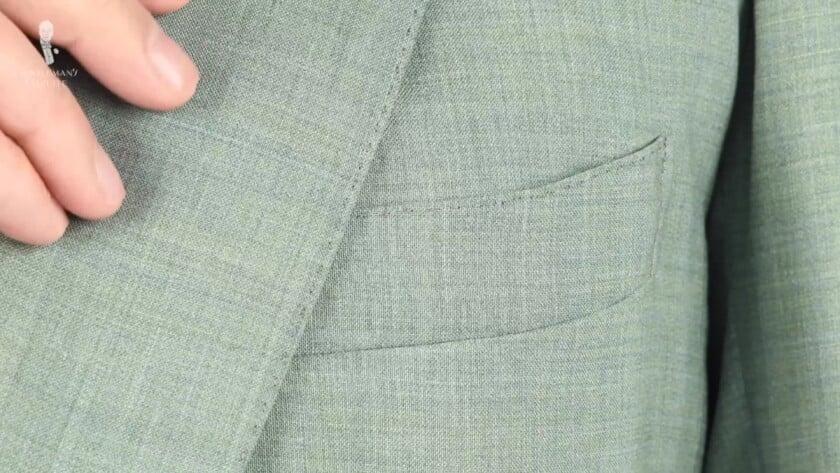
Defined by tightly twisted yarns, which create a crisp, porous, highly breathable cloth. Usually 100% wool in 9 to 11 oz, giving structure without trapping heat. Essential for hot and humid climates because it resists wrinkles and allows constant airflow.
A navy fresco suit or gray fresco trousers are foundational. Not for cold weather tailoring or formal evening wear, as the dry texture lacks the softness and drape of more luxurious wools.
Tropical Wool
A lightweight plain wool engineered for heat and humidity, typically 100% wool at 7 to 9 oz. Minimal insulation, high breathability, and the reason you can stay sharp in a summer climate where heavier wools would stifle. Not suitable for cold weather, as it lacks density and provides little thermal protection.
Irish Linen
The gold standard for summer. Heavy, crisp, and it wrinkles with a certain aristocratic charm that classic menswear has always accepted. Essential for hot weather suits and trousers, and an unlined linen suit is hard to beat for a summer wedding or for travel. Not for the man who hates creasing, because the creasing is the point.
Seersucker
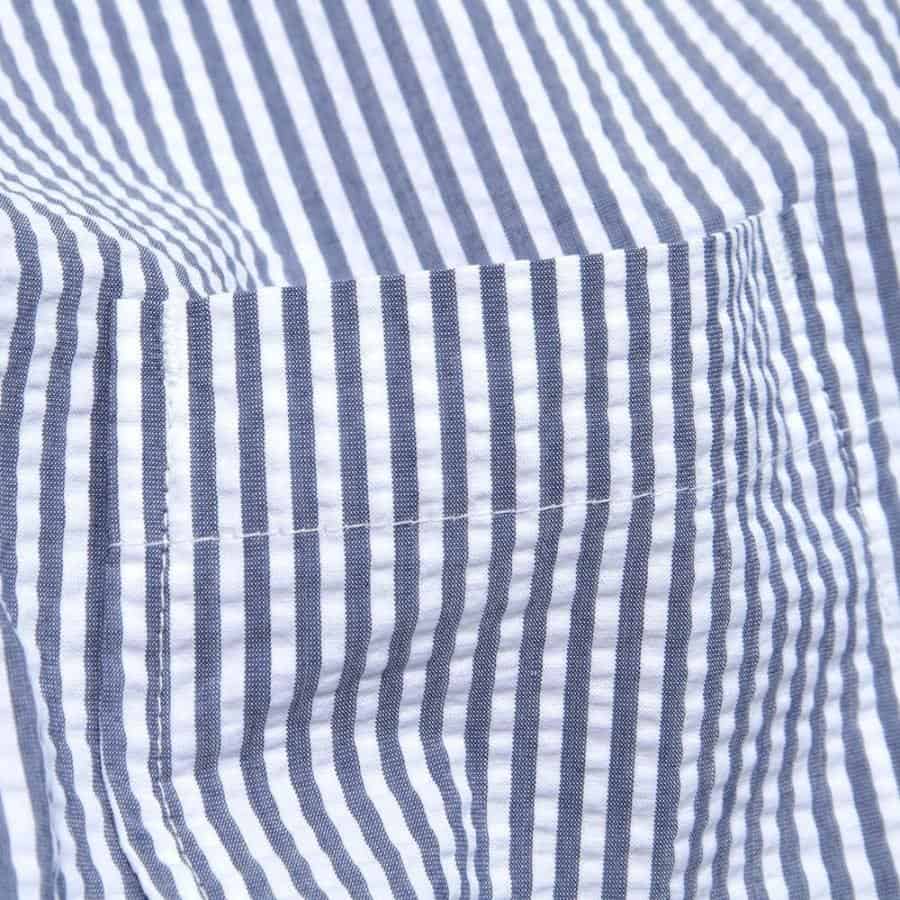

A fantastic lightweight summer material for trousers and suiting. Traditionally cotton and hugely popular in the American South, though it’s now available in wool too. Once strictly casual, I’ve since seen seersucker dinner jackets. I own about thirty pairs of trousers and one seersucker suit, and I love the cloth because the high twist makes it genuinely non-iron. No chemicals, purely natural.
Everything You Need to Know About Seersucker
Mohair
Sourced from the Angora goat, known for high luster, resilience, and cooling properties. It creates a crisp cloth that resists wrinkling, which makes it a favorite for summer evening wear and sharp suits, and it brings a sophisticated sheen to tailoring. Not for soft, relaxed clothing, as mohair tends to be stiff and structured.
Tussah Silk
A wild silk with a slubby, irregular texture. Unlike cultivated silk it reads matte and rustic rather than sleek, which makes it an excellent choice for a summer sport coat that needs texture and character. Not for formal evening wear, where the uneven surface works against you.
Sea Island Cotton
One of the rarest and finest cottons in the world, with extra-long staple fibers that produce exceptional softness, strength, and a subtle sheen. Ideally 100% Sea Island cotton in a lightweight shirting. A white dress shirt or fine knit polo in this cloth is a worthwhile investment. Not for rugged or heavy use, as its delicate nature suffers under frequent abrasion.
Fine Piqué
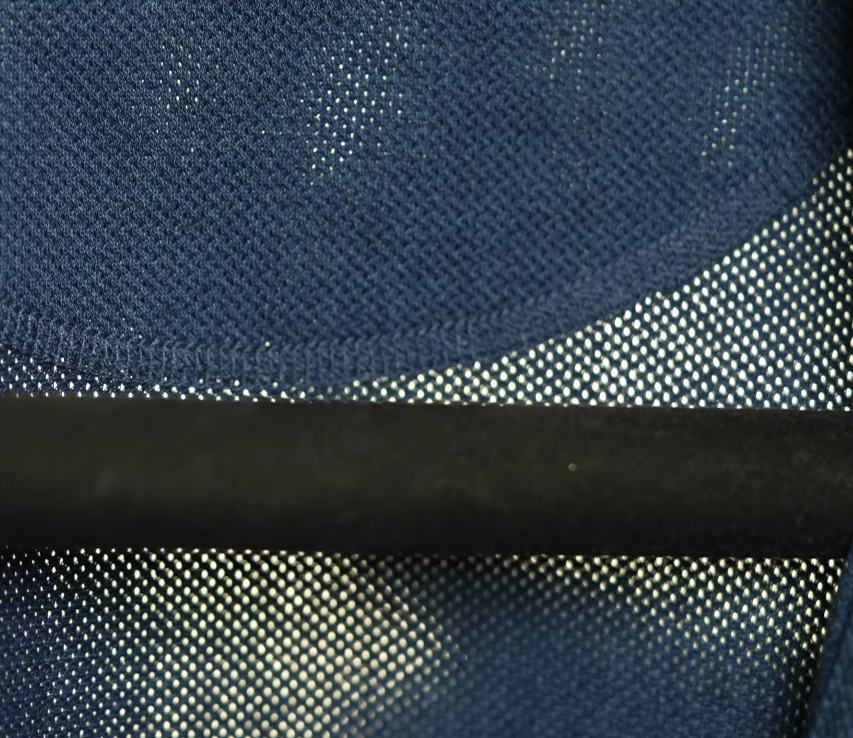
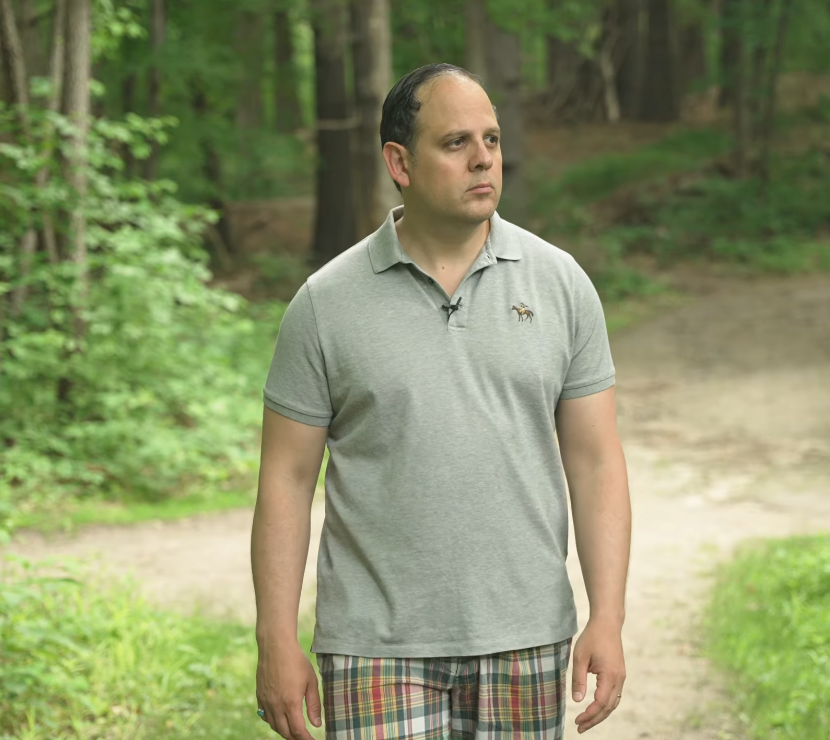
A cotton characterized by a subtle raised texture, often woven in small geometric patterns that improve breathability and add visual interest. Typically 100% cotton, lightweight to midweight, balancing softness with structure. A piqué polo shirt is essential for smart casual, and it carries more sophistication than a jersey knit. Not for formal tailoring or cold weather.
Best Polo Shirt Brands in 2026
Cold Weather Fabrics
Melton Wool


A thick, dense wool where the weave disappears entirely under heavy felting. Windproof and exceptionally warm, which is why it’s the standard for naval peacoats and heavy overcoats. The ultimate barrier against a winter gale. Not for garments needing drape or movement, because it is stiff and structured by design.
Camel Hair
Distinctive for its rich golden tan and remarkable softness, derived from the undercoat of camels. Highly insulating yet light, which makes it the perfect cloth for the iconic wraparound polo coat. Not durable enough for daily heavy wear, as the delicate fibers abrade if handled carelessly.
Cashmere
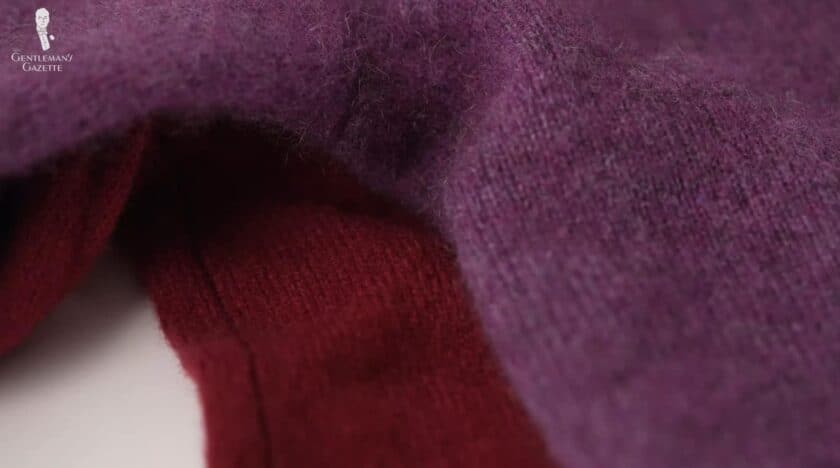
From the undercoat of the Kashmir goat, prized for a fine fiber roughly eight times warmer than wool and luxuriously soft. As with anything, quality varies enormously, and the cheaper stuff is very prone to friction. Use it for knitwear and you’ll notice pilling. Make trousers from it and they’ll wear out quickly. I’d use it for an evening overcoat you don’t wear often, a sport coat, a waistcoat, or knitwear. Definitely not socks, where the friction is simply too much for the material.
Alpaca
A hollow fiber mostly sourced from Peru. The air inside makes it very insulating, so it’s popular for knitwear, scarves, hats, and winter pieces.
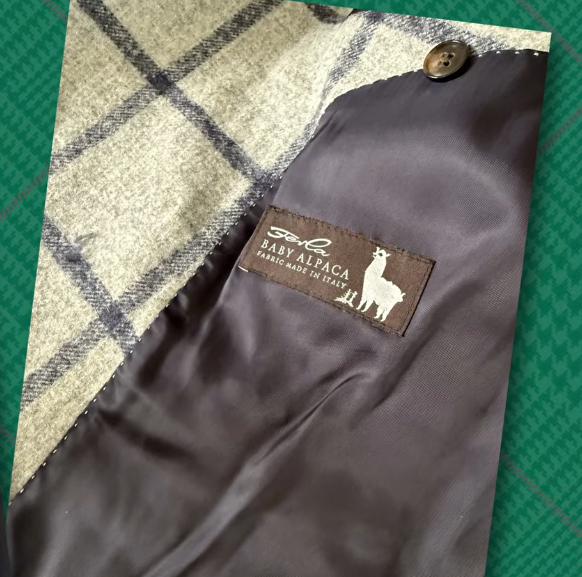
Wool & Hair Fibers
Baby Alpaca
Quality varies, and royal baby alpaca is the most premium, almost as soft as cashmere. Rarer in suiting because it’s fluffy, casual, and wears extremely warm.
I wouldn’t wear an alpaca jacket or suit because I run hot, but an alpaca sweater, waistcoat, scarf, or pair of socks, certainly.
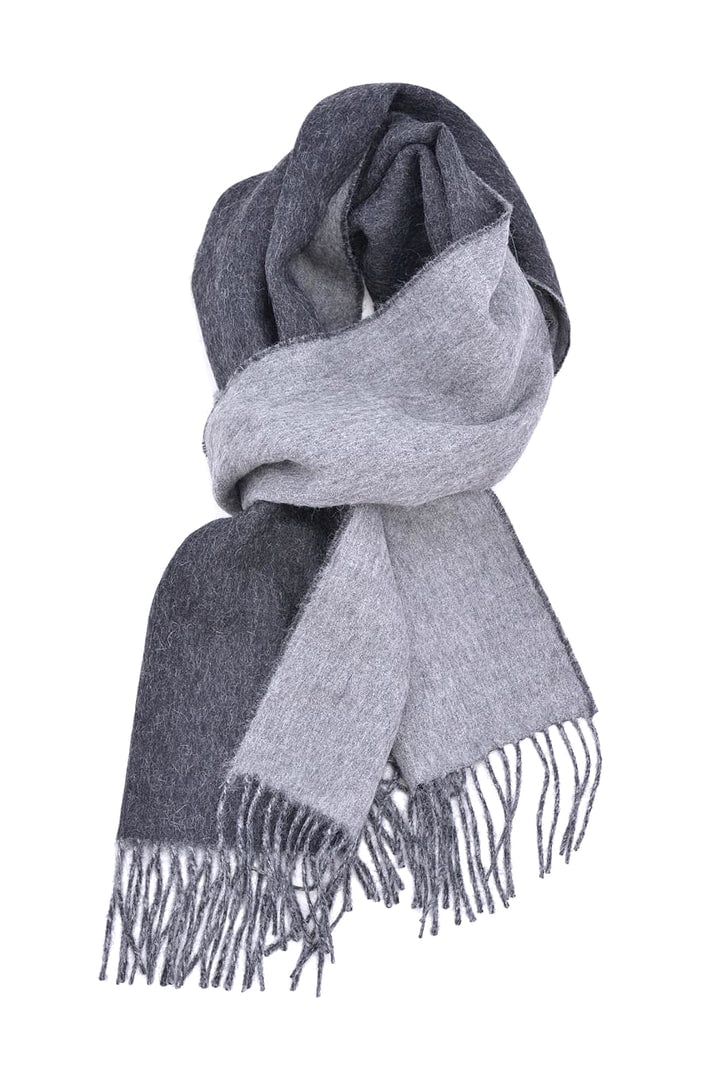
Charcoal & Gray Double Sided Alpaca Scarf
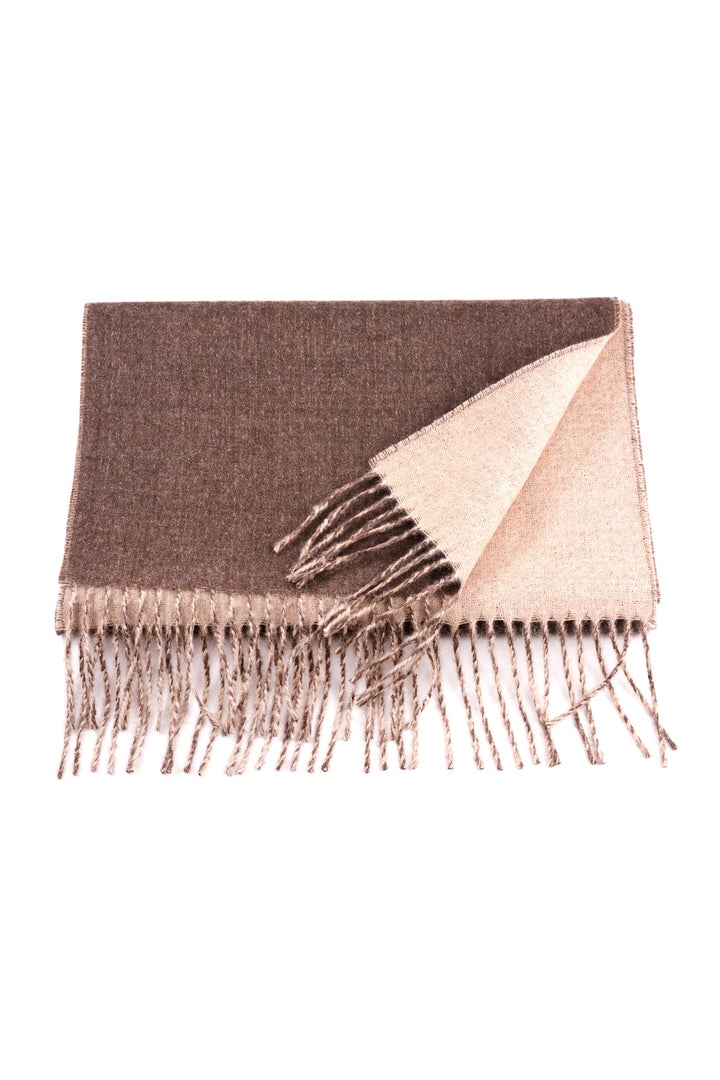
Brown & Oatmeal Double Sided Alpaca Scarf
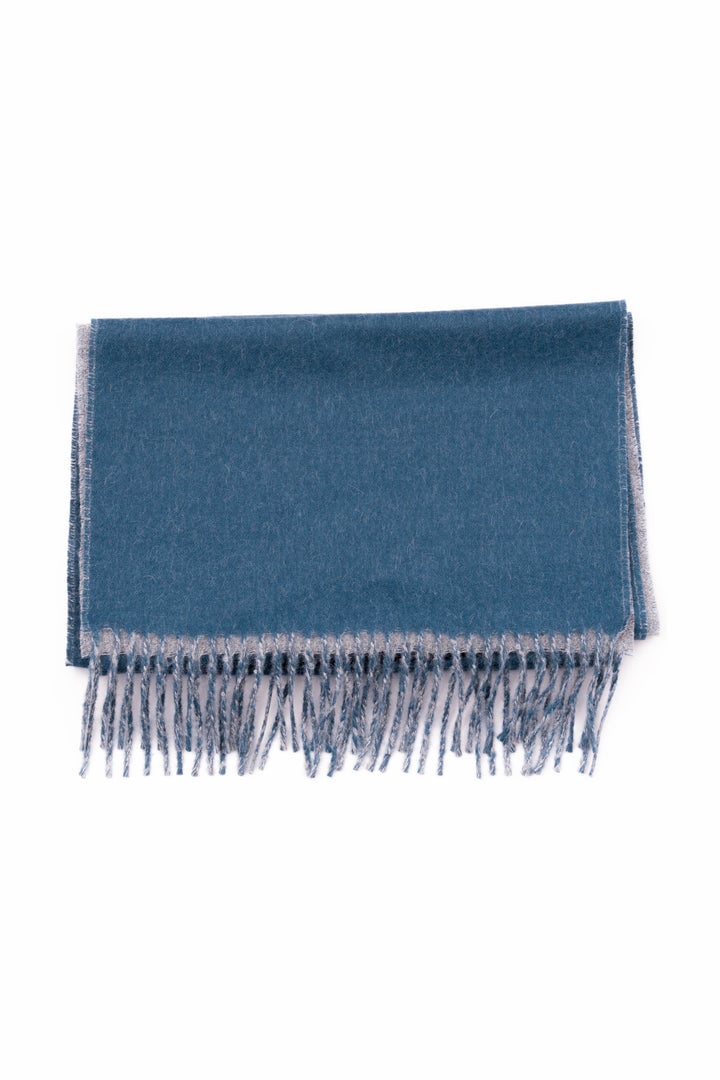
Blue & Gray Double Sided Alpaca Scarf
Vicuña
The rarest and most expensive fiber in the world, from the Andean camelid of the same name. Incredibly fine, soft, and warm, usually left in its natural golden brown to signal its exclusivity. A symbol of absolute luxury, and worth it only for the ultimate investment scarf or light coat. Not practical for everyday use given the cost and delicacy.
Shetland Wool
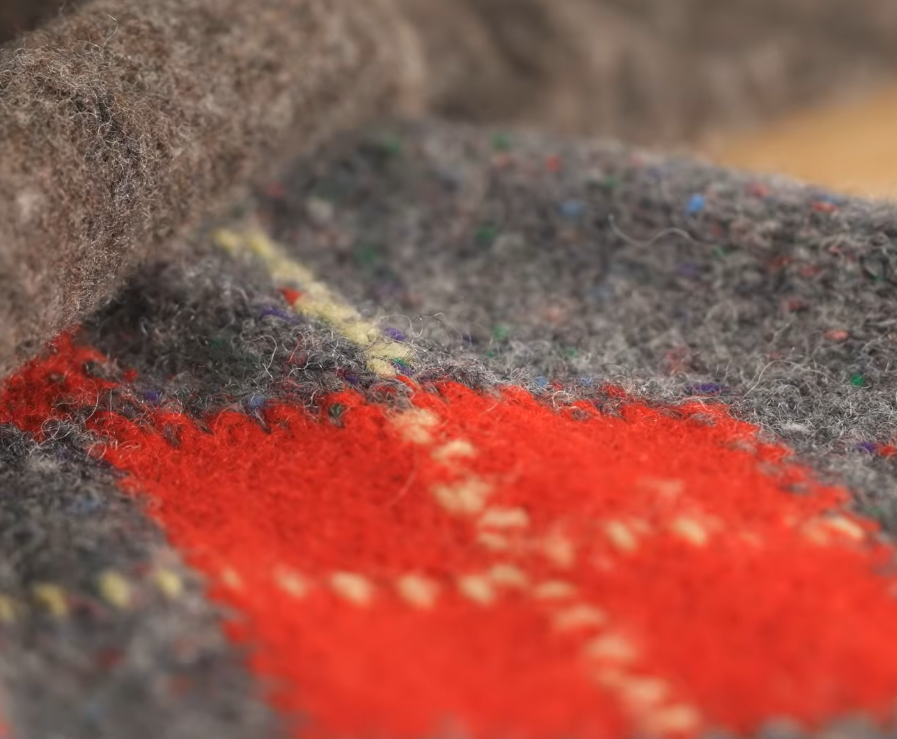
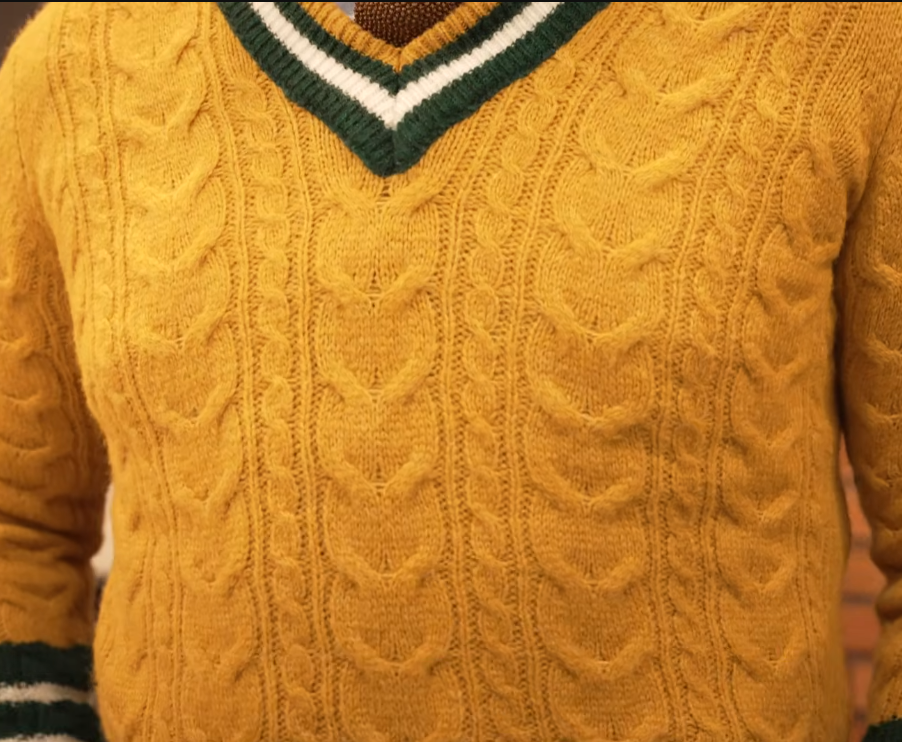
A soft yet hearty wool from Shetland sheep, often used for the iconic shaggy dog sweater. Lightweight, warm, with a distinctive slightly brushed surface, and the essential cloth for casual layered winter outfits. A crew neck Shetland is the classic, though I’d argue for a V-neck instead: better silhouette, and you can actually see your tie. Not for anyone with real wool sensitivity, as the texture stays rustic.
Loden
A water-resistant wool from the Tyrolean Alps, traditionally forest green. Naturally felted and incredibly warm, which makes it a classic for traditional hunting coats and capes. Not for formal business suiting, as its rustic heaviness is firmly country.
Moleskin
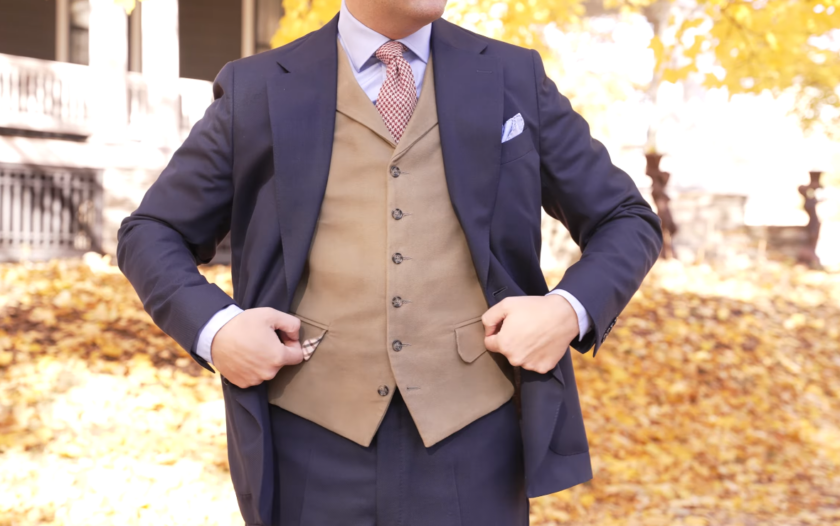
A sheared winter cloth with a suede-like feel that wears very warm. A perfect trouser material that works beautifully with tweed, and remarkably durable for something so soft. I also like moleskin waistcoats, since they contrast nicely with most of the jacket fabrics I wear. Not for hot weather, as the dense structure exists to trap heat and repel the elements.
Velvet
A plush cloth with a dense pile that creates a soft surface and deep color saturation. Typically silk or cotton, sometimes blended for durability, medium to heavy weight. Important for adding texture and a little drama to evening wear, and a velvet dinner jacket is a genuine standout. Not for everyday or warm climates, as it’s heavy, heat-retaining, and prone to crushing.
Worsted Flannel
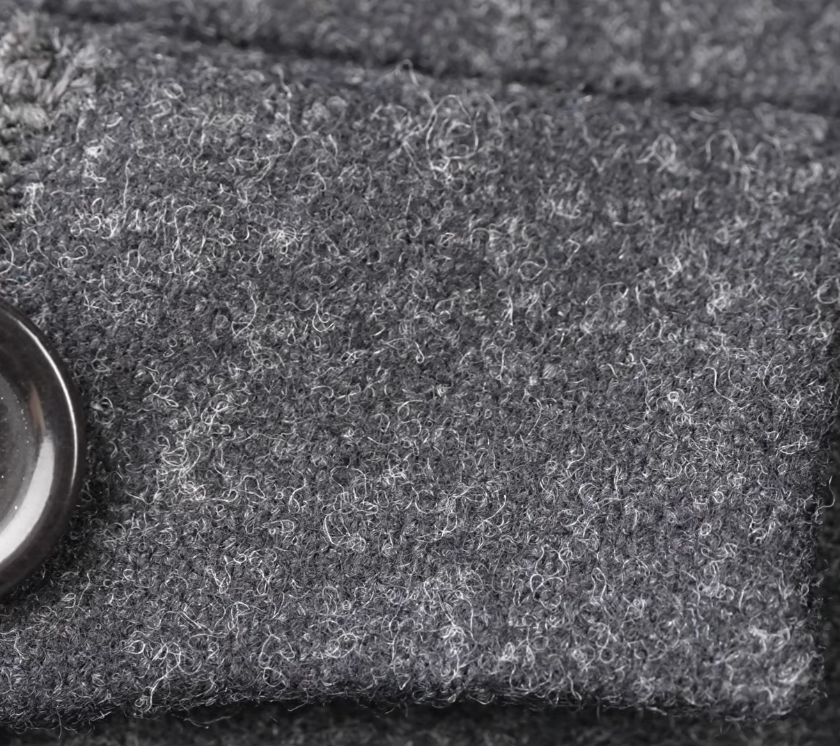
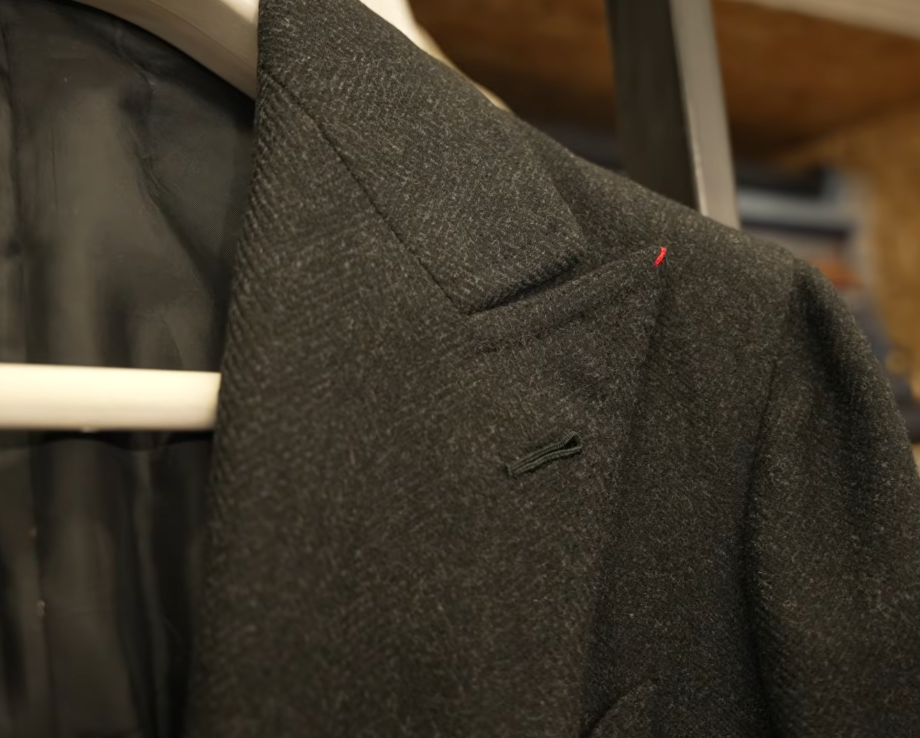
Made by combing the wool fibers so the long ones remain and the short staples are discarded, then brushing the woven cloth to raise that soft, piled texture. A beautiful winter fabric known for its fuzzy, nappy hand and its mélange color, achieved with fiber dye technology so multiple colors run through the yarn and therefore the cloth. Because it’s combed, worsted flannel is considerably more durable than the alternative.
See our full flannel guide and our worsted wool guide for more.
Carded Flannel
Here the yarns aren’t combed, so long and short fibers both remain. That makes the cloth inherently weaker but also fuzzier. The most famous carded flannel item is the gray flannel trouser or the gray flannel suit, though beige, navy, brown, and green all exist. For trousers I recommend worsted flannel instead, because carded wears out too quickly. An overcoat works, but for winter only. Never a summer cloth.
Tweeds and Country Cloths
Herringbone
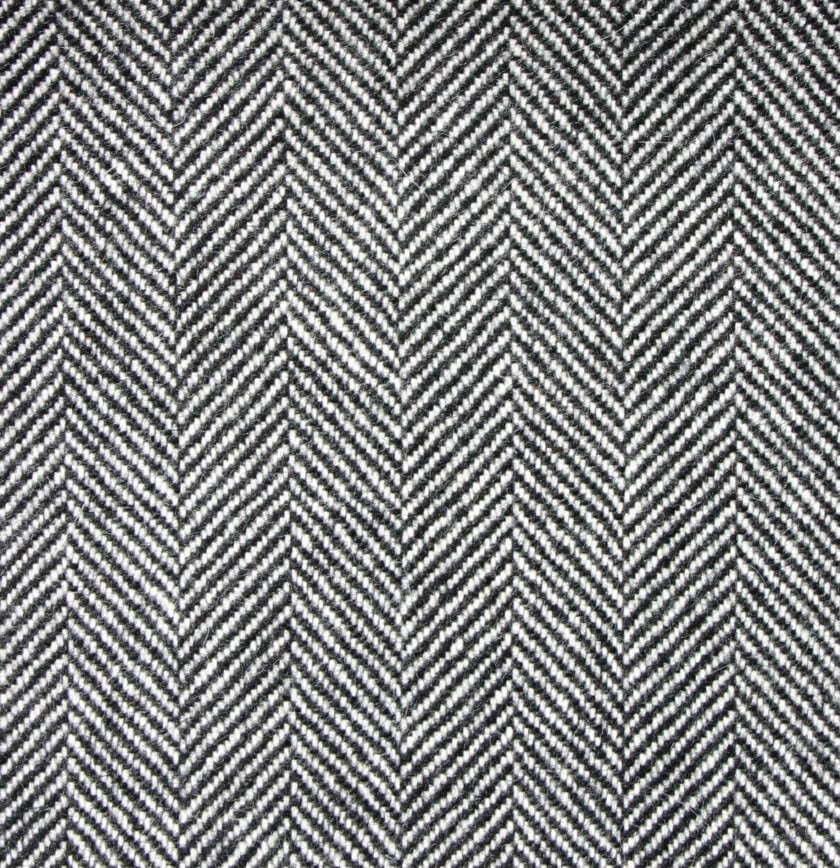
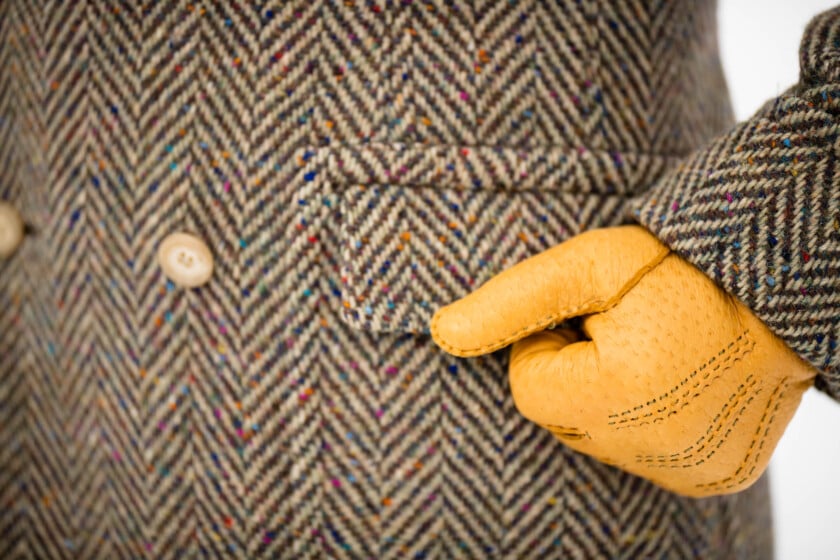
A broken twill characterized by a V-shaped pattern, often in wool or tweed, adding classic textural interest. A staple for overcoats and heavy sport coats, providing both visual weight and warmth, and a herringbone tweed jacket is a quintessential autumn and winter piece. Not ideal for trousers, where the pattern can read busy on the legs.
Cheviot Tweed
A heavier, stiffer tweed from the wool of Cheviot sheep, known for durability, resilience, and a slightly prickly hand. A true workhorse for outdoor pursuits where warmth and protection are non-negotiable, and a Cheviot overcoat will last a lifetime. Not for anyone who prefers soft, pliable cloth.
Donegal Tweed
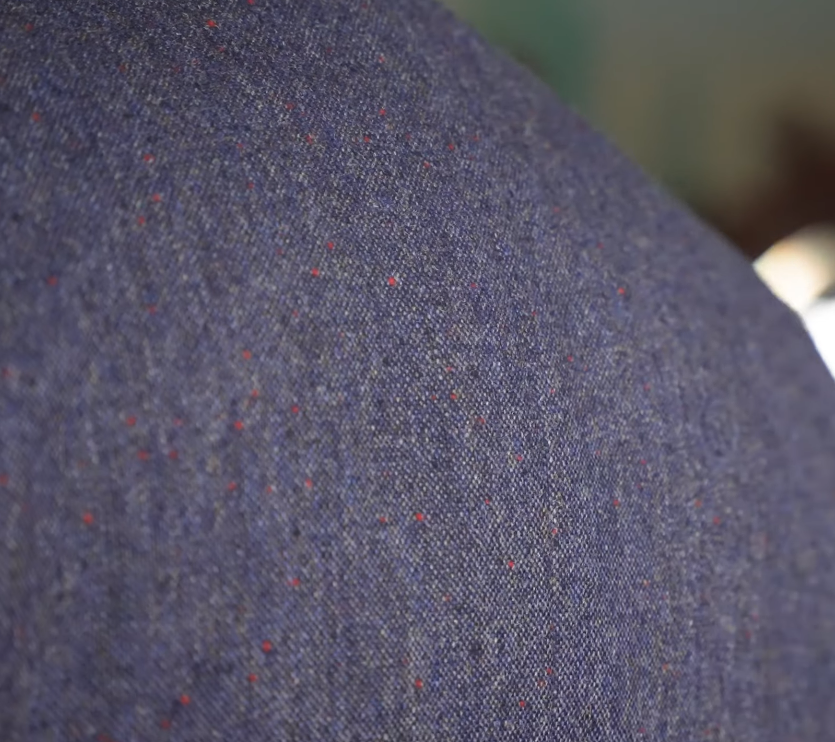
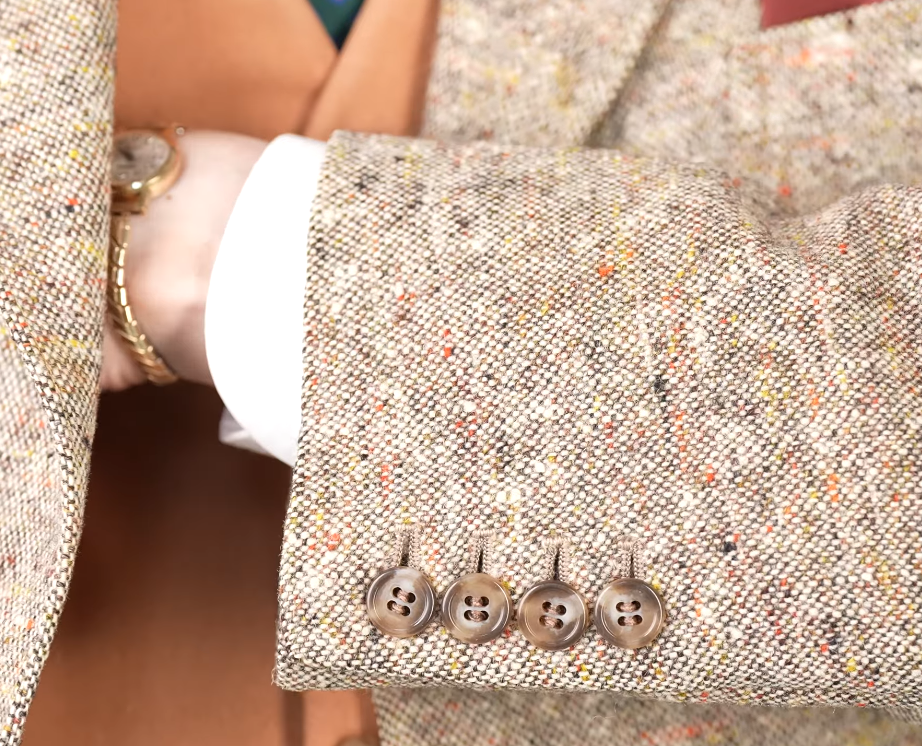
Named for County Donegal in Ireland, and characterized by nepps, the colorful multi-hued flecks of wool woven into a plain or twill base. Typically medium to heavy wool, giving excellent warmth and a rustic, cozy texture. Perfect for bringing character to casual autumn outfits, and a Donegal sport coat is a must-have. Not for formal occasions, as the speckled nature is strictly casual.
Donegal Herringbone
A sophisticated hybrid combining the rhythmic V-weave of herringbone with the vibrant rustic flecks of Donegal. Usually 100% wool in a substantial weight, offering textural structure and visual depth at once. Highly valued for casual sport coats that feel sophisticated yet rugged, and particularly good for autumn outerwear. Not for formal suits or office attire.
Harris Tweed
A legendary handwoven cloth from the Outer Hebrides in Scotland. Thick, scratchy, and practically bulletproof against the elements, usually heavy weights of 100% virgin wool. The ultimate cloth for protection and heritage, and I’d recommend it for a classic hacking jacket, a standard sport coat, or an overcoat. Outside those contexts, I’m not convinced it’s worth it. It isn’t comfortable against bare skin, so wear it over a shirt or sweater. More in our tweed guide.
Barleycorn
A weave that creates a small, grainy, intricate texture resembling grains of barley. Typically mid to heavyweight wool, with a three-dimensional surface that absorbs light beautifully. An excellent choice for country jackets needing durability and character. Not ideal for trousers, where the weave can feel bulky and coarse against the skin.
Covert Cloth
More traditionally covert cloth, a mottled, multicolored, tightly woven twill. Historically used for covert coats worn riding or commuting, and famous for durability and hiding stains. Essential for an all-weather town coat, ideally a classic single-breasted topcoat. Not for suiting or sport coats, as its character is tied to heavy-duty outerwear.
Bedford Cord
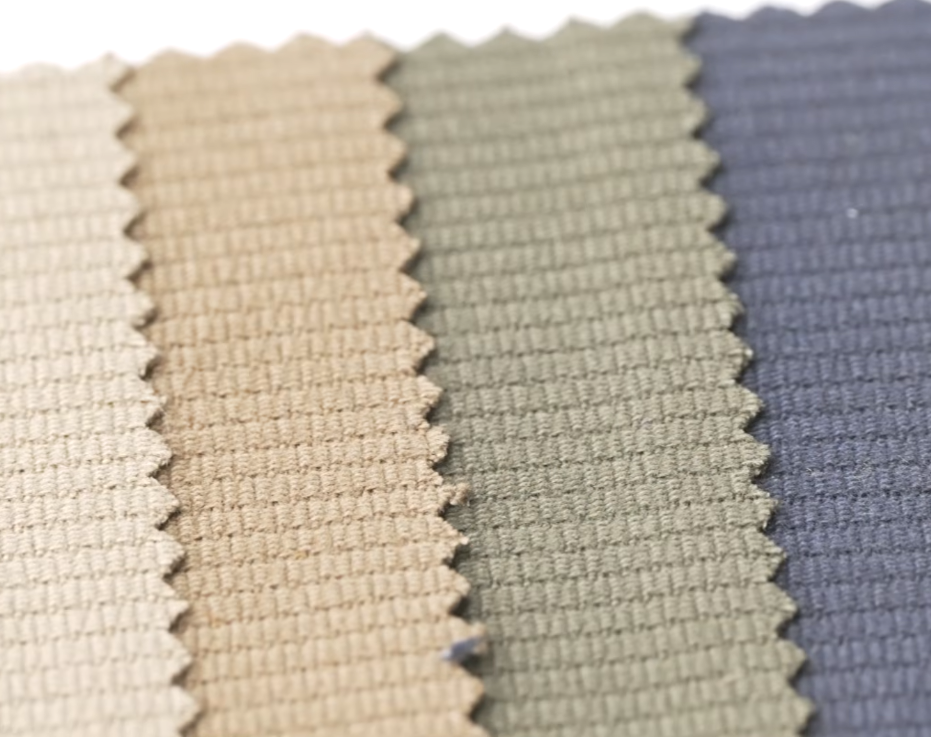
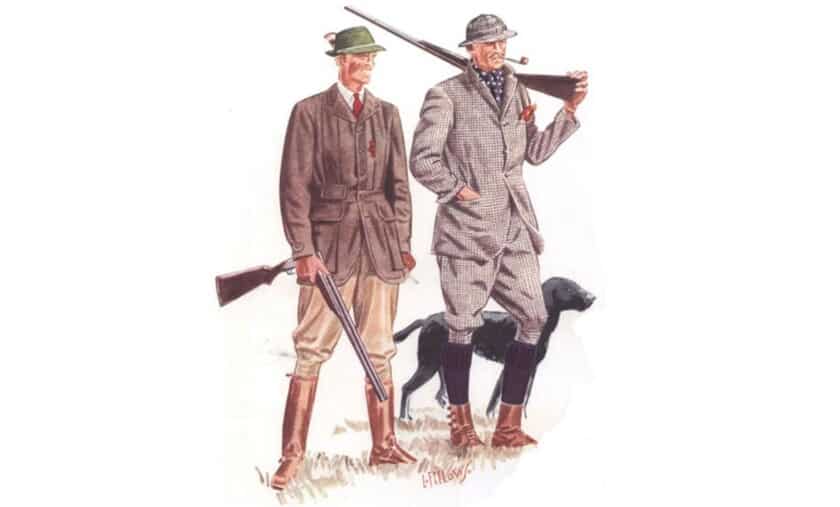
A sturdy cloth that mimics real corduroy without the fuzz or pile. It isn’t made like corduroy at all but woven simply, and it isn’t as luxurious as the real thing. Often used for hunting and outdoor gear, not formal pieces.
Cavalry Twill
A heavy, steep-ribbed cloth originally designed for riding breeches. Typically 100% wool and exceptionally robust, known for withstanding intense friction, which makes it the gold standard for hardwearing trousers you’ll keep for years. Highly recommended for country trousers. Not suited to lightweight suiting, being far too heavy and stiff.
Whipcord
Similar to cavalry twill but with a more pronounced, rounded diagonal cord, usually heavy 100% wool. Prized for extreme durability and for holding its shape, and a fantastic choice for rugged trousers or a safari-style jacket. Not for fine suiting, as the prominent ribbing reads too casual for formal environments.
Business Suiting
Twill


Twill means diagonal lines in the weave, and because of those lines the cloth can be made heavier than the same yarns in a plain weave. It’s an overarching term covering many fabrics: drill, grosgrain, whipcord, and covert cloth are all twills. Used across menswear in shirts, trousers, suiting, overcoats, and casual jackets, and even traditional flannel is often woven as a twill. Twill balances comfort with structural integrity.
How Do You Wear Twill Suits?
Hopsack
A loosely woven wool with an open basket weave that improves breathability while keeping a soft drape. Typically 100% wool or wool blends around 8 to 11 oz, striking a balance between structure and comfort. Especially valuable as a jacket cloth for business casual and travel thanks to its wrinkle resistance, and a navy hopsack blazer is a cornerstone garment. Not for very formal occasions, or for trousers needing a sharp crease, since the loose weave reduces crispness and suffers under friction.
Bird’s Eye
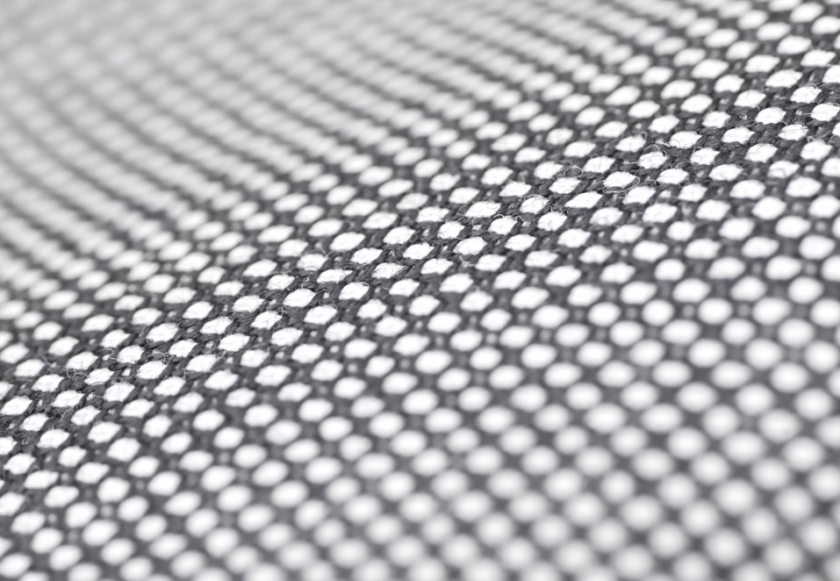
Named for the small repetitive diamond pattern that resembles a bird’s eye, adding depth and visual texture. Typically 100% worsted wool in a midweight, it gives you the interest of a pattern while remaining as versatile as a solid. Perfect for a professional suit that needs to stand out from the sea of navy and gray. Not for casual sport coats, as the weave suits sharp tailoring best.
Sharkskin
Woven with alternating colored yarns, often in a pick-and-pick pattern, creating a subtle shimmering two-tone effect. Ideally 100% wool in a midweight, bridging formal and business attire. Good for adding depth to a suit without resorting to overt checks, and I’d recommend it for an office suit with a little personality. Not for very conservative, high-stakes formal events where solid colors are expected.
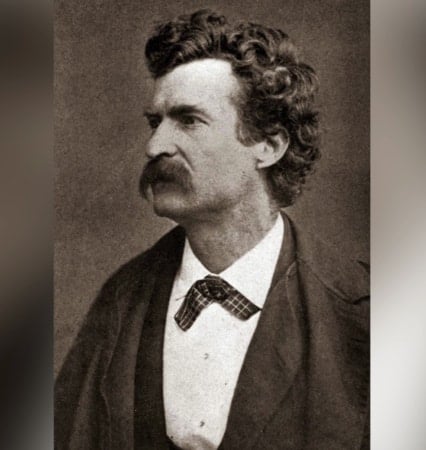
“Clothes make the man. Naked people have little or no influence on society.”
Mark Twain
Serge
A durable twill distinguished by a clear diagonal rib on both sides. Usually 100% worsted wool in mid to heavy weights, offering exceptional longevity and a clean, sharp look. The definitive cloth for a classic navy blazer, formal yet versatile. Too formal and structured for relaxed weekend wear.
Gabardine
A tough, tightly woven cloth with a distinct steep diagonal rib. Historically used for trench coats, now a staple for hardwearing trousers that hold a sharp crease, and highly valued for water resistance and durability. A gabardine trouser earns its place in a business wardrobe. Not for soft tailoring or drape styles, as it’s crisp and rigid by nature.
Escorial Wool
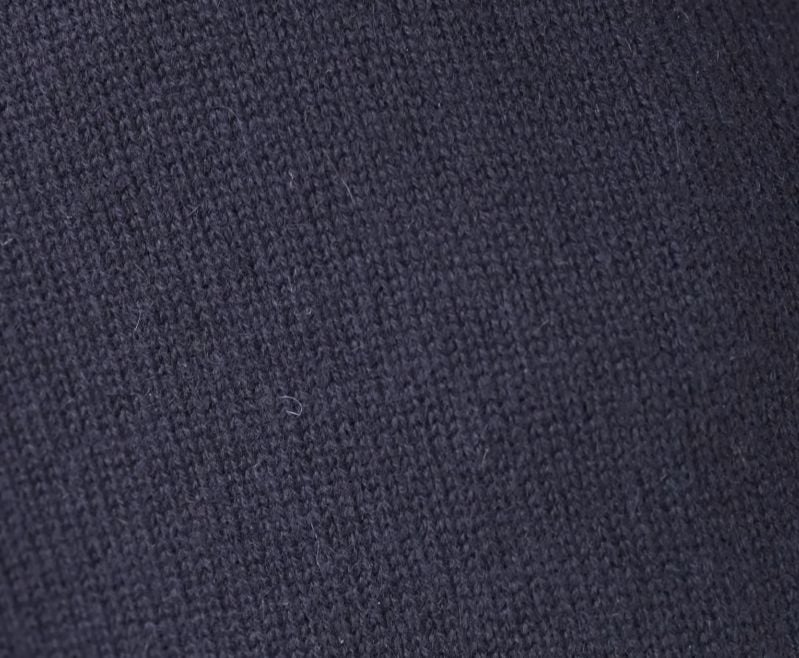
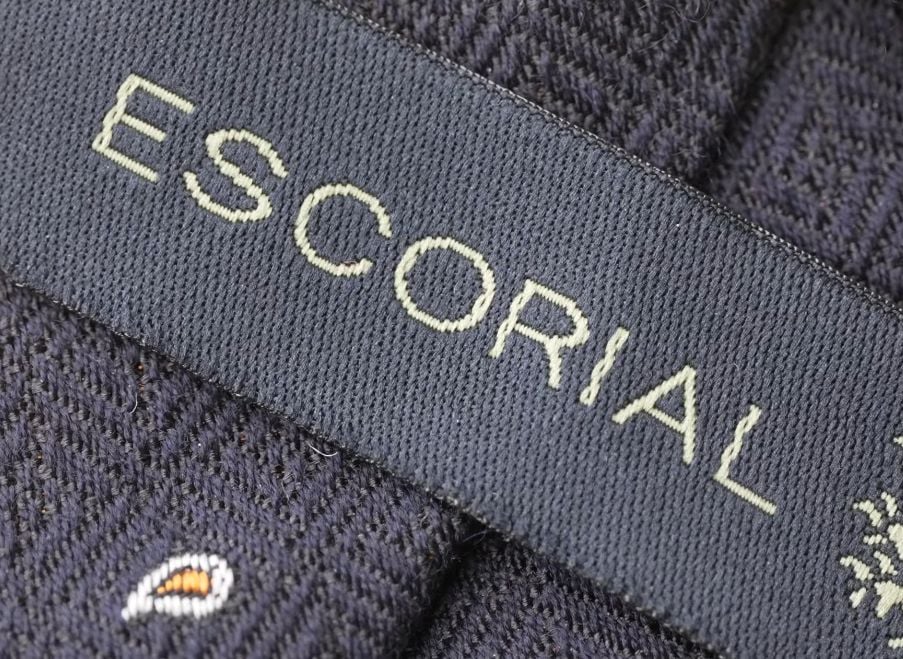
A rare wool from sheep with naturally curly fibers, producing cloth with remarkable spring and wrinkle recovery. Softer and more resilient than standard merino, which is itself already fine and soft. A top-tier choice for a travel suit that has to stay pristine on the move. Not cheap, and best reserved for high-end tailoring where performance and luxury both matter.
Barathea
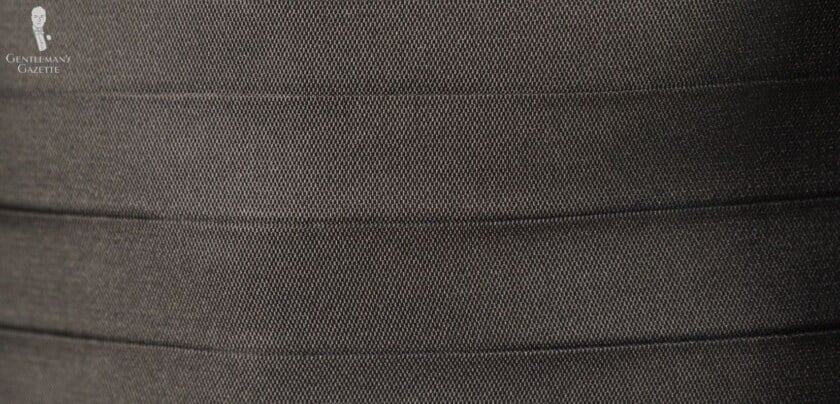
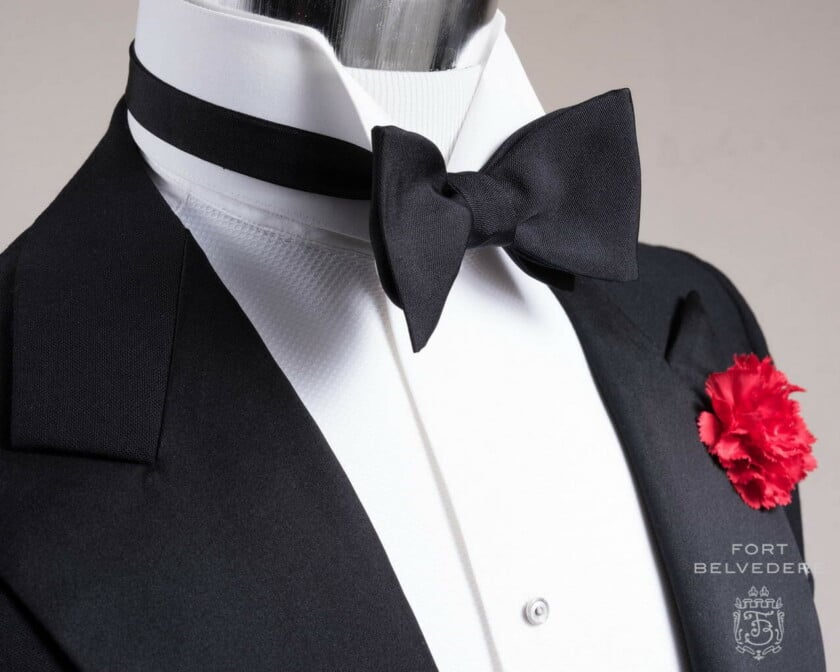
A fine wool with a pebbled surface, traditionally used for formal wear thanks to its understated texture and matte finish. Typically 100% wool or wool blends in midweight, giving excellent depth of color, especially in black or midnight blue. Essential for classic evening garments such as a tuxedo jacket or formal trousers. See our black tie guide for how it fits the wider dress code. Not for casual wear or warm climates.
RECOMMENDED
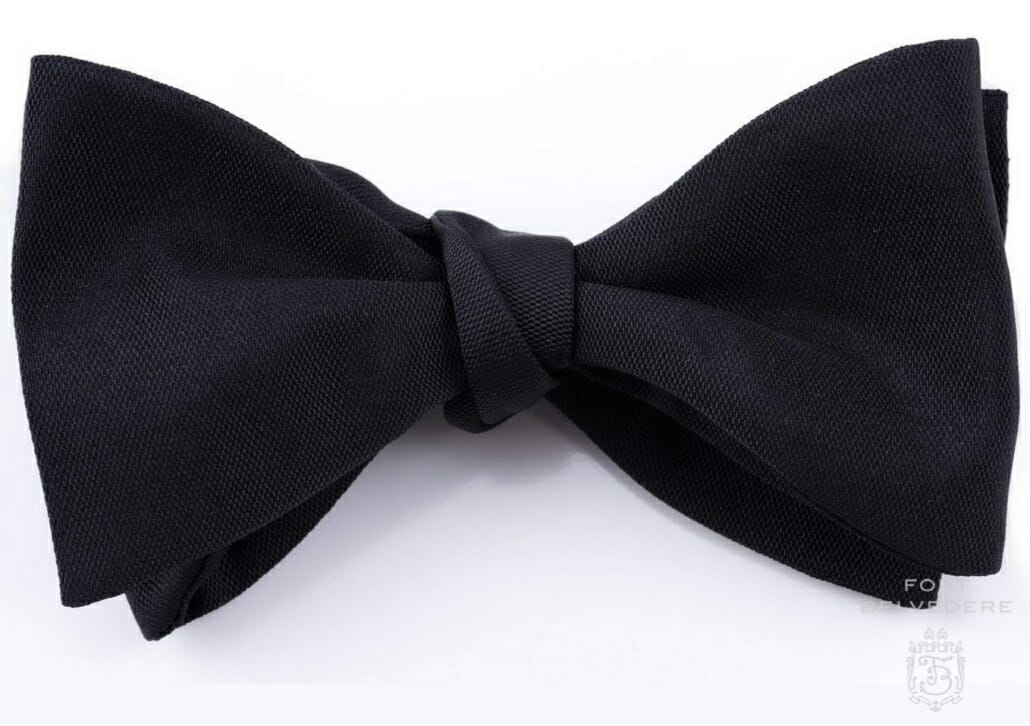
Black Silk Barathea Self-Tie Bow Tie
Invited to something black tie? The bow tie that gives the dress code its name should be the one thing you don’t leave to a pre-tied clip. Silk barathea, butterfly shape, sized to your exact neck, and handmade in Italy.
Shirtings
Oxford Cloth
A plain weave with either two warp threads, two weft threads, or both made into one, so you end up with a basket weave. It’s the backbone of the OCBD. Unless you buy white, the warp and weft are often different colors, giving you a changeant effect where the cloth appears to shift between two tones.

Typically finished a little softer, which makes it the perfect business casual shirt, though in an increasingly casual world it’s often the first and only shirt people buy. Traditionally not an evening cloth, purely because of the button-down collar. Can you get Oxford cloth without a button-down? Absolutely, but it’s rarer.
Royal Oxford
A cousin of traditional Oxford cloth, often in a smaller-scale weave, with yarns that are notably more lustrous. That makes it more popular for traditional business use, though it isn’t as hardwearing as a twill. Typically 100% cotton, usually with more texture than standard Oxford, which makes for a genuinely all-round business shirt.
Poplin
A tightly woven plain weave, typically cotton or cotton blends, known for a smooth surface and lightweight feel. Ideal shirting poplin is 100% cotton in light to midweight, offering crispness without bulk. Essential for dress shirts, and a white or light blue poplin shirt is a must-have. Not for heavy duty use or colder climates, lacking texture, warmth, and durability next to more robust cloths.
Broadcloth
A very tightly woven fine cotton with a smooth matte finish. The quintessential formal dress shirt cloth, giving a clean professional look under a suit, ideally in white or blue. Not for casual shirts, since the tight weave and smooth finish exist specifically for formal presentation.
Chambray
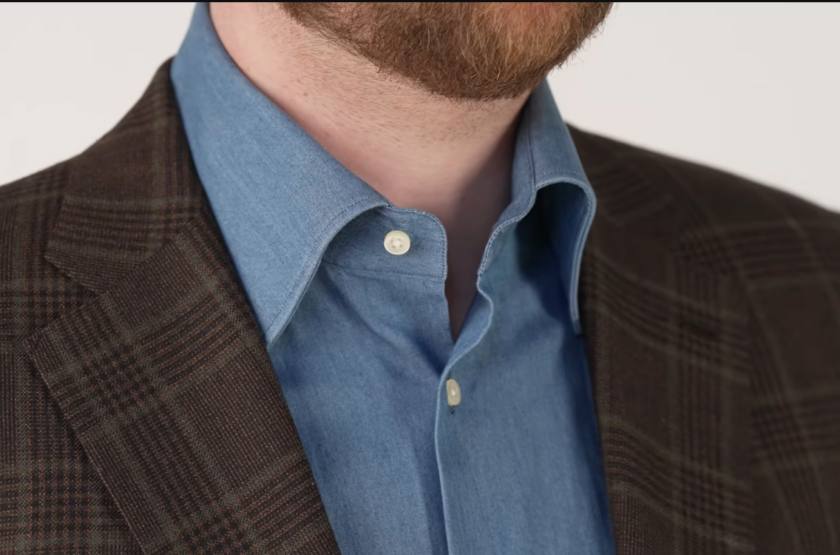
A plain weave cotton often confused with denim, but distinguished by a significantly lighter weight and softer hand. It typically features a colored warp and white weft, giving a soft heathered appearance. A staple of casual elegance, and a chambray shirt is essential in any man’s casual wardrobe. Not appropriate for formal dress shirts or business tailoring.
Viyella
A historic trademarked blend of 55% merino wool and 45% cotton, offering the warmth of the former and the comfort of the latter. You’ll find true Viyella only in vintage garments, as the original blend ceased manufacture around 1999. Perfect for high-quality, comfortable winter shirts that don’t feel too heavy, and the natural choice for a traditional Tattersall check. Not for formal attire, as its heritage is firmly country and casual sportswear.
Outerwear and Technical Cloths
Ventile
A trademarked name for a high-density, long-staple cotton weave that is naturally waterproof. The fibers swell when wet, sealing the cloth without synthetic coatings. Valued for breathability and rugged durability, and recommended for raincoats or field jackets you’ll wear in unpredictable weather. Not for formal wear or indoor apparel, as its purpose is strictly protection from the elements.
Wax Cotton
A fine plain weave cotton treated with paraffin wax for weather resistance. Think of the famous Barbour Bedale, made with cloth from the British firm Millerain. Ideal for field jackets and outerwear that can take some abuse and develop a beautiful patina. Trust me, this is not for indoor use, because the wax will rub off on your upholstery and look ugly. It also isn’t breathable, so you’ll overheat indoors.
Drill
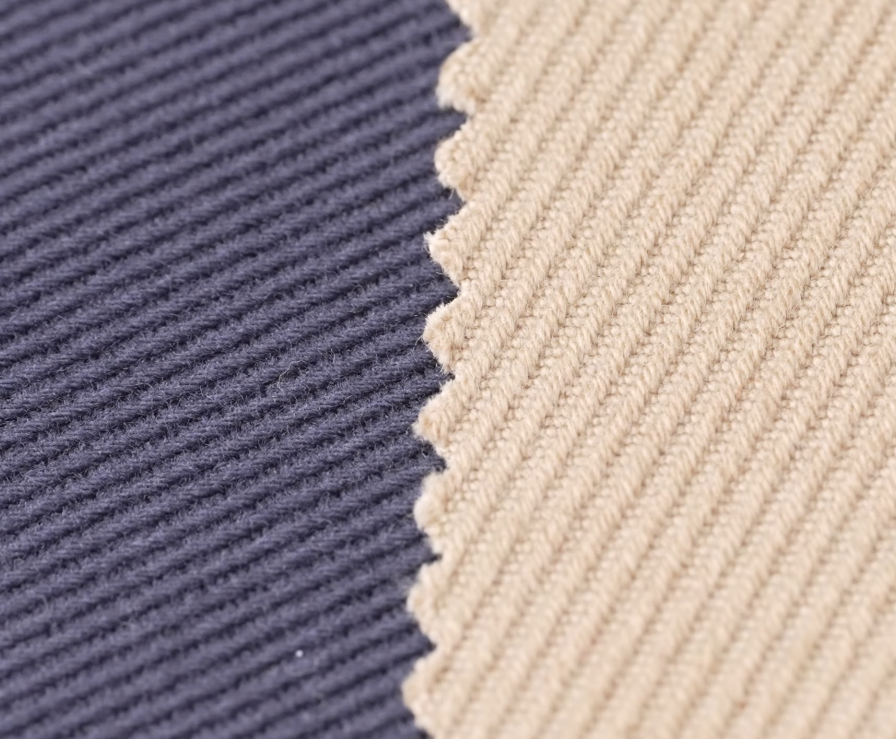
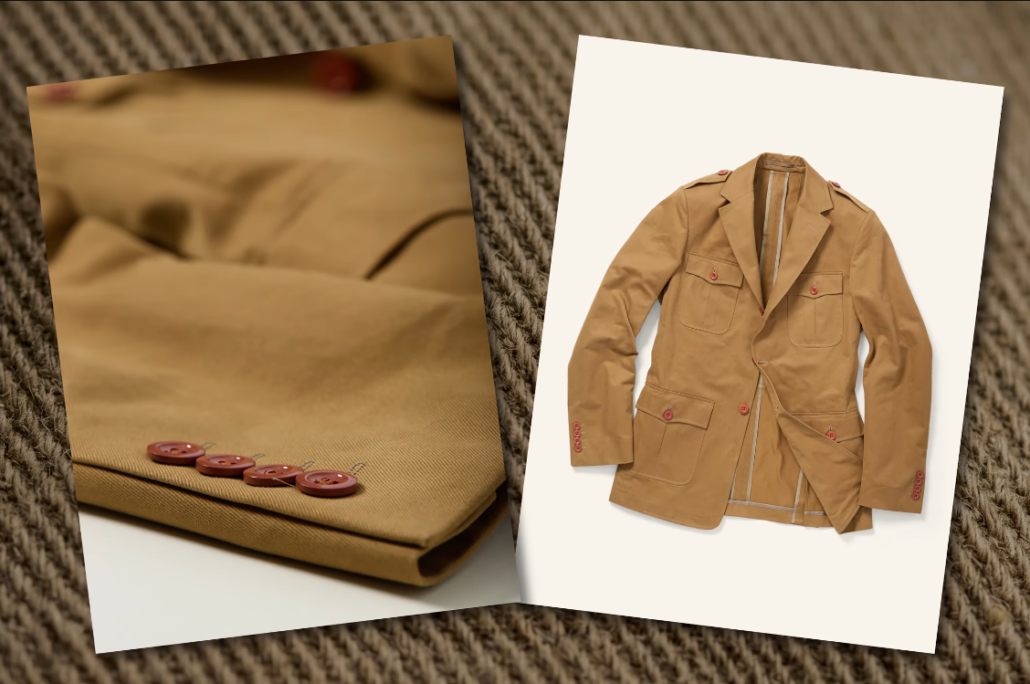
An extremely hardwearing, heavy, durable twill, typically cotton. Traditionally used for uniforms, breeches, khakis, chinos, and heavy-duty workwear. Making drill requires genuinely high-quality yarns, and its workhorse nature also makes it excellent for safari jackets. The hand is stiffer than other cloths. The perfect fabric for anyone who wants something very classic that will wear for a long time. I like it for safari jackets and chinos.
Corduroy
Corduroy
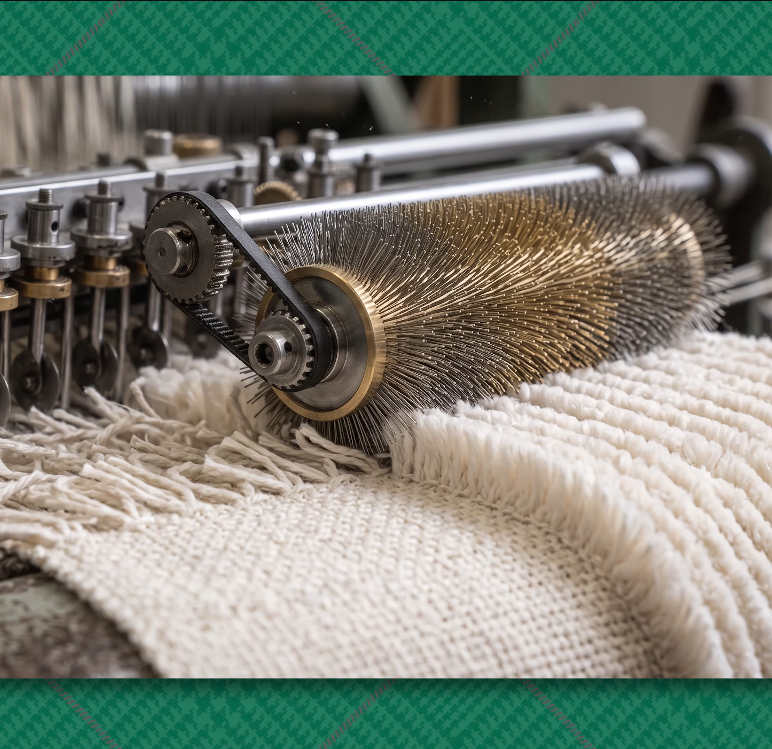
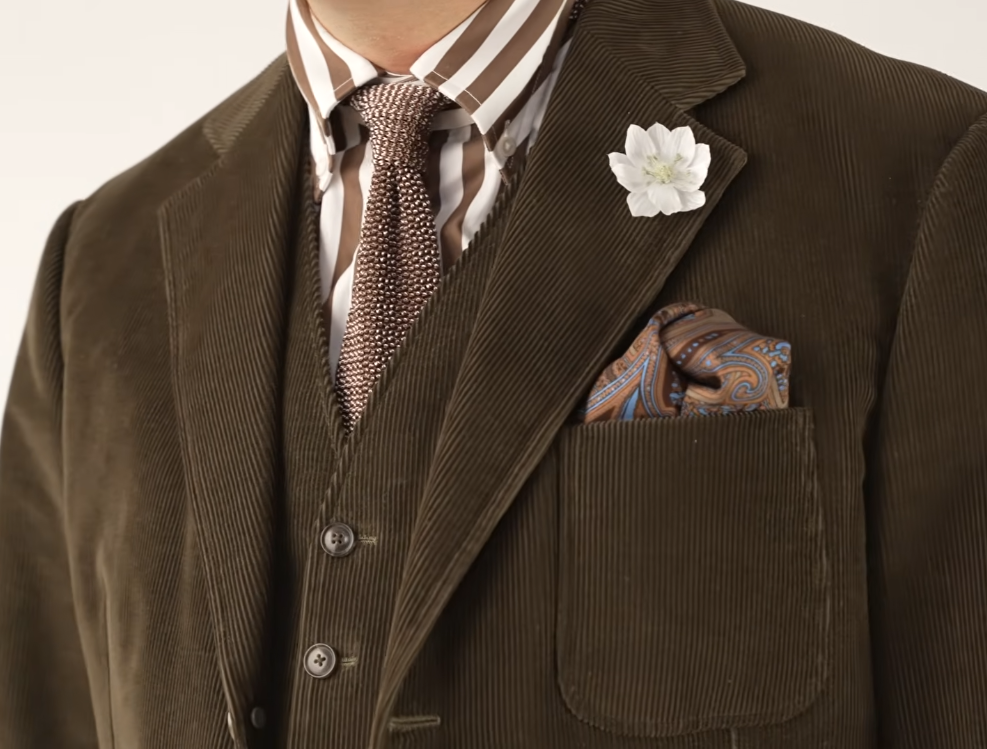
A fantastic cloth in the same family as velvet, made in a very different way. Normally, you have two backing fabrics on top of each other with fibers pushed through, then the whole thing is cut apart in the middle, leaving two layers of velvet fabric. Cut the ridges into that and you get corduroy.
Sometimes called the velvet of the working man. A wonderful winter cloth, usually medium to heavy weight, soft and comfortable, and in higher qualities it lasts a very long time. Excellent for trousers or a full suit in the Ivy League academic register, and there’s no reason you can’t have the three-piece waistcoat in corduroy too.
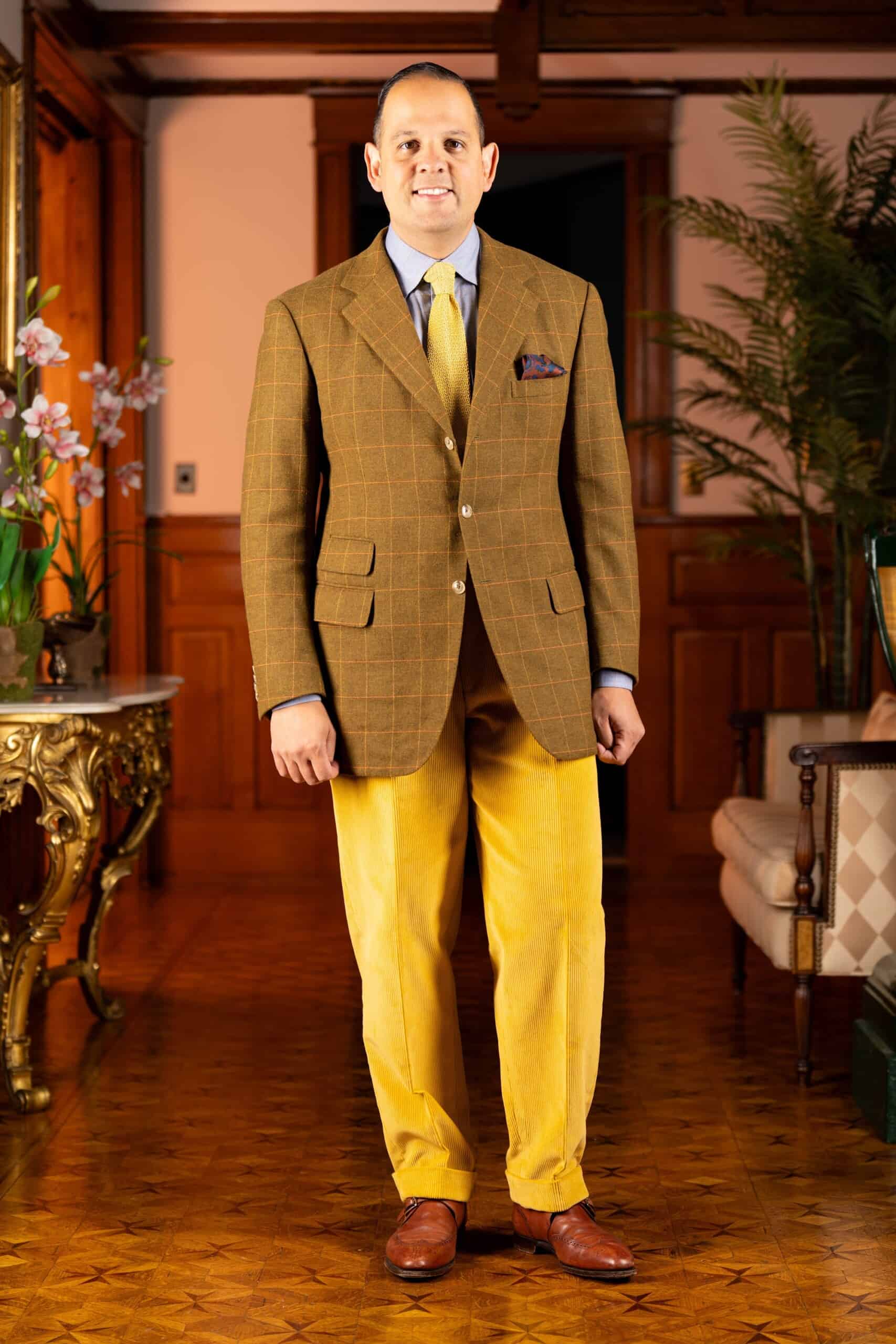
Fort Belvedere Stancliffe Corduroy Trousers
Inspired by the Golden Age of Menswear, these corduroy trousers bring timeless tailoring into the present. Cut with a true high-rise waist, double-button waistband, and flapped coin pocket, they sit full through the leg and taper below the knee for a contemporary silhouette that reads pure elegance. The versatile 8-wale corduroy is milled in Italy and assembled in Portugal, honoring the finest traditions of English-heritage corduroy.
Neckwear and Accessory Fabrics
Grenadine
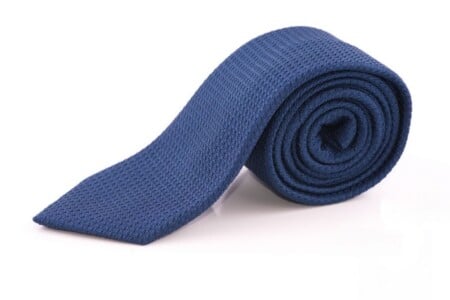
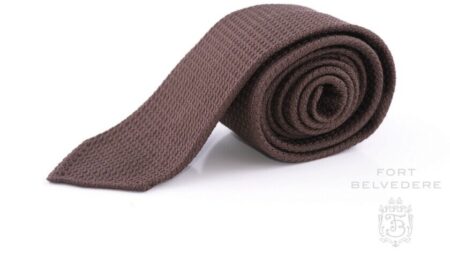
Grenadine is a special cloth because, unlike most others, it has holes and a genuinely great texture. It used to be made in silk, cotton, and other materials, but today it’s known almost entirely in silk. There are two principal kinds, garza fina and garza grossa, though many variations exist.
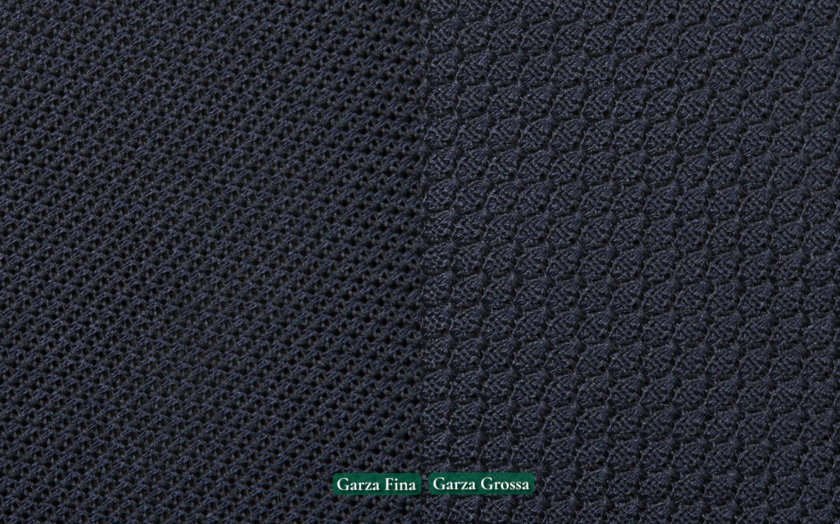
Faux grenadines are out there, but the real stuff is mostly made in Italy these days, and it’s typically more matte and less shiny. A fantastic business tie, and James Bond liked it. Not good for garments, because it doesn’t cope with friction and the threads pull easily. I wouldn’t recommend it for bow ties either, since your beard will pull the little threads and it’ll look ugly in short order.
Madder
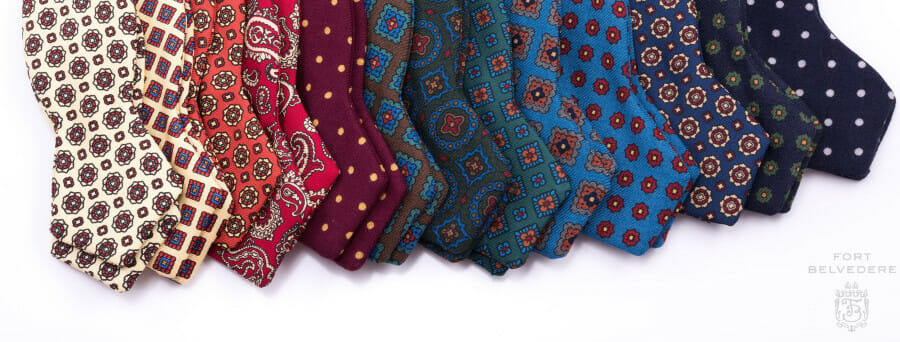
A printing process rather than a weave, typically applied to silk. The muted colors come from a dye and discharge print finished with an alkaline wash, and that wash is what gives you the famous madder blue. Often you’ll see it on the reverse of the cloth as well as the face. It’s the pinnacle of understated, elegant neckwear with a British heritage.
The dusty, chalky hand comes from adding the original gum back into the silk, which under normal circumstances is stripped out completely. Madder isn’t shiny, it’s dull. It isn’t smooth, it’s a little chalky. And because of that it works beautifully with casual garments: think tweed and sport coats.
Personally I also like it with a plain navy business suit or gray flannel. Most known for neckties, but it also works for bow ties, ascots, scarves, a dressing gown, or even a lining. Its beauty lies in that earthy, matte, vintage feel.
Silk
A natural fiber known for smooth texture, natural sheen, and excellent drape. Quality silks vary in weight but are typically light and fluid, used pure or blended for durability. Important for adding elegance and visual richness, especially in accessories, and a silk tie or pocket square is indispensable for formal and business attire. Not for garments requiring durability or frequent washing, being delicate, vulnerable to moisture, and quick to show wear.
Where to Start
If you’re building a versatile wardrobe, start with a navy hopsack blazer and a pair of gray flannel trousers. Those are two of the most useful items a gentleman can own.
Which fabrics do you wear a lot, and which do you avoid? Let us know in the comments.
Fabric FAQ
What is the difference between worsted and woolen fabric?
Worsted cloth is made from combed yarns, where rotating metal combs discard the short staple fibers and leave the long ones. Woolen cloth keeps both long and short fibers. Worsted is smoother, more lustrous, and more durable. Woolen is fuzzier and softer but wears out faster.
What is the difference between worsted and carded flannel?
Worsted flannel is combed before weaving, then brushed to raise the characteristic nap, which makes it both durable and soft. Carded flannel skips the combing, so it’s fuzzier but inherently weaker. For trousers, worsted is the better choice, because carded wears through too quickly.
Is Donegal tweed Irish or Scottish?
Irish. Donegal tweed takes its name from County Donegal in Ireland. Harris Tweed is the Scottish one, handwoven in the Outer Hebrides. The two are frequently confused, partly because “donegal” is now often used loosely to describe any flecked tweed regardless of where it was woven.
What is the best fabric for a summer suit?
High twist wool, also called fresco, is the most practical choice, as the tightly twisted yarns keep it breathable and wrinkle-resistant. Tropical wool and Irish linen are the other strong options, though linen creases readily and seersucker is the one cloth that genuinely never needs ironing.
What are the two fabrics every man should own first?
A navy hopsack blazer and gray flannel trousers. Between them they cover more occasions than any other two garments in classic menswear.
Explore These Next
10 Steps with Vitale Barberis Canonico
How Fabric Is Made
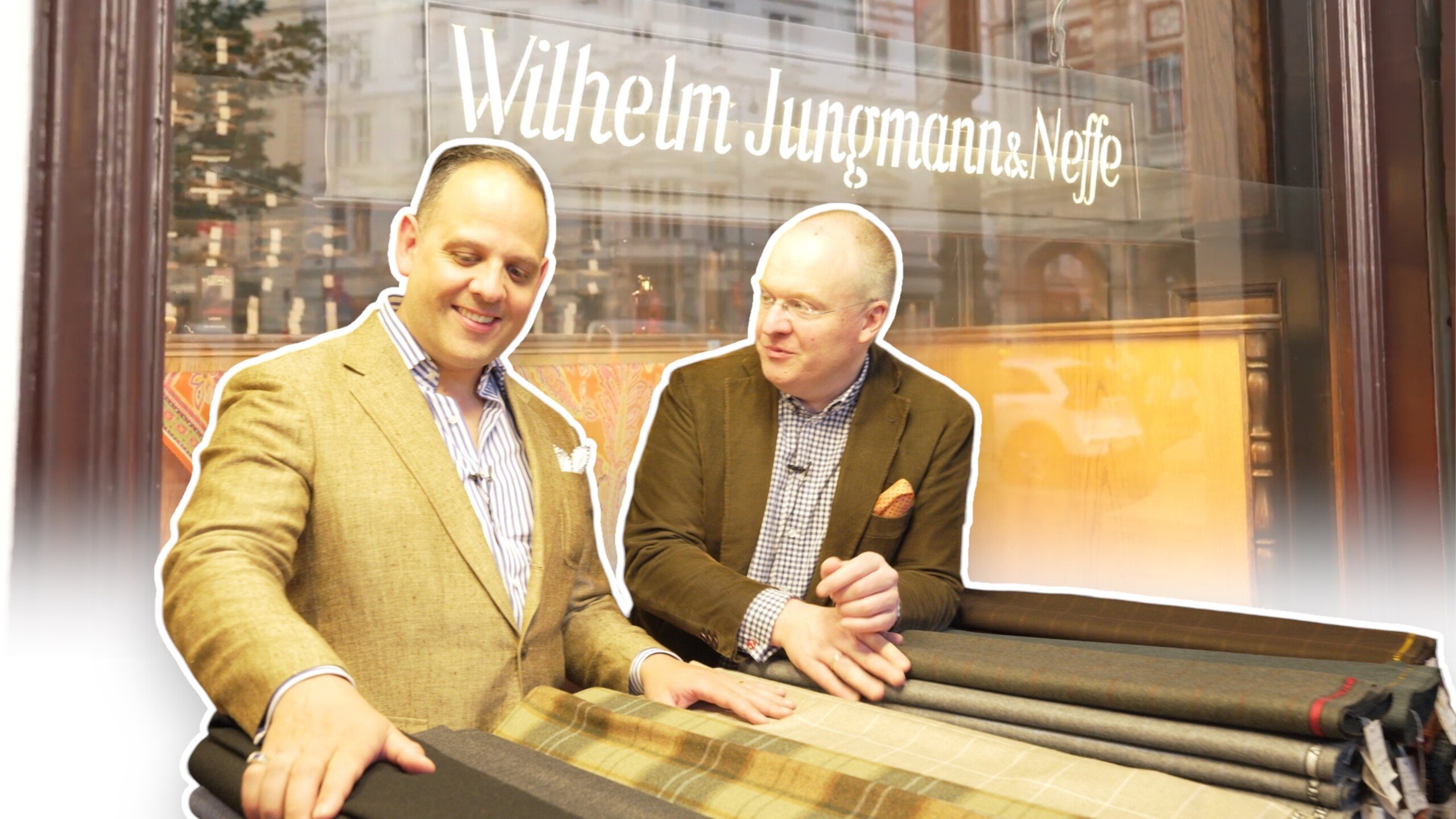
Wilhelm Jungmann & Neffe
Tour Vienna’s 1873 Fabric House
How to Think Like a Tailor
A Guide to Fabric Selection